
Why Your Bedroom TV Setup Is Probably Wrong
We assume a TV is a TV, but bedrooms are different: smaller spaces, different viewing angles, sleep-focused aesthetics, and distinct usage patterns. That mismatch means many bedroom setups under-deliver. We’ll walk through viewing geometry, display trade-offs, audio illusions, mounting and cable management, smart TV ecosystems, and real-world usage for streaming and gaming.
This piece speaks to design and user experience first. We explain not just what to change, but why those choices matter today: brighter HDR panels, booming soundbars, and fragmented platforms create hidden costs and friction. Our goal is practical—helping you make intentional choices so your bedroom feels like a considered space, not a neglected afterthought. We’ll keep recommendations simple today.


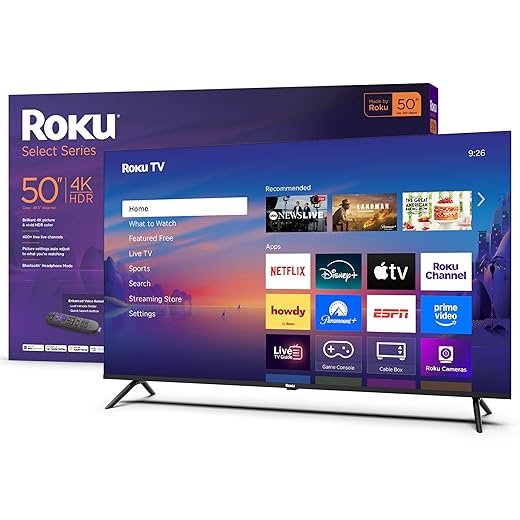

Best TV Placement in the Bedroom: Optimal Screen Size and Distance
Viewing geometry: size, distance, and the lie of the living-room screen
We buy TVs like we buy sofas: by instinct and aspiration. Bedrooms force different compromises — shorter distances, lower mounts, and multiple viewing positions (sitting, propped, lying down). If we ignore geometry, the result is eye strain, washed-out contrast from extreme angles, and a TV that dominates the room rather than serving it.
Measure first, pick second
Start simple: measure the distance from your usual eye‑position (sitting on the bed, propped on pillows, and lying flat) to the wall or cabinet where the screen will go. Use those distances to pick size ranges that keep pixels small enough for your eyes and the screen from feeling monstrous.
If you’re closer than ~7–8 feet, 4K makes sense; beyond that, the visual benefit diminishes.
Angle, tilt, and sight cones
Bedrooms add vertical viewing angles we don’t face in living rooms. When the TV’s mounted higher, tilt and viewing angle matter more — off‑axis viewing angle effects reduce contrast and shift color on many LCDs. OLEDs tolerate tilt better, but reflectivity still bites in sunlit rooms. Aim for the screen center to sit roughly at eye level when you’re seated, and use a downward tilt of 10–15° if the mount must be high.
Quick, practical checks
The market’s push for ever‑bigger panels looks great in showrooms, but in small, reflective bedrooms it often trades comfort for spectacle.
Display characteristics: brightness, contrast, and the hidden costs of HDR
Manufacturers shout peak-nits and HDR highlights like every home is a dedicated, blackout cinema. In bedrooms, though, ambient conditions — curtains, bedside lamps, and how close we sit or lie — change everything. HDR tone mapping reacts to both the room and the content, so ultra-bright panels that look dazzling in a showroom can feel abrasive when you’re watching at 10 pm with a lamp on.
Why peak brightness metrics lie (and what to do)
Peak brightness matters for spec sheets, but it’s the interaction of local tone mapping, reflections, and ambient light that determines our night-time comfort.
OLED: contrast as a double-edged sword
OLED’s infinite contrast and inky blacks are perfect for a dark bedroom — blacks recede, text pops, and movies feel cinematic without blinding highlights at night.
Midrange LED/LCD: pragmatic compromise
A midrange LED/LCD with localized dimming often wins in real rooms: good contrast without the burn-in anxiety and less aggressive highlights than flagship “1,500+ nit” panels. Look at sets with zoned local dimming (not just global backlight), solid anti-reflective coatings, and sensible default evening modes — models like the Sony X80K or TCL 6-Series historically hit this sweet spot.
Focus on usable picture controls, not headline nits. Next, we’ll look at how your audio setup and room size change the perceived experience; soundstage and reflections matter just as much as the screen.
Audio and the illusion of a soundstage in small rooms
We shrug at thin TV speakers in living rooms because distance and furniture forgive a lot. In bedrooms, that forgiveness evaporates: we’re closer, reflections from walls and ceilings are more immediate, and small speakers reveal their limitations — brittle highs, directional dialogue, and almost nonexistent bass. That breaks immersion for movies, ruins atmosphere in games, and makes late‑night listening fatiguing.
Why bedroom acoustics change the rules
Mattresses, rugs, and curtains actually help by absorbing midrange and treble, which can make dialogue cleaner — but they also sap perceived bass. Built‑in wardrobes and bare walls create first‑reflection problems that push soundstage imaging off-center. The result: producers’ “cinematic” demos sound hollow in our real rooms.
Practical options that scale to bedrooms
Quick setup playbook
We should choose audio solutions that respect the bedroom’s constraints, not the showroom’s drama.
Mounting, cable management, and the aesthetics of sleep-focused design
Wall mount vs. stand: what the bedroom changes
A bedroom isn’t a showroom; a TV should disappear when we want to sleep. Wall‑mounting gives the cleanest silhouette and frees dresser tops for lamps and books. But stands can be simpler if your furniture already has a raised, stable surface. Watch for VESA compatibility, and—critically—measure stand foot spread and depth: many TV stands have wide feet that won’t fit narrow dressers, and VESA holes can sit far down the chassis, pushing the screen higher than you expect.

Tilt, swivel, and the lying-down geometry
We lie down; living‑room tilt angles don’t cut it. A full‑motion arm that tilts and pulls out lets us angle the screen down toward the bed without awkward neck strain or light glare. If you watch primarily from one side of the bed, a swivel feature is worth the extra $; if you watch from both sides, keep tilt and vertical adjustability in mind.
Hiding components: drawers, headboards, and ventilation
Stashing an Apple TV or console in a drawer looks tidy, but electronics need airflow. Leave drawers cracked 1–2 inches, cut passive vent slots, or install a small quiet fan. Otherwise you’ll accelerate wear and trip thermal shutdowns during long streaming sessions.
Clean cables, safer power, better UX
Good cable work isn’t cosmetic: tightly bundled, labeled cables reduce strain on ports and lower failure risk. Use in‑wall‑rated HDMI where code allows, run a low‑profile surge‑protected outlet behind the TV, and avoid daisy‑chaining cheap power strips. Consider RF or Bluetooth remotes and HDMI‑CEC to prevent the IR line‑of‑sight problem; if you insist on IR, add a tiny IR extender in the cabinet.
Practical tip checklist
We’ll next look at how smart‑TV ecosystems compound these integration choices.
Smart TV ecosystems, remote UX, and the friction of cross-device life
OS vs. stick: updates, privacy, and future‑proofing
Every bedroom TV is now a little smart hub, and the platform you pick changes the day‑to‑day. Built‑in OSes (Samsung Tizen, LG webOS, Amazon Fire) look convenient, but manufacturers throttle updates and sometimes push ads or their own stores. We’ve found a simple streaming stick often wins on longevity and privacy — it gets timely OS updates, predictable app support, and fewer manufacturer‑specific quirks.

Remote and voice: design choices that matter at 2 a.m.
Remotes are a UI problem disguised as hardware. Backlit buttons, big play/pause, and minimal menus make late‑night navigation painless; tiny buttons and glossy black plastic do not. Voice control helps, but it can also wake partners, fire off searches, or leak data to cloud assistants. Our advice: pick remotes with:
Ecosystem lock‑in: soundbars, casting, and CEC drama
Ecosystems affect more than apps. HDMI‑CEC and eARC support vary by brand; a TV that “works with” your soundbar on paper can still misbehave when casting or turning off. Casting from phones (Chromecast, AirPlay) is convenient, but reliability depends on Wi‑Fi, firmware, and account sign‑ins—things manufacturers can gate behind their own platform. If minimal friction is the goal, test casting and soundbar passthrough before mounting, and prefer devices with clear long‑term update policies (Apple TV, Roku, Chromecast with Google TV).
Quick setup tips
Next we’ll apply these ecosystem constraints to how we actually use bedroom TVs — from bingeing to late‑night gaming.
Usage patterns: streaming, gaming, and the ways we actually use bedroom TVs
Short sessions and background viewing
We don’t treat bedroom TV time like living‑room evenings. It’s fragmented: two‑minute weather checks, 10‑minute comedy clips, or a half‑episode while winding down. That changes priorities—fast app resume, reliable casting, and sleep timers matter more than peak brightness or HDR fidelity. Turn on app resume and set automatic dimming or a 30–60 minute sleep timer to avoid waking up to a blazing screen.
Gaming and low‑latency tradeoffs
Casual console sessions—quick Mario runs or late‑night co‑op—demand low input lag, but we rarely need console‑grade visuals all night. Use a “Game Mode” for sporadic play (PS5/Series X/Xbox, Switch) and toggle back for streaming to keep processing and noise down. If you use cloud or mobile controllers, test Bluetooth pairing and input lag while the TV is wall‑mounted; what feels fine at the store can frustrate in bed.

Night‑mode audio and dimming behavior
Audio dynamics matter: sudden explosions wake partners. Look for night‑mode or volume leveling in the TV or app, enable dialogue enhancement for sleepy listening, and pair with a small soundbar that supports night EQ. If your TV lacks fine controls, a bedside smart speaker (HomePod Mini, Nest Audio) can handle quiet streaming and multiroom handoff.
Profiles, parental controls, and shared devices
Bedrooms are shared: partners, kids, guests. Create separate profiles, enable purchase PINs, and set viewing‑time limits. On smart TVs this usually lives in the OS; on sticks and Apple TV it’s more reliable and portable between rooms.
Consolidate or stick?
Weigh a tiny dedicated streamer (Chromecast with Google TV, Roku, Fire Stick) against an all‑in‑one smart TV. Sticks win for updates, predictable UX, and easy swapping; an integrated TV simplifies cables and remote count. Our rule: prioritize software longevity and ease of switching rooms—if you like changing hardware every few years, go stick. If you want tidy, do everything on one reliable set.
Next, we’ll bring these practical choices together and explain how to make your bedroom setup intentional.
Make your bedroom setup intentional
We don’t need to over-engineer a bedroom TV, but we should be deliberate. By dialing viewing geometry, choosing a display whose brightness and HDR won’t wreck sleep, adding compact audio that creates believable depth in small rooms, and hiding cables with a simple mount, we stop importing a living-room compromise.
Small, thoughtful changes—a smaller screen, compact soundbar, pared-back streaming approach—make the TV belong to room. Let’s make ours work for rest and entertainment again.
Frequently asked questions
What is the main point of “Why Your Bedroom TV Setup Is Probably Wrong”?
This piece explains where why your bedroom tv setup is probably wrong matters in real buying decisions—not just headline specs. We focus on trade-offs, who benefits most, and what to verify before you spend.
Who should read this why your bedroom tv setup is probably wrong guide?
Read it if you are actively shopping, upgrading, or trying to separate marketing claims from day-to-day use. Skip it if you already own the gear and are not planning a change this season.
What changed recently around why your bedroom tv setup is probably wrong?
Prices, firmware, and feature tiers shift quickly in this category. We call out what is new enough to affect your decision and what is incremental hype you can safely ignore.
How should I use this editorial when buying?
Treat it as context before you compare models: note the risks and priorities here, then cross-check specs and current pricing on the picks that match how you actually use the product.
What is easy to get wrong about why your bedroom tv setup is probably wrong?
Buyers often overweight one spec—brightness, speed, or brand—and underweight fit for their room, ecosystem, or warranty support. We flag the mismatch we see most often in reader questions.
Where should I go next after reading?
Use the related comparisons and top picks linked near the end of this article for model-level shortlists, then confirm return policies and compatibility with the devices you already own.

Iqra Jumar is Option Cutter's editorial writer. She writes practical editorials and buyer guides that focus on real-world upgrades—better Wi‑Fi, cleaner cable setups, smarter streaming, and everyday fixes—not spec-sheet noise alone. Her work helps readers decide what to change now, what to skip, and why.