
Why audio often trumps a shinier screen
When was the last time buying a new TV made a film or show feel markedly better? For most of us the answer is: rarely. Upgrading speakers, though, changes what we notice first — dialogue clarity, punchy effects, and a sense of space — and that shift happens immediately.
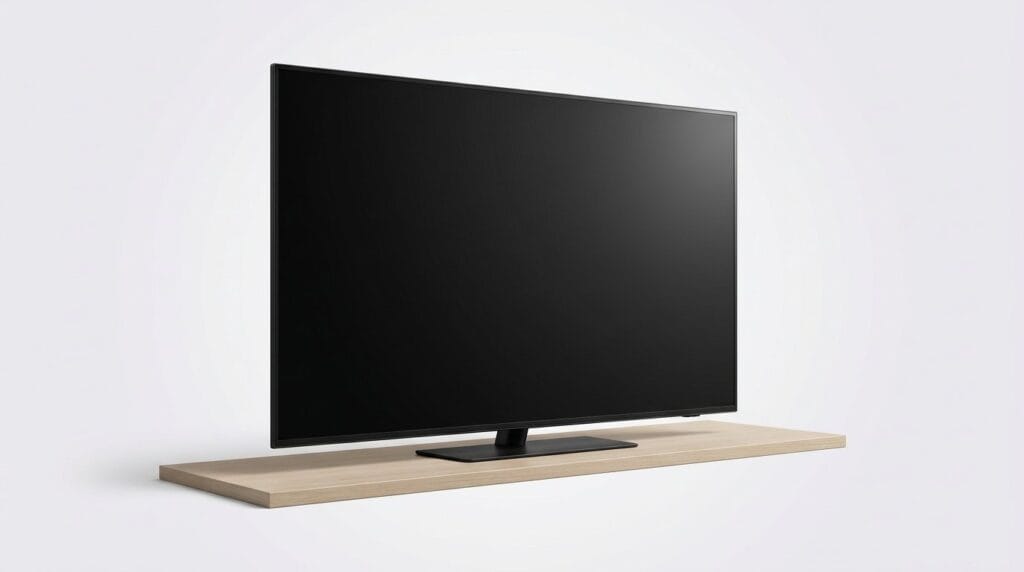
We argue that one well-chosen audio upgrade delivers more perceivable value than chasing brighter TV panels or higher numbers. This piece is practical: hands-on, focused on user experience, design fit, and ecosystem trade-offs.
Our conclusion is simple. Spend where perception matters. We’ll show why a modern soundbar system beats a new television for everyday viewing, and what to watch out for when you buy. Expect clear buying steps, setup tips, and real-world listening notes.


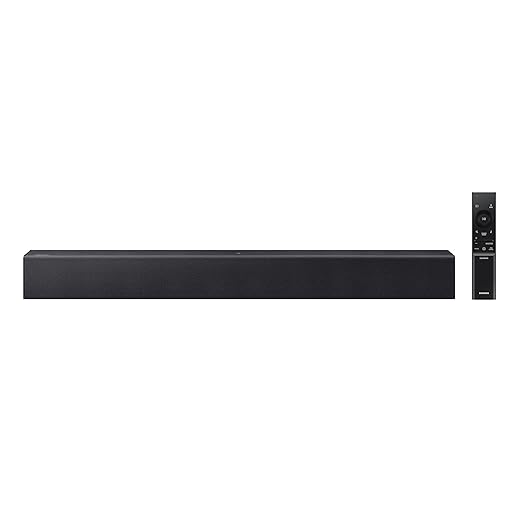
Why a better audio chain changes how we watch
Sound shapes presence more than pixels do
We often think of TV upgrades in terms of spec sheets — nits. Those things matter in controlled demos, but in everyday rooms the returns are small: couch distance, ambient light, and streaming compression blunt incremental gains. By contrast, improving the audio chain fixes two universal complaints overnight: muddy dialogue and flat, lifeless soundtracks. When speech becomes intelligible and low end has tactile weight, we stop squinting at the subtitles and start feeling the scene.
The mechanics: how our ears turn sound into emotion
Psychoacoustics explains why this works. Our brains use timing, frequency content, and harmonic cues to place voices and effects in space. A thin TV speaker compresses those cues — dialogue gets masked by midrange clutter, explosions lose overtones that give them punch, and reverberation that signals “room” disappears. Add a subwoofer and a dedicated center or front-firing drivers and suddenly the precedence effect and low-frequency energy restore realism. We care more because the soundtrack delivers salient cues that pull attention and trigger emotions.
Everyday scenarios where sound upgrades matter
Practical ways this pays off now
We’ve seen setups where a modest 2.1 or compact surround soundbar (think Sonos Beam Gen 2 or Vizio M-Series) makes more perceptible difference than a TV upgrade that costs twice as much. The wins are immediate: better dialogue at lower volumes, less fatigue, and a stronger “in the room” sense that keeps us watching.
Quick tips you can apply tonight
Next, we’ll look at the single practical upgrade in our how-to guides that delivers this kind of transformation: why a modern soundbar system is the most efficient way to get these benefits and what features to prioritize.
The single upgrade: a modern soundbar system and why it wins
What we mean by a modern soundbar system
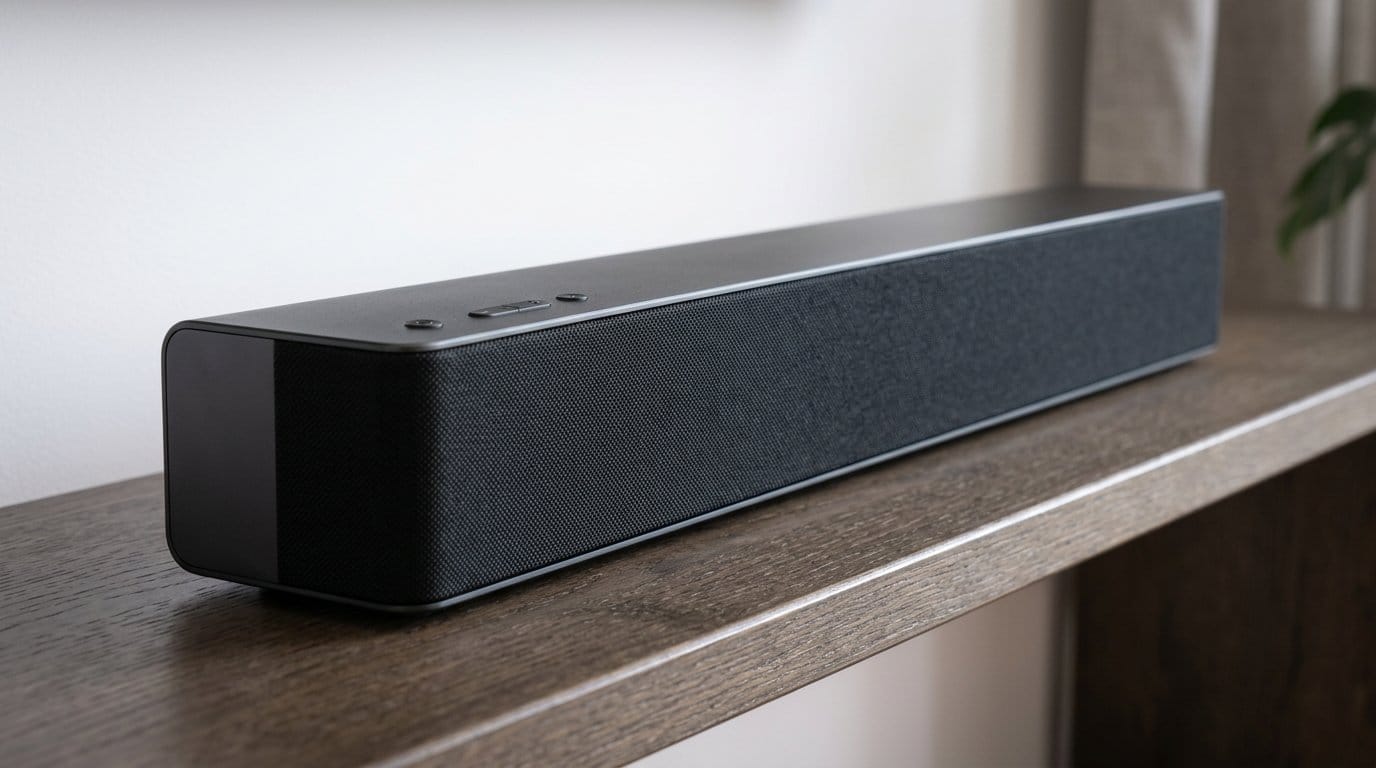
By “modern soundbar system” we don’t mean the thin stick that pretends to be a speaker. We mean a compact, integrated package: a core soundbar with multiple front drivers, a dedicated subwoofer for real low end, and—optionally—satellite or upward-firing modules that add height and surround cues. Critically, the whole package should support HDMI eARC, object-based audio decoding (dolby Atmos/DTS:X), and on-board room DSP/room correction so it behaves well in real living rooms.
Why this is the highest-leverage move
For most people the biggest audiovisual return on investment comes from fixing the audio chain, not the panel. A modern soundbar delivers:
We’ve watched roommates and families go from fighting over volume to actually enjoying movies together after a sound bar upgrade. That convenience is why it trumps a new TV for most living rooms.
Key components and what to prioritize
Prioritize eARC + room correction over headline driver counts. A well-tuned 3.1.2 with a good sub will outpace a larger-looking spec sheet that can’t decode Atmos or tune to the room.
When a soundbar isn’t the right tool
A soundbar isn’t a panacea. Choose a full AVR + discrete speakers if you have
For the typical living room, though, the modern soundbar system is the smartest, least disruptive path to dramatically better sound. Next, we’ll dig into how these systems fit into ecosystems and the compatibility pitfalls to watch for.
How the upgrade improves everyday usability and design fit
Setup that actually feels easy
The biggest usability win is simplicity. Modern soundbars lean on a single HDMI eARC connection to carry everything from Atmos tracks to TV dialog — one cable, one source of truth. Most current models also include an auto-calibration routine (usually a phone app or a built-in mic) that measures the room and applies DSP correction within minutes. Do this once, tweak the sub level, and you’re done.
Actionable tip: connect via HDMI eARC, enable TV remote control (CEC), run the room-calibrate routine, and turn off the TV’s internal speakers to avoid comb filtering.
A quieter visual footprint
Compared with a tangle of floorstanders, stands, and wires, a soundbar is low-profile and intentionally minimal. Manufacturers now offer matte black, textured fabric, and wood-grain finishes that blend with most living rooms. Low-profile bars like the Sonos Beam 2 or the compact Samsung HW-B400F keep sightlines clear and won’t compete with a wall-mounted oled.
If you want it even neater, many bars include wall-mount templates and rubber feet so the bar sits flush beneath the screen. The visual payoff: sound that feels integrated rather than obtrusive.
Tactile differences that change perception
You don’t need to crank the TV to feel impact. A dedicated subwoofer delivers immediate low-frequency punch — explosions land, music feels full — while a properly tuned bar cleans dialogue without having us squint for subtitles. The perceived soundstage from a well-designed 3.1 or 3.1.2 system often makes a 43–55″ TV sound and feel larger, because spatial cues and separation trick our brains into a more immersive image.
Real-world note: at small gatherings we saw conversations and vocals stay intelligible at moderate volumes, which keeps neighbors and roommates happier.
Daily controls and family dynamics
Manufacturers have refined interfaces: clean apps for streaming and simple voice-assistant integration (Alexa, Google Assistant, or AirPlay/Chromecast). Fewer remotes, better presets, and auto-volume leveling mean less fiddling during commercials or when switching inputs.
Quick usability checklist
Next, we’ll dive into ecosystem compatibility — what to watch for when pairing a soundbar with your TV, streaming devices, and smart-home setup.
Integration: compatibility, ecosystems, and the things that trip people up
Upgrading audio isn’t just buying a gadget; it’s folding that gadget into a living system. We’ll walk through the practical checks that decide whether the upgrade actually delivers — and how to avoid the small frustrations that spoil big-sounding setups.
HDMI: eARC vs. ARC and real-world pass‑through
HDMI eARC is the only reliable path for lossless multichannel audio (Dolby TrueHD, uncompressed Atmos). ARC is older and often drops to compressed formats or stereo. Practical rule: if you want native Atmos or bit‑perfect multichannel from streaming apps or a Blu‑ray player, make sure both the TV and the soundbar advertise HDMI eARC.
Real-world snag: many TVs shipped with buggy eARC implementations. Before you buy, check forums or recent firmware notes — a TV may gain eARC fixes months after launch.
Sources matter: streaming sticks and consoles
Not all upstream devices behave the same
If you route everything through the TV, ensure it will pass the chosen format on to the soundbar — TVs sometimes decode and downmix instead.
Ecosystems, voice, and multiroom tradeoffs
Platforms add convenience but can also lock features

Practical pitfalls and quick checklist
Common traps
Immediate compatibility checklist
These checks turn a promising purchase into a predictable, long‑lived upgrade. Next, we’ll weigh cost, alternatives, and where a soundbar sits among competing audio options.
Cost, alternatives, and the competitive context
We put dollars and choices on the table so you can choose what actually improves your daily viewing. Below we compare total outlay, expected value, and the tradeoffs that matter once you move past showroom shine.
Dollars and cents: soundbar vs. new TV
A decent modern soundbar that genuinely restores dialogue, adds bass, and decodes Atmos runs roughly $300–$900 for midrange options; full-featured systems with wireless rears and a quality subpush $700–$1,500. A midrange 55–65″ TV lands around $500–$1,000; a premium set that nudges better HDR and panel tech is $1,200+. Mathematically, a $700 soundbar plus your current TV often costs less than stepping up one TV tier — and delivers a more noticeable improvement in perceived quality because audio deficits are so obvious.

Alternatives we considered (and when they win)
Market dynamics and ecosystems
TV makers increasingly pack HDR and smart features into cheaper sets while outsourcing audio. Streaming services pushing Atmos raises the value of an audio upgrade — suddenly that Dolby logo matters. Ecosystem locks (AirPlay, Google, branded multiroom) influence long‑term happiness: a bar that plays nicely with your phone and TV reduces friction every night.
Decision flow (quick)
Next, we’ll turn those choices into a practical recommendation and clear next steps.
A practical recommendation and next steps
For most of us, a single modern soundbar system delivers a more noticeable, lasting upgrade than a new TV because it improves clarity, dynamics, and immersion where screens are fine. Prioritize HDMI eARC, a dedicated subwoofer, and effective room correction; test dialogue and action scenes in-store or via home demos to evaluate real-world performance and tuning.
Measure your room, confirm TV compatibility (eARC, passthrough, CEC), and set a realistic budget favoring sound quality over flashy features. Small, targeted audio upgrades usually give the most joy per dollar — and they change how we watch.
Frequently asked questions
What is the main point of “The One Audio Upgrade That Beats Buying a New TV”?
This piece explains where the one audio upgrade that beats buying a new tv matters in real buying decisions—not just headline specs. We focus on trade-offs, who benefits most, and what to verify before you spend.
Who should read this the one audio upgrade that beats buying a new tv guide?
Read it if you are actively shopping, upgrading, or trying to separate marketing claims from day-to-day use. Skip it if you already own the gear and are not planning a change this season.
What changed recently around the one audio upgrade that beats buying a new tv?
Prices, firmware, and feature tiers shift quickly in this category. We call out what is new enough to affect your decision and what is incremental hype you can safely ignore.
How should I use this editorial when buying?
Treat it as context before you compare models: note the risks and priorities here, then cross-check specs and current pricing on the picks that match how you actually use the product.
What is easy to get wrong about the one audio upgrade that beats buying a new tv?
Buyers often overweight one spec—brightness, speed, or brand—and underweight fit for their room, ecosystem, or warranty support. We flag the mismatch we see most often in reader questions.
Where should I go next after reading?
Use the related comparisons and top picks linked near the end of this article for model-level shortlists, then confirm return policies and compatibility with the devices you already own.

Iqra Jumar is Option Cutter's editorial writer. She writes practical editorials and buyer guides that focus on real-world upgrades—better Wi‑Fi, cleaner cable setups, smarter streaming, and everyday fixes—not spec-sheet noise alone. Her work helps readers decide what to change now, what to skip, and why.