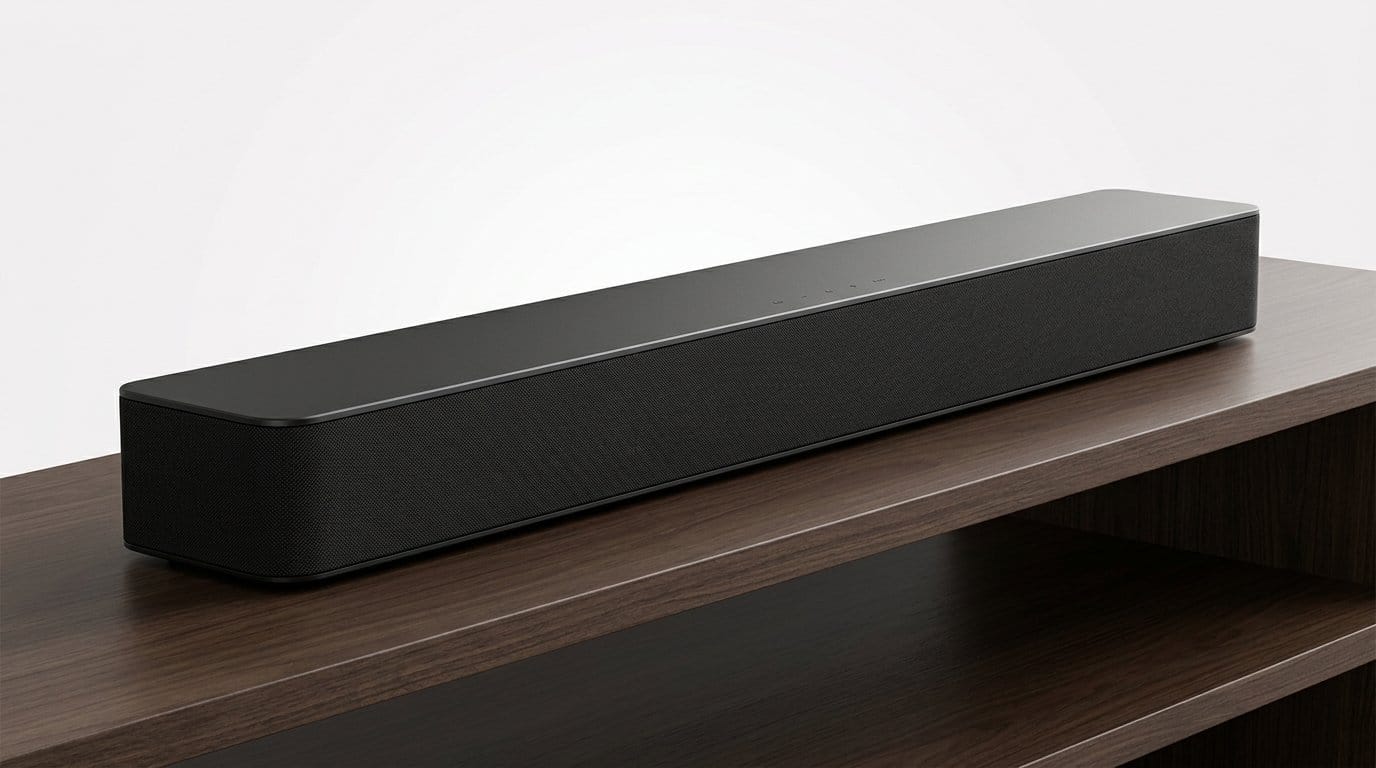

Why sound has quietly become the most important part of watching TV
Sound often does more heavy lifting than picture. In our tests, good audio turns a sharp image into a believable moment—dialogue becomes present, explosions hit with weight, and space feels three-dimensional. SOUND is the invisible upgrade that changes what a show actually feels like, and manufacturers know it.
We’ll show why this matters: how better sound completes the experience, why thin TVs forced new audio designs, and how TVs, soundbars, and streaming must cooperate. We’ll walk through practical listening methods, separate real features from marketing, and explain market consequences and buying guidance. We tackle this like a review—measurable differences, perceptual effects, and clear takeaways for buyers and makers.


TV Audio vs Sonos Beam Gen 2: Which Should You Buy?
The missing half of the experience: how better sound changes what TV actually feels like
Dialogue: clarity isn’t optional
When we watch the evening news or a streaming drama, the story lives in the spoken word. Poor midrange response or smeared timing makes consonants vanish into ambience; suddenly we’re squinting at subtitles to follow a plot. Better speakers and clearer center-channel delivery restore presence — not just volume — so speech sits in the mix where it belongs.
Spatial cues: anchoring people and places
Sound places performers in a room. Stereo width, early reflections, and timing differences tell us if a scene is intimate or cavernous. In a football match, crowd directionality and on-field cues make plays feel local. In a detective show, subtle off-screen sounds point to doors, footsteps, and tension. That spatial detail is what turns 4K “pretty” into believable.
Low end: the body of an action scene
Low-frequency weight isn’t about loudness; it’s tactile punctuation. A hit, an engine, or an explosion needs controlled bass to feel physical. Too much boom or too little punch makes effects either muddy or impotent. We’ve heard budget soundbars add thump but lose control; the best systems balance impact with definition.
Why small improvements feel huge
Psychoacoustics explain why: our brains amplify timing and harmonic detail cues. A few milliseconds improvement in transient response or a flatter midrange can make dialogue pop and instruments lock in, creating a believable scene. Those tiny gains scale perceptually — small hardware wins, big viewer payoff.
Quick listening checklist (do this at the store or at home)
We treat audio not as garnish but as a structural layer of storytelling—get these elements right and everything on screen starts to mean more.
Design tradeoffs: why thin screens forced audio innovation and what that means for consumers
Why thin equals weaker speakers
As screens got thinner and bezels vanished, there simply isn’t room for deep speaker enclosures or big drivers. Small drivers in a paper‑thin cabinet can’t move enough air for tight bass or convincing dynamics; they trade displacement for style. We’ve sat in living rooms where a flagship OLED looks flawless but sounds like it’s coming out of a cereal box — and that gap is exactly why the audio market flipped.
The software band‑aid — strengths and limits
Manufacturers reacted two ways: add external hardware, or make clever software. Virtualization (simulated surrounds), upmixing, and dialogue-enhancement EQ are useful. They can widen a scene or bring vocal clarity forward, and room-calibration DSPs do help when tuned well. But software can’t replace missing physical excursion: you can’t EQ bass into existence without distortion or time smear. In short, DSP is an amplifier for good hardware — not a substitute.
Placement, room acoustics, and everyday listening
Design choices also dictate placement. Thin TVs favor low-profile soundbars that sit under the set or mount on the wall; that changes toe-in angles and how waves hit walls. In real rooms, reflections, couch position, and a coffee table will swamp tiny speakers. Practical tips: give a soundbar 10–30 cm of clearance, use an outboard subwoofer for low end, and choose systems with room‑calibration mics.
What winning companies do (and what to look for)
Brands that partner with audio specialists or invest in larger driver arrays + smart DSP consistently earn higher satisfaction. Look for:
Cheaper, TV‑only designs lean on marketing buzzwords — “AI sound,” “3D virtualizer” — so test with real content before buying. We’ll keep watching how these tradeoffs evolve as manufacturers try to marry fashion with fidelity.
Ecosystem integration: how TV, soundbar, and streaming services must work together
When we talk about sound as part of the TV experience, it’s not just speakers vs. screen — it’s an ecosystem. Good audio today depends on four things talking to each other cleanly: the source device (Apple TV, game console), the TV (as a hub), the external audio device (soundbar or AVR), and the streaming service or disc providing the mix. If any link is weak, the whole chain collapses.
Why formats and passthrough matter
Modern mixes come as channels (Dolby Digital, DTS) or objects (Dolby Atmos). Object-based audio carries positional data and needs a decoder in the chain to render height and spatial cues. That’s why eARC (Enhanced Audio Return Channel) is a practical must-have: it lets lossless and object-based streams pass from the TV to a soundbar/receiver intact. Without it, TVs will often downmix Atmos to basic 5.1 or stereo, and the immersive effect vanishes.
A simple compatibility checklist
Setup tips and common gotchas
If you use a smart TV app, route sources to the TV and use eARC to the soundbar; if your TV can’t passthrough, route the source directly to the soundbar/AVR. Disable redundant TV “3D” upmixing when using a dedicated decoder. Check app-level audio settings (Netflix won’t always stream Atmos unless you pick the right profile). And remember: manufacturers that coordinate fast firmware updates and clear UX — think TV makers who label “Dolby Atmos passthrough” plainly — make the experience seamless; fragmented support is the real-world friction that frustrates buyers and undermines premium hardware.
Practical listening: how to evaluate audio in real rooms and what tests actually indicate quality
How we listen — start with realistic settings
When we audition gear, we try to hear it the way we’ll live with it. Set the TV and soundbar to “Standard” or “Movie” preset, disable bass/treble gimmicks and surround upmixers, and play material at normal viewing levels (not ear-splitting). That immediately separates useful performance from marketing noise.
Reproducible tests we use

Quick room fixes and placement tweaks
Easy calibration without pro tools
These checks give you repeatable, perceptual data during demos and at home — the kind of listening that separates headline specs from what actually matters. In the next section we’ll pick apart the features vendors advertise and show which ones survive real-room tests.
Feature vs. reality: which audio features matter and which are just marketing
Cut through the jargon
We see the same claims in every showroom: “virtual surround,” “Dolby Atmos,” “AI room correction,” “voice‑enhancement.” Not all of these move the listening needle. Our rule of thumb: prioritize technology that changes what you hear in your room, not what sounds good on a spec sheet.
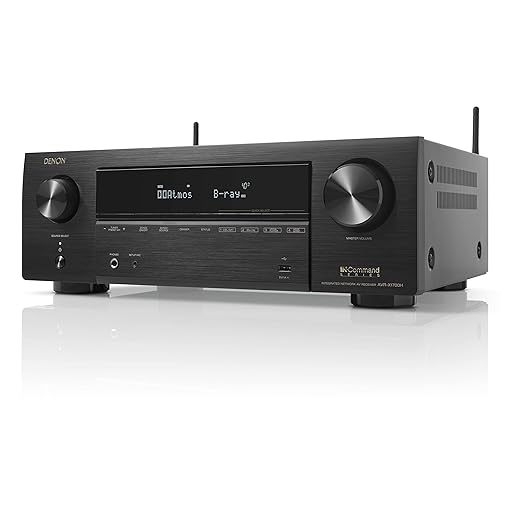
What actually helps in real rooms
Features that are often marketing
How to prioritize when shopping
We’ll use this hierarchy to weigh price premiums, partnerships, and certified solutions in the next section, and show where spending actually improves your daily viewing.
Market impact and buying guidance: what this audio shift means for manufacturers and consumers
We step back and look at how better sound shifts the market. Audio is no longer a checkbox — it reshapes product lines, retail messaging, and where people choose to spend. Below we map what that means for makers, buyers, and the stores that connect them.
For manufacturers: new levers and responsibilities
We’re seeing product segmentation move from screen size to audio capability. Brands now differentiate with
This creates partnership incentives — speaker makers, DSP firms, and streaming platforms increasingly co‑market “certified” experiences.
For consumers: where to spend, by use case
We recommend buying against how and where you watch.
Compatibility and future‑proofing
How retailers can help
We want clear in‑store demos, spec sheets that show eARC/bitstream support, and short listening comparisons. Liberal return windows and demo rooms keyed to common use cases help buyers be confident.
Next, we wrap up why sound now defines the TV experience.
Why we now judge TVs by what they sound like
We no longer accept beautiful pictures alone; sound completes the story. Thin designs, ecosystem pressure, and streaming formats pushed audio from accessory to co‑star, changing how shows and games land in our rooms. That shift matters because it alters perceived realism, engagement, and even content choices—so sound isn’t optional design flourish anymore.
We recommend prioritizing listening tests, matching TVs with soundbars or AVRs that honor room acoustics, and evaluating real‑world features over flashy specs. Buyers and makers alike invest in audio that keeps pace with image—or the experience falls flat — browse our how-to guides.
Frequently asked questions
What is the main point of “Why Sound Quality Changes Everything on TV”?
This piece explains where why sound quality changes everything on tv matters in real buying decisions—not just headline specs. We focus on trade-offs, who benefits most, and what to verify before you spend.
Who should read this why sound quality changes everything on tv guide?
Read it if you are actively shopping, upgrading, or trying to separate marketing claims from day-to-day use. Skip it if you already own the gear and are not planning a change this season.
What changed recently around why sound quality changes everything on tv?
Prices, firmware, and feature tiers shift quickly in this category. We call out what is new enough to affect your decision and what is incremental hype you can safely ignore.
How should I use this editorial when buying?
Treat it as context before you compare models: note the risks and priorities here, then cross-check specs and current pricing on the picks that match how you actually use the product.
What is easy to get wrong about why sound quality changes everything on tv?
Buyers often overweight one spec—brightness, speed, or brand—and underweight fit for their room, ecosystem, or warranty support. We flag the mismatch we see most often in reader questions.
Where should I go next after reading?
Use the related comparisons and top picks linked near the end of this article for model-level shortlists, then confirm return policies and compatibility with the devices you already own.

Iqra Jumar is Option Cutter's editorial writer. She writes practical editorials and buyer guides that focus on real-world upgrades—better Wi‑Fi, cleaner cable setups, smarter streaming, and everyday fixes—not spec-sheet noise alone. Her work helps readers decide what to change now, what to skip, and why.