We tested office and gaming chairs side-by-side — here’s why a sleek office chair often beats flashy gaming thrones for long-term back health, comfort, and desk ecosystem integration (and when the gamer seat actually wins).
We put the Herman Miller Aeron (Size B, Fully Loaded, PostureFit) against the Secretlab Titan Evo (Black, Leatherette) to see which relieves back pain in real use among office chairs, focusing on comfort, adjustability, posture control, and everyday ergonomics in this comparison that actually matter now.
Office Ergonomics

Gaming Comfort

Herman Miller Aeron
- Outstanding, well-documented ergonomic design that supports posture for long sessions
- Breathable pellicle mesh keeps you cool and distributes pressure evenly
- Robust build and long service life; many parts are recyclable and repairable
- Subtle, office-friendly aesthetic that integrates into professional environments
- High upfront cost relative to generic office chairs
- Less plush seat feel—takes time to adjust for users used to soft padded chairs
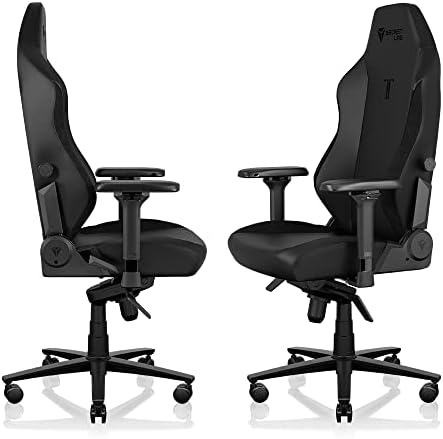
Secretlab Titan Evo
- Highly adjustable: metal 4D armrests and multi-tilt mechanism offer granular positioning
- Firm, supportive cold-cure foam and integrated adjustable lumbar that work well for long sessions
- Wide size range (including XL) and high weight capacity for big-and-tall users
- Firm seat and back feel can be uncomfortable initially for users used to softer cushions
- Premium price and occasional quality-control complaints reported by users
Feature Comparison
| Office Ergonomics Herman Miller Aeron | VS | Gaming Comfort Secretlab Titan Evo |
|---|---|---|
9.5 / 10 | Ergonomic support |
8 / 10 |
8.5 / 10 | Adjustability |
9 / 10 |
9 / 10 | Build quality & durability |
8.5 / 10 |
7 / 10 | Value for price |
7.5 / 10 |
$669.00 | Current price |
$729.00 |
| Buy for $669.00 | Buy for $729.00 |
Office Chairs vs. Gaming Chairs: A Direct, No-Nonsense Comparison
Quick take: Which chair helps back pain right away
Short verdict
We recommend the Herman Miller Aeron if your priority is immediate, sustained spinal alignment; its factory-tuned PostureFit and tensioned pellicle mesh give instant, consistent lumbar support that reduces slouching for long stretches. The Secretlab Titan Evo, by contrast, provides fast, cushioned relief and customizable comfort that will feel better to many users right away — especially bigger or foam-preferring people — but it relies more on padding and manual tweaks than on built-in posture mechanics.
Why the Aeron tends to help right away
The Aeron’s PostureFit system and firm, breathable pellicle distribute load across the back and reduce pressure points that trigger pain. Out of the box the chair encourages a neutral spine without having to fiddle with settings; professionals and clinicians prefer this for all-day desk work and hybrid setups where sustained posture matters. Its long-term repairability and proven ergonomic design also mean it keeps helping for years.


Why the Titan Evo can also ease pain fast — with trade-offs
Secretlab built the Titan Evo to feel supportive immediately: cold‑cure foam, a magnetic memory‑foam head pillow, and a 4‑way adjustable lumbar let you tune comfort quickly. For gamers or those who want a plush initial feel, it’s an easy win. But the trade-off is reliance on padding and user adjustments — without the Aeron’s inherent posture geometry, you may need periodic readjustments and may not get the same passive spinal correction over long hybrid workdays.


Ergonomics deep dive: Support, adjustment, and posture control
Aeron: passive, clinical posture control
We find the Aeron’s PostureFit SL and pellicle mesh are engineered to do the heavy lifting for you. PostureFit gives targeted sacral and lumbar support that maintains the natural S‑curve of the spine, while the pellicle spreads load across a tensioned surface so there are fewer pressure hotspots on the lower back. The Aeron’s progressive tilt and fine tension adjustments encourage a neutral pelvis and discourage slouching during long work sessions — you don’t need to “remember” to sit up.


Titan Evo: active tuning and plush support
The Titan Evo flips the model: built-in adjustable lumbar, cold‑cure foam, a magnetic memory‑foam head pillow, and 4D armrests let us tune support to our bodies. The 165° recline and multi‑tilt give a wider range of positions for leaning back during breaks or gaming sets. For people with bulky frames or those who prefer cushion under the pelvis, Titan’s foam reduces localized discomfort quickly — but it requires deliberate adjustment and periodic retuning as foam compresses.

How the designs affect spinal alignment and lower‑back pressure
Materials, build quality, and long-term comfort
Frame and primary surfaces
The Aeron leans on a high‑end aluminum frame and Herman Miller’s pellicle mesh—no thick foam under the pelvis, just a tensioned, breathable skin that spreads load across a wide area. That structural minimalism is why Aeron feels so “clinical” and predictable over time.


Secretlab’s Titan Evo is the opposite: a heavy‑duty steel frame wrapped in cold‑cure foam and a dense leatherette cover, plus a magnetic memory‑foam head pillow. It’s intentionally plush and sculpted to feel immediate and supportive, especially for bigger bodies.


Heat, pressure distribution, and immediate comfort
Mesh wins on cooling and pressure spread. Pellicle lets heat escape and avoids focal pressure points that inflame chronic low‑back pain on an ergonomic chair. Leatherette + foam traps more heat, which can amplify discomfort during long sessions, though the foam provides strong initial pressure relief around the sacrum and is easier to tune.
Longevity: sag, creep, and maintenance
Pellicle and aluminum resist “creep” — their support geometry stays steady for many years. Foam compresses: cold‑cure delays but doesn’t stop sag. Leatherette resists abrasion better than cheap PU but can peel or blister over long, heavy use.
Warranty, repairability, and cost over time
Herman Miller sells parts, certified repairs, and has a proven service network — you can rebuild an Aeron and keep its lumbar geometry intact. Secretlab favors direct part replacement (and a long warranty), which is simpler for users but less modular for in‑field repairs.
Real-world fit, setup, and ecosystem: Who each chair actually serves
Everyday contexts we tested
We put both chairs into hybrid-work days, deep coding sprints, livestreams, and marathon gaming sessions. The Aeron Size B is a restrained, clinical fit for average-bodied office workers and programmers who value cooling, steady lumbar geometry, and an office‑friendly aesthetic. The Secretlab Titan Evo (XL option) is built for bigger users and gamers who want aggressive recline, foam cushioning, and on‑the‑fly tuning with 4D arms and a magnetic head pillow.
Setup, shipping, and returns
Aeron units are often sold through Herman Miller channels or certified resellers; many listings arrive fully assembled and Herman Miller’s service network makes repairs and part ordering straightforward. Titan Evo ships in pieces and requires 20–40 minutes of assembly, but Secretlab’s instructions are clear and they back chairs with a multi‑year warranty and direct replacement parts.
Desk integration and accessories
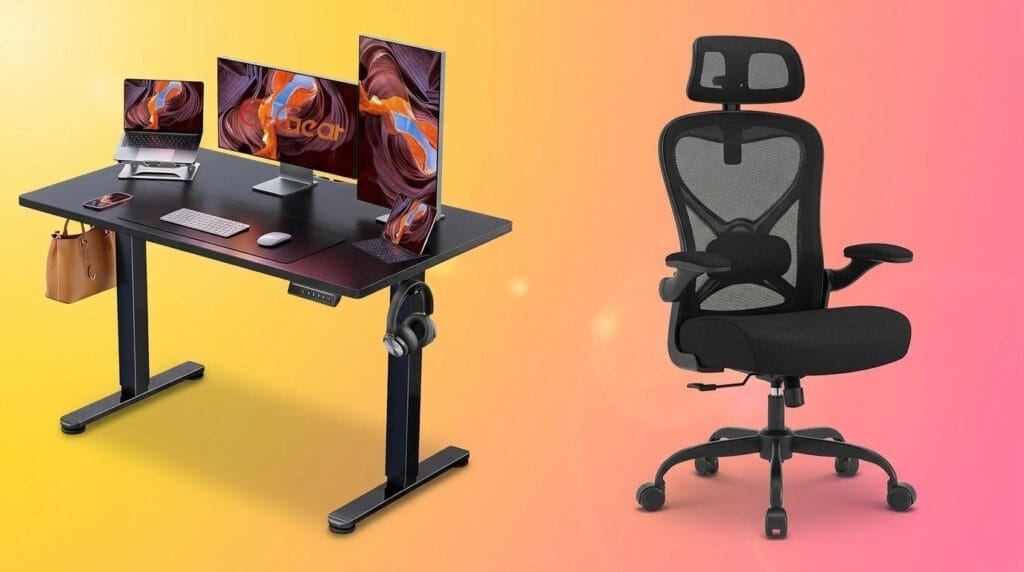
The Aeron’s low, compact mesh profile tucks under most desks and pairs cleanly with standing desks and arm mounts; aftermarket caster and lumbar kits are plentiful. The Titan Evo needs more clearance—wider base, taller back—so check desk knee space and monitor/mic boom placement. Secretlab’s ecosystem includes branded cushions, replaceable arm tops, and lots of community mods; Aeron’s aftermarket favors functional upgrades and OEM parts for long‑term repair.
We found that ease of setup, warranty/service access, and the availability of community add‑ons materially change day‑to‑day ergonomics — a chair that’s easy to repair and customize will keep working for your back longer.
Frequently asked questions
Which is better, Office Chair or Gaming Chair?
There is no universal winner: Office Chair fits some buyers and Gaming Chair fits others. We compare specs, daily use, and trade-offs in this guide so you can match the pick to your budget and workflow, not a single spec sheet.
What is the main difference between Office Chair and Gaming Chair?
Office Chair and Gaming Chair target overlapping but not identical use cases. The sections above break down design, performance, ecosystem, and value so you can see where each product pulls ahead and where it compromises.
Should I buy Office Chair or Gaming Chair first?
Buy the product that removes your biggest daily friction first. If Office Chair solves your primary pain point, start there; if Gaming Chair is the bottleneck in how you actually work or play, prioritize it. Many households add the other later.
Is Office Chair worth it over Gaming Chair?
Office Chair is worth the premium over Gaming Chair when you will use the features that justify the price—extra performance, build quality, or ecosystem lock-in. If those extras go unused, Gaming Chair usually delivers better value.
Can Office Chair replace Gaming Chair?
For some users, yes; for others, no. Office Chair can cover most tasks Gaming Chair handles, but gaps in compatibility, accessories, or specialized workflows may still matter. Use our comparison table and verdict to see which gaps apply to you.
Who should choose Office Chair vs Gaming Chair?
Choose Office Chair if its strengths match how you will use it every day; choose Gaming Chair if you need its specific advantages or a lower entry price. When in doubt, favor the option that fixes your most frequent frustration—not the highest spec on paper.
Final verdict — which to buy for back pain
We pick the Herman Miller Aeron as the overall winner for chronic back pain: its posture-focused design, breathable pellicle, and clinical adjustability make it a long-term ergonomic investment for office-heavy users. Choose the Secretlab Titan Evo if you want plush, immediate relief, aggressive adjustability, and a lower upfront price for big-and-tall setups.
Pair either chair with a height-adjustable desk, monitor at eye level, and a neutral keyboard tray; use a lumbar pad only if it complements built-in support. If pain persists or worsens, consult a clinician before upgrading your chair.

Princess Rioboca is the Lead Editorial Writer at Option Cutter, bringing over seven years of hands-on experience in consumer technology journalism. Specializing in home networking and smart home architecture, she transforms complex technical data into practical, real-world upgrades. Princess personally tests and audits every product she reviews—evaluating real-world Wi‑Fi throughput, cable management durability, and streaming ecosystem stability—to filter out spec-sheet noise. Her rigorous, field-tested insights are designed to give readers transparent, unbiased buying advice on what to purchase, what to skip, and exactly why.