
Can a plant save your desk from fluorescent doom? Short answer: yes — and with very little fuss.
Bold move: offices with no natural light can still feel ALIVE. Plants that actually tolerate dim, fluorescent-lit cubicles let us add texture, calm, and a little oxygen without daily babysitting.
We care about look and uptime. Low-light plants now compete on silhouette, leaf pattern, and how they fit into real work routines. They matter because good design in the office shouldn’t require a full-time horticulturist.
How we evaluated these low-light office plants
We built this roundup for people who want desk and office greenery that survives fluorescent light, missed waterings, and busy work weeks—not greenhouse conditions. Every pick is a widely available houseplant species sellers market for indoor use, not a one-off boutique listing.
We weighted five criteria when ranking the eight plants below: tolerance of low or artificial light, forgiveness when watering is irregular, typical size for desks and credenzas, how often buyers report repotting or trimming on arrival, and whether the species is a common pet-toxicity concern in pet-friendly offices. Numeric scores summarize that rubric—they are editorial rankings, not laboratory air-quality measurements.
We cross-checked care requirements against established horticulture guidance for each species and read recent owner feedback on packaging, soil moisture on delivery, and how plants recover after transit. We did not run sealed-room VOC tests; treat air-purifying claims as modest wellness context, not clinical filtration proof.
If your office is windowless, prioritize the ZZ Plant and Snake Plant sections first. If pets visit the workspace, read the pet-safety FAQ before purchase and place toxic species on shelves or in hanging planters.
Our Top Picks
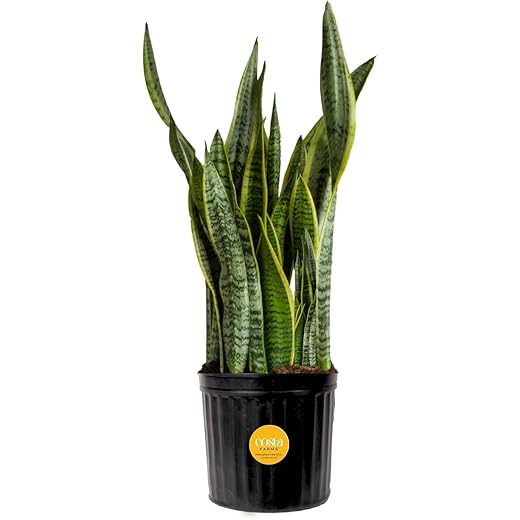



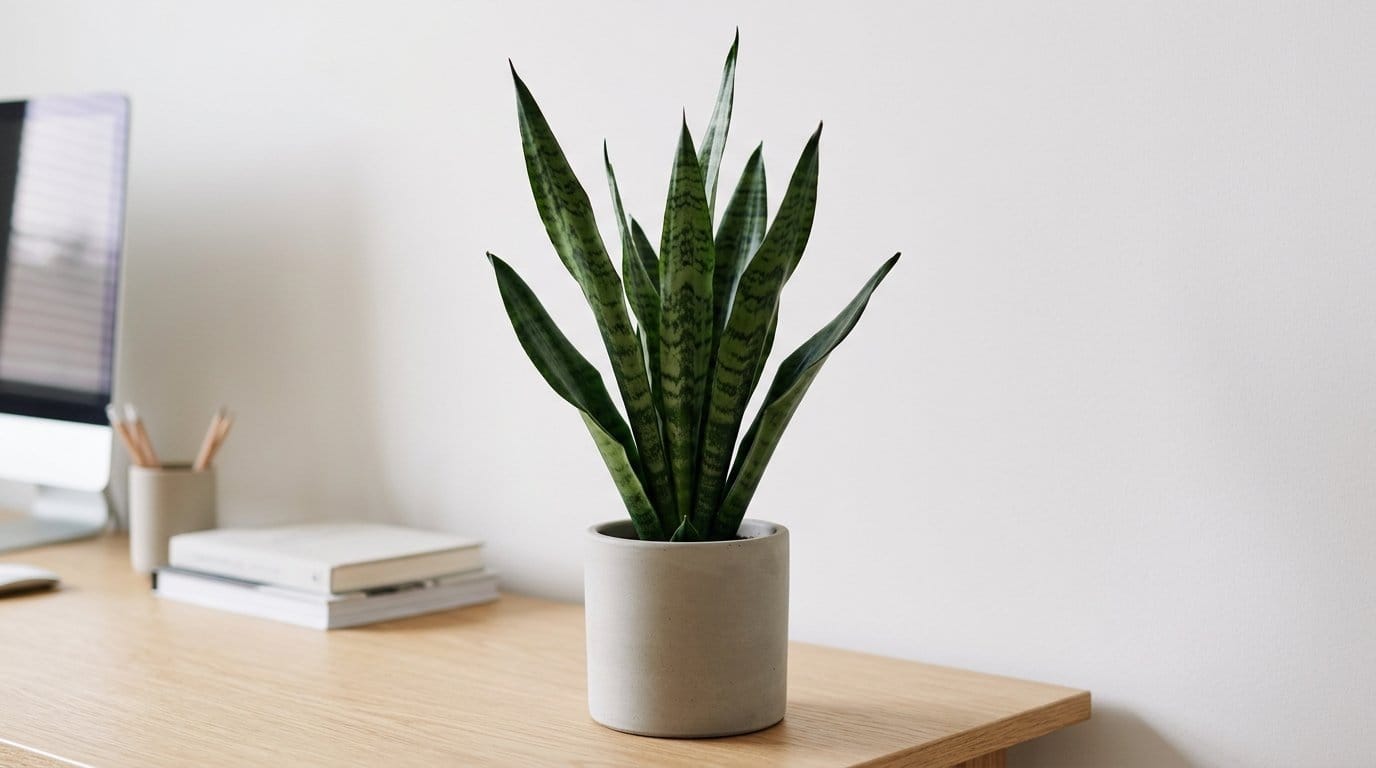
Snake Plant — Architectural Low-Light Accent
We found this cultivar to be one of the most forgiving houseplants — virtually indestructible in low light and busy environments. Its upright, architectural leaves make it useful as both decor and a low-effort air-purifying plant.
Why we recommend this for offices and homes
The Snake Plant is a go-to when you want a big visual impact with minimal care commitment. We appreciate its upright leaves that read almost like modern sculpture, which makes it useful for corners, reception areas, or next to a credenza where light is limited. For someone who wants greenery that mostly looks after itself, it’s reliable.
Key features and things we liked
Practical limitations and care notes
It’s not a fast grower, so if you want immediate lush coverage you’ll need multiple plants. Overwatering is the most common cause of issues; we recommend letting the top 2–3 inches of soil dry before watering. Temperature extremes in transit can sometimes stress specimens, so place them in a stable indoor spot immediately after delivery. Overall, it’s an economical, high-impact option in the current market for low-light spaces.
ZZ Plant — Glossy Low-Light Survivor
We like this for desks and windowless offices where other plants fail — it tolerates very low light and long dry periods. Its glossy, sculptural leaves keep a neat silhouette that reads as intentionally designed rather than neglected.
Why we like it in low-light office setups
The ZZ plant is essentially the "vacation-proof" office plant: it tolerates neglect, dim corners, and inconsistent watering schedules without immediately declining. We find it pairs well with modern furniture and works as a low-effort focal point on a credenza or small table.
What sets this variant apart
Limitations and buying tips
Quality on arrival can vary — we've seen some shipments with soggy or compacted soil and others that are robust and ready to display. When you receive one, check for overly wet soil or root-bound conditions and repot within a few weeks if necessary. In terms of market context, it’s a widely available, resilient choice that often offers the best uptime for offices with minimal natural light.
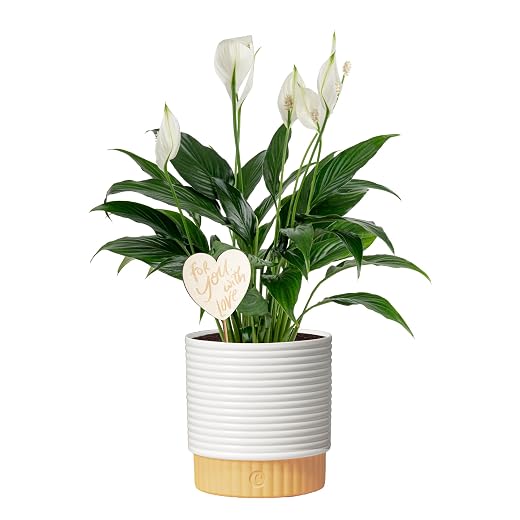
Peace Lily — Blooming Low-Light Houseplant
We value this for offices that want both foliage and seasonal white blooms without bright sun. It reliably signals thirst by drooping and perks up quickly after watering, which is useful in shared workplaces.
Where this plant fits in an office
The Peace Lily sits between decorative and functional: it supplies glossy green leaves while giving periodic white spathes that brighten a room. We think it’s an excellent receptionist plant or a centerpiece for a conference table where indirect bright light is available.
Features and benefits that matter
Limitations and practical advice
If you want frequent blooms, situate it in bright, indirect light and avoid overwatering — standing water will cause root problems. Also note that it’s toxic to pets, so office owners should place it out of reach or advise coworkers accordingly. In the current market it’s a tasteful, mid-cost way to add both foliage and seasonal flowers to low-light interiors.
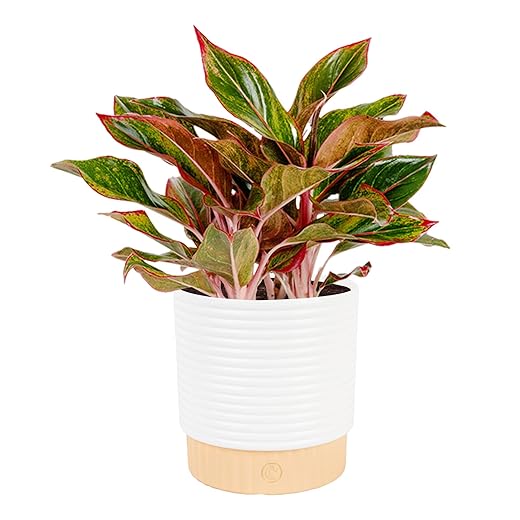
Chinese Evergreen — Colorful Low-Light Foliage
We like it when an office needs a splash of color without increased light demands — its patterned leaves do the heavy lifting. It’s easy to care for and versatile on desks or side tables.
How this plant fits into modern interiors
Chinese Evergreen (Aglaonema) brings pattern and color to spaces that can’t support sun-loving plants. We find its leaves read as intentional design touches, especially when paired with warm woods or matte planters in office settings.
Design and care highlights
Shipping quirks and practical tips
Some buyers report that the nursery pots used during propagation are left in place under the soil; if you encounter that, remove the mesh or pots carefully to avoid root damage. It’s not the fastest grower, but as a premium-looking, low-effort plant it fills a niche between decorative appeal and practical resilience.
Pothos 4-Pack — Trailing, Fast-Growing Greens
We like this four-pack for rapid coverage and easy propagation; it’s one of the fastest ways to introduce hanging greenery to an office. The mix of varieties gives immediate visual interest and multiple planting or gifting options.
Why this pack works in offices and shared spaces
Pothos is the easy-to-grow trailblazer of interior plants: it tolerates lower light, bounces back from pruning, and roots readily from cuttings. Buying a multi-pack gives you instant options — hang some, shelf some, or train vines around a monitor stand for a lived-in, verdant look.
Practical features we appreciated
Caveats and handling advice
Expect variation: some shipments include philodendron cuttings in place of pothos, and root quality can vary between batches. When a plant shows soft or musty soil on arrival, we recommend gentle repotting into fresh, well-draining mix and treating for fungus gnats if needed. For teams or offices that want the most greenery for the budget, few options beat a pothos multi-pack.
Heart-Leaf Philodendron — Easy Trailing Vine
We value this for its simplicity and classic heart-shaped leaves that thrive in low light. It’s a reliable, easily propagated vine that suits hanging baskets or shelf cascades.
Where the Heart-Leaf Philodendron shines
This is the archetypal trailing houseplant — forgiving, fast to vine, and visually softening when draped from shelves or planters. We appreciate how quickly it roots from cuttings, which makes it a great plant to expand a collection without extra cost.
Features and care we recommend
Shipping reality and long-term expectations
Many orders arrive as small rooted cuttings, so patience is required if you want immediate coverage. For desk or office gifting, the small size is often a benefit — recipients can place it in tight spaces. Over a few months with basic care, these will grow into forgiving, attractive vines that bring consistent greenery to low-light interiors.
Cast Iron Plant — Hardy Low-Light Evergreen
We recommend this for hallways, lobbies, and shaded patios where durability matters more than speed of growth. It’s built to handle neglect and low light with a robust, evergreen presence.
Why choose a Cast Iron Plant for office environments
The Cast Iron Plant lives up to its name: it’s one of the most durable choices for dim corners, basements, and shaded patios. We often recommend it where other plants repeatedly fail, because its broad evergreen leaves sustain a strong visual presence without fuss.
Practical features and use cases
What to expect and how to handle arrival issues
Some shipments arrive slightly rootbound or with compacted soil; when that happens we advise a gentle repotting into a well-draining, aerated mix to encourage recovery. It’s not a fast filler — plan for steady, long-term growth rather than instant coverage. For offices that prioritize resilience over rapid growth, this remains one of the strongest choices on the market.
Variegated Spider Plant — Trailing Air-Purifier
We recommend it for shelves, hanging baskets, and windowsills where trailing foliage livens the space. It’s fast to produce babies and forgiving of typical office conditions.
Why the Spider Plant remains a staple
Spider plants are one of the most reliably fast growers in low to moderate light, and their cascading habit is perfect for vertical interest and softening shelves or cabinets. We often recommend them for shared spaces because they root easily and can be split to make multiple plants.
Practical advantages we observed
Things to watch for and setup tips
Leaf tip damage from tight packaging is common on arrival; trim brown tips and allow the plant to stabilize before moving it. If it’s rootbound, repot into a slightly larger container with light, well-aerated soil. For offices seeking quick, inexpensive green coverage, a variegated spider plant is an enduring, low-risk option.
Final Thoughts
We recommend the Snake Plant as our top pick for most low-light offices. Its upright, architectural leaves read intentional and polished. It tolerates erratic watering, minimal light, and still acts as a clean, low-maintenance accent in open-plan workspaces, lobbies, or a manager’s office where a strong vertical form helps define a spot.
For windowless desks and truly forgetful caretakers, the ZZ Plant is the best secondary pick. Its glossy, sculptural leaves keep a neat silhouette even under fluorescent tubes, and it thrives with long dry periods. Choose the ZZ when you want a compact, design-forward presence that looks curated rather than neglected.
FAQ
Will any of these survive in a windowless office?
Yes. The ZZ Plant is our go-to for truly windowless conditions — it tolerates very low light and long gaps between waterings. Snake Plant and Pothos also do well under low artificial light, but they’ll look best if the office gets at least a few hours of indirect light or a strong overhead light source.
We travel for work a lot. Which plant is least needy?
Snake Plant and Cast Iron Plant are the most forgiving. Both can go weeks without water and bounce back quickly. Put them in a slightly larger pot to extend the time between waterings and avoid saucers that hold standing water.
Are any of these plants pet-friendly or toxic?
A quick safety note: many common office houseplants (including Snake Plant, ZZ Plant, Philodendron, and Pothos) contain compounds that can be toxic if ingested by pets. Peace Lily is also toxic. If coworkers bring pets or kids into the office, favor high placement (shelves, hanging baskets) or choose non-toxic alternatives after checking with your vet.
How do we keep trailing plants from turning into a jungle mess?
Treat trailing plants—Pothos, Philodendron, and Spider Plant—like modular design elements. Prune to shape monthly, rotate pots for even growth, and tuck longer vines into planters or macramé hangers to control the visual flow. They’re easy to propagate, so a routine trim becomes free decor or an office gift.
Do office plants really improve air quality or productivity?
Short answer: modest benefits. Indoor plants can improve perceived air quality and reduce stress, which helps focus. The hard evidence for large-scale air purification in typical offices is limited, but the psychological and aesthetic benefits are real — a well-placed plant improves how a space feels, and that matters for morale and perceived productivity.
We want color or patterns. Which low-light pick looks least boring?
Chinese Evergreen brings patterned leaves without needing more light. Variegated Spider Plant and certain Pothos varieties also add visual interest and motion from their trailing growth. These are the best ways to add personality while keeping care simple.

Princess Rioboca is the Lead Editorial Writer at Option Cutter, bringing over seven years of hands-on experience in consumer technology journalism. Specializing in home networking and smart home architecture, she transforms complex technical data into practical, real-world upgrades. Princess personally tests and audits every product she reviews—evaluating real-world Wi‑Fi throughput, cable management durability, and streaming ecosystem stability—to filter out spec-sheet noise. Her rigorous, field-tested insights are designed to give readers transparent, unbiased buying advice on what to purchase, what to skip, and exactly why.