

We’re weighing whether auto-empty bases are worth the premium—do they actually free us from daily maintenance and integrate smoothly into our smart-home ecosystems, or are we paying for gimmicks when a manual bin still wins on simplicity, cost, and long‑term reliability?
Tired of emptying dustbins? We test whether a self‑emptying base actually earns its premium by pitting iRobot’s Roomba j7+ (self‑emptying) against the budget, renewed eufy RoboVac 11S (manual empty). We focus on daily convenience, cleaning tradeoffs, and who saves time.
Hands-Free Winner
We found the combination of PrecisionVision navigation and the enclosed Clean Base compelling: it actually reduces the amount of time you spend fiddling with the robot. The trade-offs are price and occasional software/sensor quirks that can interrupt otherwise hands-free operation, but for households that value true autonomy the convenience often outweighs the drawbacks.
Budget Pick
We appreciate how little attention this vacuum demands for straightforward daily cleaning: it’s slim, quiet, and effective on hard floors. But it’s a deliberate contrast to auto-empty systems — you trade hands-off convenience for a much lower price and simpler feature set.
iRobot Roomba j7+
eufy RoboVac 11S
iRobot Roomba j7+
eufy RoboVac 11S
iRobot Roomba j7+
eufy RoboVac 11S
How Auto‑Empty Changes the Day‑to‑Day
What auto‑empty actually removes
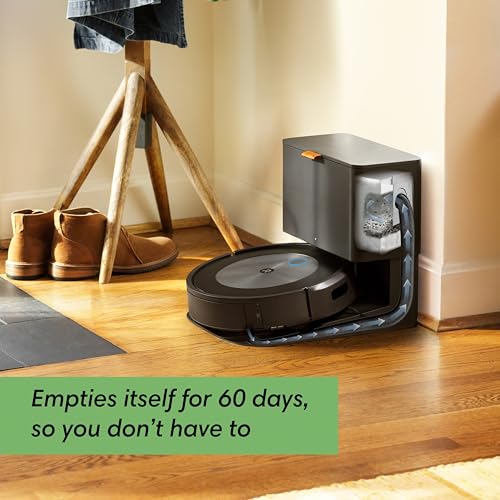
We stopped counting the times we had to open a dustbin and cough into the trash. With the Roomba j7+ and its Clean Base, emptying becomes an occasional chore — iRobot claims up to 60 days between bag changes in typical homes. The eufy 11S, by contrast, has a 0.6 L dustbin that we empty after every 1–3 runs depending on pet hair and debris.
Daily hygiene and mess handling
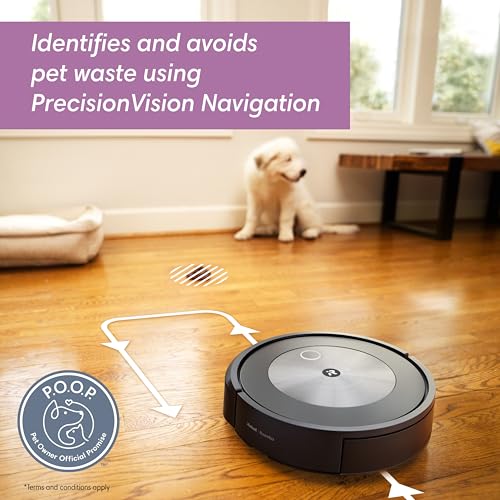
Auto‑empty removes the small, frequent contact with dust that piles up in manual bins — important if anyone in the house has allergies. The j7+’s enclosed bag keeps dust contained; we also appreciate its camera-based avoidance for pet accidents, which reduces gross, hands‑on cleanups. The 11S is slim and quiet, excellent for light daily pickup, but when hair or crumbs fill the bin you’re back to physically dumping allergens.


Failure modes we need to plan for
Autonomy isn’t infallible. Self‑empty bases can jam, bags run out, or sensors hiccup — meaning a day without emptying can become a day fixing a base. Manual units fail simpler: reduced suction as the bin fills, brush tangles, and more frequent human intervention. Both require filter and brush maintenance; the difference is cadence and where the workload lands.
When auto‑empty is worth it
Auto‑empty pays off in multi‑pet homes, allergy households, and busy people who value hands‑off weekends. It’s overkill if you live alone, have light traffic, or want the cheapest, lowest‑tech solution. In short: auto‑empty trades money and occasional base maintenance for months of reduced daily fuss.
Feature Comparison


Cleaning Performance: Suction, Navigation, and Object Avoidance
Suction and carpet lift
We compare outcomes, not specs: the eufy 11S’ 1300Pa motor and slim profile make it excellent at quick daily pickups on hard floors and low‑to‑medium pile rugs. Its BoostIQ bursts up when it senses resistance, so it feels punchy for crumbs and tracked‑in grit — but it struggles with deeply embedded dirt and long pet hair on medium‑pile carpets, often needing two passes.
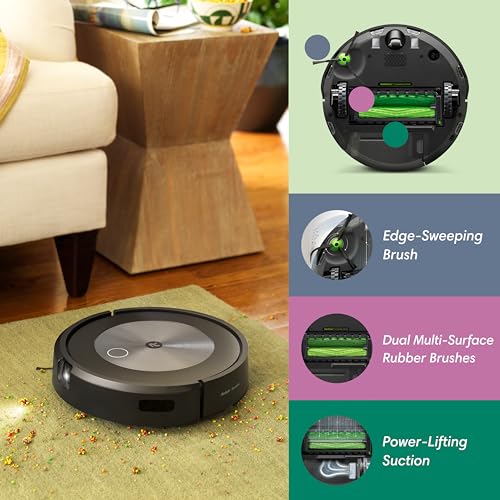
By contrast, the j7+’s real‑world performance feels more powerful than its headline numbers suggest. The dual rubber brushes and stronger airflow pull more hair and trapped grit in a single run, particularly on medium‑pile carpet; we saw fewer tangles and less repeat work.


Navigation and mapping
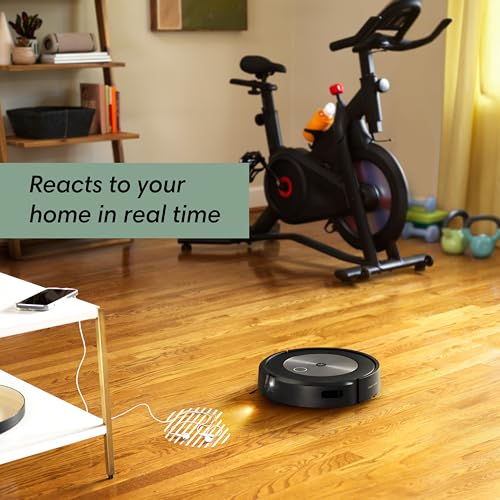
Navigation is where the gap widens. The j7+ uses PrecisionVision and Imprint Smart Mapping to learn rooms and plan efficient routes; it rarely misses corners or re‑cleans the same spot. That smart routing reduces total run time and repeat passes in multi‑room homes.
Edge work and real‑world debris
For edge cleanup, the j7+’s edge‑sweeping brush plus planned passes wins corners and baseboards more consistently. The 11S’ slim chassis lets it reach under low furniture better, but its side brushes and simpler pathing leave more debris along walls and room thresholds unless you run it frequently.
Obstacle handling and intervention
Obstacle handling is decisive: the j7+ recognizes socks, cords, and even pet waste and avoids them — that means fewer gross manual interventions and fewer aborted runs. The 11S’ IR sensors are fine for avoiding drops and big furniture, but small dropped items still force human intervention or a re‑run. In daily life that reliability difference is the practical benefit of smarter navigation.
Design, Usability, and Maintenance: Daily Life and Long‑Term Upkeep
Emptying and daily ergonomics
We look at the interaction you’ll have every week. The j7+’s Clean Base truly removes a recurring chore: the robot empties itself into an enclosed bag that iRobot rates for up to 60 days. That convenience matters if you hate dusty bins and frequent stops. Tradeoffs: the base cycles loudly when emptying and you’re tied to proprietary dirt bags that must be bought and replaced.
The eufy 11S is the opposite: a slim, 0.6 L dust bin you pull out and hand‑empty. It’s fast and low‑friction for light use, but in pet homes or heavy‑traffic areas you’ll empty multiple times per week.
Noise, form factor, and build quality
The 11S wins for stealth and low profile — it slips under low furniture and runs almost silently. The j7+ is bulkier (and heavier) but feels more robust: rubber brushes, solid build, and a camera array add weight and complexity. The Clean Base’s emptying cycle is the single loud moment in an otherwise normal run.
App experience and ecosystem
iRobot’s app gives mapped rooms, scheduled zones, voice‑assistant routines, and proactive alerts — that mapping reduces micromanagement. Eufy’s 11S (especially renewed units) relies on a simple remote/firmware and lacks modern cloud features; refurbished models also carry shorter warranties and uncertain future updates.
Maintenance cadence and consumables
Routine upkeep is similar in tasks but different in cost friction:
Why it matters: auto‑empty shifts effort into predictable consumable costs and occasional noisy cycles, while manual emptying saves money but demands more frequent hands‑on attention. We weigh which friction you’d rather pay for.
Cost, Value, and Ecosystem: Which Is Worth It?
Sticker price vs ongoing cost
We look at straight dollars: the Roomba j7+ sits at the premium end (~$780) and bundles the Clean Base so you rarely touch the bin. The renewed eufy 11S is about $100 new‑ish value on Amazon and requires frequent manual emptying. That gap isn’t just upfront — it reflects different cost models: sealed dirt bags and proprietary filters for the j7+ vs washable filters and no bags for the 11S.
Consumables and lifespan
Auto‑empty shifts cost into predictable consumables (dirt bags, periodic filters). Manual emptying saves cash but increases chores and potential wear from more frequent handling. Both robots will need brushes and batteries replaced over multiple years; iRobot’s parts and official channels make long‑term maintenance easier, which matters if you plan to keep a robot 3–5+ years.
Software, privacy, and resale
The j7+ runs iRobot OS, supports maps, voice assistants, and regular firmware updates — that improves utility and resale value but means maps and images go through iRobot’s cloud. The 11S (renewed) is simpler: limited cloud features, fewer updates, and a shorter warranty window — lower long‑term software assurance and resale appeal.
Who this makes sense for
We weigh predictability and convenience (pay for lower friction) against low cost and straightforward hardware (pay in time and hands‑on maintenance). Choose based on whether you value time and integration more than savings.
Final Verdict — Who Should Buy Which
We pick the Roomba j7+ as the clear winner for households that value near‑hands‑off operation, robust obstacle avoidance, and strong support: its PrecisionVision navigation, self‑empty base for up to 60 days, and iRobot ecosystem make daily maintenance nearly invisible — worth the premium if you want reliable cleaning, fewer surprises from pet messes, and voice/app integrations that actually save time. The j7+ is a design and UX leap in the current market and justifies its price for busy homes or pet owners.
Choose the renewed eufy 11S if budget, a slim profile to reach under furniture, and quiet operation matter more than automation. It’s a pragmatic, low‑cost option with modest navigation and manual emptying — great for small apartments or secondary jobs. Ready to go hands‑off, or happy to empty the bin yourself? We recommend the j7+ for most busy or pet households.

Chris is the founder and lead editor of OptionCutter LLC, where he oversees in-depth buying guides, product reviews, and comparison content designed to help readers make informed purchasing decisions. His editorial approach centers on structured research, real-world use cases, performance benchmarks, and transparent evaluation criteria rather than surface-level summaries. Through OptionCutter’s blog content, he focuses on breaking down complex product categories into clear recommendations, practical advice, and decision frameworks that prioritize accuracy, usability, and long-term value for shoppers.