Why ANC Matters on Long-Haul Flights
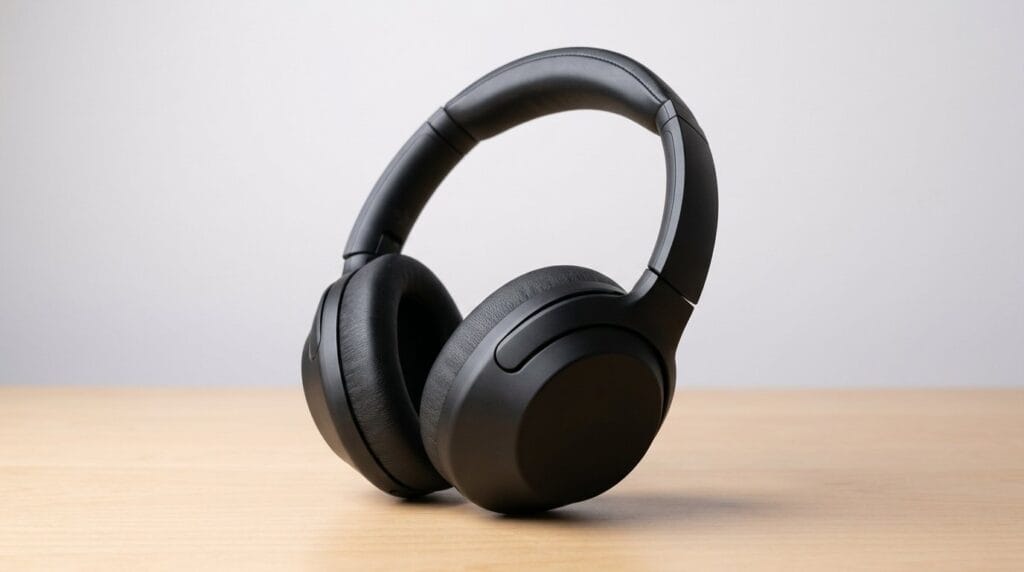
We know ANC can cut cabin noise dramatically — enough to save sleep or productivity on long flights. Our guide focuses on the real trade-offs: comfort, battery, connectivity, and ecosystem integration so you buy well.
What We Need to Decide
We need

Top ANC Headphones You Need in 2024
Define Your Flight Priorities
Noise canceling isn't one-size-fits-all — what do we really need at 35,000 feet?Clarify what “good” means for our long-haul habits. Decide whether we’re buying primarily to sleep, watch in-flight movies without lip‑sync, work on conference calls, or skimp on carry-on space. That choice drives every other trade‑off.
List our top three priorities and pair them with concrete features
Check which devices we’ll pair most often — iPhone, Android, or laptop — and note codec and ecosystem needs (AAC, aptX codecs, Apple H1/Google Fast Pair). For example, if we mainly use an iPhone, seamless switching and AAC performance matter more than LDAC. Narrowing priorities like this reduces dozens of models to a manageable shortlist in our how-to guides workflow — test comfort, ANC, battery, and real‑world usability on a long flight.

Evaluate Active Noise Cancellation Performance
Can the ANC actually drown out engine roar without turning music into mush?Compare ANC architectures to understand what each does in a real cabin. Feedforward mics sit outside the earcup and catch noise early—useful for fluctuating mid/high chatter but vulnerable to wind. Feedback mics sit inside and correct what actually reaches our ear, which helps tame low-end leaks. Hybrid ANC combines both and usually gives the widest suppression of aircraft engine drone — see noise-cancelling headphones for how feedforward and feedback mics differ.
Prefer adaptive or adjustable ANC settings. Aggressive, one‑size‑fits‑all ANC can create a pressure sensation or squash musical dynamics; having modes lets us dial back cancellation for music or crank it up for sleep.
Check these things before buying
Imagine switching modes mid‑flight: strong low‑end cancellation for sleeping, gentler ANC for movies. That flexibility matters more in today’s crowded market than a single “best” ANC claim.
Prioritize Comfort and Fit for Long Hours
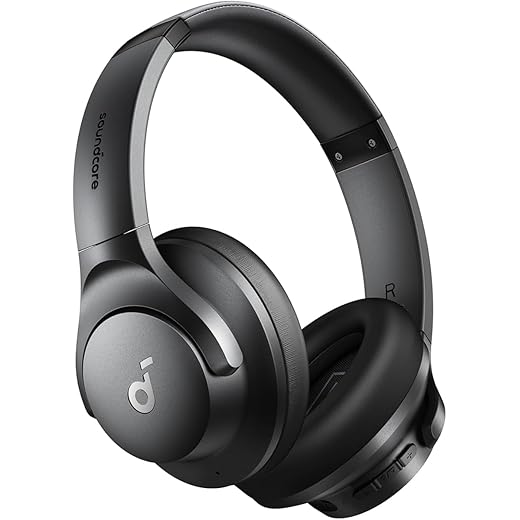
Comfort beats specs — we’ll explain why plush pads and clamping force matter more than millimeters of foamCheck headband pressure distribution. Feel how padding spreads weight across the crown; a thin metal band that pinches after an hour ruins a 12‑hour flight.
Measure clamping force. Squeeze the cups onto your head and simulate leaning; too tight gives temple pain, too loose leaks noise and slides during naps.
Choose over‑ear cups with a good seal. Prefer large earcups and memory‑foam pads for passive isolation and a consistent ANC seal—this matters more than tiny gains in spec sheets.
Opt for breathable pad materials. Select velour or perforated leather for heat dissipation; we’ve woken up sweating with dense synthetic pads on red‑eyes.
Test for pressure points behind ears. Tilt and rotate the cups while seated to find hotspots; try wearing sunglasses or eyeglasses for a realistic stress test.
Look for practical travel features on flight-ready over-ear models. Favor folding hinges, a compact case, and replaceable pads/components to extend lifespan and value.
Prefer simple tactile controls. Choose one‑touch play/pause and clearly raised buttons so we can operate them groggy or half asleep.
Assess Battery Life, Charging, and Connectivity
Is 20 hours enough? How fast charging and multipoint change the travel gameAssess battery life as a hard constraint on over-ear ANC models. We treat dependable 25+ hours real‑world (ANC on) as the baseline for overnight transoceanic flights plus layovers; prioritize measured runtimes from reviewers over manufacturer peak claims.
Look for fast‑charge support. Prefer models that give several hours of playback from a 10–15 minute top‑up—those short airport layovers matter.
Check physical and wired options. Insist on USB‑C PD for reliable charging and a wired pass‑through/analog cable for in‑flight entertainment on planes that still use jacks. Test wired audio latency if you plan to use plane screens.
Prefer multipoint Bluetooth on noise-cancelling headphones. Keep our phone and laptop simultaneously connected so calls and movies don’t require re‑pairing.
Evaluate codecs and ecosystem fit across headphones and your phone. Match AAC for Apple devices and aptX/LDAC for Android when possible to reduce latency and improve clarity.
Review firmware cadence and app quality. Favor brands that push meaningful updates—real‑world battery optimization and ANC tuning often arrive after launch and materially improve the flight experience.

Weigh Additional Features and Brand Ecosystem
Smart features can elevate a flight — or bloat the experience. What’s worth paying for?Assess extras—adaptive ANC, spatial audio, customizable EQ, onboard controls, touch gestures, and noise‑suppressing mics—and decide if they materially improve in‑flight life. Focus on real benefit, not feature creep.
Prioritize adaptive ANC and a solid transparency mode; they reduce aircraft cabin rumble and let us hear announcements without removing headphones. Treat spatial or “3D” modes as nice for movies, but gimmicky for passengers who want to sleep.
Check app stability and ecosystem fit. Test pairing with our phone and laptop, confirm multipoint switching, and inspect the travel case for fit and durability. Prefer brands that push firmware updates and make repair parts available—warranty and repairability matter for frequent flyers.
Compare price tiers and match to traveler type
Balance cost versus polish: budget ANC earbuds now deliver competent cancellation; midrange gives the best feature-to-comfort ratio; flagships still lead on ANC refinement and seamless ecosystem integration.
Choose with Confidence
We’ve weighed priorities, ANC behavior, comfort, battery life, and ecosystem integration to choose headphones that cut fatigue, improve sleep, and match our devices and workflows; design and platform fit determine long‑haul value; which pair do we take?
Frequently asked questions
What should I prepare before I choose anc headphones for long-haul flights?
Start with the checklist in the “What we’ll need” section above—measure your space, confirm compatibility with your gear, and read the full walkthrough once before you change settings or buy parts. Anc headphones goes faster when prep is done upfront.
How long does it take to choose anc headphones for long-haul flights?
Most readers finish in about 30–90 minutes if they already have the right parts, but budget extra time for measurements, firmware updates, or a second pass when something does not behave the way the manual suggests on the first try.
What is the hardest part when you choose anc headphones for long-haul flights?
The step that trips people up is usually alignment or configuration—getting measurements, cable routing, or software settings right before you commit. If results still look off, re-check the basics in order instead of swapping hardware immediately.
What mistakes should I avoid when I choose anc headphones for long-haul flights?
Skipping measurements, ignoring ventilation or port limits, and rushing the final test are the common failures. Photograph your starting setup, label cables, and verify the outcome with the same content or workflow you will use every day—not a one-off demo.
When should I call a pro instead of trying to choose anc headphones for long-haul flights myself?
Bring in help when the job needs structural work, licensed wiring, or tools you do not own, or when repeated attempts still fail after you have followed the troubleshooting section. A short paid visit can cost less than replacing gear you damaged by forcing the install.

Princess Rioboca is the Lead Editorial Writer at Option Cutter, bringing over seven years of hands-on experience in consumer technology journalism. Specializing in home networking and smart home architecture, she transforms complex technical data into practical, real-world upgrades. Princess personally tests and audits every product she reviews—evaluating real-world Wi‑Fi throughput, cable management durability, and streaming ecosystem stability—to filter out spec-sheet noise. Her rigorous, field-tested insights are designed to give readers transparent, unbiased buying advice on what to purchase, what to skip, and exactly why.