Why picking travel headphones actually matters
We test and compare headphones for travel so we can choose the right balance of comfort, noise control, battery life, and ECOSYSTEM compatibility. This practical guide helps us avoid paying for features that don’t survive airports, flights, or daily commutes.
What we need to decide

Choosing the Right Headphones: A Quick, Honest Guide
Start with where and how we travel
Are we red-eye warriors or weekend wanderers? Your travel style decides the features that actually matter.Define where and how we travel before we look at specs. Ask: are we taking long-haul flights, daily noisy commutes, or short city breaks with minimal carry-on? — start with our long-flight ANC picks if red-eyes are your norm. That choice changes everything—comfort, ANC, battery, and size matter in different ways.
Identify the profile that matches our trips
Check practical constraints: test airline inflight-audio compatibility using FAA portable electronic device guidance, measure folded bulk against carry-on space, and decide how much weight we’ll tolerate. From a design perspective, brands now segment aggressively—some chase luxurious materials and expanded ANC modes; others chase tiny form factors and app-led feature sets. That market split matters: battery hours and headline specs mean less if a brand’s app, codec support, or firmware cadence doesn’t integrate with our phones and laptops. Map our travel habits, prioritize the two or three features that solve our biggest pain points, and use that map to rule out models that look great on paper but don’t fit our trips.

Pick the shape that fits our journey
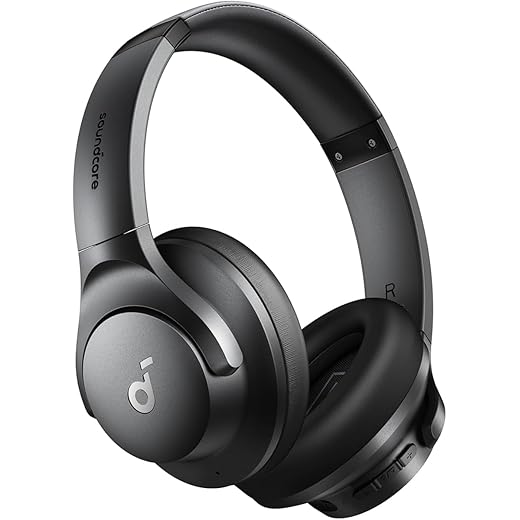
Over-ears for lounge comfort? Compact buds for carry-on minimalists? Don’t pick a shape you’ll regret.Pick a form factor first—it’s the fastest way to filter options and match real travel trade-offs. Choose over-ear for long-haul comfort and fuller sound; expect bulk, added weight in carry-ons, and more risk of scuffs without a rigid case. Consider on-ear for a middle ground, but test for clamping and ear pressure on red-eyes. Favor in-ear or true wireless when packing space rules, but test multiple tips—poor seal kills bass and passive isolation and makes ANC effectively useless — a trade-off we compare in earbuds vs headphones for travel.
Test seals and remember ergonomics—clamps, headband padding, swivel hinges change comfort across multi-hour stints.

Decide how much silence we actually need
ANC isn’t always king—sometimes passive isolation wins. How much silence do we really need?Assess ANC realistically: treat it as a trade-off, not a magic fix. ANC excels at cutting steady low‑frequency hums—airplane engines and hotel AC—but struggles with variable human speech and sudden clanks; CDC noise-induced hearing loss prevention explain why steady cabin rumble is easier to cancel than chatter.
Test for side effects: toggle modes because aggressive ANC can create a pressure sensation or dull high‑end detail; prefer adaptive profiles on commutes or long flights — the same ANC tuning questions in our long-haul ANC guide.
Try this quick checklist when auditioning headphones

Match sound to our devices and content
Do we stream lossless or binge shows? Codec compatibility and the ecosystem change everything.Match sound expectations to the devices and media we use: Apple gear often feels smoother with AAC and tight system integration on AirPods; Android users can get measurable gains with aptX or LDAC on wireless headphones, and true lossless needs both a capable codec and driver support.
Prefer real‑world tuning over raw specs: audition V‑shaped headphones if we want punch for in‑flight movies, or neutral signatures to hear orchestral detail and dialogue clarity for podcasts.
Use companion apps and low‑latency modes to improve UX: EQ presets, travel profiles, and a game/movie mode matter more than advertised frequency ranges.
Pair devices and run quick tests before buying: check codec support, do a mic call test, evaluate soundstage depth on a movie clip, and confirm multipoint/seamless switching if we juggle phone, tablet, and laptop.
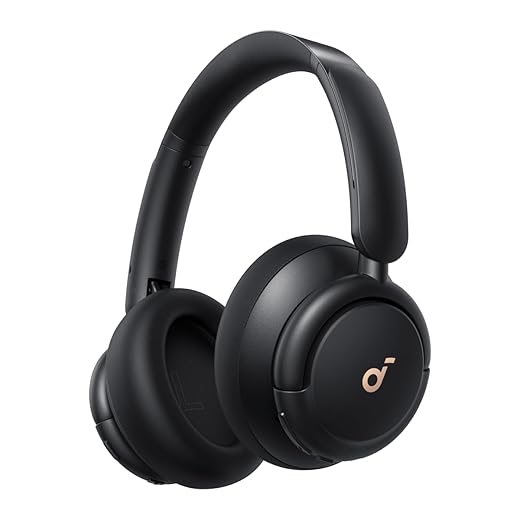
Prioritize battery life and seamless pairing
Nothing kills a trip faster than dead batteries or flaky Bluetooth — prioritize battery and pairing.Prioritize battery life and pairing: on trips, battery and connectivity govern the day more than a slightly better sound signature. Trust real‑world runtimes—measure with ANC on and moderate volume rather than marketing numbers.
Seek quick‑charge that gives hours from a 10–15 minute top‑up, and prefer USB‑C over proprietary ports for reliability and easy cable swaps — follow our USB‑C charging guide when you pack cables. Demand true multipoint Bluetooth so our phone and laptop stay connected, and a reliable low‑latency mode for video calls or in‑flight movies.
Keep a wired fallback (3.5mm or USB‑C) for long flights and flaky IFE systems — pack a cable from headphone accessories if your airline jack still matters. Favor simple physical buttons or clear gesture schemes that work with gloves—complex touch sequences break during layovers and wind.
Balance cost with longevity and support
Cheap today, costly mid-trip? We test durability, warranty, and resale to avoid surprises.Weigh price against build and support — a premium model can save us headaches if it offers replaceable earpads, a robust hinge, a durable case, and a clear warranty — read the FTC service contract coverage basics before you assume travel abuse is covered.
Prefer brands that push meaningful ANC or codec improvements via firmware; software updates extend value more than a slight initial sound advantage.
Check resale value and repairability by favoring modular designs or common battery types that are easier to service.
Create a three‑tier shortlist to clarify which trade‑offs — sound, ANC, or portability — we’ll accept.

Pick the pair that fixes your travel problems
We’ve mapped a practical route: define our travel needs, choose form factor, weigh ANC and sound ecosystem, verify battery and seamless pairing, and balance price with durability — browse more how-to guides and our travel headphone Top Picks before you buy. Shortlist models, test fit and codecs, then pick what truly improves travel—now ready?
Frequently asked questions
What should I prepare before I choose the right headphones for travel?
Start with the checklist in the “What we’ll need” section above—measure your space, confirm compatibility with your gear, and read the full walkthrough once before you change settings or buy parts. Right headphones goes faster when prep is done upfront.
How long does it take to choose the right headphones for travel?
Most readers finish in about 30–90 minutes if they already have the right parts, but budget extra time for measurements, firmware updates, or a second pass when something does not behave the way the manual suggests on the first try.
What is the hardest part when you choose the right headphones for travel?
The step that trips people up is usually alignment or configuration—getting measurements, cable routing, or software settings right before you commit. If results still look off, re-check the basics in order instead of swapping hardware immediately.
What mistakes should I avoid when I choose the right headphones for travel?
Skipping measurements, ignoring ventilation or port limits, and rushing the final test are the common failures. Photograph your starting setup, label cables, and verify the outcome with the same content or workflow you will use every day—not a one-off demo.
When should I call a pro instead of trying to choose the right headphones for travel myself?
Bring in help when the job needs structural work, licensed wiring, or tools you do not own, or when repeated attempts still fail after you have followed the troubleshooting section. A short paid visit can cost less than replacing gear you damaged by forcing the install.

Princess Rioboca is the Lead Editorial Writer at Option Cutter, bringing over seven years of hands-on experience in consumer technology journalism. Specializing in home networking and smart home architecture, she transforms complex technical data into practical, real-world upgrades. Princess personally tests and audits every product she reviews—evaluating real-world Wi‑Fi throughput, cable management durability, and streaming ecosystem stability—to filter out spec-sheet noise. Her rigorous, field-tested insights are designed to give readers transparent, unbiased buying advice on what to purchase, what to skip, and exactly why.