

Class-leading ANC and wider soundstage — a real upgrade for travelers, if you can stomach $399.
Ever tried to nap on a plane only to realize you’re auditioning for a wind turbine? We’ve spent enough cramped red-eyes and noisy commutes to know the two things people actually want from premium headphones: silence and sound that doesn’t make you squint. The Bose QuietComfort Ultra Bluetooth Headphones (2nd Gen) promise both — class-leading ANC, a surprisingly wide soundstage with Bose Immersive Audio, and a lossless wired option — all for $399 and a solid 9.2 from our tests.
What’s changed matters: Bose didn’t just chase louder bass or feature bloat — they tightened the experience around comfort, ecosystem polish, and real-world use. The lightweight fit and app-driven CustomTune personalization make long-haul listening painless, while USB-C lossless audio and Bluetooth 5.4 multipoint keep these relevant in a market crowded with similarly specced rivals. There are caveats — immersive modes can feel gimmicky for some tracks and the volume slider takes getting used to — but for frequent flyers and serious listeners, this is a meaningful refinement, not just a spec-sheet update.
Bose QuietComfort Ultra Headphones (2nd Gen)

We found these headphones deliver the quietest, most refined listening environment in their class while adding spatial tricks that make movies and orchestral tracks more engaging. They’re not cheap, but the combination of ANC, comfort, and lossless wired audio makes them a strong choice for frequent flyers and serious listeners.
Bose QC Ultra Headphones (2nd Gen) Review: Really? That’s It…?
Overview
We approached the QuietComfort Ultra (2nd Gen) expecting incremental improvements; what we encountered is a package that tightens Bose’s strengths — noise cancellation and comfort — while pushing spatialized audio into the mainstream. This model focuses not just on quieter listening but on reshaping where sound lives around you: a forward-facing Immersive Audio stage, a Cinema Mode for video, and CustomTune that adapts to your ears. In practice, that means quieter flights, fuller-sounding movies, and music that reveals new detail without forcing you to chase fidelity hacks.
Design and comfort: not flashy, but thoughtful
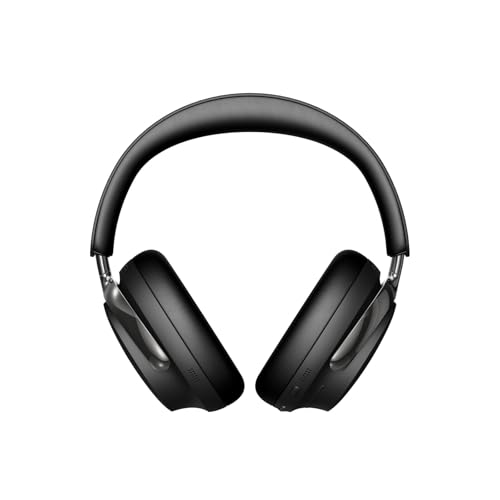
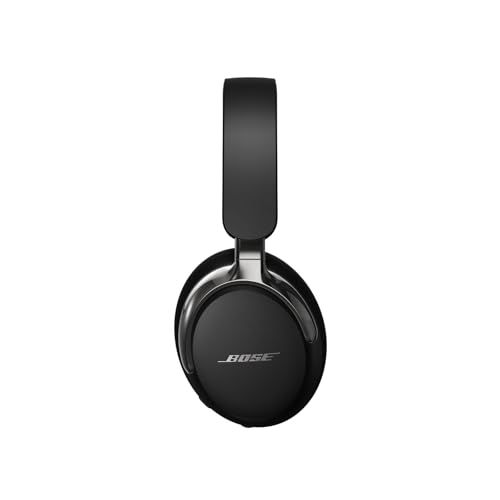
Bose’s design language here is understated. Polished metal joins soft synthetic cushions and a headband geometry designed to distribute pressure evenly. The headphones are light for their category and they wear like something meant for marathon flights rather than fleeting commutes.
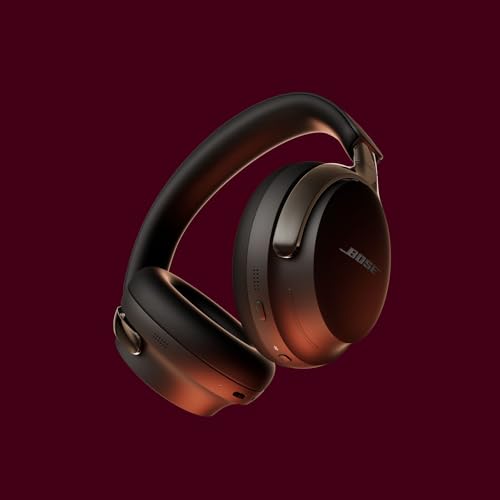
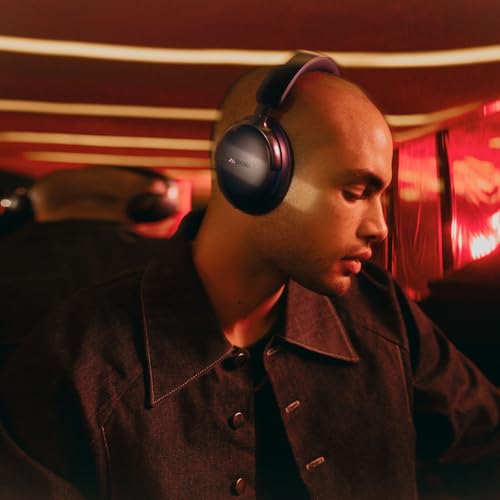
We like that the carrying case is a proper hard zippered clamshell — Bose hasn’t skimped on basic accessories — and that the earcups fold inward for a compact footprint. The tactile controls, especially the volume groove on the right earcup, are precise; they take a few sessions to use fluidly but reward with no accidental taps during use.
Noise cancellation, spatial audio, and why they matter
Noise cancellation here isn’t just about blocking: Bose’s ANC is surgical on persistent drone (airplane engines, HVAC hum) while preserving a sense of silence that doesn’t feel unnatural. That foundation lets the spatial features do something genuinely useful. Immersive Audio pulls sound out of your head and places it in front of you, which matters when you’re watching films on a laptop or listening to orchestral recordings where positional cues are meaningful.
Sound quality and CustomTune
We evaluated the headphones across genres. With default tuning the profile is balanced, with controlled bass, clear mids, and clean highs. The strength here is instrument separation and a sense of space — not just loudness. CustomTune adds a layer of personalization by measuring your ears and adjusting the tuning to compensate for small acoustic differences, which gives tracks a subtly more consistent tonal balance across playback sources.
A practical highlight is the USB-C lossless wired mode. For users with higher-resolution sources or who want to bypass Bluetooth compression, plugging into USB-C yields a noticeable step up in clarity and staging. That positions these headphones for listeners who want convenience but also access to near-studio fidelity when necessary.
Battery, connectivity, and app ecosystem
Battery life is competitive: Bose rates up to 30 hours (with ANC). In our mixed use tests — Bluetooth streaming with occasional calls and spatial modes — we regularly saw long single-day to multi-day usage before needing a recharge. Immersive Audio reduces that runtime (Bose lists ~23 hours with it active), but the trade-off is acceptable for short-term viewing sessions.
The Bose app is the hub: firmware updates, CustomTune setup, and sound presets live there. Multipoint worked reliably across phone and laptop combinations, handing off playback with minimal interruption. We did notice occasional differences in codec behavior depending on the phone OS; the wired USB path avoids that entirely.
Microphones and calling performance
Bose has invested in voice pickup. The multi-mic array and AI-based suppression keep calls intelligible in cafés and windy sidewalks. Callers reported our voices as forward and clear, though extreme wind still challenges any neck-hung microphone system.
How it stacks up vs. the competition
Compared with premium alternatives, Bose leans into comfort and practical features over headline specs. Where some rivals push aggressive sound signatures or experimental materials, Bose keeps a measured approach: best-in-class ANC, a very comfortable fit, and a straightforward feature set. The addition of lossless USB audio closes a gap that once separated studio-focused cans from travel-ready ANC models.
Table: Quick comparison points
Who should buy these?
We recommend these for frequent travelers, people who wear headphones for long stretches, and listeners who want a single pair that handles both relaxed wireless listening and higher-fidelity wired sessions. If you prize raw sonic aggression or want the absolute lowest price, there are alternatives. But for an overall balanced experience — noise control, comfort, and flexible listening modes — these are among the top picks.
Final thoughts
Bose has refined the formula. These headphones don’t try to be everything to everyone; they lean into the things most listeners value — silence, fit, and realism in playback — and improve them. The spatial modes won’t convince audiophiles who prize strict neutrality, but for the majority of users who want immersive movies, better airplane sleep, and the option of lossless wired listening, the QuietComfort Ultra 2nd Gen is a compelling, well-rounded offering.
FAQs
No — lossless over Bluetooth is still limited by codecs and bandwidth. We recommend using the USB-C wired connection to access the headphones’ lossless audio capability for the clearest, most detailed playback.
Immersive Audio is Bose’s take on spatialization: it places sound more forward and expands perceived width without relying on head tracking. We find it very effective for movies and orchestral recordings; for some pop or heavily mixed tracks it can feel like a creative EQ rather than a purely faithful reproduction.
Yes. The light weight, soft ear cushions, and balanced clamp make them well suited to long sessions. We’ve spent multiple flight-length stretches with them and experienced minimal fatigue compared with many over‑ear rivals.
Yes. The USB-C wired mode allows simultaneous playback and charging, which is handy on long trips or when you want the fidelity of the wired connection without losing battery life.
Multipoint pairing worked well in our tests. We paired phones and laptops and found handoffs and simultaneous connectivity stable. Occasional codec or OS-specific quirks are possible, but the overall experience is strong.
Bose provides replaceable cushions and parts through official channels. We appreciate this because it lengthens the useful life of the product and keeps the investment worthwhile over time.
For casual gaming the spatial widening helps with ambience and immersion, but competitive gamers should note potential added latency in some wireless setups. For low-latency needs, wired USB-C is the better bet.
Call quality is very good in moderate outdoor conditions thanks to noise-rejecting mics and AI suppression. In extreme wind or crowded streets, like any headset, performance is reduced but still above average for the category.

Chris is the founder and lead editor of OptionCutter LLC, where he oversees in-depth buying guides, product reviews, and comparison content designed to help readers make informed purchasing decisions. His editorial approach centers on structured research, real-world use cases, performance benchmarks, and transparent evaluation criteria rather than surface-level summaries. Through OptionCutter’s blog content, he focuses on breaking down complex product categories into clear recommendations, practical advice, and decision frameworks that prioritize accuracy, usability, and long-term value for shoppers.