
Smarter ANC and studio-leaning sound that make long flights bearable—if you can live with a mostly plastic shell.
There’s a small, glorious moment when a screaming airplane engine turns into background noise and you can finally hear the song, the podcast, or just silence. We’ve all been there: commute clamor, chatty coworkers, and the kind of ambient chaos that makes even the best playlists sound thin—and the Sony WH-1000XM6 arrives as an answer to that problem, promising class-leading adaptive noise cancellation and studio-leaning fidelity without feeling like a flight accessory.
In our testing, Sony’s HD NC Processor QN3 and Adaptive NC Optimizer don’t just quiet steady drones—they adapt to changing, complex sounds better than most competitors, and the lightweight, foldable design keeps them wearable on long hauls even if the mostly plastic construction doesn’t feel as burly as some rivals. The app-driven ecosystem—LDAC support, multipoint pairing, EQ and latency controls—turns these into a flexible daily companion, and at $458 they stake out the premium spot for frequent flyers and discerning listeners who want advanced features that actually matter in real use.
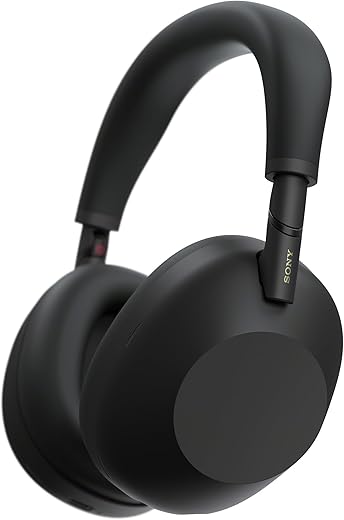
Sony WH-1000XM6 Wireless Noise-Canceling Studio Headphones
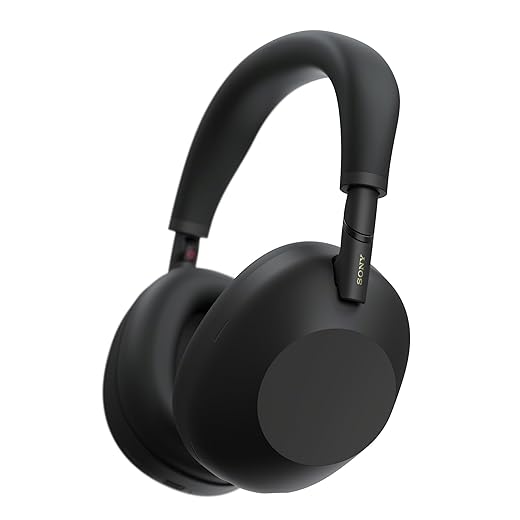
We think these headphones set the benchmark for adaptive noise cancellation while delivering studio-leaning fidelity that’s useful outside the studio. They’re a top pick for frequent flyers and discerning listeners who want premium features without a heavy, cumbersome chassis.
MKBHD Reviews the Sony WH-1000XM6 — Are These the Best ANC Headphones?
Overview
We approached the WH-1000XM6 expecting incremental improvements over its predecessors; what we found is a thoughtful overhaul of noise control, sensing, and tuning that matters in real-world use. Rather than chasing flashy materials, Sony refined the algorithms, microphone array, and driver tuning to deliver a quieter listening canvas and clearer, more lifelike playback.
What’s new and why it matters
Design and comfort: a practical refinement
Sony didn’t go for a heavy, metal-clad aesthetic. Instead, the body is primarily high-grade polymer and refined synthetic leathers. That keeps the weight low and the headphones collapsible into a compact case — a practical choice for travel.
We appreciated the balance: a lighter unit that still feels stable on long flights. If your priority is a luxurious metal build, there are other options, but the practical trade-off here is reduced fatigue.
Sound and tuning: studio-leaning clarity
The WH-1000XM6 favors resolution and dynamics over thin, hyped bass. Tracks reveal more micro-detailing — reverb tails, background vocal layers, and low-level percussion — and LDAC support preserves more of that information over Bluetooth when paired with a compatible device.
Microphones and call performance
Sony expanded the microphone array and layered intelligent beamforming and noise reduction to pull spoken voice out of chaos. In city streets and open-plan offices, call clarity was consistently better than most rivals. The wind-resistant design combined with AI-backed noise suppression reduces distractions for both listener and person on the other end of the call.
Battery life, charging, and real-world endurance
In our testing, moderate-to-heavy daily use meant multiple days between charges, and the quick-charge behavior is genuinely helpful when packing for travel.
Controls and software
The touch surface controls are responsive and less prone to accidental triggers than earlier models. The Sony Headphones Connect app provides several practical toggles:
These software features are part of the value proposition: they make the hardware more flexible for different contexts without hardware swaps.
Connectivity and latency
Bluetooth 5.3, LDAC, and improved codec handling reduce dropouts and provide higher wireless fidelity when used with compatible phones and players. Sony provides a low-latency mode for gaming and video streaming; it helps reduce lip-sync issues, though audiophile-grade wired monitoring will always win on absolute latency.
Comparative snapshot
| Feature | WH-1000XM6 | WH-1000XM5 | Typical premium competitor |
|---|---|---|---|
| ANC algorithm and mics | Advanced QN3, 12 mics | Previous gen QN1, fewer mics | Strong ANC, fewer adaptive sensors |
| Sound signature | Studio-leaning, high-res capable | Balanced, slightly warmer | Varies: some bass-forward, some neutral |
| Weight & materials | Lightweight polymer, compact case | Similar but heavier in areas | Some use metal for premium feel |
| Battery | ~30 hours, fast charge | ~30 hours, fast charge | Similar range |
Real-world use cases
Practical considerations and small annoyances
Final thoughts
We think the WH-1000XM6 is a meaningful step forward because it improves the day-to-day user experience — not just spec-sheet numbers. The upgraded sensing and processing translate into quieter flights, clearer calls, and a more revealing soundstage. For most people seeking top-tier ANC and studio-leaning fidelity in a travel-friendly package, this is a hard product to beat.


Practical quick list: who should buy these


What to know before buying
We came away convinced this generation deserves the attention it’s getting. It’s a practical, feature-rich headphone that delivers meaningful improvements where users notice them most: quieter backgrounds, clearer calls, and a more honest sound.
FAQ
The WH-1000XM6 dramatically reduces both low-frequency steady hum (engines) and many mid-frequency noises (cabin announcements and nearby conversations). They won’t create total silence, but the adaptive processor and expanded microphone array reduce the most intrusive components of flight noise, making listening and sleeping much easier.
Out of the box the tuning leans toward clarity and balance rather than exaggerated bass. If you prefer more low-end, the Sony app’s 10-band EQ lets you add warmth without muddying mids or losing detail.
Yes. The multi-microphone, beamforming and AI-backed noise filters do a strong job isolating your voice in busy streets, cafés, and open offices, so remote work calls sound clearer for the other participants.
LDAC transports more audio data over Bluetooth than standard codecs, so when paired with a compatible phone and files, you’ll hear more detail and better dynamics — closer to wired high-res playback without a cable.
Comfort is excellent for many users thanks to a lightweight frame and wide headband, though some people notice the earcup depth feels slightly shallow at first. We recommend a quick try-on if you have larger ears.
They offer a low-latency mode that cuts audio lag for video and casual gaming. However, many consoles don’t accept Bluetooth mic input for in-game chat; for competitive or console-specific voice chat you may need a wired connection or a dedicated USB/adapter solution.

Chris is the founder and lead editor of OptionCutter LLC, where he oversees in-depth buying guides, product reviews, and comparison content designed to help readers make informed purchasing decisions. His editorial approach centers on structured research, real-world use cases, performance benchmarks, and transparent evaluation criteria rather than surface-level summaries. Through OptionCutter’s blog content, he focuses on breaking down complex product categories into clear recommendations, practical advice, and decision frameworks that prioritize accuracy, usability, and long-term value for shoppers.