
Because “It wasn’t me” rarely holds up in traffic—who’s got your back (and your cabin)?
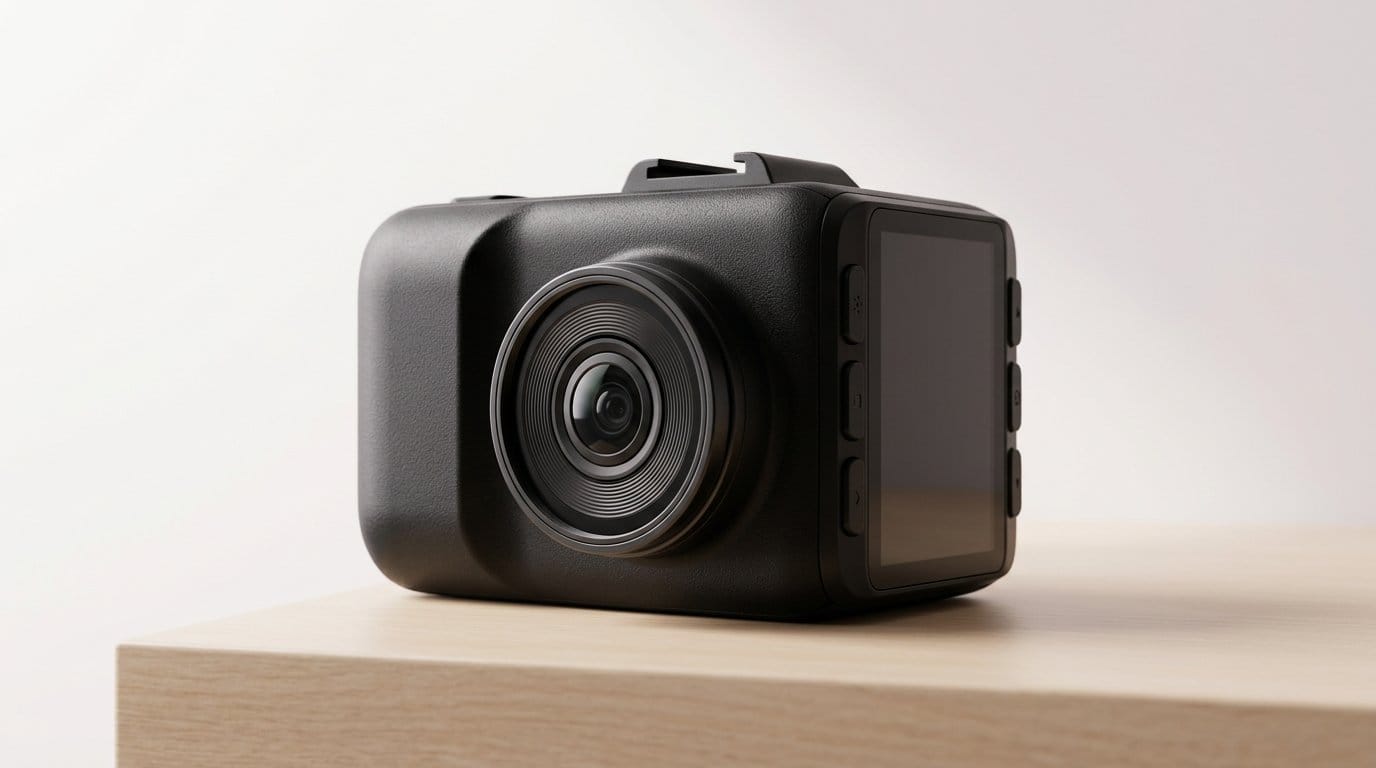
A fender‑bender is not the time to argue about who blinked.A short, clear clip solves the argument fast. Good dash cams do that without fuss.
We look for thoughtful design, reliable night performance, and phone integration that you’ll actually use when shopping back-up & dash cameras. Simple install, proven support, and clean footage matter more than flashy specs.
Our Top Picks




Terunsoul 3‑Channel 4K Front/Rear/Cabin Dash Cam
A compelling 3‑channel option that gives near‑360° coverage with dual 4K sensors plus a cabin IR camera. It’s especially valuable for drivers who need interior recording (rideshare) or complete incident documentation.
What makes the triple channel setup useful
Three channels aren't just a spec‑sheet flex—they change what you can do with recorded evidence. The front and rear 4K sensors capture contextual road detail while the cabin camera closes the loop for passenger events or interior incidents. For rideshare operators, fleet managers, or drivers who want complete coverage, that combination is a meaningful upgrade — the same front/rear/cabin questions we cover in our 4K front-and-rear dash cam guide.
Hardware, connectivity, and workflow
From a workflow standpoint we appreciate the tested 128GB card and the GPS overlay that timestamps speed and coordinates—small things that make footage legally useful after a reportable crash. OTA firmware and an actively maintained app also make maintenance and troubleshooting less painful than with lesser brands.
Installation and practical tradeoffs
Rove R2‑4K Dual Front-and-Rear Cam
A thoughtful balance of image quality and user experience: Sony STARVIS 2 sensor for low‑light fidelity, fast dual‑band Wi‑Fi for quick downloads, and a proven support ecosystem. It’s a strong everyday driver pick for people who will actually use phone‑side features.
Why we like this one
Rove’s R2‑4K Dual blends a high‑quality imaging stack (Sony STARVIS 2) with practicality: fast Wi‑Fi, clear firmware updates, and a set of parking modes that work as advertised — a profile we also stress in our night-vision parking-mode roundup. For daily drivers who will review video on a phone frequently, the Wi‑Fi speed is a real time‑saver compared with older systems.
Design and everyday impressions
We also like the use of a supercapacitor over a lithium battery, which matters if your car sits in hot conditions — one reason we favor heat-tolerant dash cams over cheap lithium-cell units. The camera’s voice guidance and robust event recording make it approachable for non‑technical users; that’s been a recurring advantage for Rove over cheaper, less supported competitors.
Practical tradeoffs
Terunsoul Dual 4K Front-and-Rear Dash Cam
A capable dual‑channel system that punches above its price with true 4K front and rear recording, fast Wi‑Fi, and useful GPS overlays. It’s a practical choice for drivers who want high resolution without a premium‑brand price tag.
What this unit aims to do
We see this Terunsoul as a value‑forward pick: two true 4K channels, onboard GPS, and a 3" IPS screen—all bundled with a preinstalled 128GB card. It’s aimed at drivers who want very high detail from both front and rear cameras without spending flagship dollars.
Design, features, and day‑to‑day use
We found the 5.8GHz Wi‑Fi noticeably faster than older 2.4GHz systems when moving clips to a phone, and the app is capable of downloading full‑resolution files quickly. GPS overlays and a built‑in player for timestamps make the footage easier to present to insurers or police.
Where it fits in the market and limitations
It’s not perfect—parking surveillance requires a hardwire kit, which raises the total cost if you want 24/7 monitoring — compare modes in our parking-mode dash cam picks. The hardware buttons and menu can feel dated compared with cleaner commercial UIs, so we tend to rely on the app for finer configuration. Overall, though, this is an excellent value if you prioritize resolution and straightforward evidence capture.
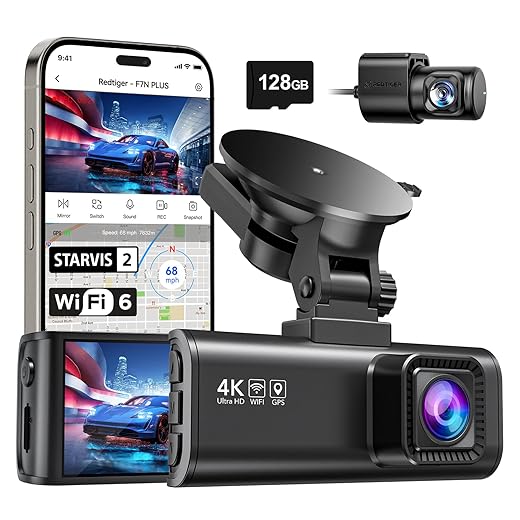
Redtiger 4K Dual STARVIS Dash Cam
A solid mid‑range pick leveraging STARVIS 2 optics and WDR to produce trustworthy night footage. It’s a dependable option for commuters and rideshare drivers who prioritize night clarity and durable design.
What sets it apart
This Redtiger model focuses on a clean imaging stack: STARVIS 2 sensor, large aperture optics, and WDR/HDR processing. Those components matter most when you’re trying to preserve details in twilight, under street lights, or during mixed‑exposure scenes.
Everyday experience and ecosystem
For regular use we appreciated the supercapacitor approach, which is more heat‑tolerant than small lithium batteries often used in cheaper cams. The warranty and support channel also elevate the ownership experience compared with no‑name alternatives.
Notes on limitations
Jzones 4K Front-and-Rear Dash Camera
A convincing mid‑range option with Wi‑Fi 6, a free 64GB card, and solid night performance. It blends helpful features—GPS, multiple parking modes, and HDR—into a package that’s easy to recommend for daily drivers.
Where this sits in the lineup
Jzones takes a practical — and economical — approach: solid imaging, modern connectivity, and a sizable included SD card. For drivers who will actually use features like GPS overlays and phone downloads, the Wi‑Fi 6 advantage is meaningful in day‑to‑day workflows.
Design and user experience
We like that the default settings are sensible—most owners can get reliable footage without deep menu dives. The inclusion of parking modes with event locking adds real value for people who park in busy or exposed environments.
Considerations
Wolfbox G840S 12" 4K Mirror Dash Cam
A mirror‑replacement dash cam that gives a much larger view and convenient split‑screen monitoring, combined with 4K front capture. Ideal if you want an unobtrusive install that also upgrades your rear visibility.
Who should consider a mirror dash cam
We recommend a mirror‑type dash cam like the Wolfbox G840S if you want a larger, unobtrusive display that replaces (rather than sits in front of) your OEM mirror. The 12" screen is helpful for drivers who regularly use the rear view and for those who prefer a centralized display for reversing and playback.
Design and features that matter
In practice the large screen makes inspecting clips while parked far less fiddly than using a tiny 2–3" camera display. The reverse assist and parking features are well suited to larger vehicles where blind spots can be an issue.
Tradeoffs to keep in mind
Pemacom 4K Front-and-2K Rear Truck Dash Cam
A practical option for truck owners and commuters who need clear front footage and a reliable rear view without fuss. It balances night performance, GPS logging, and a straightforward install process aimed at larger vehicles.
Why truck owners will appreciate it
This Pemacom kit is tuned to the practical realities of pickup and larger‑vehicle owners: higher mounting positions, longer cable runs, and more glare from higher headlights. The 4K front and 2K rear combination gives you detailed daytime footage while keeping rear installation manageable.
Real‑world usability and design
We found the included installation tools and adhesive options helpful for tidy routing in pickup cabins. For drivers who park on busy streets or in lots, the parking monitoring options (time‑lapse and event wake) are the features that repay the investment—provided you pair the unit with a hardwire kit.
Tradeoffs worth considering
Kingslim D4 4K Dual Dash Camera
A tried‑and‑true option that prioritizes reliability and straightforward features: Sony STARVIS sensor, touch screen control, and GPS logging. It’s a sensible go‑to for drivers who want a dependable, no‑surprises camera.
Why people keep buying this model
Kingslim’s D4 has become familiar because it reliably delivers the essentials: clear video, a usable touchscreen interface, and common safety features like G‑sensor locking and parking monitoring. For fleet use or multiple car households, that reliability is worth more than raw cutting‑edge spec sheets.
Everyday impressions
We’ve seen users run these units for years without major issues, which speaks to build quality and straightforward functionality. When things do go wrong, Kingslim’s replacement and parts ecosystem is easier to navigate than no‑name brands.
Points to check before buying
Compact 2.5K Front-and-Rear Dash Cam
A small, inexpensive dual‑camera kit that covers the essentials: decent daytime footage, basic night capability, and the G‑sensor protections you expect. It’s a pragmatic choice if you want front‑and‑rear coverage without complications.
Who this is for
We see this camera as an entry‑level buy for someone who needs reliable front‑and‑rear recording on a strict budget. It won’t replace a premium system, but it gives you core safety features—loop recording, G‑sensor locking, and a night‑capable sensor—at a fraction of the cost.
Practical features and day‑to‑day use
Installation is straightforward with a suction mount and adhesive rear camera. The small screen is useful for basic checks during setup, but we relied mostly on offloading clips via the app (where available) or inspecting files on a computer.
Limitations and buying note
Galphi 4K Screenless Compact Dash Cam
A compact, screenless front cam that delivers 4K footage and a small footprint. If you prefer unobtrusive installs and straightforward recording, this is a capable, low‑cost option with fast 5GHz transfers.
Why choose a screenless camera
We recommend a screenless option like this Galphi unit when discretion and a minimal dash presence are priorities. The camera is compact and mounts cleanly behind the mirror area, so you don’t compromise sightlines but still get high‑resolution evidence when you need it.
Features and daily use
The unit emphasizes a ‘set it and forget it’ mindset: loop recording and G‑sensor event locking work automatically, and parking mode is supported when hardwired through dash install kits.
Practical caveats
Final Thoughts
We recommend two clear winners depending on how you use your car in our Top Picks.
Why these matter now: we’re past the era of ‘throw a cheap camera on the dash’ from our full dash & backup camera aisle. Modern dash cams win by solving real workflow problems — clear night footage (STARVIS), quick phone transfers (5GHz/dual‑band Wi‑Fi), and coverage where incidents actually happen (cabin and multi‑channel setups). The Terunsoul and Rove hits those practical points in different ways, so pick the one that matches your use case: comprehensive coverage vs. everyday convenience.
Frequently asked questions
How did we pick these dash cams for everyday driving options?
We shortlist models that balance performance, reliability, and value for typical buyers—not just the highest spec sheet. Hands-on notes, owner feedback, and return/warranty policies all feed the ranking.
Which dash cams for everyday driving pick is best for most people?
Start with our top overall choice if you want the safest balance of price and features. Move up or down the list only when a specific need—budget, ecosystem, or a must-have feature—clearly applies to you.
Do prices on this dash cams for everyday driving list change often?
Yes. Retailers run frequent promos, so use the live price buttons on this page and compare shipping and return windows before checkout—the best deal is not always the lowest sticker price.
Should I buy the cheapest dash cams for everyday driving on the list?
Only if the trade-offs fit your use case. The budget pick can be excellent value, but check what you give up in build quality, software support, or key features you will use every week.
What if none of these dash cams for everyday driving picks fit?
Use the comparison and guide links on this page to narrow by size, platform, or feature, then revisit the list with your must-haves written down—forcing a mismatch creates more returns than savings.
How often is this dash cams for everyday driving roundup updated?
We refresh rankings when major models launch or pricing shifts enough to change the value story. Check the publish date at the top and compare current specs if you are reading months later.

Princess Rioboca is the Lead Editorial Writer at Option Cutter, bringing over seven years of hands-on experience in consumer technology journalism. Specializing in home networking and smart home architecture, she transforms complex technical data into practical, real-world upgrades. Princess personally tests and audits every product she reviews—evaluating real-world Wi‑Fi throughput, cable management durability, and streaming ecosystem stability—to filter out spec-sheet noise. Her rigorous, field-tested insights are designed to give readers transparent, unbiased buying advice on what to purchase, what to skip, and exactly why.