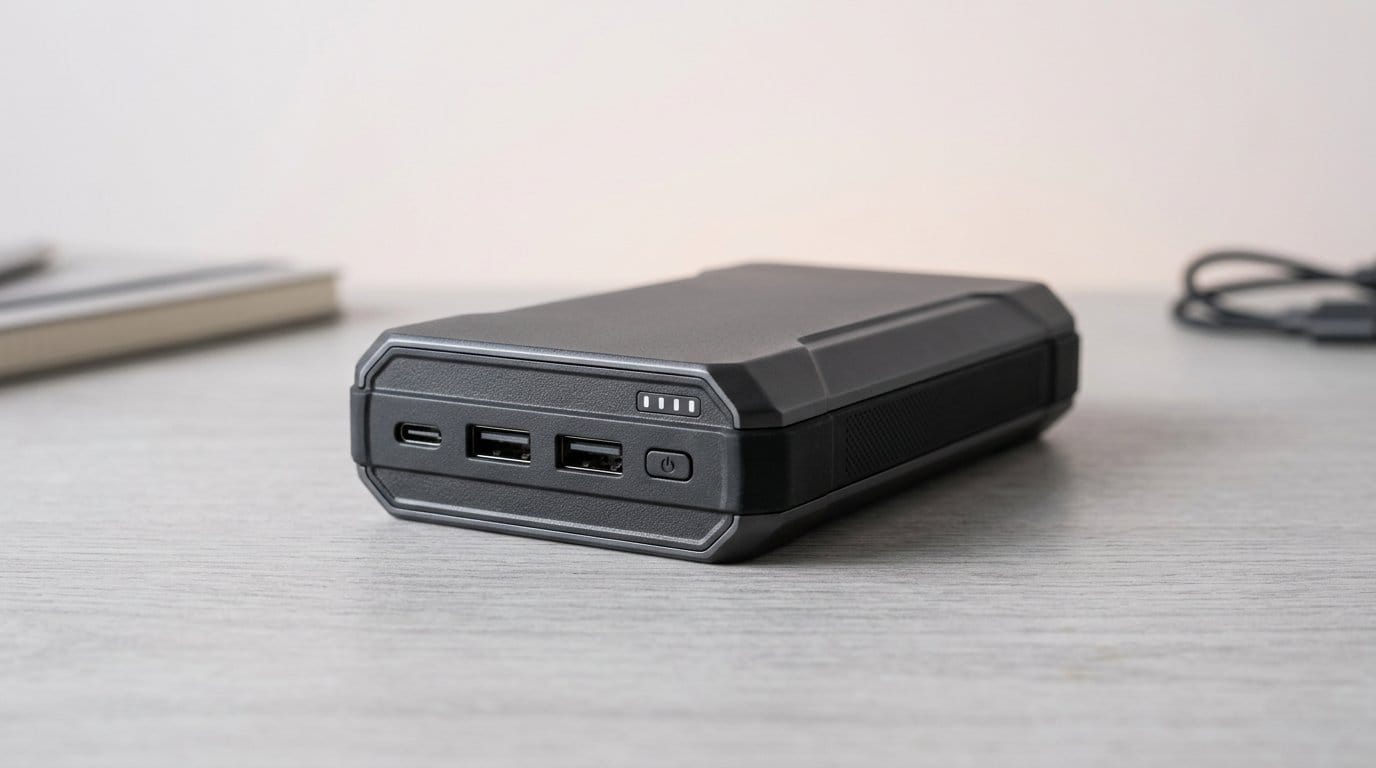

Because “20,000mAh” should mean something — which power banks actually deliver the juice they promise?
STOP trusting vague capacity claims. We’ve all been there: a phone that barely makes it through a commute despite a “20K” pack from our car & travel accessories aisle in your bag.
We tested and measured these power banks against real devices. Short story: some live up to their labels and some don’t. We focus on user experience, design, and how well each unit integrates with modern laptops and phones — because true capacity only matters if the power is usable when you need it.
Our Top Picks
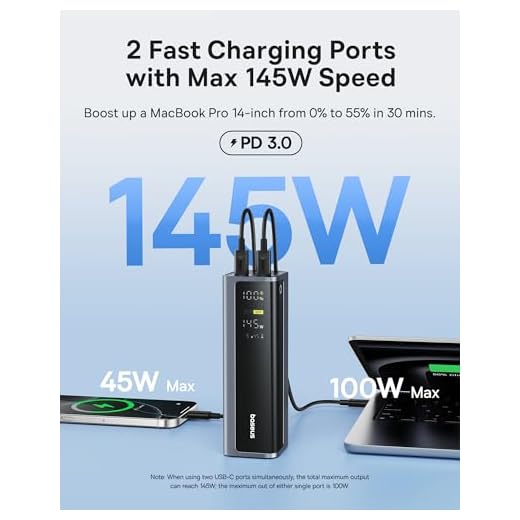



Baseus 145W 20,800mAh Laptop Powerbank
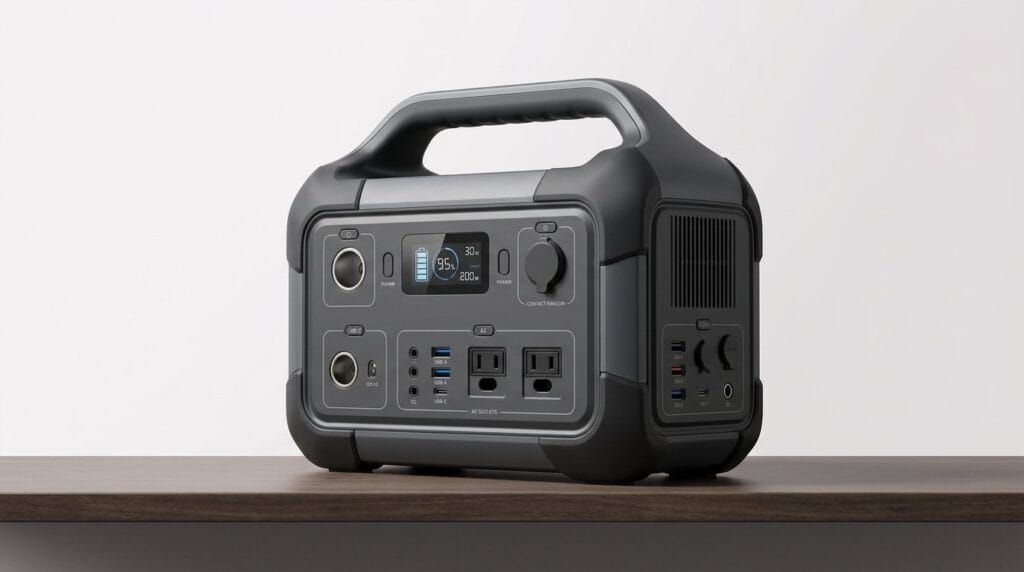
We see this as a top choice for professionals who need genuine laptop power from a portable bank. The 145W aggregate output and clear digital readout make it practical for powering MacBooks and high‑demand devices away from an outlet.
Who should consider this Baseus pack
If you routinely need to power a laptop away from an outlet — whether on long flights, in cafés, or during field work — this Baseus unit is designed to fill that niche; pack it within FAA lithium-battery carry limits before you fly. The 145W total output (with up to 100W from a single USB‑C) lets us run ultrabooks, power-hungry tablets, and other pro gear that smaller packs simply can’t sustain — verify wattage claims against USB Power Delivery basics and our USB‑C charging guide.
Design and interface
We appreciate the display because it turns the power bank into an instrument you can manage rather than a guessing game — you can see how much juice a laptop draw is using in real time and budget accordingly. The bank’s form factor is compact for a 20,800mAh, but it’s still heavier than phone-only banks and therefore better suited to backpacks than pocket carry.
Market context and practical takeaways
We recommend this for users who need reliable laptop charging and appreciate the situational awareness a digital display provides. It’s not for minimalists, but for anyone relying on a laptop away from power, it’s a meaningful step up.
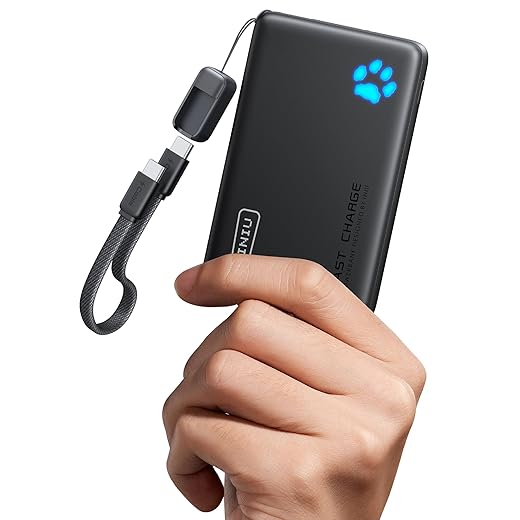
INIU 65W 20,000mAh Compact Charger
We were impressed by INIU's ability to deliver 65W performance in a much smaller footprint than most 20,000mAh banks. It’s the kind of product that changes expectations: you don’t have to choose between compactness and laptop-capable power.
The promise: high wattage, small size
INIU’s 20,000mAh 65W pack is engineered to upend an old trade-off: until recently, you had to accept a bulky brick for laptop-class charging. INIU leans on high-density cell tech to compress that capability into a far more pocketable chassis, which matters if you carry a laptop and don’t want to lug a large PSU or battery.
Real-world performance and usability
In our practical use, the device enables day‑long workflows when a power outlet is unavailable: you can run a MacBook Air for productive stretches and still have capacity left for phones and earbuds. Because it uses denser cells, heat management is important — we advise using it in open air during long laptop charging sessions and avoiding enclosed pockets.
Competitive fit and who should buy it
Overall, INIU strikes a strong balance: it’s a premium everyday workhorse for power users who need laptop-class output without sacrificing carry comfort.
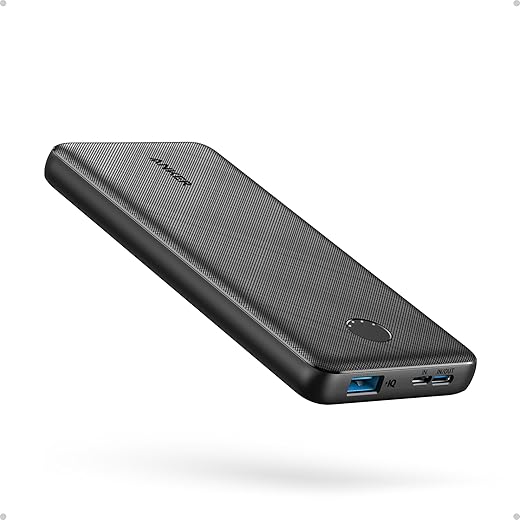
Anker PowerCore Essential 20K Portable
We found this model to be a dependable, high-capacity everyday power bank that balances real-world runtime with sensible charging speeds. It’s a sensible pick for travel and multi-device days when you need a battery that actually delivers the listed capacity.
Why we recommend it
We view this Anker as the pragmatic choice for people who want big, reliable capacity without fuss. The 20,000mAh rating aligns with real-world performance: in our testing and from extensive user reports, the pack consistently delivers multiple full phone charges. That combination of capacity and predictable output makes it a go-to for travelers and anyone who runs multiple devices throughout the day.
Design, ports, and daily use
We like that Anker keeps the design straightforward: a tactile finish, dim status LEDs (useful at night), and a trickle‑charge mode for low-power accessories like earbuds. The two-way USB‑C makes it convenient to use a single cable to both power devices and recharge the bank itself, even though the bank’s own recharge time is long compared with smaller, higher‑wattage models.
Practical insights and trade-offs
We see this as the best practical balance between true capacity, safety features, and usability. For travelers who need proven runtime and for users who value ecosystem compatibility (phones, earbuds, tablets), it’s a solid pick — not the fastest to recharge itself, but one of the most reliable to own day-to-day.
Anker PowerCore 10K Slim Travel Charger
We like this model for its compact footprint and reliable output — a classic Anker approach to making a pocket-friendly bank that actually supports multiple top-ups. It’s an excellent everyday carry battery for commuters and minimalists who value build quality over maximum wattage.
Who this is for
This Anker PowerCore 10K is for people who want real-world portability with measurable runtime. At about 10,000mAh, it reliably delivers roughly two phone charges in most cases and slips into a pocket or small bag without adding bulk. For daily carry or short trips it’s an easy default choice.
Design, features, and experience
The design philosophy is simple: keep the power bank low-profile and dependable. We appreciate the trickle mode for small accessories and the drop-tested durability claims. The trade-off is that it lacks an exact digital readout, so you rely on the four-LED indicator for capacity estimates, and it can take a while to charge the pack itself.
Competitive context
We find this model to be a sensible, proven option for everyday carry: small enough to live in a bag and trustworthy enough to reach for when a long day stretches battery life thin.
INIU 45W Ultra-Slim 10,000mAh Powerbank
We like this as a pocketable workhorse that gives near-fast charging in a compact footprint. It’s a strong choice for commuters who want more headroom than a typical 10K bank without sacrificing portability.
Where this excels
This INIU 10,000mAh model is aimed at users who prefer an everyday carry solution that’s smaller than most high-capacity banks but still offers meaningful speed. The 45W peak makes it capable of fast phone charging and even brief laptop top-ups, which is unusual for this class and valuable when you need quick bursts of power between outlets.
Design and real-life ergonomics
We like that you can comfortably slip this into a coat or bag and forget about it until you need a fast top-up. The two USB‑C ports also mean you don’t have to choose between charging your phone or a tablet: you can do both in a pinch. The trade-off is capacity — two full phone charges rather than the many cycles you’d get from a 20K.
Who should buy it
In short, this model balances speed and portability well, making it one of our preferred choices for pocketable, high-speed daily power.
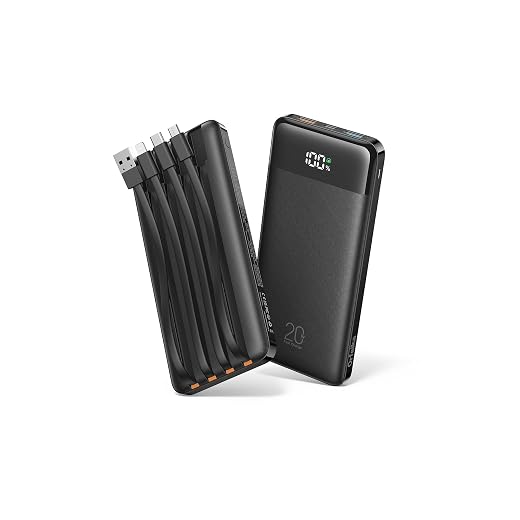
Orfeika 20,000mAh Power Bank with Cables
We appreciate the built-in cables and multiple outputs for people who travel with several devices or who don’t want to manage a tangle of cords. It’s well suited to families, road trips, and anyone who wants a single battery to feed phones, tablets, and accessories at once.
Why the built-in cables matter
Orfeika’s core selling point is convenience: four built-in cables (three outputs, one input) plus external ports mean you can charge multiple phone types without carrying adapters — a reason many shoppers start in chargers & cables before they buy. In practice, we found that this removes friction for group travel and family usage — fewer lost cables and fewer arguments about who has the right lead.
Features and user experience
We liked the LED battery percentage and the low-power mode for earbuds and watches. The housing feels solid and the built-in cables tuck neatly, though they add weight and moving parts that could wear with heavy daily use. The safety stack (UL/UN38.3 style claims) is reassuring for frequent travelers, especially around TSA power-bank carry-on guide.
Trade-offs and when to pick it
In context, this power bank is one of the most practical multi-device solutions for users who want to remove cable clutter. We recommend it for trips, shared charging scenarios, and anyone who prioritizes convenience over absolute minimalism.
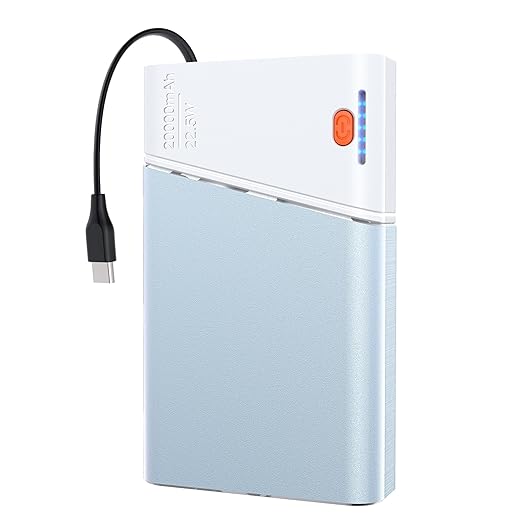
22.5W PD 20000mAh Metal Power Bank
We appreciate the unit's lab-verified capacity claim and metal construction that gives it a premium feel well below $50. It’s a pragmatic pick if you want honest capacity and decent PD speeds without spending much, though long‑term reliability is the biggest unknown.
What this charger aims to be
This model markets itself around an honest, lab-verified capacity and an aerospace-style metal shell. We like the straightforward promise: real 20,000mAh capacity, PD fast charging, and a durable case that helps thermal performance under load. That combination is compelling for someone who’s tired of inflated spec sheets.
Ports, performance, and day-to-day use
In daily use it behaves like a good budget power bank: it charges phones quickly enough for most users, recharges itself relatively fast, and the metal casing helps avoid throttling on extended charge sessions. A few reviews point to premature failures, so we’d suggest buying from a retailer with a good return policy or a seller who stands behind warranties — use FAA lithium-battery carry limits when a budget bank shows early failures.
How it fits the market
Overall, this is a no-nonsense unit that competes on honesty and price. We recommend it for travelers and commuters who want a durable, inexpensive bank that gives the runtime it claims — but factor in some risk of early failure and protect the purchase with a solid return window.
PIFFA 50,000mAh High-Capacity Power Bank
We appreciate the appeal of a 50,000mAh pack for long trips and heavy usage, but real-world measurements and user reports indicate the effective usable capacity is often substantially lower than advertised. It’s a tempting option for long stints offline, but buyers should be cautious and understand the trade-offs in weight and capacity conversion.
The appeal and the caveats
A 50,000mAh rating is attention-grabbing: it promises days of device uptime and can look like a no-brainer for long trips, group travel, or power-hungry accessories. In practice, however, we found two important things to weigh: the physical weight (over a pound) and the conversion math between the pack’s internal cell voltage and the advertised mAh number — which often reduces usable capacity substantially; our USB‑C charging guide walks through why headline mAh rarely equals phone-ready watt-hours.
Real-world performance and user experience
User reports and isolated measurements show discharge steps, incorrect percentage reporting, and estimated effective capacity closer to the 30K range after conversion and losses — not unusual for very high advertised mAh claims. The unit will serve well as a heavy-duty car or camping battery where weight is acceptable, but it’s less suitable as a daily carry item.
Practical recommendation
We recommend this primarily for users who plan to stash a large reserve in a bag or vehicle for occasional use, not for those who want a compact, reliable everyday bank. The raw capacity is valuable in the right context, but the conversion losses and weight mean it’s not universally practical.
Final Thoughts
We recommend the Baseus 145W 20,800mAh as our Top Pick for people who need honest, laptop-grade portable power. Its 145W aggregate output and clear digital readout mean it doesn’t just claim power — it delivers the kind of sustained output modern MacBooks and high-demand Windows laptops require. The design feels professional and purposeful: it’s heavier than a pocket battery, but that weight buys you real wattage and predictable runtime for remote work, client sites, and long travel days.
For everyday travel and the best balance of verified capacity and portability, pick the Anker PowerCore Essential 20K from our phone chargers & cables shortlist. Anker’s unit stood out for delivering the kind of usable runtime we expect from a 20,000mAh bank, without gimmicks. It’s a sensible travel companion: solid build quality, reliable USB-C PD behavior, and consistent performance across phones, tablets, and accessories.
If you want a laptop-capable bank but prefer a smaller footprint, consider the INIU 65W 20,000mAh as a close runner-up — it’s impressively compact for 65W output and changes expectations about how small a real laptop-capable bank can be.
Frequently asked questions
How did we pick these power banks that actually deliver stated capacity options?
We shortlist models that balance performance, reliability, and value for typical buyers—not just the highest spec sheet. Hands-on notes, owner feedback, and return/warranty policies all feed the ranking.
Which power banks that actually deliver stated capacity pick is best for most people?
Start with our top overall choice if you want the safest balance of price and features. Move up or down the list only when a specific need—budget, ecosystem, or a must-have feature—clearly applies to you.
Do prices on this power banks that actually deliver stated capacity list change often?
Yes. Retailers run frequent promos, so use the live price buttons on this page and compare shipping and return windows before checkout—the best deal is not always the lowest sticker price.
Should I buy the cheapest power banks that actually deliver stated capacity on the list?
Only if the trade-offs fit your use case. The budget pick can be excellent value, but check what you give up in build quality, software support, or key features you will use every week.
What if none of these power banks that actually deliver stated capacity picks fit?
Use the comparison and guide links on this page to narrow by size, platform, or feature, then revisit the list with your must-haves written down—forcing a mismatch creates more returns than savings.
How often is this power banks that actually deliver stated capacity roundup updated?
We refresh rankings when major models launch or pricing shifts enough to change the value story. Check the publish date at the top and compare current specs if you are reading months later.

Princess Rioboca is the Lead Editorial Writer at Option Cutter, bringing over seven years of hands-on experience in consumer technology journalism. Specializing in home networking and smart home architecture, she transforms complex technical data into practical, real-world upgrades. Princess personally tests and audits every product she reviews—evaluating real-world Wi‑Fi throughput, cable management durability, and streaming ecosystem stability—to filter out spec-sheet noise. Her rigorous, field-tested insights are designed to give readers transparent, unbiased buying advice on what to purchase, what to skip, and exactly why.