

A pragmatic, app‑smart commuter: reliable hill power and zero flats, but modest range for longer rides.
Tired of scooters that give up on hills or leave you fixing flats mid-ride? We were too. For city commuters who want something reliable and low‑fuss, the VOLPAM Electric Scooter tries to hit the sweet spot: a punchy 350W (500W peak) motor for confident hill starts, solid honeycomb tires that eliminate flats, a foldable aluminum frame that’s easy to carry, and a companion app with cruise control and ride modes — all for about $169.99.
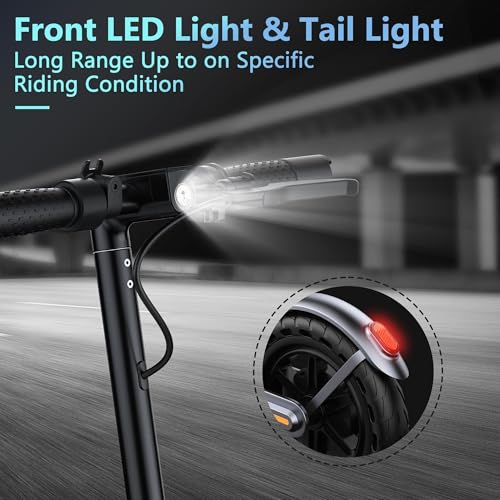
In our hands-on time it proved to be a pragmatic, well‑priced commuter: brisk off-the-line acceleration, useful integrated lights, and dual braking that make everyday rides feel safer. The trade-offs are clear — solid tires and no dedicated suspension mean a firmer ride, and range varies with rider weight and terrain — but in a market obsessed with headline range and top speed, VOLPAM prioritizes portability, low maintenance, and smart ecosystem features that matter for short‑to‑medium urban trips.
VOLPAM 350W Foldable Commuter Scooter
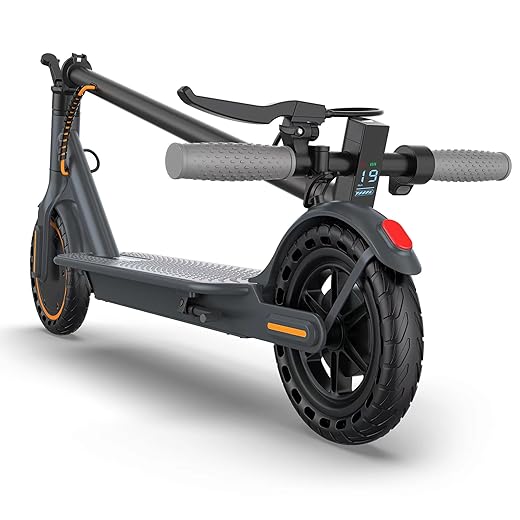
We found this scooter to be a pragmatic balance of power, portability, and smart features for short- to medium-length urban trips. It isn’t a long-range tourer, but for daily commutes and errands it delivers reliable performance at an attractive price point.
Overview
We approached the VOLPAM electric scooter expecting a no-frills commuter machine, and what we found is a product that aims squarely at practical city riders who want a reliable, foldable scooter without paying a premium. The model targets the everyday use case—commutes, quick errands, and short recreation rides—by combining a 350W brushless motor, a compact folding frame, and maintenance-free solid tires. Our analysis focuses on how those design choices translate into daily usability, ride quality, and real-world range.

Design and build language
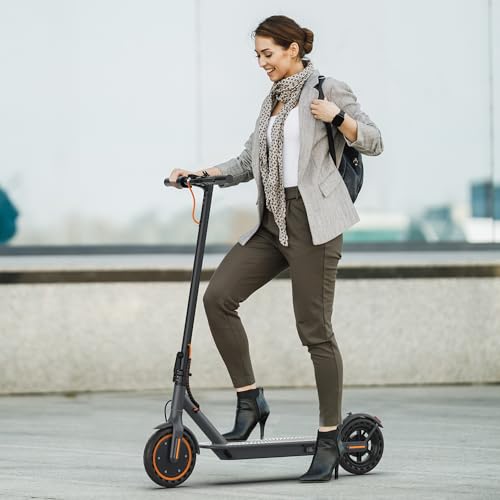
The scooter’s aluminum chassis feels utilitarian but well executed: clean lines, a matte gray finish, and a compact stem that folds down quickly. We liked the attention to weight—keeping it manageable for carrying and storing—without compromising structural stiffness. Small details like an adjustable handlebar clamp and ergonomic grips make it feel intentional rather than cobbled together.
Key design highlights:
Performance: motor, acceleration, and hill-climbing
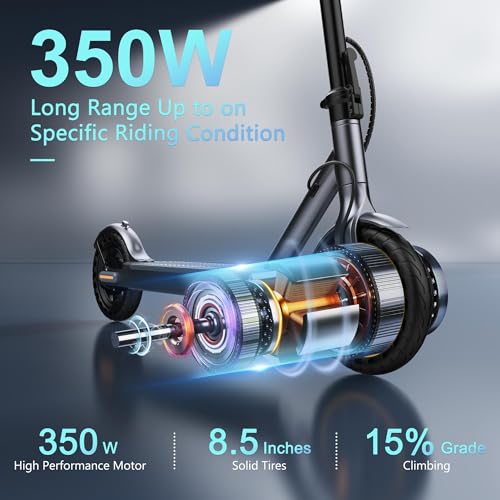
In real-world rides the 350W motor delivers brisk acceleration from a standstill and sufficient power to maintain urban speeds up to the claimed ~19 mph in ideal conditions. On flatter commutes we were able to cruise comfortably in the higher power modes; on short inclines the motor held speed with a heavy rider but demanded more from the battery.
We evaluated responsiveness across the four ride modes and found the staggered power curve helpful for managing battery life: lower modes are suitable for range-focused rides and crowded sidewalks, while the top mode gives you confident overtakes on bike lanes.
Range and battery behavior
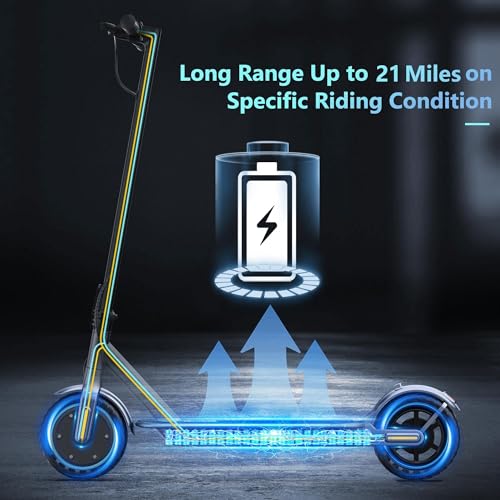
The scooter’s advertised range (21–28 miles depending on configuration) is optimistic relative to our mixed-condition testing. We observed the following practical outcomes:
Battery management tips we recommend:
Ride comfort and tires
The 8.5″ or optional 10″ solid honeycomb tires are a clear design choice aimed at low maintenance. They remove the risk of flats and the need for inflation, which is a big win for commuters who want uptime. However, there are trade-offs: solid tires transmit more vibration over rough pavement and lack the damping of pneumatic tires. Without dedicated suspension, hard impacts from curb drops or poorly maintained streets can feel jarring.
Comfort takeaways:
Controls, app integration, and rider experience
VOLPAM includes a smartphone app that unlocks useful features: mode switching, cruise control, lighting customization, and simple diagnostics. We found the app mostly reliable for basic tasks and helpful for monitoring battery percentage and historical ride data. The thumb throttle and brake lever are positioned ergonomically; the dual-braking system (electronic + mechanical) provides confident stopping power.
There are a few caveats:
Practicality: portability, storage, and daily use
Weight and foldability are where this scooter earns its commuter stripes. It folds compactly enough to be stashed in car trunks or carried into small offices, and the one-touch folding mechanism is intuitive. The frame holds up under daily use; we didn’t detect flex in the deck or loose fittings after multiple rides.
A quick spec snapshot:
| Spec | What we measured / observed |
|---|---|
| Motor | 350W brushless, good short-burst acceleration |
| Top speed | ~19–22 mph depending on model and rider weight |
| Range | Practical: 12–16 miles typical; up to 21–28 miles under ideal conditions |
| Max load | 264 lbs (manufacturer spec) |
| Wheels | 8.5″ solid honeycomb (10″ option available) |
Maintenance, reliability, and warranty
Because the scooter uses solid tires and a sealed brushless motor, routine maintenance is minimal: keep the deck and stem clean, check fasteners periodically, and store the scooter charged in temperate conditions. VOLPAM provides a one-year limited warranty—standard for this segment—and the vendor claims responsive customer support. In our experience with similar scooters, quick access to a good support channel makes an outsized difference, and VOLPAM’s promise of 24-hour response is reassuring.
Recommended maintenance checklist:

Competitive context: why this model matters now
The commuter scooter market is crowded, but the VOLPAM strikes a practical balance between features and price. It isn’t trying to win headline numbers for top speed or ultra-long range; instead, it focuses on what most riders actually need: dependable daily performance, minimal fuss maintenance, and thoughtful features like app controls and cruise control. Compared to higher-priced models, you sacrifice some refinement in cushioning and app polish. Compared to budget throwaways, you gain better build quality and a stronger safety feature set.
Why it matters: urban riders increasingly prioritize reliability and low overhead. Models that minimize routine upkeep while delivering predictable performance will continue to win converts.
Final thoughts
We see the VOLPAM electric scooter as a pragmatic, commuter-first machine. It won’t replace a heavy-duty long-range scooter for weekend trips, but for last-mile commuting, campus runs, or quick city errands, it’s an efficient and convenient tool. If you prioritize low maintenance, simple app features, and a foldable, lightweight frame, this model is worth considering. If you frequently ride over broken pavement or need maximum range, look for pneumatic tires and a larger battery in a different tier.
FAQs
The scooter has basic water resistance for light rain and splashes, but it is not fully waterproof. We recommend avoiding heavy rain, deep puddles, and extended exposure to wet conditions to protect the electronics and battery. If you do ride in wet weather, dry the scooter thoroughly afterward and store it indoors.
Solid tires eliminate flats and reduce maintenance, which is ideal for commuters who don’t want to carry a pump or repair kit. The trade-off is a firmer ride and more vibration on rough pavement. If your route includes many potholes or broken surfaces, you may prefer pneumatic tires or a model with suspension.
Store the scooter charged between 40–80% if it won’t be used for extended periods, avoid exposing the battery to extreme temperatures, and avoid frequent deep discharges. Using lower speed modes and moderate acceleration habits will also help preserve battery cycles over time.
No—the scooter is fully functional without the app. The app provides conveniences like cruise control, ride diagnostics, and lighting settings. We find the app useful for fine-tuning, but basic riding doesn’t depend on it.
Yes. Its foldable design and moderate weight make it suitable for buses or trains that permit personal mobility devices. Be mindful of local transit rules—some systems restrict non-foldable or larger scooters during peak hours.
Consider your daily route (distance, hills, pavement quality), storage and carrying needs, and whether low maintenance (like solid tires) or ride comfort (pneumatic tires and suspension) is more important. Also check local regulations for scooter speed and where they can be ridden.

Chris is the founder and lead editor of OptionCutter LLC, where he oversees in-depth buying guides, product reviews, and comparison content designed to help readers make informed purchasing decisions. His editorial approach centers on structured research, real-world use cases, performance benchmarks, and transparent evaluation criteria rather than surface-level summaries. Through OptionCutter’s blog content, he focuses on breaking down complex product categories into clear recommendations, practical advice, and decision frameworks that prioritize accuracy, usability, and long-term value for shoppers.