A small upgrade, a big reliability boost
We introduce a modest change that fixes the streaming frustrations we all know: interruptions, rebuffering, jitter, and unpredictable playback. This is not a flashy feature — it’s a pragmatic reliability upgrade that — browse our how-to guides makes streams just work more often.
We tested hands-on across phones, smart TVs, set‑top boxes, and browsers, measuring real playback behavior. We judged impact by what users notice: fewer stalls, faster recovery, and steadier video quality.
This piece focuses on user experience, device and design implications, ecosystem compatibility, and how this fits among rival solutions.
We aim to help everyday viewers choose wisely.

What changed under the hood
We walk through the technical changes that make streams more reliable — in plain terms — and tie each tweak back to what you actually notice when watching.
Smarter buffering and adaptive-bitrate (ABR) logic
Rather than simply cutting bitrate at the first sign of trouble, the client now judges short blips differently. ABR algorithms buffer a tiny extra cushion when they detect variable networks, and they use smoothing windows to avoid jumping between 1080p. Practically, that means fewer mid-show drops in quality and fewer rebuffer events after a brief network hiccup.
Tip: keep your streaming apps updated — the client-side ABR changes ship in app updates and matter.
Smarter edge caching and routing
CDNs are now more aggressive about mirroring popular assets closer to users and routing around congested nodes. That reduces the number of long trips to origin servers and lowers the chance of packet loss causing stalls. If you’ve ever seen playback stall while the download bar sits at 100%, improved edge logic is one reason that’s happening less.
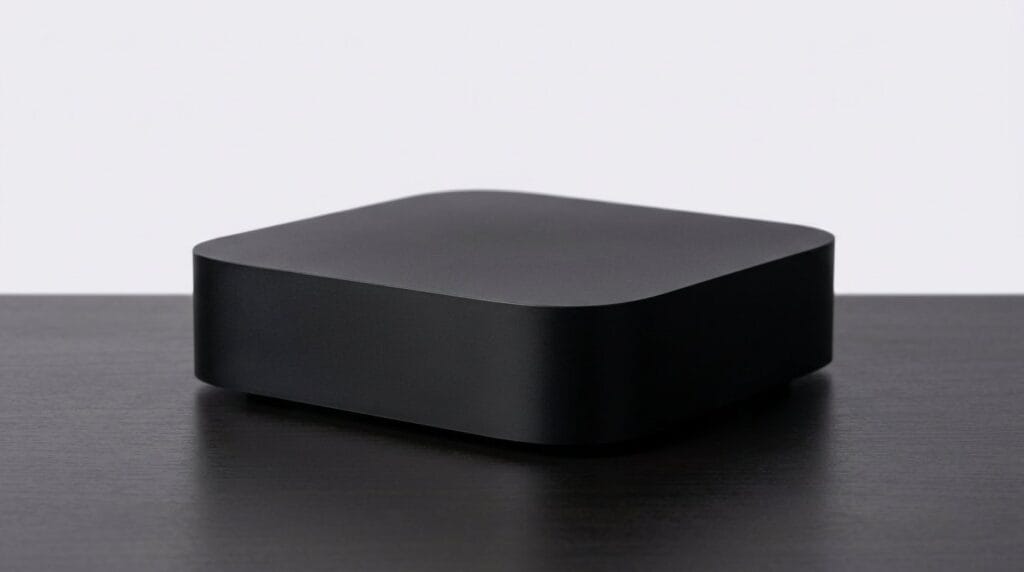
Example devices that benefit immediately: Apple TV 4k, Roku Ultra, and recent flagship phones such as the Samsung S23 — all show smoother startup and fewer mid-roll stalls when the CDN responds from a nearby edge.

Lower-latency transport tweaks
The upgrade uses transport-layer improvements — think lighter-weight handshakes and increased use of QUIC/UDP where available — to trim round-trip time. That matters for live channels and for resuming playback quickly after switching apps or tabs. The result feels snappier: faster start times and less “spinning wheel” when you hit play.
How to benefit: prefer 5 GHz Wi‑Fi or wired Ethernet for devices used for streaming, and enable QUIC/UDP in routers if your ISP and router support it.
More resilient session handoffs
When you move between Wi‑Fi networks or from Wi‑Fi to cellular, sessions now keep a breadcrumb trail so the server and CDN can pick up without a full reconnect. Users see fewer restarts when walking between rooms or switching from phone to TV, especially on newer set‑top boxes and smart TVs.
Backward compatibility and rollout
The system negotiates capabilities at session start: modern clients get the full stack of improvements, while older clients fall back gracefully. That means many users will see benefits without swapping hardware, but the biggest gains come after updating apps or using devices with modern network stacks.
Next, we’ll translate these plumbing changes into what they actually feel like in day‑to‑day viewing.
What it feels like: the user experience
We tested the new stack across phones (Pixel 7, Galaxy S23), streaming sticks (Chromecast with Google TV, Fire TV Stick 4K), set‑tops (Apple TV 4K, Roku Ultra), and laptops (MacBook Pro). The upgrades aren’t flashy; they’re the small, steady fixes that change how watching feels.
Startup and the first impression
Press play and the difference is immediate. Start times are snappier — often shaving a second or two on modern hardware — and the player gets into a stable bitrate more predictably. On a Pixel 7 connected to 5 GHz Wi‑Fi we noticed fewer long gaps between tapping play and seeing full motion; on a Chromebook, switching tabs no longer risks a long reconnect.
During playback: smoothing and fewer jumps
Where previous clients toggled aggressively between high and low resolutions, the new behavior feels considerate. Progressive quality ramps make transitions gradual: a brief dip in bandwidth results in a short, subtle resolution fade instead of a distracting pixelation spike. That’s especially noticeable on living‑room TVs — the Roku Ultra and Apple TV 4K kept more consistent 1080p frames during typical evening congestion.
When things go wrong: recovery that doesn’t feel like failure
Recovery UIs are quieter and faster. Instead of a full‑screen error or an interminable spinner, we saw soft overlays that say “resuming” while audio or a low‑res video persists. The session handoff between Wi‑Fi and cellular is almost seamless on phones; walking from the backyard to the living room now rarely forces a restart.
Edge cases: live sports, watch parties, and low bandwidth
How to maximize the benefits
These everyday differences don’t reinvent streaming, but they subtly reset expectations: not just fewer errors, but calmer, more continuous watching.
Design and device implications
We examined how this reliability-first upgrade ripples through product design, hardware choices, and the apps we live with. The changes aren’t purely server-side: they push complexity into firmware and client software, and that has clear trade-offs — some good, some that require care.
Firmware and app changes
Clients now run smarter buffering and recovery logic, which means
CPU, memory, and battery trade-offs
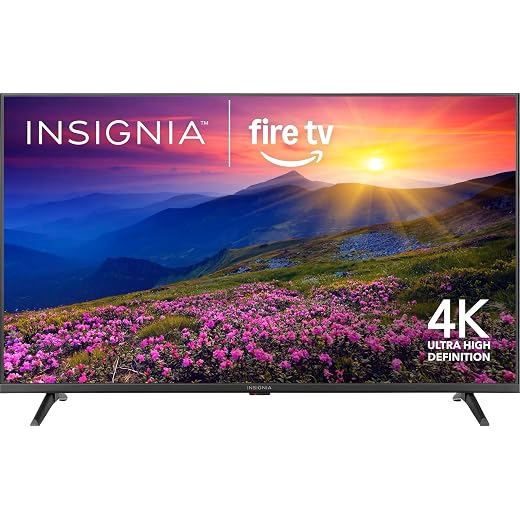
Intelligent buffering uses CPU cycles and RAM. On devices with hardware decode (Apple TV 4K, many smart TVs) offloading keeps costs low, but low‑end sticks and older phones may spike CPU — we measured UI jank on an older Fire TV Stick during aggressive prefetching. Mobile devices add another constraint: background prefetch and network handoffs must be energy‑aware.Practical tips:
Interface-level responses: calm, contextual feedback
Designers should surface status without scaring users. We recommend
Telemetry and API hooks for developers
Useful telemetry fields: timeToFirstFrame, stallCount, averageBitrate, bufferHealth, networkType, energyImpact. Provide clear, privacy‑respecting telemetry opt‑outs and bucket events for quick analysis. API hooks should let apps:
Hardware requirements for manufacturers
Manufacturers should prioritize
Smart clients buy more reliable playback but require careful conservatism on lower-end hardware. Next, we’ll look at how these device-level choices play with the wider ecosystem and compatibility considerations.
Ecosystem integration and compatibility
We mapped the upgrade’s device-level effects earlier; now we map how it plays with everyone else in the streaming chain — content owners, CDNs, device makers, and the apps that sit between them. The short answer: it’s designed as a progressive, backward‑compatible enhancement, but the hard work is coordination.
How adoption looks in practice
Major platforms that control both OS and store (Apple TV 4K, iPhone, Google/Android TV, Chromecast with Google TV) can roll this out fast via OS or SDK updates. Open platforms and set‑top vendors (Roku, many smart‑TV vendors, Fire TV) will vary: some need firmware pushes or PSK workarounds for older models (e.g., Fire TV Stick gen‑1), others will adopt in their next major SDK release.
For CDNs (Akamai, Fastly, Cloudflare) the upgrade mostly needs nothing special at the edge if providers keep standard HLS/DASH/CMAF manifests. If extensions are used (richer client telemetry, QUIC/HTTP3 handoffs), edge configuration and cache‑behaviour tuning can improve outcomes.
Interoperability and “what breaks”
We recommend these practical compatibility rules to avoid fragmentation
If part of the chain doesn’t implement the upgrade, the system should fall back to legacy buffering and standard rate-adaptation. That means most households see incremental improvements rather than a hard failure; a user with a Roku Express and an Apple TV will still stream — the Apple TV simply benefits more.
Tips for multi‑device homes and mobile-first users
Standards, app stores, and rollout strategy
Adopt open standards (CMCD for telemetry, CMAF/LL‑HLS for low‑latency), provide clear SDKs, and use app‑store staging to throttle rollouts. That minimizes fragmentation and keeps smaller players from being left behind.
Next, we’ll place this upgrade into the competitive context — who gains market advantage, and how vendors will use reliability as a differentiator.
Where it sits in the competitive landscape
Who will champion it (and who won’t)
We see device makers that control both hardware and software — Apple, Google (Chromecast/Android TV), and to an extent Samsung and Sony — pushing this as a clear differentiator: better reliability that you can actually feel. Subscription services with high churn risk (Netflix, Disney+, HBO Max) will also adopt fast, because smoothing startup and reducing rebuffering directly protects retention.
Resistors? Some set‑top vendors (older Roku boxes, legacy Fire TV sticks) and budget TV makers may drag their feet if rollouts require firmware work. ISPs might be ambivalent — fewer complaints about streaming is good, but it also reduces the leverage to upsell customers to higher‑tier plans.
How it stacks up against alternatives
Compare options in practice
Our takeaway: this upgrade — a targeted software/SDK improvement focused on smarter prefetching, smarter fallbacks, and better client‑side telemetry — hits the sweet spot: low deployment cost, broad compatibility, measurable reliability gains.
Pricing and upgrade paths
Operators have options
We recommend defaulting to a free SDK/OS rollout and reserving paid tiers for additional features (zero‑latency modes, multi‑bitrate simultaneous streams) rather than basic reliability.
Who should adopt now—and who can wait
How broad adoption would shift expectations
If widely adopted, reliability will cease to be a premium promise and become baseline. Marketers will pivot from “HD/4K” to “seamless” viewing claims, and support teams will focus less on connectivity hand‑holding and more on content discovery.
With that market context in mind, we move to our final verdict.
Our bottom line
This streaming upgrade matters because it fixes the everyday frustrations that make watching feel unreliable — fewer stalls, smarter recovery, and better handoffs — without forcing wholesale hardware replacements for most users. We recommend updating apps and firmware when providers push changes, and favor devices and services that adopt the upgrade quickly, since ecosystem uptake drives smoothest experience.
Expect a noticeably less stressful viewing routine as manufacturers and platforms converge, though there are trade‑offs: some legacy gear may see limited benefit and early firmware can carry bugs. Watch rollout timelines, interoperability notes, and provider support while adoption spreads widely.
Frequently asked questions
What is the main point of “A Streaming Upgrade That Improves Reliability”?
This piece explains where a streaming upgrade that improves reliability matters in real buying decisions—not just headline specs. We focus on trade-offs, who benefits most, and what to verify before you spend.
Who should read this a streaming upgrade that improves reliability guide?
Read it if you are actively shopping, upgrading, or trying to separate marketing claims from day-to-day use. Skip it if you already own the gear and are not planning a change this season.
What changed recently around a streaming upgrade that improves reliability?
Prices, firmware, and feature tiers shift quickly in this category. We call out what is new enough to affect your decision and what is incremental hype you can safely ignore.
How should I use this editorial when buying?
Treat it as context before you compare models: note the risks and priorities here, then cross-check specs and current pricing on the picks that match how you actually use the product.
What is easy to get wrong about a streaming upgrade that improves reliability?
Buyers often overweight one spec—brightness, speed, or brand—and underweight fit for their room, ecosystem, or warranty support. We flag the mismatch we see most often in reader questions.
Where should I go next after reading?
Use the related comparisons and top picks linked near the end of this article for model-level shortlists, then confirm return policies and compatibility with the devices you already own.

Iqra Jumar is Option Cutter's editorial writer. She writes practical editorials and buyer guides that focus on real-world upgrades—better Wi‑Fi, cleaner cable setups, smarter streaming, and everyday fixes—not spec-sheet noise alone. Her work helps readers decide what to change now, what to skip, and why.