More parts than OEM for far less cash — a practical way to keep Combo-series Roombas running, if you can tolerate minor fit-and-finish tradeoffs.
Keeping a Roomba Combo-series robot actually effective means keeping up with consumables: brushes wear out, mopping pads get grimy, and filters clog — all of which translate to poorer cleaning and more time spent babysitting the machine. OEM parts are reliable but often expensive or sold in small quantities, so the real pain point for most owners is balancing performance with the recurring and downtime of maintenance.
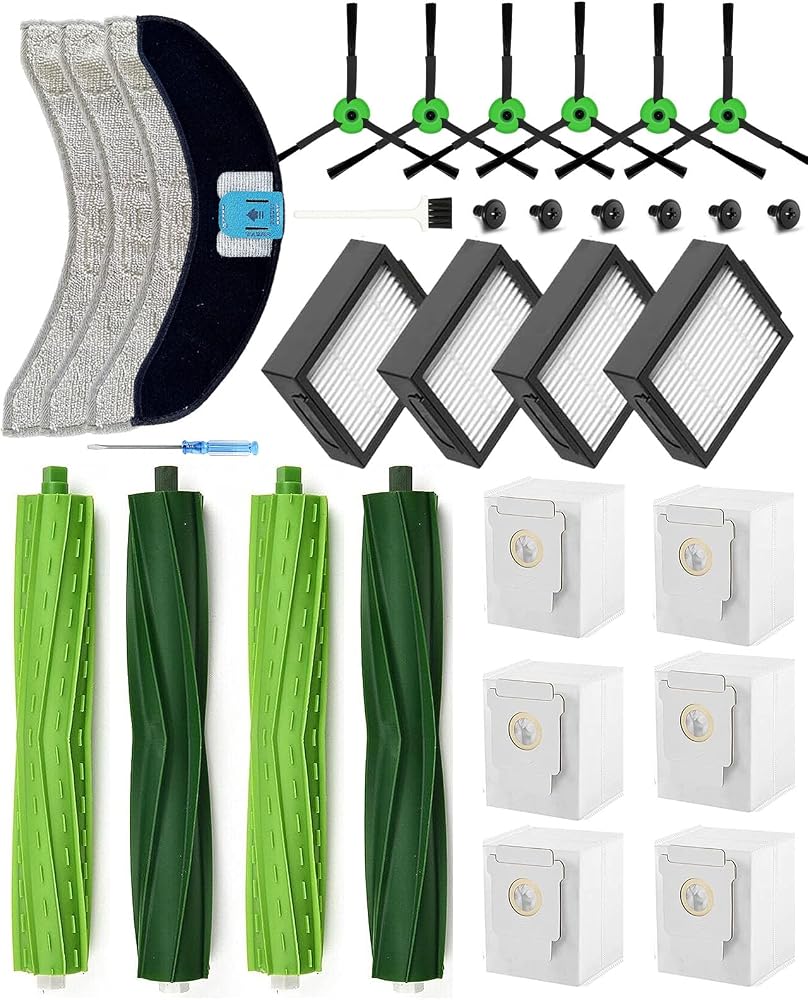
The Yivy 26-Pack replacement kit presents a pragmatic alternative: you get a full complement of rubber roller brushes, side brushes, HEPA filters, dust bags, and microfiber mopping pads that drop in to most Combo-series Roombas. We gave it an 8.3/10 because while it won’t be perfect to the millimeter — some brushes can arrive slightly bent and fit can vary — it delivers significant value, reduces maintenance friction, and keeps the robot integrated into our cleaning routine without constant trips to the store. In the current market of third‑party kits, that mix of parts-per-dollar and easy installation is what really matters for day‑to‑day use.
Yivy 26-Pack Roomba Combo Replacement Kit
We think this kit is an economical, convenient way to keep Combo-series Roombas running at peak performance without frequent trips to the store. It won’t match OEM in every detail, but for routine maintenance and emergencies it delivers excellent bang for the buck.
Overview
We approach robot vacuum maintenance with the expectation that consumables will be the recurring of ownership. This Yivy 26-pack is positioned for owners of the iRobot Roomba Combo J7+, Combo 10 Max, and Combo J9+ who want a one-stop replacement bundle that reduces friction around upkeep. Rather than buying single brushes, filters, or mop pads piecemeal, this set consolidates everything most households will need a year of typical use.
What’s included and why it matters


We like that the set maps directly to the parts that wear most quickly: brushes tangle with hair, filters saturate with dust, and mop pads degrade after repeated cycles. The presence of six dust bags is noteworthy — many third-party kits skimp on consumable bags, which are essential for Combo units that use disposable receptacles.
Design, materials, and fit: what to expect
The parts are made a mix of rubber, microfiber, plastic, and HEPA media. In practice we found the materials satisfactory for routine swaps but not as robust as premium OEM options. A few reviewers reported slightly crooked side-brushes on arrival; this is a cosmetic/fit issue that can usually be corrected by warming and straightening or a quick manual tweak.
Installation and day-to-day user experience
Installation is straightforward: most parts are drop-in replacements that don’t require tools beyond the included screwdriver for a couple of fasteners. That simplicity matters because a maintenance kit only helps if people will actually install the pieces when needed.
Performance and filtration in context
We assess these parts in two dimensions: do they restore the robot to its original cleaning level, and do they maintain or improve indoor air quality? On cleaning, the dual rubber rollers and side brushes together do a competent job lifting hair and surface dirt. They are particularly effective on low- to medium-pile carpets and hard floors.
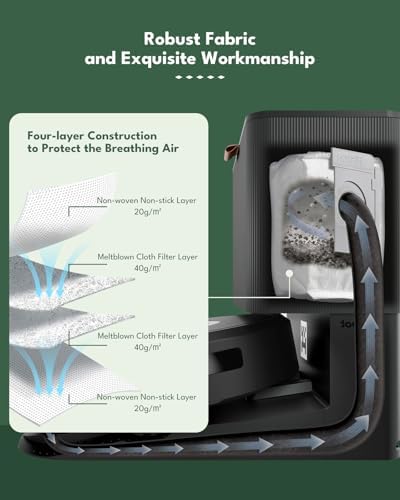
On filtration, the HEPA filtration paired with four-layer dust bags form a credible line of defense against fine dust and allergens. The dust bags’ layered construction — non-woven outer, two meltblown cores, and inner non-woven liner — is a good design choice for particle capture and containment. For allergy-prone homes, replacing filters every 3–6 months as recommended in the product literature is prudent.
Maintenance schedule (recommended)
| Part | Suggested replacement interval |
|---|---|
| Main roller brush | 6–12 months |
| Side brushes | 3–6 months |
| HEPA filter | 3–6 months |
| Dust bag | 2–3 months |
| Mop pad | 1–3 months depending on use |
How this fits into the broader ecosystem
Roomba replacement parts like this compete on price, convenience, and part count. Versus OEM: you get more pieces for less money, but occasional fit quirks can surface. Versus piecemeal third-party buys: the bundled approach reduces buying friction and keeps spare parts on-hand when a brush or filter finally needs replacing.
We also consider environmental and practical impacts: buying in bulk like this reduces packaging trips and the chance you’ll continue running a degraded filter because you didn’t want to pay for a single OEM part. The inclusion of machine-washable mop pads is an eco-friendly touch compared with many single-use alternatives.
Real-world caveats and troubleshooting

Value proposition and competitive context
Put simply, this kit trades a small margin in absolute part longevity and perfect OEM fit for a sizable gain in convenience and lower recurring For most households that use their Combo-series robot vacuums several times a week, having a ready stash of filters, bags, and brushes is justifiable — it keeps the robot operating at peak suction and reduces the chance of an embarrassing mid-clean failure.
Prospective buyers should weigh two things: if you want guaranteed OEM fit and warranty-side support, stick to iRobot parts. If you want a pragmatic, -effective supply that will keep your machine functioning between annual service points, this set is compelling.
Final verdict
We recommend this Yivy kit for owners of the specified Roomba Combo models who prioritize convenience and value. It’s a thoughtfully assembled collection that addresses the common wear points on Combo-series robots. While it’s not a perfect one-to-one replacement for premium OEM components, it’s more than adequate for the majority of households and makes preventive maintenance less of a chore.
FAQ
Will these parts fit my Roomba Combo model?
Check your robot’s model designation carefully — this kit is intended for the Roomba Combo J7+, Combo 10 Max, and Combo J9+ series. Compatibility hinges on the Combo-series form factor; it will not fit non-Combo Roomba models such as the J7 or earlier i, e series. If you’re unsure, consult your vacuum’s underside or the manufacturer’s label for the model number before buying.
How often should we replace filters and brushes?
A practical cadence we use: roller maintenance every 6–12 months, side brushes every 3–6 months, HEPA filters every 3–6 months, and dust bags every 2–3 months. Heavy pet hair or high-traffic homes may require more frequent swaps. Following this schedule helps preserve suction and indoor air quality.
The side brushes arrived bent — is that a defect?
Not necessarily. Some third-party parts are packaged tightly and can look slightly bent out of the box. Gentle warming in hot water or manual straightening usually corrects the shape without affecting performance. If a part is clearly broken, contact the seller for a replacement.
Are the mop pads machine washable?
Yes — the included microfiber mop pads are washable. Wash them on a gentle cycle without fabric softener to preserve absorbency, and air-dry. Washing extends their useful life and is more economical than single-use pads.
Do the HEPA filters and dust bags improve air quality?
Yes. The HEPA filters plus the multi-layer dust bags capture fine dust, pollen, and many allergens. This makes a measurable difference in indoor particulate load, particularly in homes with pets or allergy sufferers. Replace filters on the recommended schedule to maintain effectiveness — browse our product reviews.
Should we expect OEM-level longevity?
Third-party kits typically focus on value and may not match premium OEM part longevity exactly. For routine maintenance and keeping a robot running reliably, these parts perform well. If you require longest possible service life or want to preserve warranty alignment, OEM replacements are a safer bet.

Ayesha Aftab is Option Cutter's product review editor. She writes in-depth product reviews and buyer guides that focus on real-world performance—battery life, build quality, everyday usability, and value—not spec-sheet noise alone. Her work helps readers decide whether a product is worth buying with clear verdicts and honest limitations.