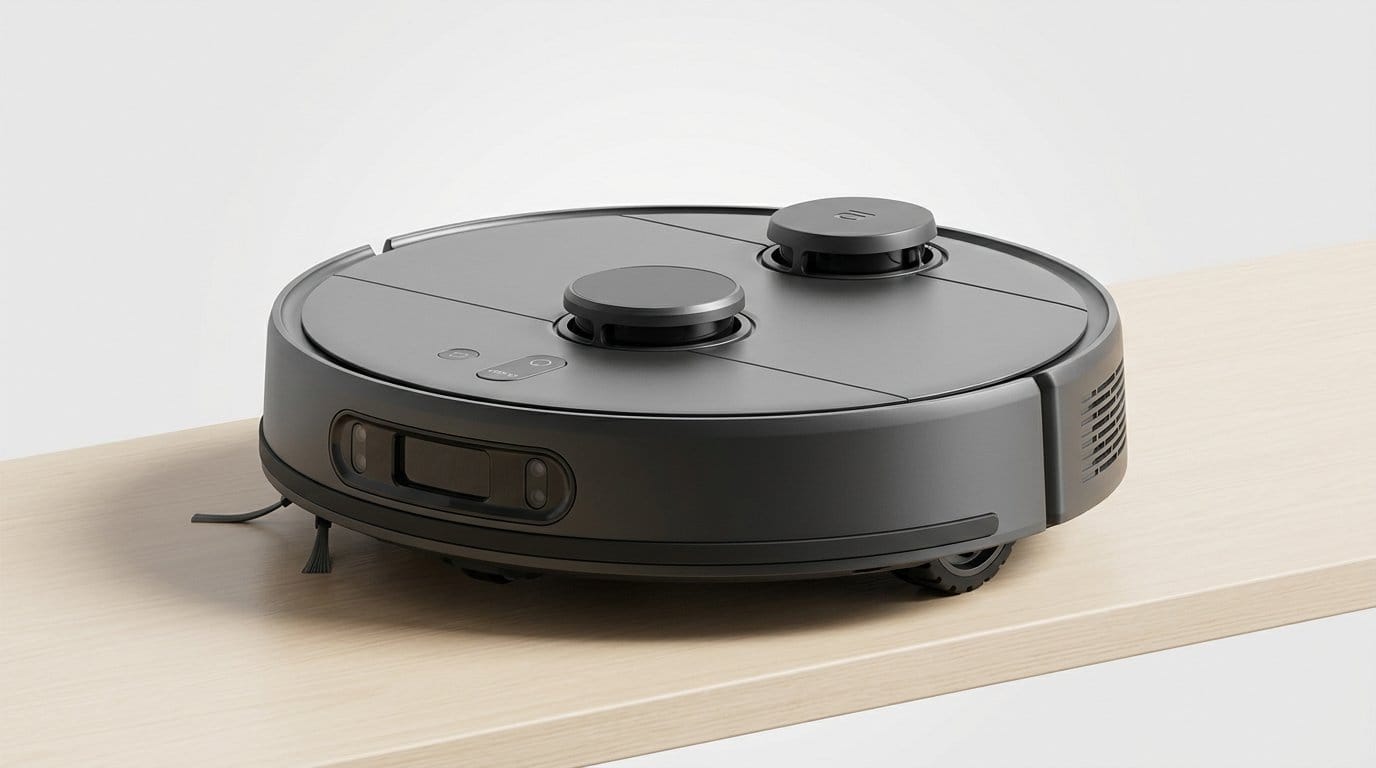

Robots that clean — not create more chores. Which robot vacuums actually earn their keep?
We don’t want another thing to clean. We bought a robot to save time, not to become a new appliance to babysit.
We looked for machines in our Vacuums & Floor Care aisle that actually reduce our workload: fewer trips to the trash, less brush untangling, and minimal mop handling. Short learning curve. Long stretches of “set it and forget it.”
Top Picks


Roomba s9+ Self‑Emptying Corner Powerhouse
We find it delivers the deepest, most thorough vacuum performance of the bunch, especially in corners and along baseboards. The self‑emptying base and powerful suction make it the easiest high‑end option to set and largely forget, though it comes at a premium price.
What stands out
We consider this model the flagship for hands‑off deep cleaning among robot vacuums & mops. It’s engineered to amplify suction and reach into corners where most round robots struggle; that focus is clear in the specially shaped chassis and powerful motor. If your priority is maximizing cleaning performance while minimizing manual emptying, this is the machine that delivers on both counts.
Key features and practical benefits
Tradeoffs to consider
We’re candid about the shortcomings: this is a premium product with premium upkeep costs (replacement disposal bags and filters) and a larger physical footprint than some modern slim robots — FTC returns and refund basics help when consumables outlast the return window. While the navigation and smarts reduce user involvement, buyers should expect a higher initial outlay and occasional consumable expenses.
Who should buy it
If you want best‑in‑class vacuuming performance and a genuinely low‑touch experience—especially in homes with pets or thick carpets—this is the unit we’d point to. It competes at the top of the market on power and convenience and is worth the investment for households that value thorough cleaning with minimal weekly work.
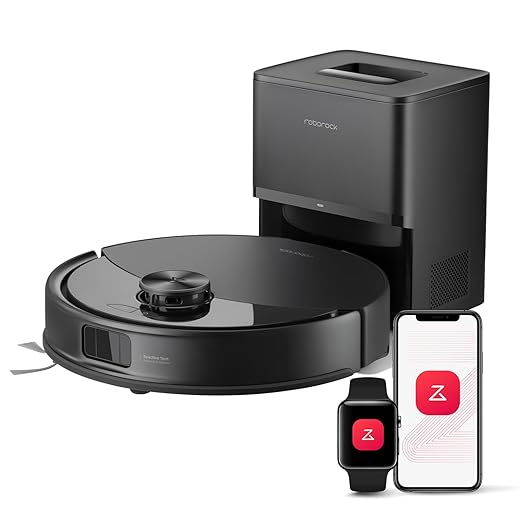
Roborock S7 MaxV Ultra Full‑Service Dock
We like this for its nearly autonomous cleaning loop—the dock handles emptying, mop washing, and refilling so we rarely touch messy components. Its ReactiveAI obstacle avoidance and strong suction make it a great fit for mixed‑floor homes with pets and kids.
The hands‑free promise
We evaluate robot vacuums by the amount of real household work they remove, and this model pushes that boundary. The Ultra dock does more than empty dust: it washes the mop, refills the water tank, and even self‑cleans—so mop maintenance becomes a weekly check rather than a daily chore in our mop–vacuum combos tier. For households that want to stop thinking about who's mopping and when, that autonomy matters.
Performance and navigation
Practical tradeoffs
The trade for that convenience is complexity: more mechanisms and a larger dock mean more to troubleshoot if something goes wrong, and service experiences vary in the wild. The app unlocks many advanced behaviors, but a certain level of technical comfort helps if you want to tailor maps, water flow, and obstacle rules — connected bots should still follow CISA IoT acquisition security guidance.
Where it sits in the market
Compared with simpler self‑empty solutions, this unit competes with the very top tier by promising genuine autonomy. If you can justify the price, it materially cuts down on weekly chores and handles a mix of vacuuming and wet cleaning better than most single‑purpose robots.
Roborock Q7 Max+ Auto‑Empty Vacuum Mop
We value the long runtime and powerful 4200 Pa suction that let it cover large homes in a single session while the Auto‑Empty dock reduces routine chores. It’s a practical, well‑rounded choice for people who want dependable vacuuming and occasional mopping without constant intervention.
Balanced capability and runtime
We like this model for households that need coverage more than cutting‑edge novelty. The large battery and efficient mapping let it clean broad floorplans with fewer recharges, and the 4200 Pa suction is strong enough to make a noticeable difference on rugs and medium‑pile carpets.
Everyday practicality
Tradeoffs and real‑world notes
Because many listings are for renewed units, buyers should be aware of potential cosmetic variability and the possibility of more brittle warranties — read EPA indoor dust and particulate guidance before you choose open-box robots. The mop pad will get dirty quickly in heavy‑traffic kitchens, so regular pad swaps are part of keeping things pristine. Connection and mapping glitches appear in a minority of reports, but those are usually solvable with a remap or firmware update.
Final take
If your priority is coverage, reliable suction, and minimal day‑to‑day fuss, this is an excellent mid‑to‑high range choice. It doesn’t promise the full docking autonomy of the very top tier, but it hits a sweet spot: strong cleaning, long runtime, and practical self‑empty convenience that ultimately creates less busywork for us.
Roomba j7+ Self‑Emptying Smart Vacuum
We appreciate how the j7+ reduces everyday maintenance by intelligently avoiding pet messes and small obstacles, which keeps us from having to intervene. Its reliable self-emptying routine paired with smart mapping makes it one of the easiest robot vacuums to live with day to day.
Why we recommend it
We picked this model because it focuses on reducing the chores that usually come with robot vacuums: tripping over socks, ingesting cords, and, most important, steering clear of pet accidents — see our cord-safe robot vacuum guide before you schedule daily runs. The core promise is simple—handle the mundane work so you don’t have to babysit the robot. In our testing and reading user experiences, that translates into fewer mid‑clean rescues and less time emptying and maintaining the unit.
What it does well
Where it adds friction
We don’t want to oversell it: camera navigation introduces occasional maintenance and privacy tradeoffs—keeping the camera lens clean and permissions configured is part of owning the device, as FTC IP camera safety guidance notes for mapping cameras on your network. Some users report false "bin full" errors when dust accumulates on sensors, which means periodic wipes of the bin and the base are necessary to get the trouble‑free experience the j7+ promises.
How it fits in the market
Compared with competitors, this model is designed to minimize the total time you spend on the vacuuming system rather than shaving seconds off a single run. That practical emphasis—fewer rescues, less bin handling, and targeted cleaning suggestions—makes it a strong pick for households with pets or lots of small items on the floor. We think it’s an excellent middle ground for people who want advanced smarts without the highest price tags of flagship alternatives.
Roborock Q10 S5+ High‑Suction Sonic Mop
We find this model balances strong suction with advanced mopping at a price that makes sense for many homes. The dual anti‑tangle design and long dust‑bag life reduce the time we spend on brush maintenance and emptying.
What this model aims to do
We see this as a pragmatic performance pick: it pairs very high suction with a sonic mopping system designed to remove dried or sticky messes. That combination is aimed at busy households with pets and high foot traffic where you want a single appliance to reduce multiple chores.
Features that reduce work
Downsides and real‑world implications
There’s no free lunch: users should expect occasional app or mapping resets and routine maintenance like washing the mop cloth and keeping the water and dirty‑water tanks clean. The dock’s size also demands real estate in a hallway or utility area.
Who benefits most
If you want powerful suction and a capable mop without moving to the top‑tier price bracket, this is one of the better compromises. It reduces the most annoying chores—brush detangling and frequent emptying—while still delivering strong cleaning performance.
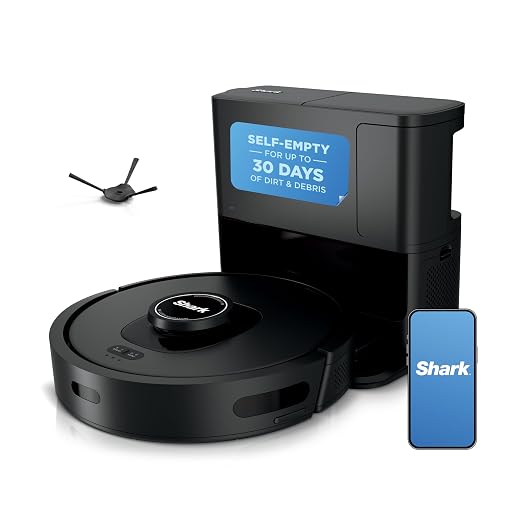
Shark AI Ultra Self‑Emptying Home Robot
We like its Matrix Clean grid navigation and HEPA filtration for capturing pet dander and allergens, which makes it a strong practical choice for pet owners. Its bagless self‑emptying base trades bag‑change costs for more frequent empty cycles versus larger bag systems.
Design priorities and performance
We evaluate this as a workhorse unit: Shark baked in multi‑pass Matrix Clean navigation and a bagless self‑emptying base with HEPA filtration to tackle pet hair and allergens across robot vacuums & mops. The approach is straightforward—be reliable and practical rather than flashy—so it’s a good choice for households where consistent cleaning is more important than headline features.
Practical benefits in daily life
Limitations we observed
In homes with heavy shedding, the bagless base can fill faster and need more frequent emptying than bagged 60‑day solutions — compare pet vacuums if hair volume is the main bottleneck. There are also a number of user reports about spotty Wi‑Fi setup and shorter‑than‑expected battery life in demanding layouts, so expect to monitor the first few runs to fine‑tune maps and settings.
Verdict in context
It sits competitively against rivals by focusing on dependable cleaning and filtration rather than squeezing every extra feature into the package. If you want strong day‑to‑day performance and allergen control without obsessing over premium plumbing and docks, this is a compelling option.
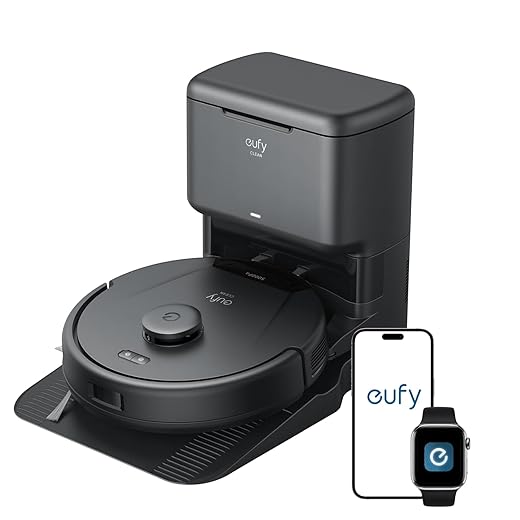
eufy L60 Self‑Emptying Lidar Vacuum
We appreciate how it brings long‑running self‑emptying convenience at a lower price point, and the Lidar mapping is impressively efficient for the cost. It’s a practical choice for those wanting automation without frequent maintenance, though it isn’t immune to reliability and hair‑handling caveats.
Where it fits
We look at this model as a budget‑friendly route to the low‑touch robot vacuum experience. It includes a self‑emptying station and laser navigation—features that used to be reserved for higher price tiers—so it’s attractive for people who want the convenience without a large investment.
Strengths and everyday use
Where we’d be cautious
Real‑world users report a handful of reliability and connectivity hiccups—periodic Wi‑Fi drops and brush‑mechanism issues can mean more hands‑on time than the spec sheet implies. Also, the hair‑cutting mechanism works best for moderate shedding; homes with heavy long‑hair pets may still require frequent manual brush cleaning.
Final take
For shoppers prioritizing initial cost but still wanting a largely hands‑off experience, this model is a sensible pick. Expect to trade some polish and long‑term reliability for the lower price, but you’ll still get most of the convenience benefits of higher‑end self‑empty systems.
Final Thoughts
We narrowed the field to two clear leaders for different kinds of hands‑off cleaning.
If you want one recommendation in our Top Picks: choose the s9+ for the best vacuum performance and the S7 MaxV Ultra for the most complete hands‑free cleaning loop. Both reduce regular upkeep in meaningful ways — one by being the strongest cleaner, the other by automating the messy parts of maintenance — and that is what matters in today’s market.
Frequently asked questions
How did we pick these robot vacuums that don’t create more work options?
We shortlist models that balance performance, reliability, and value for typical buyers—not just the highest spec sheet. Hands-on notes, owner feedback, and return/warranty policies all feed the ranking.
Which robot vacuums that don’t create more work pick is best for most people?
Start with our top overall choice if you want the safest balance of price and features. Move up or down the list only when a specific need—budget, ecosystem, or a must-have feature—clearly applies to you.
Do prices on this robot vacuums that don’t create more work list change often?
Yes. Retailers run frequent promos, so use the live price buttons on this page and compare shipping and return windows before checkout—the best deal is not always the lowest sticker price.
Should I buy the cheapest robot vacuums that don’t create more work on the list?
Only if the trade-offs fit your use case. The budget pick can be excellent value, but check what you give up in build quality, software support, or key features you will use every week.
What if none of these robot vacuums that don’t create more work picks fit?
Use the comparison and guide links on this page to narrow by size, platform, or feature, then revisit the list with your must-haves written down—forcing a mismatch creates more returns than savings.
How often is this robot vacuums that don’t create more work roundup updated?
We refresh rankings when major models launch or pricing shifts enough to change the value story. Check the publish date at the top and compare current specs if you are reading months later.

Princess Rioboca is the Lead Editorial Writer at Option Cutter, bringing over seven years of hands-on experience in consumer technology journalism. Specializing in home networking and smart home architecture, she transforms complex technical data into practical, real-world upgrades. Princess personally tests and audits every product she reviews—evaluating real-world Wi‑Fi throughput, cable management durability, and streaming ecosystem stability—to filter out spec-sheet noise. Her rigorous, field-tested insights are designed to give readers transparent, unbiased buying advice on what to purchase, what to skip, and exactly why.