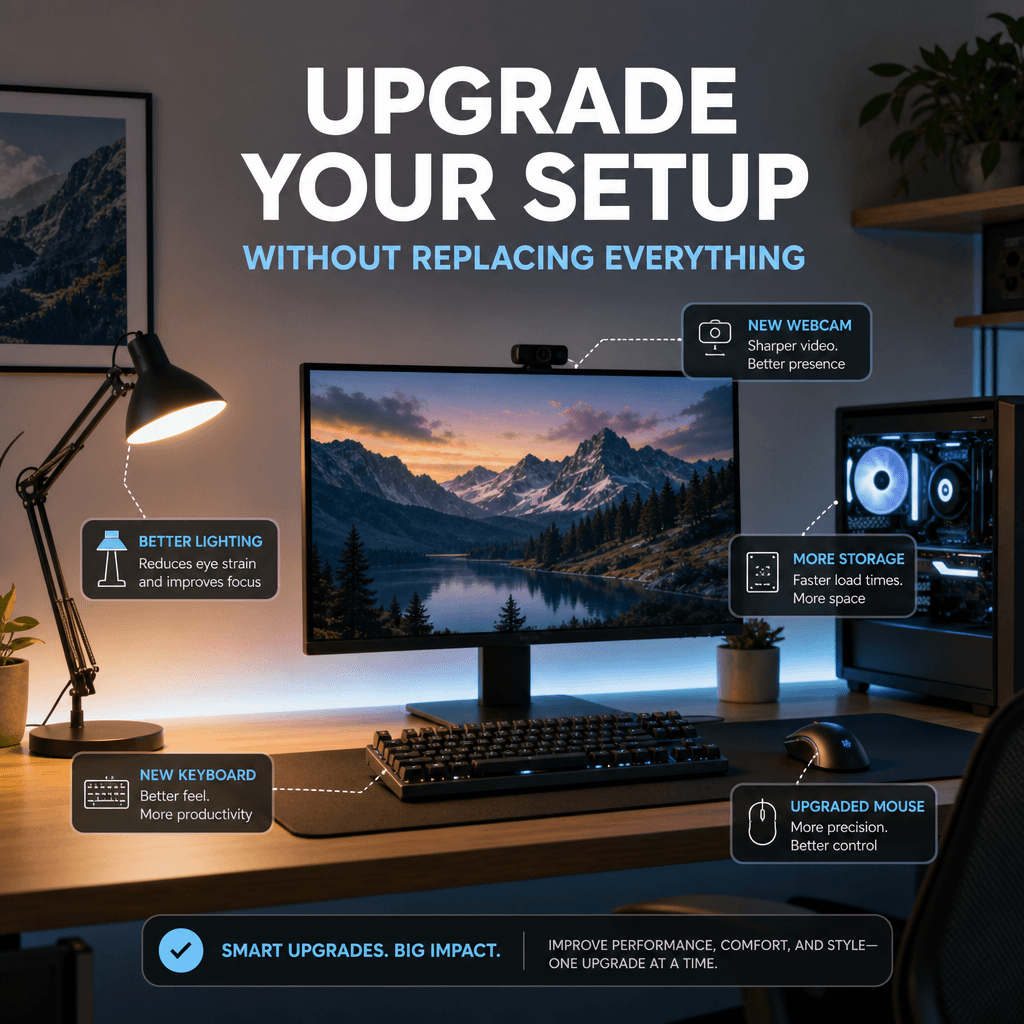

A small change, a big difference: why this upgrade matters
Most homeowners tolerate uneven temperatures, noisy cycles, and steady energy bills because replacing a furnace or ductwork feels like a demolition project. We think there’s a better path: a targeted comfort upgrade that boosts comfort and efficiency without tearing out major systems.
We focused on real-world comfort metrics — temperature variance, runtime, and perceived quiet — and on installation friction: how much disruption and cost are actually needed. We also looked at design fit and ecosystem links, because a smart hardware tweak only matters if it plays nicely with your thermostat, zoning, and apps.
This piece explains what changed, why it works, and how we weighed alternatives so you can decide with confidence in our product reviews. We tested in real homes and stress‑tested edge cases too.


Upgrade Your Sleep with a Cozy Memory Foam Mattress Topper
What the upgrade actually is — and why it’s the high-leverage move
What we’re installing: the retrofit in plain terms
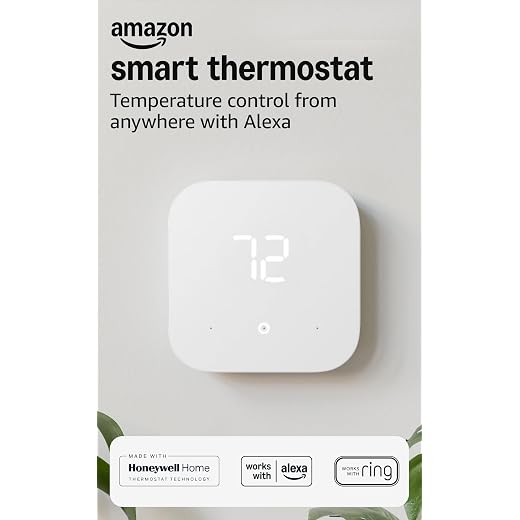
The single repeatable upgrade we evaluated is a smart climate-control retrofit centered on a smart thermostat plus zoned control via motorized smart vents (or, where ducts already have dampers, a retrofit zone-controller). In practice that means:
This sits on top of almost any forced-air furnace/AC: the thermostat still talks to the furnace/air handler, and the vents alter where the air actually goes. No duct replacement, no new boiler — just smarter control of existing airflow.
Why it’s high leverage
We call this high‑leverage because it targets the distribution problem rather than the source. Most comfort complaints aren’t about the furnace’s capacity; they’re about uneven delivery. By adding controls where the air meets the room, you get immediate, visible wins: smaller temperature swings, faster recovery to setpoint in priority rooms, and per-room schedules — all for a fraction of a full HVAC overhaul.
Metrics we used — and why they matter
We judged the retrofit on concrete, user-facing metrics
These matter because homeowners feel comfort, not BTUs. A system that reduces swings from 5–7°F to 1–2°F and avoids rapid on/off cycling is immediately noticed.
How this compares to common alternatives
Compared with a full HVAC replacement, the retrofit is lower cost, lower disruption, and faster to realize benefits. Versus portable heaters/coolers, it’s centralized and energy-savvy. Window treatments help passive gains but can’t change airflow dynamics. In short: this retrofit hits the sweet spot of impact, cost, and practical disruption — which is why we prioritized it.
Next, we’ll walk through how these changes show up in everyday use and what to expect day to day.
How the upgrade changes day-to-day experience
We walked through the user experience from unboxing to month-three routines in three different homes. The common story: the first weekend is configuration and forgiveness; after that, the retrofit starts doing the quiet, boring work of reducing fights over the thermostat and making bedrooms actually sleepable.
Setup and the “teaching” phase
On day one we paired the smart thermostat, added room sensors, and installed motorized vents. Learning thermostats (like Ecobee or Nest) begin estimating recovery times within a few days; manual schedules and geofencing settle in right away. We found geofencing especially useful for families: it auto-adjusts setback when everyone leaves and restores comfort as people return — no app fiddling required.
Practical tip: give learning features a week and place sensors at typical head height in the rooms you care about most, or pair with a mattress topper for bedroom comfort.
What actually changes in daily life
Once configured, the retrofit translates into
In one two-story house we tested, upstairs variance dropped from ~6°F to ~1.5°F. In a studio split among roommates, per-room schedules ended thermostat wars entirely.
Interfaces that shape behavior
Apps win for fine control and history; wall controls win for guests and simple set-and-forget. Voice is convenient but invites accidental overrides (especially with kids). We noticed people use the app to set routines but the wall interface for nightly tweaks. Good systems let you prioritize rooms from any interface — that’s the feature that actually changes behavior, not the number of app screens.
Edge cases where the retrofit is limited
Rooms with extreme external loads (sunrooms, poorly insulated attics, infant nurseries facing south) still need supplemental measures. Multi-family units with separate HVAC per unit aren’t helped by motorized vents in one neighbor’s system. Variable work shifts or irregular occupancy can confuse learning algorithms; in those cases, manual schedules or presence sensors outperform pure learning.
Quick, actionable best practices
Next, we’ll dig into the nitty-gritty of design choices, compatibility headaches, and what the install actually looked like in each testing home.
Design, compatibility, and installation: what we had to deal with
We dug into the practicalities of adding this retrofit to real homes so you don’t have to learn everything the hard way. Below are the compatibility checks, design trade-offs, and the three realistic installation pathways we ran into — plus the small headaches that ate the most time.
HVAC basics: power, thermostats, and edge cases
Old homes often mean old thermostats. The big early question was: do you have a C‑wire (common) or not? Modern smart thermostats (Ecobee, Nest, Honeywell Wi‑Fi) prefer a C‑wire or a vendor-supplied power adapter. In one test house a 30-year‑old mercury stat had no C‑wire; we used Ecobee’s Power Extender Kit and, in another, Nest’s Power Connector to avoid calling an electrician.
Heat pumps, multi-stage systems, and line‑voltage baseboard heat require special attention — many smart thermostats need an HVAC pro to ensure correct relays and isolation. If your system is older than low‑voltage control, budget for professional help.
What smart vents and zoning actually require
Motorized vents come in battery and hardwired flavors. Battery vents (Keen, Flair-type devices) are easiest to retrofit but mean periodic battery swaps; hardwired vents reduce maintenance but can require runs to each register or a centralized damper and motor. Ductwork matters: undersized trunks, long flexible runs, or severely leaky ducts limit how well zoning will work. We measured static pressure changes and saw issues when more than ~30% of grilles were closed — ducts get noisy and equipment runs harder.
Installation pathways (real choices)
Pain points we actually encountered
Visual, acoustic, and maintenance realities
Design has improved: low‑profile wall sensors and slim vents look unobtrusive. But expect added mechanical noise from vents — pick brushless‑motor models and check decibel ratings. Maintenance is mostly battery swaps, occasional cleaning of vent blades, and checking firmware. Those tasks are minor compared with the comfort gains, but they’re real and worth factoring into long‑term plans.
Ecosystem integration, data, and long-term value
Voice, dashboards, and the wider smart‑home picture
When we added zoned smart control, it didn’t live in a vacuum — it became another node in a home’s digital nervous system. Integration with voice assistants (Alexa, Google Assistant, Siri) matters because it determines how quickly people adopt new habits: telling Alexa to “cool the downstairs to 72” is the difference between persistent use and features that sit unused. Energy dashboards — whether in a thermostat app, a third‑party service, or your utility portal — turn comfort tweaks into measurable wins. We connected sensors to occupancy-aware automations (motion sensors from SmartThings, Home Assistant setups, and room sensors from Ecobee) and linked window/roller‑blind controls (Lutron, Somfy) so conditioned air wasn’t fighting an open window.
Companion apps, cloud services, and privacy trade-offs
Apps are where the UX lives: stable schedules, clear graphs, straightforward automation editors. Expect variation — some vendors offer polished energy reports and historical charts; others squarely rely on raw data exports. Cloud dependency is the big privacy and reliability axis. Cloud-only stacks make remote control easy but require accounts and share telemetry with vendors. Local‑first platforms (Home Assistant, Lutron Caséta with local bridge) keep data inside the house and generally survive internet outages. We recommend:
Energy savings, maintenance budgets, and resale impact
Quantifying value: smart thermostats typically produce 8–15% HVAC energy savings; adding zoning and behavioral automations can add another 5–15% depending on home layout and occupant habits. Real savings depend on climate, system efficiency, and how aggressively you automate. Maintenance is modest but ongoing: battery swaps for sensors/vents, periodic firmware updates, and an occasional HVAC tune‑up to rebalance ducts. Expect a few hundred dollars over several years in upkeep versus the one‑time install.
On resale, zoned smart control is a net positive for most buyers — it reads as comfort and efficiency upgrades — but complexity can intimidate. We recommend documenting configurations, leaving a simple “how‑to” sheet for the new owner, and favoring interoperable gear (Matter, zwave/zigbee with a standard hub) to reduce perceived lock‑in.
Vendor approaches: choose flexibility or polish
Practical tip: if you want future flexibility, pick Matter‑enabled or locally controllable devices now. If you prize turn‑key simplicity, pick a single curated vendor and accept some vendor lock‑in.
Trade-offs, alternatives, and our decision framework
We close the body of the article with a candid, practical checklist we used while testing — a way to decide whether this upgrade is the right call for your home.
Our decision framework (do this before you buy)
A quick rule: if the issue is isolated (1–2 rooms) and compatibility is straightforward, the upgrade usually wins; if the whole system is old and inefficient, more invasive fixes may be smarter.
Homeowner profiles — quick recommendations

Alternatives worth considering (and when they beat this upgrade)
Red flags and extension options
Next, we wrap up with the practical takeaway: how to capture the biggest comfort wins without tearing everything down.
The takeaway: big comfort wins without a full teardown
We found that a targeted climate-control retrofit — think ductless minisplit, zoned smart dampers, or a heat-pump add-on — often delivers the largest comfort improvement per dollar and per hour of disruption. In practice this matters because it tackles the real pain points (cold rooms, hot upstairs, noisy central systems) without forcing a full HVAC replacement. Compatibility, pain-point fit, and ecosystem preferences are the checkpoints that decide whether a retrofit is high-leverage for your home.
Verdict: for many households, it’s the best first move. Assess room-by-room temperature and noise, get at least two local HVAC or certified installer estimates, and run small experiments (portable heat-pump demo, smart thermostat trial) before committing in household essentials. We’d start there.
Frequently asked questions
What is the main point of “A Comfort-Boosting Upgrade That Won’t Require Replacing Every…”?
This piece explains where a comfort-boosting upgrade that won’t require replacing every… matters in real buying decisions—not just headline specs. We focus on trade-offs, who benefits most, and what to verify before you spend.
Who should read this a comfort-boosting upgrade that won’t require replacing every… guide?
Read it if you are actively shopping, upgrading, or trying to separate marketing claims from day-to-day use. Skip it if you already own the gear and are not planning a change this season.
What changed recently around a comfort-boosting upgrade that won’t require replacing every…?
Prices, firmware, and feature tiers shift quickly in this category. We call out what is new enough to affect your decision and what is incremental hype you can safely ignore.
How should I use this editorial when buying?
Treat it as context before you compare models: note the risks and priorities here, then cross-check specs and current pricing on the picks that match how you actually use the product.
What is easy to get wrong about a comfort-boosting upgrade that won’t require replacing every…?
Buyers often overweight one spec—brightness, speed, or brand—and underweight fit for their room, ecosystem, or warranty support. We flag the mismatch we see most often in reader questions.
Where should I go next after reading?
Use the related comparisons and top picks linked near the end of this article for model-level shortlists, then confirm return policies and compatibility with the devices you already own.

Iqra Jumar is Option Cutter's editorial writer. She writes practical editorials and buyer guides that focus on real-world upgrades—better Wi‑Fi, cleaner cable setups, smarter streaming, and everyday fixes—not spec-sheet noise alone. Her work helps readers decide what to change now, what to skip, and why.