
Want to hear your playlist and the traffic at the same time? Here’s how to upgrade your runs without losing your ears to silence.
We won’t trade situational awareness for bass. Running shouldn’t turn us into noise-isolated zombies.
Open-ear (bone-conduction) headphones let us hear music and the world at once. They’re light, comfy, and built for movement. We tested designs, call quality, waterproofing, and how much real music they actually deliver so you can pick the right tool for your workouts.
Top Picks


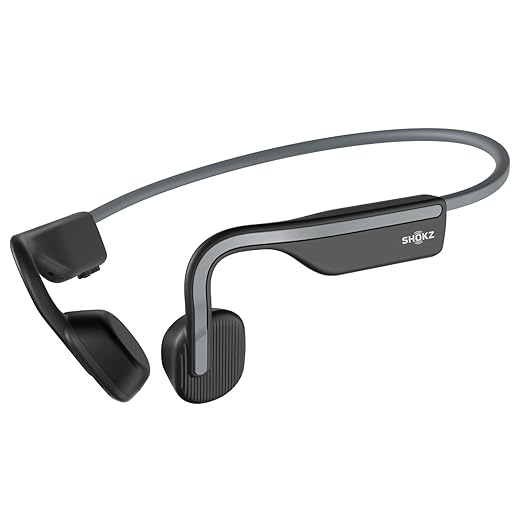


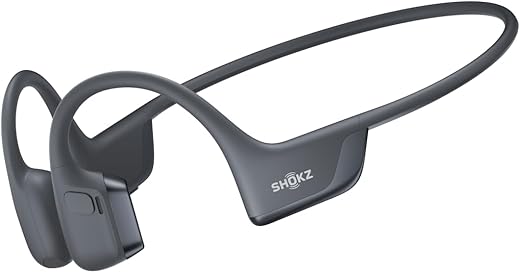
Shokz OpenRun Pro 2 Bone Conduction
This model brings the best compromise we’ve found between openness and musicality, adding a fuller low end without sacrificing environmental awareness. It’s the pick for runners who want motivating music and reliable call quality without blocking ambient sound.
What makes it stand out
We consider the OpenRun Pro 2 the most balanced open‑ear headphone we’ve tested for active users who care about music as much as situational awareness. The hybrid approach—combining bone conduction with air conduction cues and dedicated drivers—produces better perceived bass and a more satisfying musical presentation than typical bone‑conduction designs.
Fit, features, and ecosystem
The unibody frame uses a Ni‑Ti memory wire for a secure, low‑profile fit that stays put during sprints or gym circuits. The companion app exposes EQ profiles (Classic, Volume Boost, and a 5‑band custom option) so you can adapt to quiet trails or noisy city streets. Battery life is solid at roughly 12 hours, and Bluetooth 5.3 keeps connections stable across phones and wearables.
Limits and how they matter in the market
Even with the Pro 2’s improvements, this category still can’t replicate the slam of over‑ear or in‑ear audiophile gear. The important point is that OpenRun Pro 2 narrows that gap enough that most runners will be happy with music during training while remaining aware of traffic and surroundings. The trade‑off is price: you’re paying for a best‑in‑class open‑ear experience rather than a budget accessory.
Our take
If you want to keep your ears open without surrendering enjoyable music or reliable call performance, this is our top recommendation. It’s the best evidence so far that open‑ear tech can be tuned for musical enjoyment without giving up safety or comfort.
H2O Audio TRI 2 Multisport Waterproof Headphones
A rare open‑ear device designed to work in water and on land, with onboard storage for swims and Bluetooth streaming for runs. It’s overbuilt for athletes who cross‑train across pools, open water, and roads.
Why it matters in the current market
We think the TRI 2 occupies a distinctive niche: truly multisport athletes who swim, cycle, and run want a single device that survives chlorinated pools and long outdoor sessions. The combination of Bluetooth streaming and an MP3 memory mode is especially practical for swimmers who can’t rely on a phone poolside.
Real‑world performance and features
Audio on the TRI 2 is among the best we’ve heard from bone conduction hardware—fuller, louder, and better suited to music than many competitors. The 8GB of internal storage removes the need for a phone while swimming, and the rugged case plus improved controls show a product designed with athlete feedback in mind.
Trade‑offs and usability notes
The engineering needed to make it waterproof increases complexity: the headset is bulkier and the control patterns are more intricate than a simple Bluetooth pair. Adding or organizing tracks requires attention to naming conventions to ensure playback order. For multisport triathletes and frequent swimmers, though, those are small inconveniences next to the convenience of a single, waterproof audio solution.
AfterShokz Aeropex Bone Conduction Headphones
A very light, comfortable open-ear headset that prioritizes comfort and situational awareness over deep, studio-style sound. It’s a strong choice for runners and commuters who value safety and call clarity more than heavy bass.
Why we consider it
We see the Aeropex as the model that popularized bone-conduction for everyday athletes: it’s designed first around comfort and safety. The unit’s featherweight frame and bud-free design are what make it attractive for long runs, shift-work, or hands-on jobs where you need to hear your environment while staying connected.
Design and daily use
The frame is remarkably unobtrusive — you forget it’s there — and the IP67 rating gives confidence when sweating through long training sessions. Battery life is about eight hours in real-world use, which covers most daily workouts and commutes.
Trade-offs and practical context
We think Aeropex is strongest for spoken-word listeners—podcasts, audiobooks, and calls—rather than bass-forward music. Bone-conduction tech transmits sound differently, so sonic heft and low-end punch are limited compared with in-ear or over-ear headphones. Some users also experience a tickling or pulsing sensation at higher volumes, an unavoidable trade-off if you want open-ear awareness.
Who should buy it
If your priority is safety and comfort—someone who runs in urban traffic, rides a bike, or needs to be aware of co-workers in a gym—Aeropex still makes a persuasive case. It’s not the choice for audiophiles chasing heavy bass, but as a practical, comfortable sports headset, it remains one of the more complete packages in this category.
Shokz OpenMove Open‑Ear Sport Headphones
A dependable, wallet‑friendly entry into the Shokz lineup that balances comfort, reasonable sound, and everyday durability. It’s especially attractive for runners and commuters who want a mature open‑ear experience without premium cost.
Simple, reliable, and accessible
We view the OpenMove as the model that lowered the barrier to entry for many people who wanted open‑ear headphones but were price sensitive. It’s a rebranded, pared‑down solution that preserves the brand’s comfort and safety advantages without a lot of advanced features.
Fit and daily performance
The headset offers a secure fit for low‑ to moderate‑intensity exercise and day‑to‑day commuting. At six hours of battery life it’s not the longest‑lasting, but it’s sufficient for most runs and a full workday of intermittent use. The sound profile is balanced and fine for podcasts and casual music listening.
Who should pick it
If you want the safety of open‑ear listening and the dependability of a known vendor without paying for premium EQ or extended battery, this is a sensible buy. We’d steer serious audiophiles or long‑distance athletes toward the Pro models, but for the majority of runners and commuters the OpenMove hits a useful sweet spot.
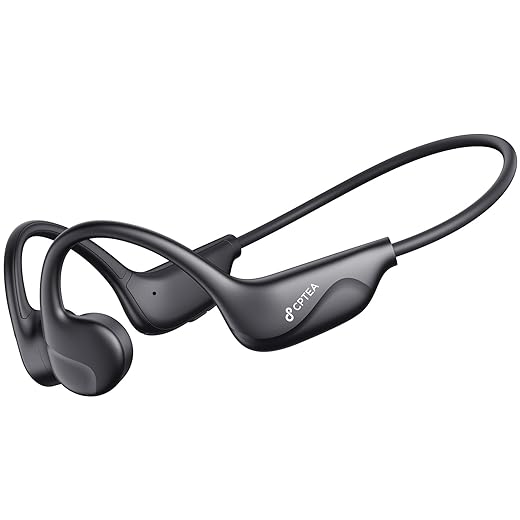
CPTEA X3 Bone Conduction Headphones X3
A practical, lightweight pair that ticks the feature boxes most runners need: long battery life, Type‑C charging, and reliable day‑to‑day comfort. Expect average sound and some quirks in controls and fit compared with premium models.
Practical everyday companion
We found this model to be a sensible middle ground between budget and premium bone‑conduction products. The X3 focuses on comfort and battery life more than sonic fireworks, making it a reliable companion for commutes and mid‑length runs.
Features that matter
The inclusion of Type‑C charging and a claimed 10 hours of battery life are welcome—those two features keep the friction low for regular use. The 16mm drivers provide clear mids and highs for podcasts and calls, but you shouldn’t expect deep bass.
Where it falls short
We’d warn buyers that fit is subjective with these frames: some heads will find it ideal; others will notice pressure or the headset moving under heavy activity. The control scheme uses multiple press sequences that take a little time to learn, and you’ll hear audio leakage at higher volumes. For many users the value proposition—good comfort and battery for the price—will outweigh those drawbacks.
Ogogrs K08 Bone Conduction Sports Headphones
A competitively priced pair that delivers the key benefits of open‑ear listening—comfort and situational awareness—without a premium badge. It’s a sensible option if you want functional performance for training at a low cost.
Value proposition
We see the K08 as a pragmatic choice for runners and gymgoers who want the benefits of open‑ear listening without spending a lot. It’s got modern essentials—Bluetooth 5.3, Type‑C charging, and a titanium frame—so in day‑to‑day use it behaves like more expensive competitors.
Performance and practicalities
Sound performance is typical of this class: clear for spoken content and acceptable for music at moderate volumes, but it doesn’t deliver impactful low end. The device is comfortable over extended wear and the Type‑C fast charge is a convenience we appreciate when you’re juggling sessions across the week.
Final recommendation
We recommend this for someone who wants function over brand prestige: it’s a cost‑effective way to stay aware on the road and enjoy audio while you train. If long‑term durability or the last inch of sound fidelity matters, plan to budget a bit more for a higher‑tier model.
F1 Sports Bone Conduction Headphones (Grey)
An inexpensive way to try bone conduction without a big commitment; it covers the basics for walking, light runs, and gym sessions. Build quality and battery life are modest, so expectations should be aligned with the low price.
Who it’s for
We see this model as a pragmatic first pair for someone curious about open‑ear listening. It gives you the core benefits—ear canal freedom and environmental awareness—at a price that lowers the risk of buyer’s remorse.
What to expect in daily use
Performance is best with spoken-word content: podcasts, calls, and audiobooks. For music, the F1 will play adequately at moderate volumes, but it won’t deliver the punch or texture of higher-end options. The IP55 rating and ergonomic frame make it fine for sweat and light rain.
Trade-offs and practical notes
The biggest compromises show up over time: battery longevity can vary, and some units exhibit fit or finish issues after months of use. If you rely on a headset daily for long training blocks, we’d recommend upgrading sooner rather than later. But if you want a low‑cost experiment to see whether open‑ear is for you, this is a fair starting point.
Qyzue-S14 Budget Bone Conduction Headphones
Extremely cheap and serviceable for short runs or errands where awareness is essential. We advise caution: build quality and feature claims can be inconsistent, and audio performance is strictly basic.
A no‑frills, entry-level option
We treat this as a cost‑conscious pick: it covers the basics of open‑ear listening without many bells and whistles. If you’re buying to experiment with bone conduction or want a throwaway pair for light activity, it’s tempting purely because of the price.
Everyday behavior and limits
On quiet runs and walks the clarity is okay for voice content, and the 10‑hour battery makes it usable across multiple sessions. Where the model disappoints is in noisy environments: you’ll find yourself pushing volume high, which increases vibration and leakage.
Buyer guidance
We recommend buying with measured expectations. The Qyzue‑S14 will not surprise you with refinement; instead, it gives you situational awareness with music at a fraction of the cost. If you value reliability, longer warranty support, or richer sound, a mid‑tier model is a better long‑term investment.
Final Thoughts
For most runners who want the best balance of sound and safety, we recommend the Shokz OpenRun Pro 2. It delivers the richest open-ear sound we've tested, with a noticeably fuller low end than earlier bone-conduction models. That change matters: it makes tempo music feel motivating instead of thin, while preserving the situational awareness that keeps you safe outdoors. The OpenRun Pro 2 also nails call clarity and fit, so it's a reliable daily runner’s headset for road miles, tempo sessions, and commutes.
If your training crosses the pool, open water, and pavement, choose the H2O Audio TRI 2. It's one of the few true multisport open-ear systems: fully usable in water, with onboard storage for swims and Bluetooth for runs. It’s heavier and less refined musically than the OpenRun Pro 2, but its waterproofing and rugged build make it uniquely valuable for triathletes and cross‑trainers who need one device to handle everything.
Both picks reflect what matters in today’s market: real-world usability over gimmicks. The OpenRun Pro 2 pushes the category toward better musicality without sacrificing safety; the TRI 2 answers a niche need—waterproof open-ear audio—that most competitors ignore. If you want ultralight daily comfort instead, the AfterShokz Aeropex remains a strong alternative, but for sound-plus-safety or true multisport flexibility, our choices are the clearest winners.

Chris is the founder and lead editor of OptionCutter LLC, where he oversees in-depth buying guides, product reviews, and comparison content designed to help readers make informed purchasing decisions. His editorial approach centers on structured research, real-world use cases, performance benchmarks, and transparent evaluation criteria rather than surface-level summaries. Through OptionCutter’s blog content, he focuses on breaking down complex product categories into clear recommendations, practical advice, and decision frameworks that prioritize accuracy, usability, and long-term value for shoppers.