

Can a wrist replace your sleep coach? Our picks for tracking sleep and heart health.
You can’t improve what you don’t measure.Sleep and heart-rate metrics are the new baseline for recovery and overall health. We want devices that are accurate, comfy, and actually useful in the morning—not just pretty lights on our wrist.
We wore and compared trackers across nights and workouts. We judged comfort, sensor quality, battery life, app insights, and how each ecosystem turns raw data into clear guidance. The goal: nightly metrics that help you sleep better and train smarter—without the guesswork.
Our Top Picks




Garmin Forerunner 265 — Runner-Focused Smartwatch
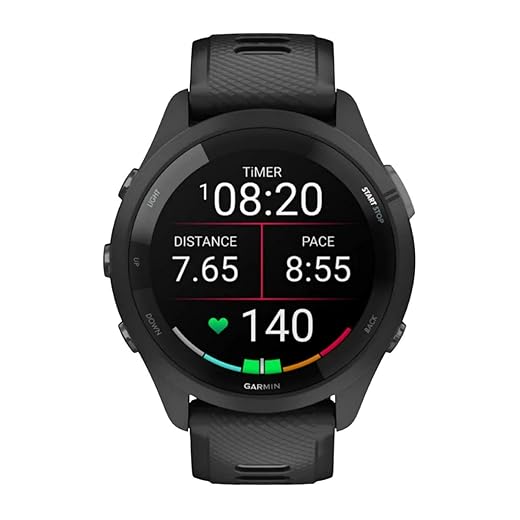
We find it combines Garmin’s best running features—multi‑band GNSS, adaptive training plans, and robust recovery metrics—into a polished AMOLED package. The morning reports and HRV‑based readiness scores help us train smarter without guessing when to push or rest.
A runner’s everyday command center
The Forerunner 265 is a rare breed: a runner‑centric watch with a sharp AMOLED touchscreen and Garmin’s mature training platform. It gives dynamic suggested workouts, race planning tools, and a training‑readiness score that blends sleep, HRV, and recent load—so your next session is based on data, not guesswork.
Sensors, metrics, and user experience
We like that the watch rewards consistent wear: the more nights you keep it on, the richer and more useful the readiness and recovery insights become. The AMOLED screen makes those insights readable at a glance, while tactile buttons keep controls reliable when you’re mid-interval.
Where it fits in the market
If you’re training for events or want a data-driven plan that adapts with your recovery and sleep, this is our top pick. Casual users might prefer simpler devices, but for dedicated runners and multisport athletes who value recovery and sleep in their training, it’s hard to find a more complete package.
Withings ScanWatch 2 — Hybrid Health Watch
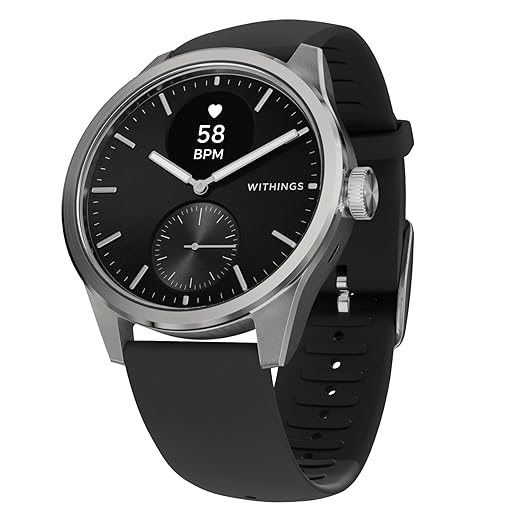
We appreciate how the hybrid design conceals serious medical‑grade features in a classic watch form. It offers ECG, continuous heart-rate alerts, SpO2, and long battery life in a package that won’t scream "tech gadget." It’s a strong pick for people prioritizing clinical-style health monitoring and daytime aesthetics.
A hybrid that aims for clinical utility
Withings has leaned into a hybrid design that looks like a traditional watch but houses high‑quality health sensors. The ScanWatch 2 is engineered for people who want medically useful measurements—ECG, continuous heart rate with AFib detection, SpO2 and respiratory insights—without wearing an overtly digital device.
Build, battery, and ecosystem
We found the prolonged battery life one of the most practical advantages: you’re more likely to wear it nightly, which improves the continuity and contextual value of sleep and HR metrics. The app’s health reports are also easier to share with clinicians than many mass‑market alternatives.
Sleep and heart-rate monitoring in practice
The trade-offs are clear: the hybrid dial limits the immediacy of on‑watch data, and GPS can be less reliable than dedicated sports watches. But if your priority is accurate, medically relevant heart and sleep metrics in a watch you can wear to meetings, this is one of the few devices that bridges those worlds well.
Who should consider it
We’d point healthcare-minded users and people who want to blend style with verified health features toward this device. If you need advanced training tools, mapping, or a large color screen, you’ll find better sport‑focused options. For true health monitoring in an everyday package, this is difficult to beat.
Polar Ignite 3 — Training-Focused Watch
We like how it layers Polar’s training science over a modern AMOLED interface to give practical guidance on workouts and rest. The watch’s sleep analysis and recovery tools are particularly useful for athletes who want actionable, validated insights without a steep learning curve.
Training-first design with sleep in the loop
Polar continues to emphasize sport science, and the Ignite 3 reflects that: on-demand coaching, TrainingLoad Pro analytics, and sleep‑based readiness cues are central to the experience. The AMOLED screen lifts the interaction quality from previous Polar models, and the watch remains relatively lightweight—important for accurate night readings.
Day-to-day usability and sensors
We were pleased with how Polar tied sleep insights back into training advice: the watch doesn’t just score your sleep, it nudges whether you should do hard, easy, or regenerative work the next day. For people who want a coach in their watch, that tight integration matters.
Strengths and realistic limits
If you prioritize physical training and want sleep to factor into your plan, this is a strong fit. Expect the touchscreen to be a bit fiddly when wet, and note that battery life will drop if you keep high‑sampling sensors and always‑on display enabled.
SUUNTO 9 Peak Pro — Rugged Sports Watch
We appreciate its combination of durable construction, multi‑band GNSS, and battery modes that actually matter on multiday outings. The watch is aimed at adventurers who need reliable tracking and long uptime rather than flashy smartwatch extras.
Built for the trail, not the clubhouse
Suunto’s 9 Peak Pro is a purpose-built sports GPS watch: titanium frames, sapphire glass options, and long battery profiles geared toward multi‑day adventures. Where many watches trade battery for a brighter screen, this one gives you options—extend endurance mode for ultraruns and hikes or use best‑GPS for precision mapping.
Navigational and sensor capabilities
We value how straightforward the Suunto app and watch feel for route planning and sharing. The watch doesn’t try to be everything to everyone; it focuses on giving consistent location and activity data for long durations, which matters if you regularly spend long hours outdoors.
Sleep and heart-rate monitoring considerations
We recommend this for adventurers and endurance athletes who need battery life, reliable GPS, and durability above polished smartwatch extras. If your priority is deep nightly HRV coaching or ECG-grade data, look to hybrid health watches or recovery‑focused wearables instead.
WHOOP 4.0 — Continuous Recovery Strap
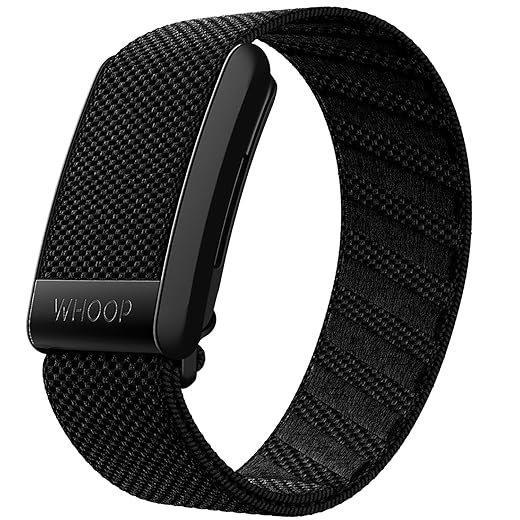
We value its minute-by-minute physiological monitoring and the way the membership ties that data into actionable recovery guidance. The approach is focused—continuous strain and sleep analysis with a clear coaching angle—rather than a general-purpose smartwatch experience.
A different philosophy: metrics-first, not features-first
WHOOP is less a watch and more a sensor platform with an analytics engine. Its value proposition centers on continuous physiology: heart rate, heart‑rate variability, respiratory rate, and sleep, all contextualized by the app’s coaching and journal inputs. That continuous data stream is what makes recovery recommendations meaningful.
How it performs day to day
We liked how the system nudges behavior change: logging caffeine, alcohol, and stress in the journal helps the analytics identify what actually affects sleep and recovery. For athletes or managers of chronic fatigue, that feedback loop is far more useful than snapshots alone.
Trade-offs and competitive context
In short, we recommend WHOOP to people who want rigorous, continuous recovery and sleep insights and are willing to trade a display and standalone smartwatch features for a subscription-driven analytics experience. If you want a wrist computer with apps and maps, look elsewhere; if you want a body‑centric coach, this is near the top of the list.
Amazfit Band 7 — Big AMOLED Band
We find it delivers a surprising amount of capability for the price, with a large AMOLED display and long battery life that make continuous sleep and heart-rate tracking practical. It’s an uncomplicated companion for someone who wants reliable nightly metrics without the smartwatch overhead.
Why we consider it a smart budget pick
We approached this band expecting compromises and came away impressed by how much Zepp OS and a bright 1.47" AMOLED can deliver at around fifty dollars. The core appeal here is straightforward: continuous heart-rate and SpO2 monitoring, decent sleep-stage detection, basic smart features (Alexa, notifications), and a battery that lets you leave the charger at home for days.
Design, display, and daily use
We liked that the display is readable in most lighting and that the band is comfortable enough to wear overnight. For people who dislike chunky smartwatches, this is a clear advantage — we could monitor nightly HR variability and sleep stages without worrying about a drained battery the next morning.
Sleep & heart-rate tracking in context
Tracking is largely accurate for day-to-day trends (resting heart-rate, sleep duration and interruptions), but it won’t match medical devices or elite sports tools. If your priority is clinical accuracy or advanced metrics like running power, you’ll need to look higher in the range.
Practical takeaways and limitations
We recommend this if you want practical sleep insight and daily heart-rate tracking at a low price. You should be aware that the strap and app can occasionally feel fiddly, and enthusiast-level features—advanced recovery metrics, third-party integrations—are limited. For most users who want simple, reliable nightly tracking with weeks between charges, it’s an excellent, low-risk option.
Amazfit GTS 4 Mini — Compact AMOLED Watch
We like how it balances a small footprint with a surprisingly capable sensor set and GPS support. It’s a solid daily driver for sleep and heart-rate monitoring when you want a watch that feels less like a smartwatch and more like a lightweight tracker.
A compact approach to daily health tracking
The GTS 4 Mini is aimed at folks who want a small, attractive watch that doesn’t compromise on essential sensors. It packs GPS, continuous heart‑rate, SpO2, stress, and multi‑day sleep tracking into a compact AMOLED package, and Zepp OS brings watchfaces and small apps that keep the experience tidy.
What stands out in daily use
We appreciated how unobtrusive it is on the wrist — it’s easy to forget you’re wearing it overnight, which improves sleep data continuity. GPS performance is solid for the price tier, though we recommend pairing with your phone when you need the most precise mapping.
Sleep and heart-rate strengths and caveats
The device gives credible trends for resting heart rate, HRV-adjacent metrics, and sleep stages. If you’re an athlete demanding sub‑percent sensor accuracy, there are better—but bulkier and pricier—options. For everyday tracking and traveling light, this strikes a practical balance.
Who should buy it
We’d point people who want a compact, stylish tracker with built‑in GPS and strong battery life toward this model. Expect to lean on third‑party apps for niche functionality, and consider a screen protector or aftermarket band if you tend to be rough with wearables.
Fitbit Luxe — Slim Wellness Tracker
We like its slim, jewelry-like design and simple sleep and stress tools that make nightly monitoring comfortable and nonintrusive. It’s a good pick if aesthetics and basic wellness metrics are your primary priorities rather than advanced athletic analytics.
A style-first wellness band
The Fitbit Luxe is all about packaging everyday health tracking in a slender, attractive form factor. It’s designed to disappear under cuffs and be comfortable overnight, which in turn improves sleep metric continuity. The focus is on sleep score, nightly HR trends, and stress management rather than exhaustive training tools.
Everyday tracking and user experience
We found it to be an easy band to keep on through the night, and that comfort translates to more consistent sleep data. Fitbit’s ecosystem adds social and habit features that can be motivating for casual users who want to improve nightly rest and daily steps.
Limitations and who this is for
In short, we’d recommend the Luxe to anyone who wants reliable sleep and basic heart‑rate trends in a discreet, stylish package. It’s more fashion accessory than athlete’s tool, and it excels that role.
Final Thoughts
We narrowed the field to two clear leaders based on what people actually need from sleep and heart-rate tracking.
If you want a budget option for solid nightly metrics, the Amazfit Band 7 is surprisingly capable. But for decisive, actionable sleep and heart-rate tracking that changes how you train or flags potential issues worth discussing with a clinician, we recommend the Garmin Forerunner 265 for athletes and the Withings ScanWatch 2 for health-minded users who want medical-style monitoring in a classy package.

Chris is the founder and lead editor of OptionCutter LLC, where he oversees in-depth buying guides, product reviews, and comparison content designed to help readers make informed purchasing decisions. His editorial approach centers on structured research, real-world use cases, performance benchmarks, and transparent evaluation criteria rather than surface-level summaries. Through OptionCutter’s blog content, he focuses on breaking down complex product categories into clear recommendations, practical advice, and decision frameworks that prioritize accuracy, usability, and long-term value for shoppers.