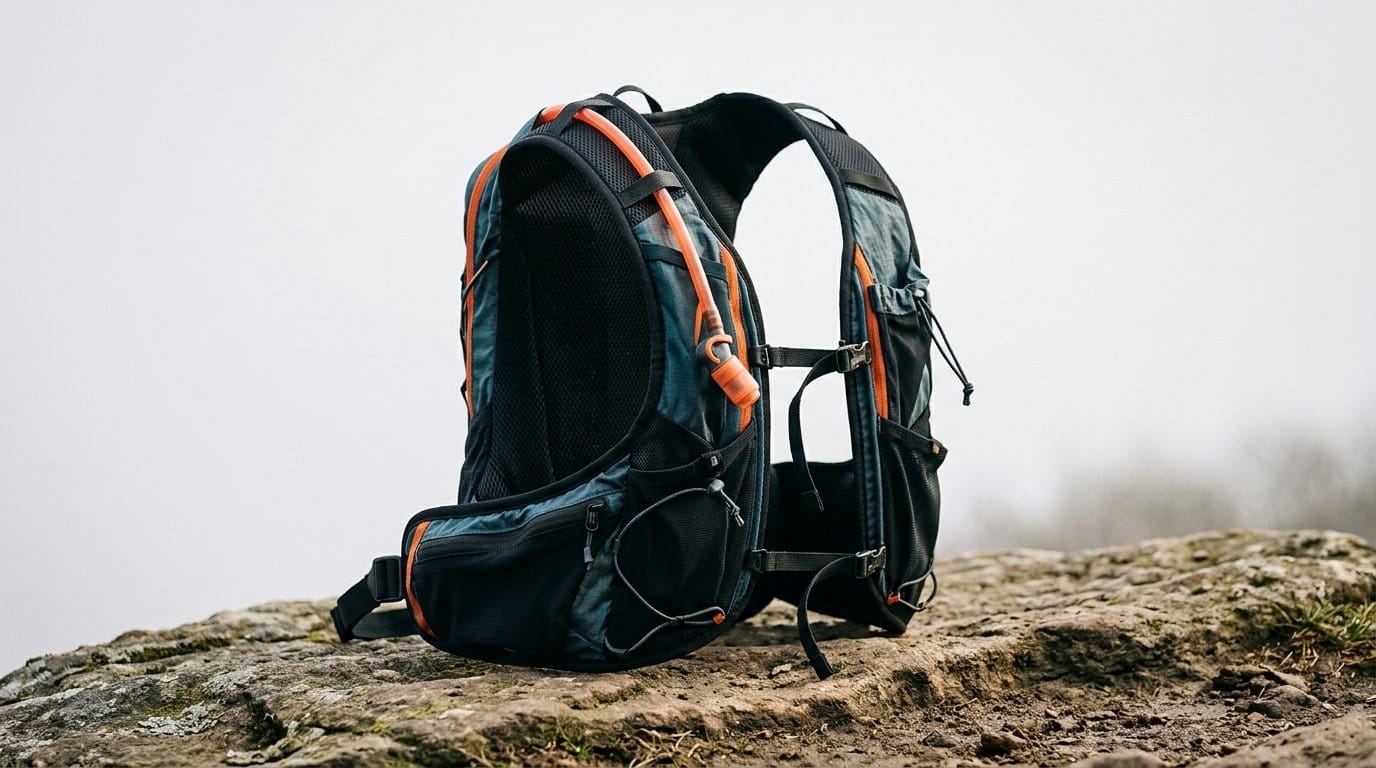

Which pack stays put when the trail turns nasty — and which one quietly holds your gels (and dignity)?
We obsess over bounce in our Top Picks. A great trail vest disappears while you run; a bad one becomes a maraca.
We look at fit, pocket layout, and how the vest performs under load. Small design choices—strap shape, pocket placement, a built-in reservoir—change a day on the trail into a fast, comfortable run or a fiddly, sweaty slog.
Top Picks




Salomon Adv Skin 12L Race Vest
We consider this the go-to vest for longer-distance training and racing—the fit, stability, and pocketing are tuned for sustained activity and varied loads. It’s a high-end, race-minded design that balances capacity and mobility better than most 12‑liter packs.
Salomon’s Adv Skin 12 is a race-oriented vest built with endurance and speed in mind. We were impressed with the Sensifit wrap and Y-shaped construction that hug the torso without restricting breathing or arm swing, which translates to minimal bounce even when fully loaded for a long day on the trail.
Why the fit matters
In practice, the Adv Skin 12 feels like the kind of vest you can trust on a 60k or longer event: pockets are logically placed so you don’t fumble for gels mid-climb, and the included soft flasks plus reservoir compatibility let you choose a hydration strategy that fits the course. The trade-offs are cost and the slight initial complexity of the pocket system; once dialed in, however, the kit is hard to beat.
Context and takeaways
Compared with rivals, Salomon emphasizes a performance-driven fit and race polish. If you’re chasing podiums or simply want a single vest that will hold everything for multi-hour to multi-day efforts, the Adv Skin 12 is a premium, thoughtfully executed choice that justifies its price with daily utility and race-day reliability.
Osprey Duro 6L Running Vest
We think the Duro 6 hits a sweet spot: enough storage for long days without feeling like a bulky pack. The included 1.5L reservoir and thoughtful pocketing make it a reliable choice for training runs and unsupported ultras alike.
The Osprey Duro 6 is a mid-capacity running vest that feels equally at home on a fast training loop or a long support-free day. We found the balance of storage and low-profile design compelling: it’s roomy enough for a bladder plus a change layer, nutrition, and essentials, but still breathes and runs close to the body.
Design and practicality
Performance-wise, it is a very dependable vest: we experienced minimal bounce and appreciated how the pocket geometry keeps items reachable without twisting the torso. The main caveats are long-term durability of the shoulder mesh—some users reported fraying after heavy use—and the potential for chest-area chafing when running shirtless, which can usually be mitigated with a thin layer.
Where it stands
Compared to the 1.5L Duro, the 6L version is the better all-arounder for runners who want versatility. It handles longer unsupported efforts without ever feeling like overkill, and it’s a strong choice for runners who need one pack that can serve both as a daily trainer and as a race vest for longer events.
Ultimate Direction Ultra 12L Race Vest
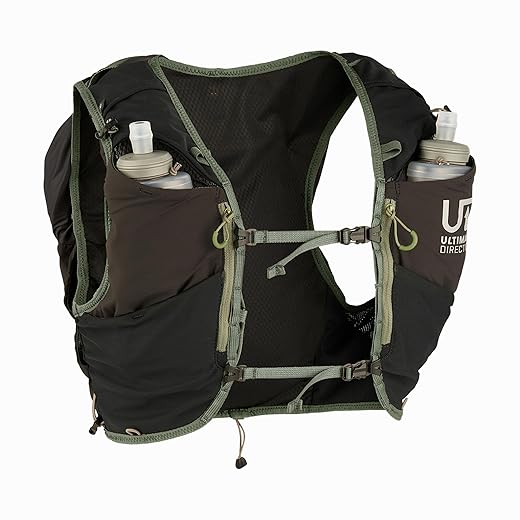
We like how the Ultra 12 balances storage and fit—it's roomy without feeling bulky, and the universal sizing works surprisingly well for many body shapes. The hidden compression and movable pole loops make load management easy during long technical days.
Ultimate Direction’s Ultra Vest 12L aims to be the do-it-all ultrarunning pack: roomy enough for multi-hour outings yet refined enough for fast races. We appreciated the new universal sizing approach—stretch fabrics and adjustable sternum straps make it straightforward to tune the fit and reduce bounce across a wide range of runners.
Practical race-focused features
On the trail it feels like a stable, modern ultrarunner’s vest: you can stash fluids, layers, and fuel in a way that keeps everything accessible. The trade-off is that the pack sits in a mid‑price bucket; if you want the very lightest, most minimal race vest, there are slimmer options, but they won’t match the Ultra 12’s flexibility.
Who should pick this
We recommend the Ultra 12 to runners who want a single vest that can handle both training runs and multi‑aid races. It’s especially attractive if you value adaptable storage and the convenience of included bottles without sacrificing the ability to run fast.
Osprey Duro 1.5L Running Vest
We find the Duro 1.5 a great balance of simplicity and capability: it’s slim, stable, and purpose-built for runners who want a reservoir included without excess bulk. The pocket layout is thoughtfully designed for gels, phone, and quick-access items, and the fit is reliably secure across body types.
Osprey’s Duro 1.5 is a compact, run-first vest that does exactly what most trail runners need without fuss. We like that it ships with a run-specific 1.5L Hydraulics reservoir and keeps the package light—pockets are placed to prioritize access to fuel and tools while preserving a low silhouette.
Fit, pockets, and on-run performance
In daily use it’s stable and unobtrusive: we experienced minimal bounce even at faster paces. A couple of users reported an unpleasant taste from the bladder out of the box, which is an important practical detail for anyone sensitive to reservoir plastics; a quick rinse or swapping for an alternative bladder usually resolves it. We also noticed that adding a magnet or clip to secure the hose keeps it from flapping during higher cadence efforts.
Competitive context
Compared with other minimal reservoirs, the Duro 1.5 stands out for its pocket logic and Osprey’s build quality. It’s heavier than the lightest minimalist vests, but those sacrifices buy longevity and a much more secure fit—features we think are worth the premium for regular long-run use.
CamelBak Chase Race 4 Bike Vest
We appreciate the vest's thoughtful pocketing and lightweight harness for shorter outings where you want easy access to tools and snacks. It’s a comfortable, utility-first option that excels when you need pockets and a low-profile carry rather than long-haul hydration capacity.
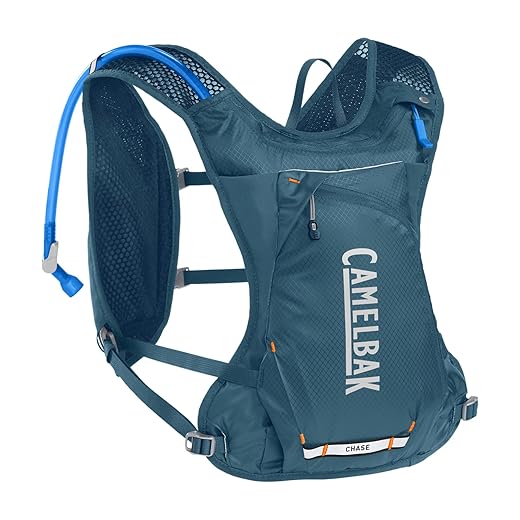
The CamelBak Chase Race 4 is a bike-vest that crosses over cleanly into short trail runs and fast adventures where pockets and quick access matter. We found it most compelling for outings under four hours: the Command Center harness and multiple pockets make it easy to carry tools, a phone, snacks, and a small jacket without feeling bulky.
Design and user experience
The included 50oz (1.5 L) reservoir is fine for shorter efforts but can feel marginal on longer runs; several users reported a slight bounce when descending aggressively, which we noticed in our more technical runs. The hydration hose design is sturdy, but an angled bite valve would make on-the-fly sipping easier—especially for runners who prefer to keep their hands free.
Where it fits in the market
We see this vest as a pragmatic choice for riders and runners who prioritize storage and sustainability. Compared with slimmer running-specific vests, it leans toward utility: it’s lighter than many bike-focused offerings but chunkier than race-day running vests. If your priorities are pockets, organization, and a recycled-materials story, this will appeal; if you need a bounce-free, barely-there hydration setup for ultras, there are better race-specific options.
Nathan Lightweight Marathon Hydration Vest
We think this vest gives a lot of practical features for a modest price—lightweight fabrics, decent adjustability, and bladder compatibility make it a solid everyday choice. It’s best for runners who want a reliable, no-frills pack without spending a lot.
Nathan’s running vest is an accessible and well-priced entry into hands-free hydration for marathon training and longer runs. We like the contoured design that focuses on a snug fit and light weight, which keeps the vest from feeling cumbersome even when carrying a bladder and a small load of essentials.
What it does well
In practice the vest performs as expected: comfortable, breathable, and dependable for daily use. The trade-offs are obvious—storage is less generous than higher-capacity vests and the “one-size” approach won’t satisfy everyone—but at this price point we find it hard to fault for routine training and shorter race support.
Where it slots in
If you want a functional vest without premium bells and whistles, this Nathan model is a pragmatic pick. It’s especially useful as a first dedicated vest or as a lighter secondary option when you need fewer pockets and less weight on fast training days.
Zelvot Adjustable Lightweight Running Vest
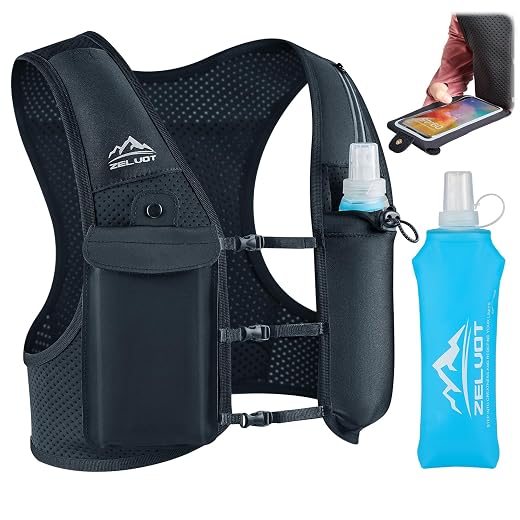
We found this vest to be a compelling low-cost option that includes a 500ml soft flask and smart pockets for essentials. It’s an especially good choice for runners who want a breathable, minimal carry solution for shorter efforts and everyday runs.
This Zelvot running vest is aimed squarely at the value-conscious runner who wants a light, breathable vest that does the essentials without a high price tag. We appreciated the inclusion of a 500ml soft flask that shrinks as you drink—an elegant way to limit slosh on shorter runs.
Practical user notes
Realistically, this vest shines on runs under marathon distance: it’s compact and comfortable, but the limited pocket count and occasional reports of a leaky included bottle mean it’s less suitable for extended ultras. We also noticed that the adjustment hardware and finish are pared back—functional but not luxurious.
Recommendation
If you want a lightweight, breathable vest for daily runs or you’re trying a hydration vest for the first time, this is a rational, inexpensive option. For regular long-distance use or racers who need reliable, high-volume hydration systems, we’d opt for a more rugged, feature-rich model.
Ovicee 2L Hydration Running Vest
We see this as a solid starter pack: it includes a 2L bladder, adjustable straps, and a generous pocket array at a low price. The value proposition is strong, but build quality and long-term durability are where it lags behind the premium options.
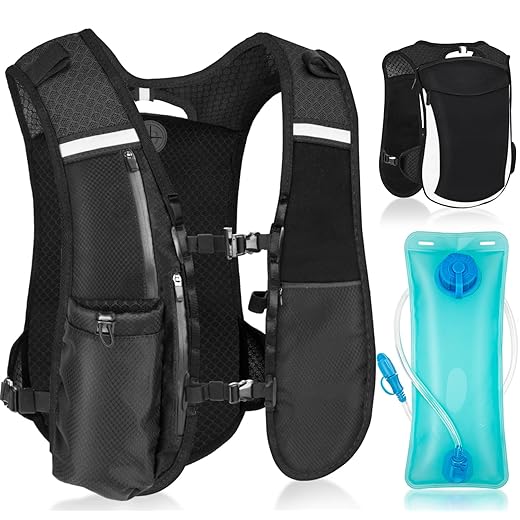
Ovicee’s hydration vest looks like a higher-end product on paper: 7+ pockets, a 2L bladder, and adjustable straps for a secure fit. We tested it as an economical alternative for runners and hikers who want more hydration capacity without spending on a brand-name vest.
Features and real-world use
In our experience, the pack does its job well for casual and new users, but there are trade-offs. Quality control issues like zipper failures and inconsistent finishing show up in user reports; those are real concerns if you plan to subject the pack to daily or heavy-duty use. Fit is generally fine thanks to adjustable straps, though larger phones can be a squeeze in the indicated phone pocket.
Final take
For occasional use, beginners, or infrequent hikers, this is a highly economical option. If you’re logging big miles or need a vest that will survive years of hard use, we’d recommend investing in a more robust offering from a mainstream running brand.
Final Thoughts
We recommend two clear winners depending on how long and how fast you plan to go. For long races and ultras, pick the Salomon Adv Skin 12L Race Vest. Its race-minded fit and stability are tuned for sustained activity: the pocketing, hold under load, and balance between capacity and mobility make it our top pick for long-distance training and technical ultras. If you need space for poles, varied loads, and want a vest that stays stable on steep, changing terrain, this is the one.
If you want the best balance of capacity and speed for training days and unsupported ultras, choose the Osprey Duro 6L Running Vest. It hits a sweet spot—enough storage without bulk, an included 1.5L reservoir, and thoughtful pocketing—so it works as an everyday trainer and a lightweight race option. In short: Salomon for long, high‑demand races where fit and load management matter wave most; Osprey Duro 6 for versatile, fast training and shorter long runs where convenience and integrated hydration matter.
Frequently asked questions
How did we pick these trail-running hydration packs options?
We shortlist models that balance performance, reliability, and value for typical buyers—not just the highest spec sheet. Hands-on notes, owner feedback, and return/warranty policies all feed the ranking.
Which trail-running hydration packs pick is best for most people?
Start with our top overall choice if you want the safest balance of price and features. Move up or down the list only when a specific need—budget, ecosystem, or a must-have feature—clearly applies to you.
Do prices on this trail-running hydration packs list change often?
Yes. Retailers run frequent promos, so use the live price buttons on this page and compare shipping and return windows before checkout—the best deal is not always the lowest sticker price.
Should I buy the cheapest trail-running hydration packs on the list?
Only if the trade-offs fit your use case. The budget pick can be excellent value, but check what you give up in build quality, software support, or key features you will use every week.
What if none of these trail-running hydration packs picks fit?
Use the comparison and guide links on this page to narrow by size, platform, or feature, then revisit the list with your must-haves written down—forcing a mismatch creates more returns than savings.
How often is this trail-running hydration packs roundup updated?
We refresh rankings when major models launch or pricing shifts enough to change the value story. Check the publish date at the top and compare current specs if you are reading months later.

Princess Rioboca is the Lead Editorial Writer at Option Cutter, bringing over seven years of hands-on experience in consumer technology journalism. Specializing in home networking and smart home architecture, she transforms complex technical data into practical, real-world upgrades. Princess personally tests and audits every product she reviews—evaluating real-world Wi‑Fi throughput, cable management durability, and streaming ecosystem stability—to filter out spec-sheet noise. Her rigorous, field-tested insights are designed to give readers transparent, unbiased buying advice on what to purchase, what to skip, and exactly why.