

Shop Cameras, Camcorders & Drones
Shop Cameras, Camcorders & Drones categories
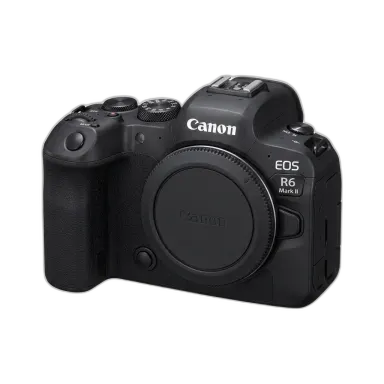
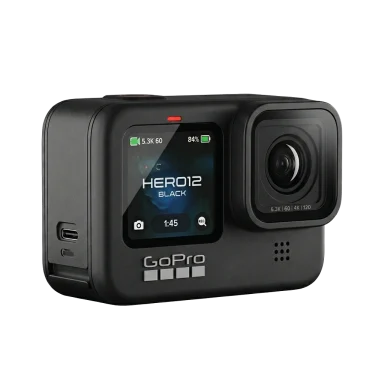
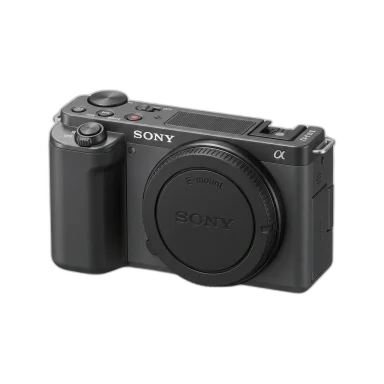
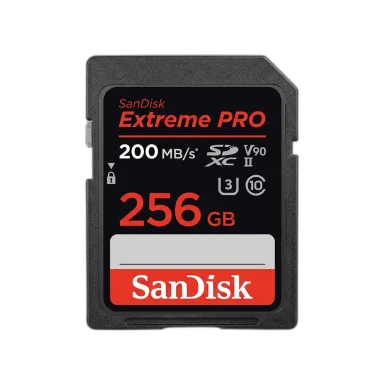
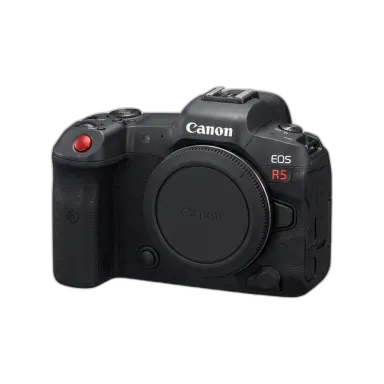


Cameras & Lenses
View all →Action Cameras & Camcorders
View all →Content Creator Gear
View all →
Camera Accessories
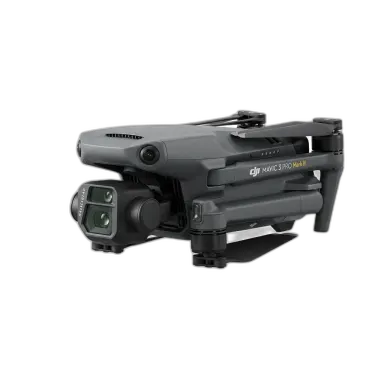
View all →Drones
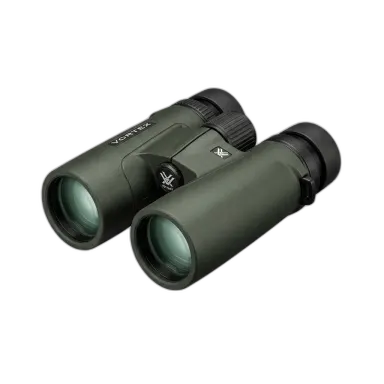
View all →Binoculars, Telescopes & Optics
View all →


Home Security Cameras
View all →
Featured & Seasonal
View all →
Camera, Lens, and Drone Buying Guide for Photos and Video
Sensor, lenses, and skill level before megapixels
Camera shoppers typically outgrow phones when motion blurs at sports, zoom fails on vacation, or they start posting video that needs clean audio. Sensor size beats megapixel billboards: full-frame mirrorless cameras from Sony and Canon handle low light; investing in camera lenses protects spend as bodies upgrade. Start with All Cameras & Lenses when you want one hub for bodies, glass, and Top Camera Deals before holiday pricing swings. Rent or borrow a kit lens focal length you think you need before you buy a heavy telephoto you carry twice and then leave home on the trip it was meant for. Beginners should learn aperture and shutter speed on a kit lens before buying primes, you will know which focal length you actually reach for.
DSLR vs mirrorless is still a battery-and-lens question, not a brand loyalty contest on forums. DSLR cameras offer long runtimes and affordable used glass; mirrorless cameras bring eye AF and lighter bodies for all-day events. Canon, Nikon, and Sony ecosystems differ, pick the lens road you want in five years, not the body on sale this week. Camera bundles lower first-body cost when you need a kit lens, bag, and card in one cart. Check used lens compatibility lists before you chase a bargain body that locks you out of affordable glass your favorite photographer already owns. Eye-AF for pets and kids saves more keepers than a higher burst rate when subjects never hold still for posed shots.
Travel, video, and drone gear that matches your shoots
Travel and creator kits prioritize weight, mic input, and stabilization over specs you will never touch on a walking tour. A vlogging camera plus camera microphone covers YouTube and family trips without lugging a full cinema rig. Camera drones and mini drones add aerial b-roll when local laws allow flight where you shoot; browse All Drones for toy, mini, and pro tiers in one place. Pack spare memory cards and a small gimbal or grip before you assume phone stabilization is enough on cobblestones, stairs, and crowded market aisles where jerky footage kills watch time. ND filters and a compact rain cover belong in travel kits when bright beaches and sudden showers are part of the itinerary. Creator kits should include spare batteries and a fast charger, nothing ends a shoot faster than one exhausted pack at sunset.
Accessories often matter more than a body bump for sharp results in real-world light. Camera tripods & support stop night blur and group-photo shake; vlogging kits bundle light and grip so you are not duct-taping a phone light to a cold shoe. Camera bags & cases and spare camera batteries & power prevent ruined shoot days when one dead pack ends a wedding reception early. Add a fast card and card reader to the same order so buffer clears during burst sequences instead of stalling the decisive moment when kids blow out candles or the bride walks the aisle. Label batteries and rotate packs so you never grab a half-dead spare at golden hour when the light is finally perfect. Tripod quick-release plates should match your head, mixing brands causes wobble that ruins long exposures and panorama stitches.
Not every trip needs interchangeable lenses, or a second bag fee at the airport. Point & shoot cameras slip into jackets for theme parks and city walks; instant print cameras give tangible memories at parties where phones stay in pockets. Action cameras mount to bikes and helmets with stabilization phones still lack on rough trails. All Action Cameras & Camcorders helps you compare mount ecosystems before you buy the wrong adhesive base. Film and instant packs belong in the budget alongside the camera so the fun does not stop after ten shots at a birthday or graduation party. Instant film costs per shot add up at parties, budget multiple packs when kids treat the camera like a unlimited phone shutter. Action mount adhesives fail in heat, carry spare bases on vacation when helmets and surfboards live in hot cars between sessions.
GoPro remains the default for waterproof action when you need mounts, mods, and a community of how-to clips; Fujifilm attracts still shooters who want film-like color straight out of camera; DJI leads stabilized aerial video for smooth reveal shots. Plan drone accessories for batteries and prop guards before your first flight day, and consider Toy Drones when you are learning controls in the backyard before trusting an expensive flyer near water. Register aircraft where required and log flight locations so a vacation beach is not your first test of wind gust behavior and return-to-home limits. Download manufacturer flight apps and no-fly maps before vacation, airport and national-park rules change faster than firmware notes. Prop guards and spare props belong in the first drone order, learning flights chew through plastic faster than tutorial videos suggest.
Portrait and event shooters should budget light before bodies when skin tone and shadow control define client satisfaction. Flashes & lighting change results more than a megapixel jump on a brochure. Traditional camcorders suit long ceremonies with continuous zoom and hours of recording; watch top camera deals when building a kit on a fixed budget and you can trade a latest-gen body for better glass. A reflector and one speedlight often rescue indoor reception halls where ceiling bounce is your only option and mixed lighting turns skin tones green without fill. Off-camera flash with a simple diffuser beats on-camera pop-up light for reception tables where mixed color temperature ruins skin tones. Ceremony shooters should confirm audio input limits on camcorders before assuming your wireless mic system will plug in cleanly.
Wildlife and night-sky hobbyists pair binoculars with long lenses for scouting subjects before you hike with heavy glass. Telescopes open astro work with sturdy mounts that matter more than aperture bragging rights. Dedicated microphones beat on-camera mics for interviews and voiceovers when wind and room echo would otherwise ruin an otherwise sharp take. Windscreens and dead cats belong in the same cart as the mic when you shoot outdoors more than once a season and clients notice audio before they notice your lens upgrade. Shotgun mics on a cold shoe help run-and-gun interviews; lavaliers win when subjects move and turn away from the camera axis. Field recorders backup audio when wireless mic links fail at crowded events with heavy RF interference. Wind muffs and shock mounts belong in the same cart as interview mics when you shoot outdoors more than once a season.
Cameras, Camcorders & Drones FAQ
What is a mirrorless camera and who should buy one?
A mirrorless camera is the best fit for shoppers who want interchangeable lenses, compact bodies, and modern autofocus in one system. Current mirrorless cameras show exposure, white balance, and focus behavior in the viewfinder before the shutter fires. Sony offers the widest third-party lens support, while Canon and Nikon deliver strong bodies with growing native lens lines. Beginners should value autofocus, grip comfort, lens prices, and menu clarity more than headline megapixel numbers. Choose a system you can afford to expand, not just the body with the flashiest launch specs.
Is a mirrorless camera better than a DSLR for beginners?
Mirrorless is usually easier for beginners because the viewfinder previews brightness and color before the photo is taken. Traditional DSLR cameras still appeal to photographers who prefer optical viewfinders, deep grips, and longer battery life. Mirrorless bodies receive the newest autofocus, video, and tracking updates first from major brands. DSLR systems can cost less when used lenses are plentiful in the mount you choose. Pick the format that makes learning exposure feel clear and keeps future lens costs realistic.
How do I choose mirrorless sensor size for low light?
Larger sensors generally produce cleaner low-light images because each exposure can gather more usable light. Full-frame bodies pair well with bright camera lenses for weddings, portraits, concerts, and dim indoor scenes. APS-C systems cost less, weigh less, and still deliver excellent results when matched with quality glass. Micro Four Thirds can work well for travel and video when stabilization matters more than background blur. Spend on the sensor size and lens lineup that fit your real shooting conditions.
Which mirrorless brand has the best lens lineup now?
Sony E-mount has the broadest current lens variety, especially when third-party options are included. The Sony ecosystem is strong for shoppers who want many price tiers across primes, zooms, and creator lenses. Canon RF brings excellent native glass and polished camera bodies, while Nikon Z is especially strong in sharp primes and professional zooms. Lens availability matters more than body hype because glass usually stays with you through several camera upgrades. Choose the mount that gives you the focal lengths you need at prices you can sustain.
How many megapixels do mirrorless shoppers really need?
Most photographers are well served by 24 to 33 megapixels for prints, cropping, and clean 4K output. Higher-resolution mirrorless camera bodies create larger files, demand faster storage, and slow editing on modest laptops. More pixels help for commercial product work, wildlife cropping, and very large prints. Sensor quality, autofocus, dynamic range, and lens sharpness usually affect real photos more than the number on the box. Buy resolution only when your printing size or cropping needs clearly justify it.
How much should I budget for a first mirrorless kit?
A practical first kit usually costs about $900 to $1,800 for a dependable body and starter zoom. Seasonal top camera deals can add a memory card, bag, or spare battery at a lower combined price. Set aside extra money for a fast card, a second battery, and a basic cleaning kit. Spending everything on the body leaves too little for lenses and accessories that improve daily use. Build a balanced kit that lets you shoot immediately without stretching beyond your budget.
Are full frame mirrorless cameras worth the upgrade cost?
Full-frame is worth the added cost when low-light quality, shallow depth of field, and professional file flexibility matter often. A full-frame mirrorless camera also raises lens prices because equivalent glass is usually larger and more expensive. APS-C cameras remain excellent for travel, family photography, sports, and learning with lighter gear. The upgrade becomes costly if every existing lens must be replaced at once. Move to full-frame only when your current system is holding back specific photos you regularly make.
Do DSLR cameras still make sense to buy new?
DSLRs still make sense for photographers who want strong ergonomics, optical viewfinders, and lower lens costs. Many DSLR cameras offer excellent image quality for portraits, sports, school events, and travel at attractive prices. Battery life is often better than mirrorless because the sensor is not always powering a live display. The tradeoff is that new lenses, bodies, and autofocus advances are now concentrated in mirrorless systems. Buy DSLR gear when value and handling matter more than having the newest platform.
Do DSLRs or mirrorless cameras have better battery life?
DSLRs usually last longer per charge because an optical viewfinder uses far less power than an electronic display. Spare cells from camera batteries and power are still important for both formats during travel, weddings, and long video days. Mirrorless battery life has improved, but continuous screen use, subject tracking, and 4K recording drain power quickly. Battery grips help event shooters who need longer runtime without stopping. Pack genuine batteries matched to the camera model before any important shoot.
How do I buy used DSLR lenses safely online?
Safe used lens buying starts with condition details, return terms, and proof that the mount matches your camera. The camera lenses you consider should have clear photos of the glass, mount, filter threads, and focus ring. Avoid lenses with fungus, haze, deep scratches, sticky aperture blades, or gritty zoom movement. Autofocus accuracy and stabilization should be checked as soon as the lens arrives. Choose sellers with transparent grading and enough return time to inspect the lens properly.
Which DSLR is best for sports photography beginners?
Beginners should prioritize autofocus tracking, burst speed, buffer depth, and affordable telephoto lenses for sports. An APS-C DSLR with a 70 to 300 millimeter zoom gives useful reach from sidelines without full-frame lens pricing. Indoor gyms benefit from brighter lenses, while outdoor fields are more forgiving. A monopod helps steady longer glass through an entire game. Buy the body and lens combination that can follow moving subjects consistently.
How do I pick the right camera lens focal length?
Focal length should match your subject distance, framing style, and need for background blur. Wide camera lenses suit landscapes and interiors, standard zooms cover travel, and telephotos handle wildlife or field sports. Prime lenses are often brighter and sharper for the money, while zooms are more flexible. Crop factor changes the effective angle of view on APS-C and Micro Four Thirds bodies. Start with the focal range you will use every week, then add specialized lenses later.
Should I buy a prime lens or a zoom lens first?
A zoom lens is usually the smarter first purchase because it covers more situations while you learn. After that, prime and zoom lenses serve different needs rather than competing directly. A 35 millimeter or 50 millimeter prime gives brighter low-light performance and more portrait blur at a reasonable price. Zooms remain better for travel, events, sports, and wildlife because the framing can change instantly. Choose a zoom first if versatility matters, then add a prime when you know your favorite focal length.
What does lens aperture f-stop mean for portraits?
A lower f-stop means a wider aperture, which lets in more light and creates stronger background blur. Portrait camera lenses at f/1.8, f/1.4, or f/2.8 can separate faces from busy rooms and outdoor backgrounds. Very wide apertures also make focus accuracy more demanding, especially on eyes. Longer focal lengths often flatter faces more than wide lenses used too close. Choose an aperture that gives the look you want while keeping the subject sharply focused.
Can I use old lenses on new mirrorless bodies?
Many older lenses work on newer mirrorless bodies through mount adapters, but performance varies by lens and camera. Native camera lenses usually focus faster, balance better, and preserve more weather protection than adapted glass. Manual vintage lenses can be enjoyable for portraits and video when focus peaking is available. Autofocus on older DSLR lenses may hunt or slow down with moving subjects. Use adapters for valuable glass, but build the long-term kit around lenses designed for the mount.
Which camera lenses are best for travel photography?
Travel lenses should be light, versatile, and reliable in changing light. Stabilized camera lenses around 24 to 70 millimeters handle city walks, food, portraits, and landscapes without constant lens changes. A compact telephoto is useful for wildlife, stadiums, and distant architectural details. Weather sealing helps on beaches, rainy streets, and dusty trails when the camera stays out all day. Pack the smallest lens set that covers your must-have shots.
When is a point-and-shoot camera better than a smartphone?
A dedicated compact camera beats a phone when optical zoom, physical controls, and longer event recording matter. Many point-and-shoot cameras also use larger sensors than phones, which helps detail and background separation. Parents appreciate real zoom for school stages, vacations, and sports from the stands. Phones remain excellent for quick sharing, but digital zoom can fall apart in low light. Choose a compact camera when reach and handling matter more than instant social posting.
What features matter most on compact point-and-shoot cameras?
The most useful compact features are optical zoom, image stabilization, fast startup, and simple menus. Better point-and-shoot cameras also include larger sensors, reliable autofocus, and useful 4K video without awkward limits. Weather resistance is valuable for beaches, snow days, hiking, and family travel. A separate charger and spare battery make the camera easier to keep ready. Pick the model that feels quick, stable, and simple enough for everyone who will use it.
Are point-and-shoot cameras good for kids and families?
Yes, compact cameras are often a smart first camera for kids and family trips. Rugged point-and-shoot cameras reduce the risk of handing over an expensive interchangeable-lens system. Simple scene modes help children learn framing, timing, and care without confusing settings. Wrist straps, shock resistance, and sealed buttons matter more than advanced manual controls for young users. Choose a durable model that encourages creativity without creating expensive worry.
What is an instant print camera best used for today?
Instant print cameras are best for social moments where a physical photo is the point. Modern instant print cameras work well at parties, weddings, camps, dorm rooms, and family gatherings. Film costs add up, so the ongoing supply price matters as much as the camera price. Hybrid models can reduce waste by letting users review images before printing. Buy one when the joy of sharing prints matters more than perfect image quality.
How are Polaroid-style cameras different from digital instant cameras?
Polaroid-style cameras create a one-of-one chemical print, while digital instant cameras capture a file before printing. Digital instant print cameras can often save images, reprint favorites, and avoid wasting paper on mistakes. Chemical film has a more unpredictable analog look that many people find charming. Digital versions are easier for kids, events, and high-volume party use. Choose the format based on whether authenticity or control matters more to the experience.
What is the best action camera for mountain biking?
The right biking camera needs strong stabilization, tough housing, secure mounts, and simple controls with gloves on. Premium action cameras with horizon leveling make rocky singletrack far easier to watch. GoPro remains strong for mount variety, while Insta360 adds creative reframing after the ride. Voice control, replaceable lens covers, and fast battery swaps are useful on muddy trails. Choose the camera that stays stable and protected on the terrain you ride most.
GoPro vs Insta360: which action camera should I buy?
GoPro is the safer pick for straightforward POV footage, rugged reliability, and the widest mount ecosystem. Current GoPro models are especially practical for helmets, handlebars, surfboards, and chest rigs. Insta360 is better when 360 capture, reframing, and invisible selfie-stick shots matter more than one-button simplicity. Editing app comfort can make either brand feel better in daily use. Choose GoPro for dependable action capture and Insta360 for more flexible creative framing.
How waterproof do action cameras really need to be?
Action camera waterproofing should match the water activity, not an extreme scenario you will never use. Many action cameras handle rain and pool use, while snorkeling and diving require verified depth ratings. Salt water demands fresh-water rinsing and careful door-seal checks after every session. Float handles are cheap protection when shooting from boats, paddleboards, or docks. Buy the rating that covers your real conditions with a little margin.
Which mounts work best for helmet action camera footage?
Helmet footage works best when the mount is secure, low-profile, and matched to the helmet shape. Curved adhesive bases for action cameras usually hold better on rounded shells than flat pads. Chin mounts create an immersive forward angle, while top mounts show more head movement and trail context. Safety tethers are essential because a loose camera can injure others or disappear on impact. Choose the mount that balances viewing angle, ventilation, and secure attachment.
How long can action cameras record on one battery?
Most action cameras record about 60 to 90 minutes of continuous 4K footage per battery. Matching spares from camera batteries and power are important because cold weather, stabilization, and high frame rates shorten runtime. Lowering resolution or frame rate can extend recording time for casual clips. Winter riders should keep extra packs warm in an inner pocket. Bring more batteries than the session math suggests when the footage cannot be repeated.
When should I buy a traditional camcorder over a camera?
A camcorder is the better tool for long events that need steady recording, smooth zoom, and dependable audio. Modern traditional camcorders suit recitals, church services, conferences, and school performances. Servo zooms make slow framing changes look smoother than hand-turning a camera lens. Headphone monitoring, microphone inputs, and long record times matter more than cinematic blur in these settings. Choose a camcorder when missing a continuous moment would be a bigger problem than carrying extra size.
What zoom range matters most on event camcorders?
Event camcorders benefit most from strong optical zoom, stable image stabilization, and clean audio inputs. A 20x or stronger zoom on traditional camcorders can frame speakers or performers from the back of a hall. Optical zoom is far more useful than digital zoom because it preserves image quality. A constant or brighter aperture helps in dim auditoriums where stage lighting is uneven. Prioritize zoom and audio together instead of treating video sharpness as the only goal.
Are camcorders still worth it for school recitals?
Yes, camcorders remain excellent for school recitals because they record long programs with fewer interruptions. Many traditional camcorders avoid the overheating and record-limit frustrations that can affect phones or hybrid cameras. Smooth zoom helps keep a child framed from a distant seat without shaking the shot. A microphone input can improve stage audio more than a sharper camera sensor. Choose a camcorder when the priority is capturing the whole performance cleanly.
What makes a good vlogging camera for YouTube starters?
A strong starter vlogging camera needs reliable face tracking, a flip screen, clean audio input, and manageable heat. Purpose-built vlogging cameras make solo recording easier because framing and focus can be checked from in front of the lens. 4K is useful, but crop factor, stabilization, and record time affect daily results more. A small microphone and LED light often improve videos more than buying a higher-resolution body. Start with gear that makes consistent recording easy.
Is a flip screen or external monitor better for vlogging?
A flip screen is better for most solo vloggers because it adds less bulk and works instantly. External monitors pair well with camera tripods and support when interviews, product demos, or directed shoots need a larger framing reference. Monitors add batteries, cables, arms, and setup time that beginners may not need. Flip screens are also easier for walking videos and compact travel kits. Choose the built-in screen first unless your filming style clearly needs a larger display.
How do I build a starter vlogging kit on a budget?
A budget vlogging setup should start with clear audio, stable framing, and simple lighting. Starter vlogging kits often combine a microphone, light, and grip for less than buying each piece separately. A compact camera or phone can work well if the sound is clean and the shot is steady. Window light can replace larger lamps for early desk videos. Spend first on the accessories that make every recording easier to repeat.
Which microphone pairs best with on-camera vlogging?
A compact shotgun microphone is the easiest upgrade for most on-camera vloggers. Directional camera microphones reduce room noise and street ambience better than built-in camera mics. Wireless lavaliers are better when the speaker stands several feet from the camera or moves around. Wind protection is essential for beaches, bikes, rooftops, and outdoor walking videos. Choose the mic style based on distance from the camera and the noise around you.
What studio lighting do content creators need at home?
Most home creators need one soft key light before they need a complicated lighting setup. Bi-color studio lighting and flashes help match window light and keep skin tones more consistent. Diffusion matters because harsh small panels create shiny skin and hard shadows. A reflector can fill shadows without adding another powered light. Build the lighting around your room size and the type of videos you make most often.
Is a ring light or softbox better for desk videos?
A softbox is usually better for natural-looking desk videos because it spreads light across the face more evenly. Ring lights within flashes and lighting are convenient for beauty content and fast setups, but they can reflect in glasses. Softboxes create gentler shadows and a more polished look for tutorials, courses, and interviews. Placement slightly above eye level improves either style of light. Choose the light that flatters your face and fits comfortably in the room.
How do camera tripods help long exposure photography?
A tripod keeps the camera still while the shutter stays open for night scenes, waterfalls, traffic trails, and stars. Stable camera tripods and support prevent blur that handholding cannot avoid at slow shutter speeds. The head and legs should be rated above the weight of your heaviest camera and lens. A timer or remote release reduces shake from pressing the shutter button. Choose a tripod sturdy enough for the conditions where you actually shoot.
What tripod height and weight rating should I choose?
Choose a tripod that reaches eye level without relying heavily on the center column. Quality camera tripods and support should carry your heaviest body and lens with extra stability margin. Travel photographers benefit from lighter carbon fiber legs, while studio shooters can favor heavier aluminum. Flip locks are easier for many users with gloves, while twist locks pack cleanly. Buy the height and weight rating that matches your largest lens and normal shooting location.
How many spare camera batteries should I pack for travel?
Most travelers should pack two spare batteries for still photos and at least three for heavy video days. Genuine replacements from camera batteries and power are safer than off-brand cells that may swell or shut down unexpectedly. Labeling batteries helps rotate charged packs during long days. A dual-slot USB charger is useful in hotels, cars, and airports. Carry enough power to finish the day without depending on a midday outlet.
What camera bag style fits mirrorless kits best?
Backpacks fit mirrorless kits best when travel, hiking, or all-day comfort matters. Padded camera bags and cases with adjustable dividers protect bodies, lenses, chargers, filters, and microphones. Sling bags are faster for street shooting when carrying one body and two small lenses. Airline dimensions, weather covers, and laptop space matter for travel photographers. Choose the bag style that protects your gear without slowing down the way you shoot.
Do camera flashes improve portraits more than new bodies?
Flash often improves portraits more than a new body because it changes the quality and direction of light. Simple flashes and lighting setups can soften shadows, brighten eyes, and separate the subject from the background. Bounce flash indoors creates a cleaner look than raising ISO alone. High-speed sync helps balance bright outdoor backgrounds with a lit subject. Learn one reliable light setup before spending heavily on another camera body.
Which memory cards work best for 4K video recording?
4K video needs cards with sustained write speed, not just a large number printed on the label. V30, V60, or UHS-II memory cards should be matched to the camera manual and recording bitrate. Slow cards can stop recording, drop frames, or fail during long clips. Dual-card cameras should use reliable cards in both slots for important events. Buy speed-rated media from trusted brands and format it in the camera before critical work.
How do I clean and maintain camera lenses properly?
Proper lens care starts with removing loose dust before anything touches the glass. A blower, microfiber cloth, and lens-safe solution protect camera lenses from scratches, smears, and coating damage. Never drag dry grit across the front or rear element. Caps, clean bags, and silica packs help prevent dust and humidity problems in storage. Clean gently and service sticky rings instead of forcing them.
Do I need FAA registration for a camera drone?
Many camera drones in the United States require FAA registration and Remote ID compliance before flight. Product details for camera drones can help identify weight class, beginner features, and included safety guidance. Pilots must also follow altitude limits, airspace restrictions, and local park rules. Paid aerial work may require additional certification and insurance. Confirm the legal requirements before buying a drone you plan to fly in public spaces.
Is a camera drone or mini drone better for carry-on travel?
Mini drones are easier for carry-on travel because they are lighter, smaller, and simpler to pack. Many mini drones still capture strong travel footage while avoiding the bulk of larger aerial kits. Bigger camera drones usually offer better sensors, stronger wind resistance, and more advanced obstacle sensing. Airline battery rules and local drone laws can affect any travel plan. Choose portability for casual trips and larger drones for demanding image quality.
How long do camera drone batteries last per flight?
Most camera drone batteries provide about 18 to 35 minutes of real flight time. Extra packs from drone accessories are essential because wind, speed, cold weather, and video recording reduce endurance. Landing with charge remaining protects battery health and lowers crash risk. Charging hubs make multi-battery outings much easier to manage. Plan flights around realistic battery behavior, not the most optimistic number in the specs.
What drone accessories extend flight time and safety?
Extra batteries, propeller guards, landing pads, and ND filters are the most useful first drone add-ons. Model-specific drone accessories help protect fragile gimbals, manage bright light, and extend shooting time. Propeller guards are useful for indoor practice and close obstacle work. A hard case keeps arms, props, and the camera protected in cars and backpacks. Buy accessories that reduce damage risk before adding decorative extras.
Are toy drones good for kids learning aerial skills?
Toy drones are useful for teaching basic control before a child handles a more expensive camera drone. Guarded toy drones help kids learn altitude, orientation, and landing without risking a fragile gimbal. Indoor practice still needs supervision around pets, windows, ceiling fans, and faces. Altitude hold and protected propellers make early flights less frustrating. Move up only when the child can launch, steer, and land consistently.
Is the DJI drone ecosystem better than other brands?
DJI remains the strongest overall drone ecosystem for gimbal quality, app polish, accessories, and model variety. The DJI lineup covers beginners, travel flyers, creators, and many professional aerial needs. Competing brands can still be attractive for different sensors, pricing, or software preferences. Repair access, firmware support, and battery availability matter as much as flight specs. Choose the ecosystem that gives you reliable support after the first few flights.
What magnification binoculars work best for bird watching?
Eight-by-forty-two binoculars are the safest all-around choice for most bird watchers. Quality binoculars in this size balance brightness, field of view, and hand stability. Ten-by-forty-two models add reach for distant shorebirds but show more shake. Waterproofing, good coatings, and comfortable eye relief matter more than zoom claims. Choose glass you can hold steady for long mornings outdoors.
Can I use binoculars to help frame wildlife photos?
Binoculars help wildlife photographers find animals faster and plan better shooting angles. Carrying binoculars saves camera battery because you are not using the lens as a scanning tool all day. They also make it easier to judge movement, light direction, and distance before raising the camera. Eye relief matters for glasses, and a harness prevents neck fatigue. Use binoculars to observe first, then switch to the camera when the shot is ready.
What telescope aperture do beginner astrophotographers need?
Beginners usually do well with a 4 to 6 inch aperture because it balances light gathering and portability. Many telescopes in this range can capture the moon, bright planets, and approachable deep-sky targets. A stable motorized mount often matters more than raw aperture for long exposures. Dark skies improve results more dramatically than a modest equipment upgrade. Start with a setup you can carry, align, and use regularly.
Trail cameras vs rangefinders: what do hunters need most?
Trail cameras gather pattern information over time, while rangefinders solve distance decisions in the moment. The best trail cameras and rangefinders setup depends on whether scouting or shot-distance confidence is the bigger need. Trail cameras reveal movement times, feeding routes, and property activity. Rangefinders help hunters avoid guessing yardage under pressure. Use both when the budget allows, but start with the tool that fixes your biggest field problem.
Canon vs Sony mirrorless: which ecosystem costs less long term?
Sony often costs less over time because its lens market is larger and includes many third-party options. Current Canon mirrorless bodies can still be compelling when rebates or bundles lower the first-kit price. Canon native RF lenses are excellent, but some focal lengths remain expensive. Existing lenses, adapters, and preferred ergonomics can change the value equation quickly. Compare the total body, lens, battery, and accessory cost before choosing a system.
Is Nikon still a strong choice for new photographers?
Nikon is a strong modern choice because the Z system now has capable bodies, sharp lenses, and polished handling. The Nikon lineup is especially appealing to photographers who value ergonomics, viewfinders, and excellent native primes. Existing F-mount lens owners can transition gradually with adapters. Video and autofocus performance have improved enough for many hybrid creators. Choose Nikon when the grip, color, and lens roadmap match the way you shoot.
What makes Fujifilm cameras unique for street photography?
Fujifilm stands out for film simulations, tactile controls, and compact lenses that suit street shooting. Many Fujifilm bodies encourage manual exposure changes with dedicated dials instead of menu diving. JPEG color can look finished straight from the camera, which helps photographers who prefer less editing. Compact primes keep a daily walking kit light and discreet. Choose Fujifilm when the shooting experience matters as much as the technical specs.
When should I switch from phone video to an action camera?
Move to an action camera when your phone is too fragile, awkward, or unsafe to mount. Rugged action cameras handle helmets, handlebars, snow, surf, mud, and drops far better than phones. Horizon leveling and wide-angle stabilization make motion footage easier to watch. Phones remain excellent for quick clips when your hands are free and the environment is safe. Buy an action camera when mounting and durability are part of the shot.
Are camera bundle deals cheaper than buying items separately?
Camera bundles can be cheaper when the included lens and accessories are items you truly need. Good camera bundles may include a starter zoom, memory card, bag, and spare battery at a lower combined price. The value drops when the accessories are low quality or duplicate gear you already own. Compare the bundle against a body-only purchase plus your preferred lens. Buy the package only when most included items solve real needs.
Where do open-box camera deals make the most sense?
Open-box camera deals make the most sense on bodies with low use and clear warranty coverage. Condition details at open box deals should explain included accessories, return terms, and cosmetic grading. Lens purchases need extra caution because scratches, haze, and decentering can be harder to spot. A missing charger or battery should reduce the price enough to matter. Choose open-box only when the savings match the condition and coverage.
What camera gear should I pack for vacation travel?
A smart vacation kit is light enough to carry all day and complete enough for the shots you expect. One versatile zoom, spare batteries, fast cards, and an organized camera bag cover most travel needs. A small tripod helps with night scenes, group photos, and hotel-room creator work. Silica packs are useful in beach towns and humid climates. Pack only the gear you will actually carry after the first morning.
How do sensor size and megapixels affect low-light photos?
Sensor size affects low-light quality more directly than megapixel count because larger sensors gather more light per exposure. Bright lenses and modern mirrorless cameras can keep noise lower in concerts, receptions, and night streets. Higher megapixels help cropping, but they do not automatically improve dim scenes. Stabilization helps static subjects by allowing slower shutter speeds, but it cannot freeze fast movement. Prioritize sensor quality and lens brightness before chasing extra pixels.
What warranty coverage should camera buyers look for?
Camera warranties should clearly cover manufacturing defects, parts failures, and service timing. Deals on top camera deals are strongest when warranty terms are easy to verify before purchase. Standard warranties rarely cover drops, spills, sand, or saltwater damage. Accident protection can make sense for action cameras, drones, and expensive bodies used outdoors. Keep receipts, serial numbers, and registration records organized from day one.
How do I protect camera gear from humidity and dust?
Humidity and dust protection starts with sealed storage, clean lens changes, and moisture control. Weather-ready camera bags and cases help reduce exposure during rain, beaches, festivals, and dusty trails. Silica gel packs are useful in humid climates and should be replaced or refreshed regularly. Let cold gear warm up in a closed bag before exposing it to humid air. Protect the camera before conditions become harsh, not after condensation or grit appears.
What is the gap between beginner and enthusiast camera kits?
Beginner kits focus on simple menus, flexible zoom lenses, and enough quality to learn confidently. Enthusiast camera bundles often add stronger autofocus, better stabilization, brighter lenses, and weather sealing. The biggest jump usually comes from lenses and lighting rather than a body alone. Enthusiast gear also leaves more room to grow into portraits, sports, travel, or video. Upgrade when a specific limitation keeps appearing in your photos.
What accessories turn hobby cameras into pro results?
Lighting, support, audio, storage, and color control often raise results more than another camera body. The camera accessories that matter most are flashes, tripods, microphones, fast cards, and dependable bags. A calibrated display and color checker make editing more consistent. A second body helps when paid events cannot pause for lens changes or gear failure. Add accessories that remove repeat problems from your shooting process.
Is photo and video editing software worth buying bundled?
Editing software bundles are worthwhile when the license, version, and upgrade path match your workflow. Some photo and video editing software packages save money compared with monthly subscriptions, especially for travel laptops and occasional creators. The value is lower if you already pay for a cloud editing suite. Tutorials, presets, and storage tools can add practical benefit for beginners. Buy the bundle only when you will use the software beyond the first install.
Are digital photo frames worth buying for families?
Digital photo frames are worth it for families who want shared albums visible without printing every image. WiFi digital photo frames make it easier for relatives to send new pictures from different homes. USB models are simpler for households that do not want app accounts or cloud features. Screen size, resolution, and upload method matter more than decorative frame styling. Choose a frame the recipient can update comfortably.
What creator gear gifts work best for new photographers?
Practical creator gifts solve everyday problems like shaky footage, bad audio, weak light, or slow storage. Beginner vlogging kits can be useful when they include a real microphone, compact light, and stable grip. Fast memory cards, tabletop tripods, and camera bags are safer gifts than highly personal lenses. Instant cameras also work well for casual hosts and students. Match the gift to the creator's device and habits before choosing.
How do I choose a drone for real estate aerial photos?
Real estate drone work needs a stable gimbal, sharp 4K video, reliable obstacle sensing, and legal flight compliance. Quiet camera drones are helpful in residential neighborhoods where noise and privacy concerns can arise quickly. A log color profile gives more flexibility when grading exterior footage. Calm wind and warm light make homes look more polished from the air. Choose a drone that supports both image quality and responsible neighborhood operation.
What content creator microphone works for both desk and field?
A dual-connection microphone works best when you record at a desk and on location. USB and 3.5 millimeter microphones can serve both computer streaming and camera recording with one purchase. Wireless lavaliers are better for interviews and movement across a room. Windscreens, mute controls, and headphone monitoring improve reliability in daily creator work. Choose the mic that connects cleanly to every device you actually use.
Vlogging kits vs separate accessories: which saves more money?
Vlogging kits can save money when every included item fills a real gap in your setup. Many vlogging kits combine a light, microphone, grip, and mount for less than separate purchases. Individual accessories make more sense when you already own a good tripod or want a better microphone. Compatibility with camera mounts, phones, and cables should be checked carefully. Buy a kit for convenience and separate pieces for higher control.
How heavy should a hiking tripod be for mirrorless kits?
A hiking tripod for mirrorless gear should usually stay under three pounds while still holding the kit securely. Carbon fiber camera tripods and support reduce pack weight and help on long climbs. The head rating must exceed your heaviest body and lens combination. Lower maximum height is often acceptable if it saves meaningful weight. Choose the lightest tripod that remains stable in wind.
Who still buys Pentax DSLR and mirrorless cameras today?
Pentax appeals to photographers who value rugged bodies, optical viewfinders, weather sealing, and distinctive color. The Pentax system is especially attractive for landscapes, travel, and wet-weather shooting at reasonable prices. Its lens ecosystem is smaller than Canon, Nikon, or Sony, but the used market can be friendly. Fast action autofocus is not the main reason to choose the brand. Buy Pentax when durability and handling matter more than the largest modern lens roadmap.
Who are Hasselblad and Leica cameras actually for?
Hasselblad and Leica serve photographers who value premium rendering, build quality, and a slower intentional workflow. The Leica audience often includes fine art, street, travel, and collectors who care deeply about lenses and tactile design. Hasselblad medium format is better suited to commercial, studio, landscape, and print-focused work. These systems cost more and move slower than mainstream mirrorless platforms. Buy them only when the image style and ownership experience are central to the decision.
What are Panasonic cameras best at for video creators?
Panasonic cameras are strongest for video creators who need recording tools, heat control, and flexible codecs. Many Panasonic bodies include features like waveforms, log profiles, and long recording support. Micro Four Thirds models keep rigs compact, while full-frame L-mount bodies offer stronger depth of field control. Autofocus has improved, but fast subject tracking can still vary by model. Choose Panasonic when serious video controls matter more than the trendiest still-photo autofocus.
When are Insta360 cameras better than GoPro for travel?
Insta360 is better for travel when you want 360 capture, reframing, and invisible selfie-stick angles. Current Insta360 models make it easier to capture walking tours, solo travel, and unpredictable action from one mounted camera. GoPro is still stronger for simple rugged POV recording and broad accessory support. 360 footage requires more editing time, storage, and lens care. Choose Insta360 when creative flexibility matters more than the fastest possible workflow.
What seasonal featured collections help camera gift shoppers?
Seasonal collections are useful when buying camera gear for someone else and narrowing choices by skill level. The featured gifts area can surface creator kits, travel accessories, instant cameras, and starter-friendly upgrades during major gift seasons. Graduation shoppers often need compact gear, while holiday shoppers may prefer bundles and accessories. Creator-focused picks usually include lights, microphones, tripods, and small camera supports. Choose gifts that solve simple needs without forcing a full system decision.
Do webcams still matter for creators with mirrorless cameras?
Webcams still matter because they are fast, reliable, and simple for daily calls and casual streams. Dedicated webcams avoid the capture cards, power adapters, and heat concerns that come with mirrorless setups. A mirrorless camera produces better depth, color, and lens control for polished videos. Good lighting improves both options more than many users expect. Keep a webcam for convenience and use the mirrorless setup for higher-value recordings.