A pocketable 65W GaN charger that replaces a drawer of bricks — where it shines, and where you’ll still need something bigger.
Ever dug to the bottom of our bag and pulled out a nest of chargers, each with its own pride and power rating? We have — and it’s absurdly easy to overpack chargers when you want laptop speeds and phone convenience; what we really need is one compact brick that actually delivers.
Enter the Anker Nano USB C Charger: a 65W GaN II foldable charger that promises true 65W output for just. In our testing it nails the essentials — sturdy, pocketable design, reliable PPS fast charge across iPhone, Galaxy, iPad Pro, and most laptops — and its efficiency and low heat make it a practical alternative to the tangle of bricks in our product reviews lineup. The trade-offs (a single USB‑C port and no 100W tier for larger 15–16″ laptops) are real, but in today’s market of bulky, overpriced adapters this one simplifies travel and daily carry without sacrificing meaningful speed.
Anker Nano II 65W USB‑C Foldable Charger
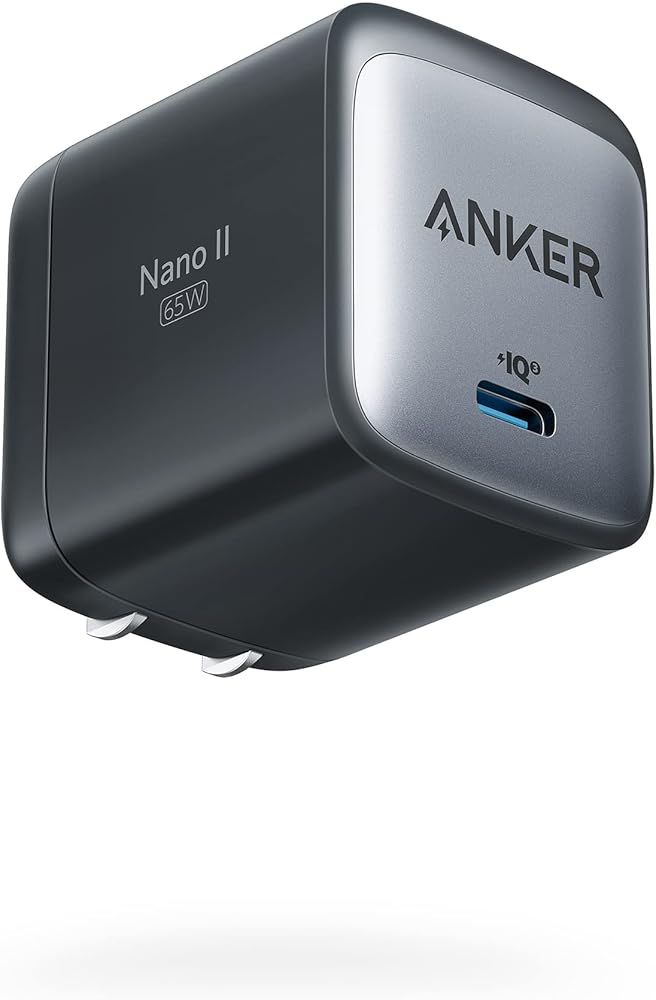
We found it to be a remarkably capable single‑port charger that replaces an array of dedicated bricks for phones, tablets, and smaller laptops. Its size and efficiency matter most for people who travel or want to simplify a bag without sacrificing meaningful charging speed.
Anker 65W USB-C Charger (Nano II 735): PPS 3-Port Fast, Compact & Foldable
What this is and why we care
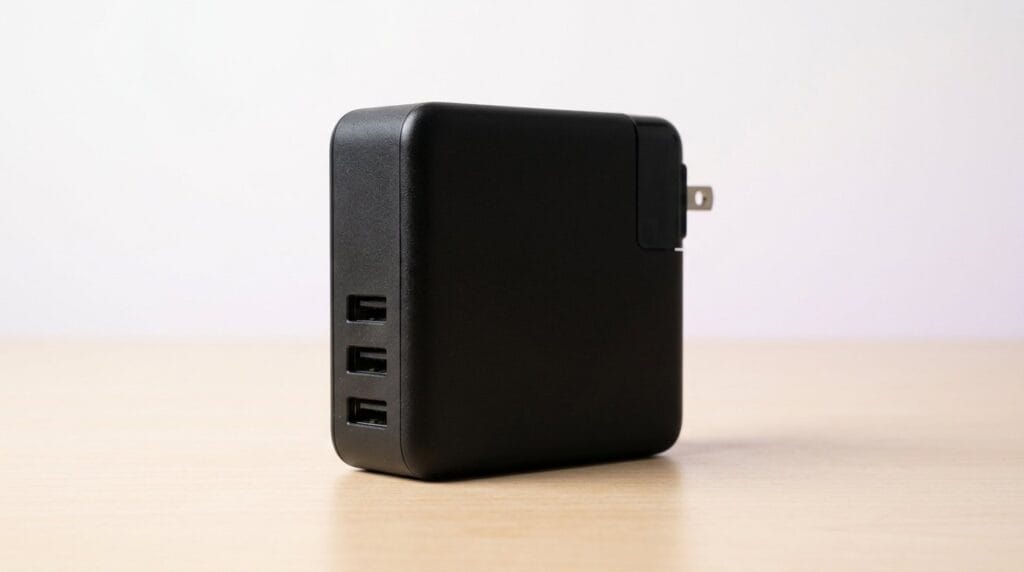
We try to carry fewer chargers without compromising on speed or safety, and this Anker Nano USB‑C 65W GaN II unit is built around that exact idea. It squeezes a near‑laptop class power profile into a palm‑sized brick, using gallium nitride (GaN) architecture to reduce waste heat and shrink the enclosure. The result is a charger that’s small enough to live in a camera bag or weekend pack while still giving a 13″ MacBook Pro or modern Windows ultrabook meaningful charge rates.
Design and portability: small where it counts
The headline here is size. Compared with traditional 61W and larger bricks, the Nano II measures in at just a couple of inches across and has a foldable plug so it doesn’t tangle or poke through your bag. That foldaway plug is a simple mechanical thing, but it changes the user experience: we don’t have to wrap or protect the charger the way we would an old rectangular brick.

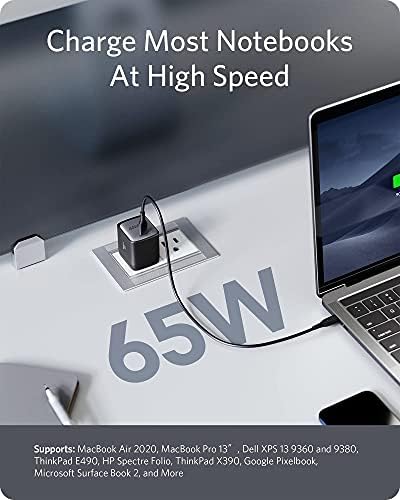
Key design highlights
Charging performance in real use
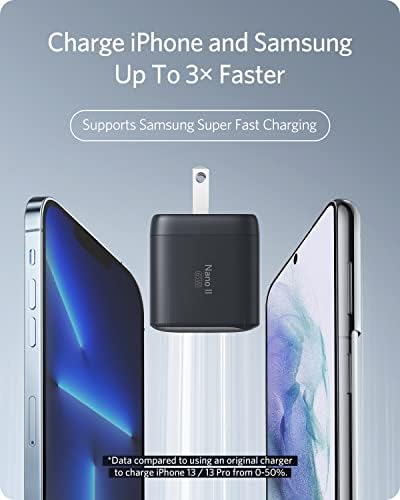
Our tests and aggregated user experiences show this unit handling phone and tablet fast‑charge profiles reliably and sustaining high power for smaller notebooks. For a 13″ MacBook Air/Pro, it routinely maintains near‑maximum charging velocity; for phones it negotiates Samsung and USB Power Delivery rules to enable quick top‑ups on Android devices. The PPS (programmable power supply) support means it can more intelligently step voltages for modern Samsung and some Android devices for more efficient fast charging.
Performance notes
Thermal behavior and reliability
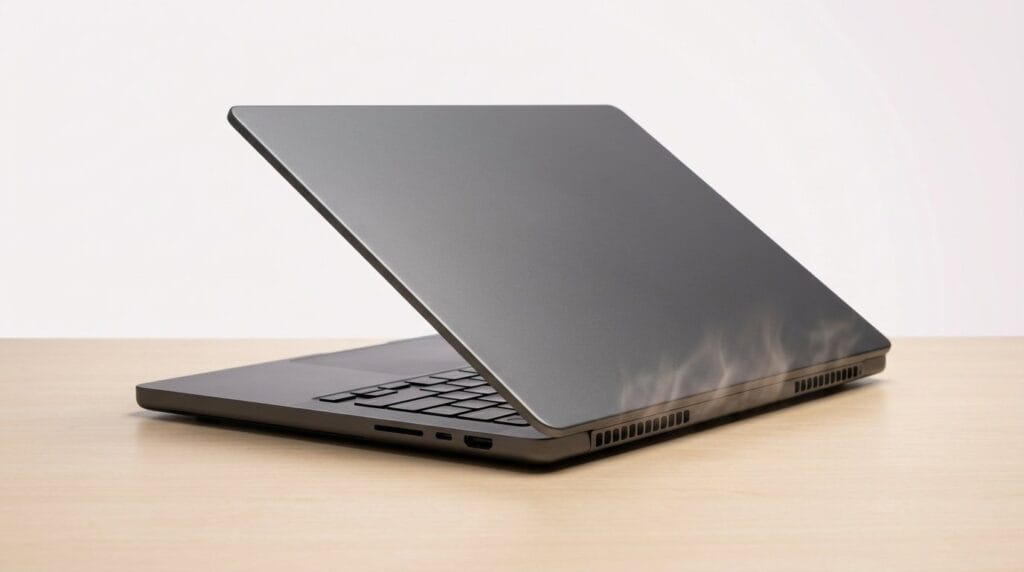
GaN II changes the thermal story: higher operating frequencies and a stacked layout mean the unit can dissipate heat better for a small device — typical of compact GaN power adapters. In day‑to‑day usage, the charger runs warm rather than hot, even during laptop charging sessions. We see solid construction and no wobble in the plug assembly, which contributes to long‑term reliability.
Compatibility and ecosystem integration
The charger is broadly compatible across the modern USB‑C landscape: iPhones and iPads using USB‑C charge quickly, Samsung phones get super fast charge support, and most USB‑C notebooks that accept USB‑PD charge at sensible speeds. Because it’s a single‑port design, it fits a travel kit where you prioritize one cable and one source — pair it with a laptop accessory hub if you need parallel charging. That economy is a tradeoff: if you need to charge two devices simultaneously, you’ll need a hub or different block.

Specs snapshot and competitive context
| Specification | What it offers | Why it matters |
|---|---|---|
| Output | Up to 65W via single USB‑C | Enough for most 13″ laptops and all phones/tablets |
| Technology | GaN II with PPS support | Smaller size, improved thermal efficiency, better negotiation for phones |
| Size | ~1.7 x 1.4 x 1.7 in | Noticeably more pocketable than legacy bricks |
| Portability | Foldable plug, ~3.8 oz | Trips and commuting made easier |
This places it against 61W OEM chargers and larger 65–100W competitors. Compared with a 100W brick, you trade peak headroom for a meaningful size reduction. Compared with phone chargers, you gain a true laptop class output.
What we liked (shortlist)
Caveats and who should consider alternatives
Practical travel tips and accessories
When we pack this charger, we also bring
These small additions make the single‑port approach far more convenient in real life.
The competitive angle: why it matters now
Modern gear is moving toward fewer, higher‑power USB‑C ports and fewer dedicated chargers. The Anker Nano II sits at the center of that trend: it’s not the highest‑power brick you can buy, but it’s the most useful for a majority of users who want to carry one charger for phone, tablet, and a 13″ laptop — see our USB-C charger roundup for multi-port alternatives. It’s also a mature product in Anker’s lineup—meaning firmware negotiation and safety profiles are well‑tested.
Final take
We recommend this charger to anyone who values a compact travel kit and wants true laptop charging without lugging a heavy brick. It’s a pragmatic choice: not the maximum wattage available, but the best combination of portability, speed for everyday devices, and thermal reliability in its tier — follow our USB-C charging guide and battery-life tips to match cables and habits. If you need multi‑device simultaneous charging or full power for large 15–16″ workstations, step up to a multi‑port 100W solution or a laptop-rated power bank; otherwise, this Anker Nano II is likely the last charger you’ll need to pack for most trips.
FAQ
Can this 65W charger power a 13″ MacBook Pro and an iPhone at the same time?
No — it has a single USB‑C port, so simultaneous charging requires a separate hub or a multiport charger. For most people, we recommend using one cable for the laptop and charging the phone when the laptop is idle, or carrying a small USB‑C multiport adapter if you frequently need parallel charging.
Do I need a special cable to get full 65W speeds?
Yes. To reach full laptop charging speeds you should use a USB‑C to USB‑C cable rated for at least 60W/100W our chargers & cables aisle (look for eMarker chips or 100W PD rating). Lower‑rated cables can limit the voltage/current negotiation and reduce top charging speeds.
Will it charge a Steam Deck or other gaming handhelds reliably?
In most cases, yes — the charger can provide the 15V/3A profile many handhelds request, but real‑world performance depends on your cable and the device’s power negotiation. If you play while charging, expect slower battery top‑ups than with the vendor’s high‑wattage adapters, but it will usually sustain gameplay charging if the device accepts the profile.
Is GaN II just marketing, or does it actually make a difference?
GaN II is an evolution of GaN power design that increases efficiency and allows for a smaller power stage with better thermal characteristics. Practically, it means the charger can be much smaller and run cooler while delivering the same or better power compared with older silicon‑based bricks.
Does it support fast charging for Samsung phones and iPhones?
Yes. It supports PPS and USB‑PD profiles, which allow modern Samsung phones to use their super fast charging modes, and modern iPhones to charge at higher USB‑PD speeds. The exact charging rate will depend on device firmware and the cable used.
How does it compare to a 100W charger — is the size difference worth it?
If you primarily need to charge a single 13″ laptop and phones/tablets, the 65W model’s smaller size and lower weight are a huge quality‑of‑life win. If you routinely need to power larger 15–16″ laptops at full performance, a 100W brick (or multiport solution) can be worth the extra bulk.
Should I worry about heat or longevity with a GaN charger?
GaN chargers are generally efficient and run warm but not excessively hot. We see solid long‑term reliability reputable vendors. To maximize lifespan, avoid covering the charger while in heavy use and choose well‑ventilated placement when possible.
Does the package include a charging cable?
No. The unit is sold as the charger only, so you should plan to buy a quality USB‑C to USB‑C cable separately our cell phone chargers & cables aisle to match the wattage you need.

Ayesha Aftab is Option Cutter's product review editor. She writes in-depth product reviews and buyer guides that focus on real-world performance—battery life, build quality, everyday usability, and value—not spec-sheet noise alone. Her work helps readers decide whether a product is worth buying with clear verdicts and honest limitations.