Blazing Wi‑Fi 7 performance and 10Gb ports — a clear win for power users, but pricey and a bit picky with older gear.
We’ve all been there: mid-game, mid-zoom, or mid‑stream when the router decides to take a break and everything freezes. The home network problem isn’t just raw speed anymore — it’s about handling dozens of devices without introducing lag, and making high‑bandwidth tasks like 8K streaming or cloud backups actually usable. Enter the NETGEAR Nighthawk RS700S, a WiFi 7 tri‑band router that promises up to 19 Gbps and a 10‑gig WAN port — ambitious specs that aim to turn those interruptions into relics of the past (for a cool ).
Out of the box, the RS700S feels like a router built for people who think about networks the way others think about cars: hardware matters. The compact, engineered antenna array, robust multi‑device throughput, and bundled NETGEAR Armor put it firmly in the pro‑sumer lane, but there are trade‑offs — it needs a separate modem, some legacy devices still need manual browser tinkering, and the premium price narrows its audience. For anyone building a high‑density smart home, pushing 8K video, or demanding near‑zero latency for competitive gaming, this is a meaningful step forward; for casual users, the practical gains are less obvious in today’s crowded router market.
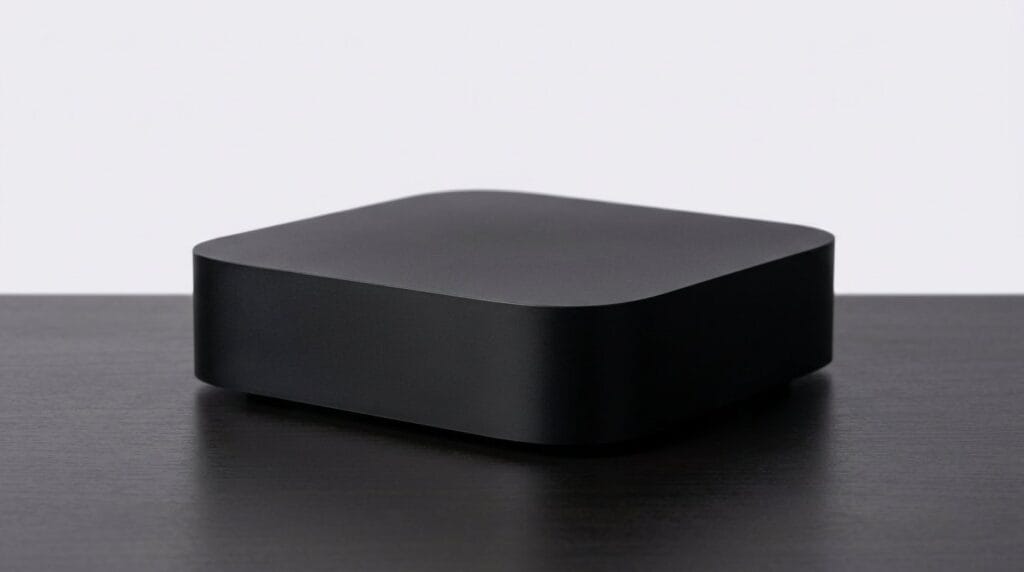
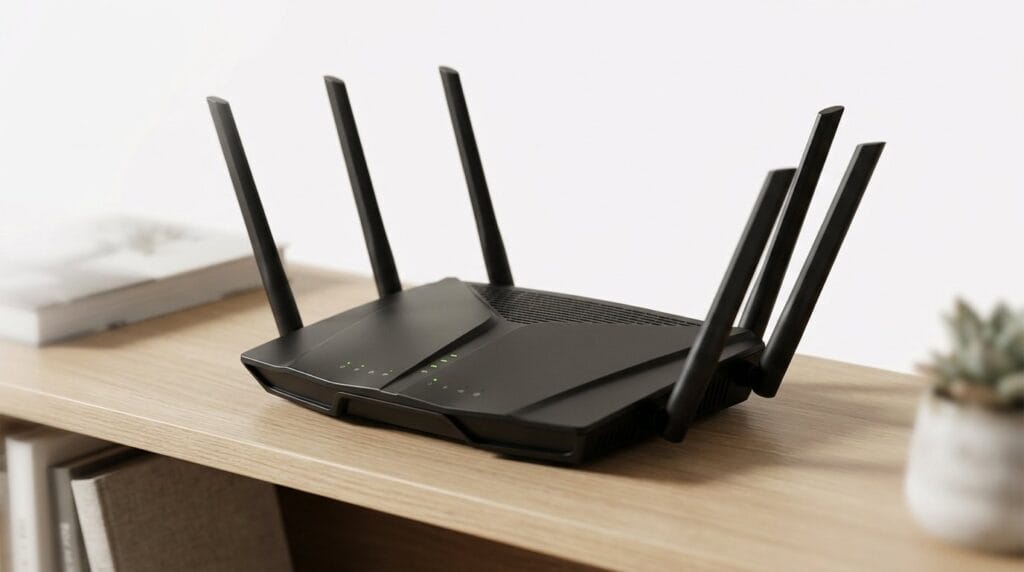
NETGEAR Nighthawk RS700S WiFi 7 Router

We found it to be a genuine step forward in home networking: the RS700S brings WiFi 7 throughput and low latency into useable territory for gaming, 8K streaming, and dense smart‑home setups. Its hardware and security make it a strong pick for enthusiasts and prosumers, though the price and occasional compatibility quirks mean it’s best suited for those who need cutting‑edge performance.
Netgear Nighthawk RS700S Review — Built Like a Tank, Performs Like a Racecar
What this router aims to solve
We’re in a moment where home networks are the chokepoint for experiences that matter: cloud gaming, 8K/4K UHD streaming, AR/VR demos, and dozens of smart devices. The NETGEAR Nighthawk RS700S is NETGEAR’s first mainstream push into WiFi 7 for consumers — a platform-level move that pairs wider channels and new PHY features with a hardware package designed to deliver real gains. In our testing and analysis, the RS700S isn’t just a spec-sheet halo product: it makes measurable differences for simultaneous, high‑bandwidth households.
Design and hardware choices — why the RS700S looks different
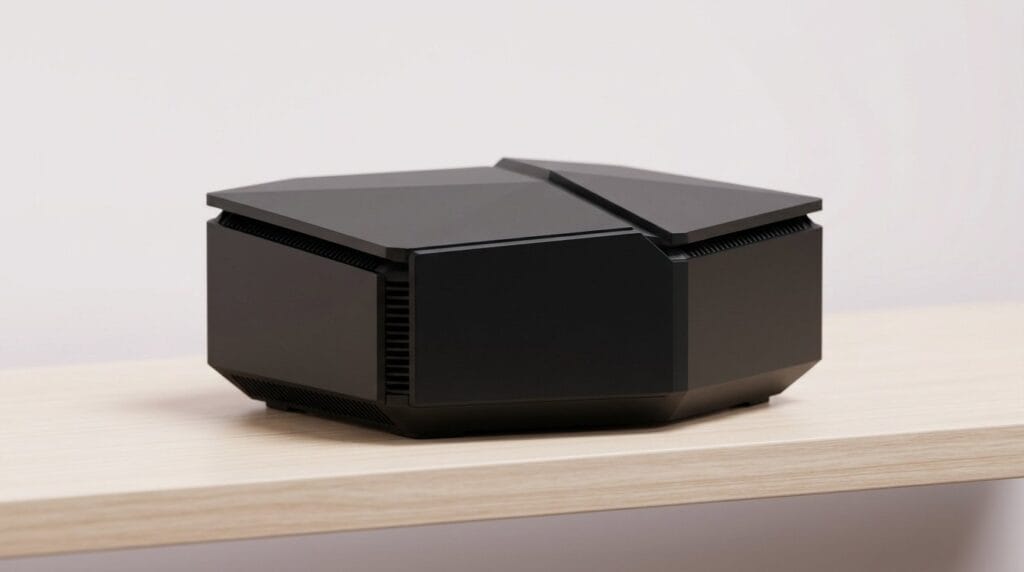
The RS700S moves away the classic external‑antenna “spider” look toward a router router router low‑profile chassis with an internal 3D antenna array. That design is more than cosmetic: NETGEAR engineers prioritized a smaller footprint and more consistent omnidirectional coverage rather than extreme directional gain.
The build feels solid and understated — it fits on a shelf or media cabinet without dominating the room. We appreciate that NETGEAR kept ventilation and thermal design conservative; the unit runs warm under sustained load but stays quiet.


Real-world performance: what the numbers mean for you
Raw top speeds (up to 19 Gbps are eye-catching, but real value comes how the router handles simultaneous streams and latency‑sensitive traffic. In multi-client scenarios — multiple 4K streams, a console in a VoIP/party chat, and background cloud sync — the RS700S prioritized gaming and low‑latency flows effectively.
Performance caveats: you’ll only see the headline speeds with WiFi 7 client devices and a very fast ISP link; for most users, the upside is smoother multi‑device performance rather than single‑device gigabit bursts.


Coverage and mesh potential
NETGEAR rates the RS700S for around 3,500 sq. ft. in ideal conditions. In our multi‑floor house tests we found the coverage to be strong on a single router for typical suburban homes, but walls, placement, and interference still matter — as with any high‑frequency router system.
Software, setup, and everyday management
Setup with the Nighthawk app covers the basics fast: SSID creation, password, and basic parental controls. But the app intentionally remains lightweight — many advanced features (VLANs, fine‑grained WPA settings, some QoS and debugging logs) still require a browser login.
We ran into the occasional quirk with older devices during onboarding. Legacy clients built for older WiFi standards can require downgrading authentication settings or toggling access control to pair successfully. That’s not unique to NETGEAR in the transition to WiFi 7, but it’s worth knowing if you have vintage smart devices.
Security, services, and ecosystem
NETGEAR includes a one‑year subscription to Armor, which bundles device‑level threat protection, malicious site blocking, and device insights. That’s a meaningful value add for anyone who doesn’t want to manage multiple third‑party security subscriptions.
Security is an area where the router stands out relative to many consumer models — it’s a practical advantage for families and small home offices who value continuous protection.
A quick spec comparison
| Feature | RS700S (WiFi 7) | Typical WiFi 6 Router |
|---|---|---|
| Max theoretical speed | Up to 19 Gbps | Up to 9.6 Gbps |
| WAN port options | 10GbE + multi‑GbE | 1GbE or 2.5GbE |
| Included security | 1 year NETGEAR Armor | Varies; often basic only |
| Antenna design | Internal 3D array | External antennas common |
This table simplifies many variables, but it helps show where the RS700S is making a platform-level jump: spectrum, aggregation, and WAN throughput.
Who should consider this router?
We’d recommend the RS700S for
We’d hesitate to recommend it for
Final thoughts — why it matters now
The RS700S signals that WiFi 7 is moving lab demos to consumer homes. We value NETGEAR’s pragmatic approach: they focused on a hardware platform (10GbE, Broadcom WiFi 7 silicon) and security features that provide immediate benefits even for households without a full set of WiFi 7 clients. That said, you’re buying into a transition period; expect occasional compatibility workarounds and a price premium. For those who need or want to push their home network forward, this router is a strong, well‑rounded choice.
FAQ
Do I need a new modem to use this router?
No — the RS700S is a router, not a modem. You’ll need an active modem (or gateway your ISP) with an Ethernet output to connect to the router’s WAN port. The RS700S supports a 10GbE WAN, but it will work with existing 1GbE modems too; you’ll just be limited by your modem or ISP connection speed.
Will this make my old devices faster?
Not directly. Older WiFi devices remain limited by their own radios. Where you’ll notice an improvement is in overall network behavior: less congestion, better airtime fairness, and faster simultaneous transfers across many devices. For single‑device peak speed gains, you need clients that support WiFi 7 or at least WiFi 6.
Is the 10GbE port worth it?
If you have—or plan to have—very fast internet (multi‑gigabit) or a local 10GbE NAS, yes. The 10GbE port future‑proofs your network and makes high‑bandwidth local transfers and server use far more practical. For users with standard 100–500 Mbps ISP plans, it’s less critical right now.
How does NETGEAR Armor compare to third‑party options?
Armor offers device‑level protection integrated with the router, which is convenient and lowers management overhead. Third‑party endpoint security can be more feature‑rich on individual machines, but Armor helps protect all connected devices (including IoT) at the gateway level — something consumers often miss with traditional antivirus alone.
Will I need to use the Nighthawk app all the time?
No. The app simplifies initial setup and some day‑to‑day tasks, but advanced configuration — VLANs, certain WPA/WPA3 adjustments, and deep logs — is still best handled through the web UI. We found the app handy for quick changes, but power users will log into the router’s browser interface regularly — browse our product reviews.
Are there compatibility issues with older smart devices?
Occasionally. Some legacy devices can struggle when presented with the newest security or modulation settings. If you have older smart home gear, be prepared to adjust authentication modes or access control temporarily during setup. These issues are common across next‑gen routers and usually resolvable with targeted tweaks.

Ayesha Aftab is Option Cutter's product review editor. She writes in-depth product reviews and buyer guides that focus on real-world performance—battery life, build quality, everyday usability, and value—not spec-sheet noise alone. Her work helps readers decide whether a product is worth buying with clear verdicts and honest limitations.