Why a Smartwatch Should Help Us, Not Haunt Us
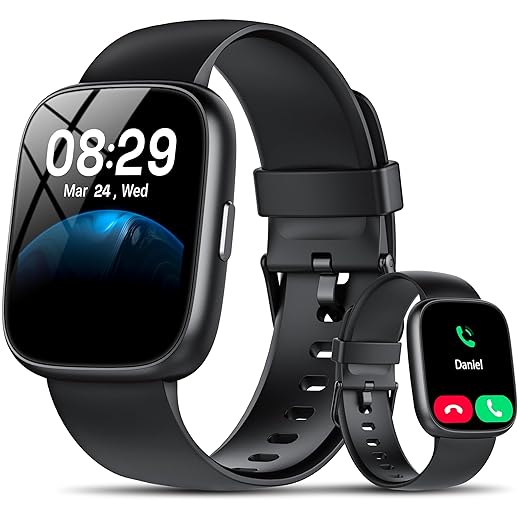
We want smartwatches to aid our health without creating anxiety. We focus on design, UX, and ecosystem choices that matter now: practical alerts, trend-focused metrics, sleep context, and privacy controls—so devices help us live better, not demand constant daily attention.
What We Need to Start
We need a recent smartwatch (iOS/Android), charger, health app access, one or two days’ baseline wear, willingness to ignore metrics, and comfort with notifications and settings.
Smartwatch Secrets: Ayurveda Health Balance Tips
Set Intentions First: Pick What Matters
Want fewer notifications and better sleep, or an obsession with scores? We recommend choosing the former—here’s how we decide what to track.Name what we actually want the watch to do. Pick one primary metric and one secondary metric — for example activity minutes and sleep consistency — and ignore the rest, using our fitness-tracker buying guide to narrow choices. This anchors settings and stops us from chasing every new shiny stat.
Pick metrics that map to actions. Choose devices that surface actionable nudges (a vibration to stand, a timed bedtime prompt) rather than opaque scores. Evaluate ecosystems: some watches — like Apple Watch or Pixel Watch — sync with phone-based coaching and calendar context; others trap analytics in a wearable app. Prefer the former if you want integrated, gentle coaching; avoid the latter if it spams you with irrelevant badges.
Do a baseline week of unobtrusive wear to set realistic targets and spot false positives (elevated HR from caffeine, travel, or meetings) — the same calibration mindset we use in everyday wearable comparisons.
Follow these quick steps

Tame Notifications: Make Alerts Useful
What if fewer pings made us healthier? Turn on only alerts that actually change what we do—our sanity will thank us.Limit alerts to prompts that demand a clear action. Disable generic hourly move reminders if they become noise; enable end-of-day summaries or milestone alerts tied to real progress (for example, a 5,000-step checkpoint or a streak reminder at 8 p.m.).
Disable irrelevant banners. Enable adaptive thresholds so the watch auto-adjusts step goals or sleep windows based on our baseline, reducing guilt and improving long-term engagement.
Use context-aware modes. Schedule Do Not Disturb, turn on workout/focus modes, and tier interruptions so only urgent sources break through during deep work or sleep.
Audit app permissions. Prefer platforms that let third-party apps honor our notification preferences—this reduces cross-app noise and is a competitive differentiator.
Use concise, actionable language in alerts: “Stand now for five minutes” beats vague scores.

Focus on Trends, Not Minute-by-Minute Panic
Charts are context, not destiny—how trends beat hourly fixation and why people who look weekly are less likely to burn out.Treat charts as context, not verdicts. Watch weekly and monthly patterns — improving sleep regularity, fewer prolonged sedentary stretches, a falling resting heart rate — instead of reacting to every hourly blip; our sleep and heart-rate tracker picks explain which metrics stay stable week to week.
Prefer platforms that visualize trends with clear baselines, simple explanations, and noise filters so we can tell real change from measurement variance. Choose apps that link trends to micro-interventions: a breathing prompt after a stress spike, a lighting tweak for delayed sleep onset.
Design the interface to reduce friction: color coding, quick date comparisons, and one-touch toggles to hide noisy metrics.
Stay competitive: in a crowded market we keep tools that prioritize explainability and ecosystem sync so data surfaces in conversations, not private anxieties.
Set a weekly review ritual and pick one small adjustment per month to try.

Use Sleep Data as a Guide, Not a Scorecard
Sleep tracking can be a helpful compass—if we stop treating every stage estimate like a diagnosis. Here’s how we make it practical.Treat sleep tracking as a compass, not a judge: use wrist data to point us toward routines, not to hand out grades — a framing we also stress in fitness tracker vs smartwatch sleep tracking. Choose watches that support low-battery overnight monitoring and give clear bedtime cues rather than intimidating sleep scores.
Prefer vendors that explain how algorithms estimate stages (wrist actigraphy + heart-rate variability), and spell out the limits of wrist-only sensing so we stop chasing phantom precision — pair that skepticism with NIH News in Health sleep benefits on what wrist estimates can and cannot show.
Set gentle alerts for meaningful events — long wakefulness or repeated short sleeps — and avoid margin-of-error chasing: one restless night shouldn’t reset a month of progress.
Use ecosystem integrations to close the loop: if a watch dims smart lights and nudges a 10:30 bedtime, keep that flow — the same bedtime automation patterns in our smart-home setup guide. Pick coaching that prescribes simple fixes (consistent bedtime, wind-down routine) over exhaustive reports.
Record brief sleep notes.

Design Movement Around Our Lives, Not Leaderboards
Step totals are boring—movement variety and useful context win. Can a watch help us get stronger without public shaming? Yes.Reframe activity as useful movement, not vanity step totals: treat walks, short mobility breaks, and strength bursts as the real wins.
Prioritize minutes of moderate activity over raw steps. Pick a fitness smartwatch that reports active minutes and auto-scales goals to our baseline (for example: start at 15 minutes/day, increase 10% weekly), and turn off aggressive, resettable “streak” targets that make us chase numbers.
Use simple qualitative feedback—light / moderate / intense—instead of a single progress percent. Examples: a 5‑minute desk stretch marked “light” or a 12‑minute brisk walk marked “moderate.”
Limit social noise: disable leaderboards, share selectively, and favor group chats or scheduled reminders for accountability.
Choose devices that integrate with calendars and workout apps to suggest micro‑sessions, and prefer vendors that balance coaching with granular privacy controls.

Control Our Data: Privacy, Export, and Retention
Our health data shouldn’t fuel someone else’s product roadmap. Here’s a playbook for keeping control without losing utility.Audit permissions so we only share sensors and apps that add value, not every metric. Limit cloud syncs and disable automatic backups of raw logs (turn off iCloud/Drive health backups). Delete unnecessary datasets and set retention windows; don’t keep minute-by-minute logs forever.
Choose ecosystems that match our priorities: Apple and Google for clinical integration, smaller vendors when privacy‑first coaching matters. Read privacy policies and business models—HIPAA and regional rules shape vendor behavior. Set periodic exports, enforce retention limits, and avoid lifetime automatic backups so our data stays portable and intentionally shared.
Make the Watch a Nudge, Not a Tyrant
We keep notifications and trends selective, prioritize actions over scores, choose ecosystems aligned with our lifestyle so wearables nudge choices, not nag them; browse more how-to guides, try this approach, share results, tell us what changed.
Frequently asked questions
What should I prepare before I use a smartwatch for health without becoming obsessive?
Start with the checklist in the “What we’ll need” section above—measure your space, confirm compatibility with your gear, and read the full walkthrough once before you change settings or buy parts. Smartwatch goes faster when prep is done upfront.
How long does it take to use a smartwatch for health without becoming obsessive?
Most readers finish in about 30–90 minutes if they already have the right parts, but budget extra time for measurements, firmware updates, or a second pass when something does not behave the way the manual suggests on the first try.
What is the hardest part when you use a smartwatch for health without becoming obsessive?
The step that trips people up is usually alignment or configuration—getting measurements, cable routing, or software settings right before you commit. If results still look off, re-check the basics in order instead of swapping hardware immediately.
What mistakes should I avoid when I use a smartwatch for health without becoming obsessive?
Skipping measurements, ignoring ventilation or port limits, and rushing the final test are the common failures. Photograph your starting setup, label cables, and verify the outcome with the same content or workflow you will use every day—not a one-off demo.
When should I call a pro instead of trying to use a smartwatch for health without becoming obsessive myself?
Bring in help when the job needs structural work, licensed wiring, or tools you do not own, or when repeated attempts still fail after you have followed the troubleshooting section. A short paid visit can cost less than replacing gear you damaged by forcing the install.

Princess Rioboca is the Lead Editorial Writer at Option Cutter, bringing over seven years of hands-on experience in consumer technology journalism. Specializing in home networking and smart home architecture, she transforms complex technical data into practical, real-world upgrades. Princess personally tests and audits every product she reviews—evaluating real-world Wi‑Fi throughput, cable management durability, and streaming ecosystem stability—to filter out spec-sheet noise. Her rigorous, field-tested insights are designed to give readers transparent, unbiased buying advice on what to purchase, what to skip, and exactly why.