Why choosing the right smart ring for sleep tracking matters
We know sleep trackers are no longer novelty gadgets; they’re design-heavy health tools we wear nightly. In this guide we cut through comfort, sensors, software, and long-term costs so you can choose a ring that fits your goals and ecosystem.
What you need before we start
Define your sleep goals and priorities
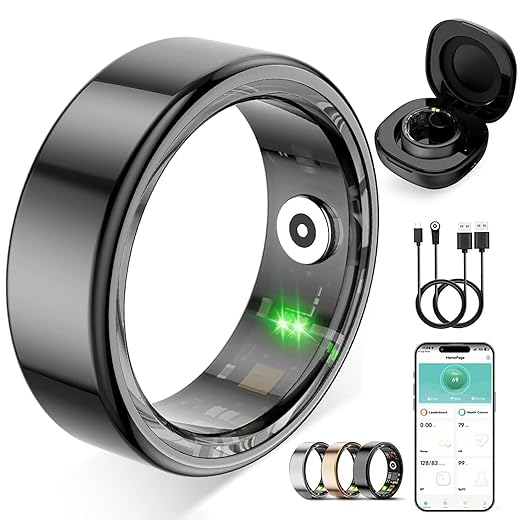
Do you want nightly summaries or forensic sleep-stage precision?Clarify why we’re tracking sleep on a smart ring. Decide whether we want simple trend-tracking, better sleep hygiene, detection of breathing events, or clinical-grade staging and HRV insights—because that choice steers everything else.
List our top priorities and match them to use cases:
Write down the three features we value most (example: “daily sleep duration, nightly HRV, raw CSV export”). Use that shortlist to filter smart ring models and avoid paying for features we won’t use.
Assess form factor, comfort, and fit
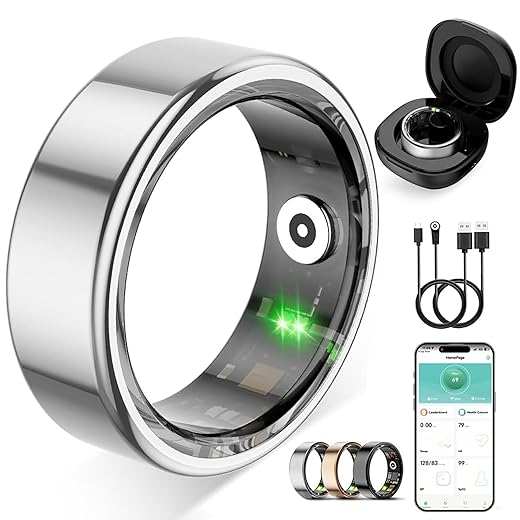
It lives on your finger—comfort beats specs every time.Prioritize comfort — we’ll sleep with this ring every night, so tactile feel is the primary UX metric. Inspect materials (titanium, ceramic, stainless steel), profile height, inner radius, and weight; a low-profile titanium band often feels “invisible,” while a chunky stainless dome can press the finger and disturb sleep.
Prefer slim, contoured sleep rings to reduce finger pressure and movement artifacts; bulky rings can create accelerometer/PPG noise and even wake us. Test sizing systems: rings that include precise sizers or multiple width options cut return rates. Check durability and IP rating so we can shower and sweat without worry. Watch finishes — polished metals scratch differently than ceramic or DLC coatings.
Ask for a trial or read return-policy anecdotes; in the current market, ergonomics plus solid build quality beats flashy sensors if it compromises nightly wearability.
Evaluate sensors and tracking technology
Not all sensors are created equal—what's under the hood matters.Evaluate the sensor suite beyond marketing copy: we look for what’s actually measured, how often, and where the data is captured.
Check for these core sensors
Ask vendors about sampling rates, sensor placement, and on-device firmware processing. Favor companies that publish validation studies or peer-reviewed accuracy data. Expect trade-offs: dense sensing plus sophisticated ML models generally beats single-sensor devices, but costs battery and can force larger housings — test real-world battery life against claimed figures.

Compare software, analytics, and ecosystem fit
The app decides whether your data becomes insight or noise.Check the companion app for clarity of insights, actionable recommendations, and long-term trend visualization so we can judge real usefulness night to night.
Verify whether the app explains sleep stages, efficiency, and recovery instead of only offering a single raw score.
Check integrations with Apple Health, Google Fit, and smart-home platforms so we can centralize records or trigger automation (for example, dim lights after a poor sleep night).
Compare data-export options (CSV/JSON/API) and multi-device support so we can move or archive our data if needed.
Compare subscription tiers and note which core features are gated behind paywalls so we can calculate real cost.
Assess UX factors—sync speed, cadence of firmware/app updates, and notification design—to make sure the ring fits into our daily routine.
Favor wearable apps that publish validation, allow exports, and offer a usable free tier to reduce long-term vendor risk.

Consider battery life, charging, and maintenance
A dead ring is worse than a slightly less accurate one.Assess advertised battery life against how we actually use the smart ring: nightly continuous tracking, occasional daytime wear, and whether we need multi-day stretches between charges. Expect manufacturers’ numbers to be optimistic; plan for real-world drain from sensors and notifications.
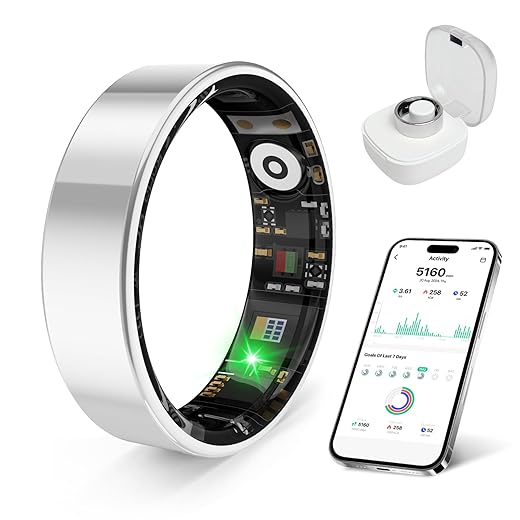
Check the charging workflow. Prefer solutions that let us “drop and go”—a puck or cradle with obvious alignment, or true wireless charging—so recharging becomes as habitual as setting keys on a tray. For example, top-up 10–20 minutes before bed should be possible.
Weigh cost, support, and long-term value
Upfront price is just the beginning—subscriptions and support determine real cost.Calculate the true total cost of ownership for a smart ring setup: add the device price, any recurring subscription, accessories, and likely upgrades. For example, a $300 ring with a $5/month plan becomes $420 over two years—ask if those analytics justify that gap.
Compare subscription benefits against our usage. Choose a plan only if coaching, raw-data export, or cloud features actually change our behavior; otherwise favor rings with robust free features.
Check support, warranty, and return policies. Prefer responsive chat/phone support, at least a 12‑month warranty, and a clear trial window to reduce buyer’s remorse.
Assess privacy and vendor longevity. Demand clear data policies, export options, and evidence of clinical partnerships or third‑party validation—these signal long‑term firmware and cloud commitment.
Final pick: match priorities to product
We recommend choosing the smart ring that aligns with our top priorities—comfort first, sensors and software next, ecosystem and cost last; prioritize nightly wearability and a transparent app experience, then try your choice for a few weeks and share your results.
Frequently asked questions
What should I prepare before I choose a smart ring for sleep tracking?
Start with the checklist in the “What we’ll need” section above—measure your space, confirm compatibility with your gear, and read the full walkthrough once before you change settings or buy parts. Smart ring goes faster when prep is done upfront.
How long does it take to choose a smart ring for sleep tracking?
Most readers finish in about 30–90 minutes if they already have the right parts, but budget extra time for measurements, firmware updates, or a second pass when something does not behave the way the manual suggests on the first try.
What is the hardest part when you choose a smart ring for sleep tracking?
The step that trips people up is usually alignment or configuration—getting measurements, cable routing, or software settings right before you commit. If results still look off, re-check the basics in order instead of swapping hardware immediately.
What mistakes should I avoid when I choose a smart ring for sleep tracking?
Skipping measurements, ignoring ventilation or port limits, and rushing the final test are the common failures. Photograph your starting setup, label cables, and verify the outcome with the same content or workflow you will use every day—not a one-off demo.
When should I call a pro instead of trying to choose a smart ring for sleep tracking myself?
Bring in help when the job needs structural work, licensed wiring, or tools you do not own, or when repeated attempts still fail after you have followed the troubleshooting section. A short paid visit can cost less than replacing gear you damaged by forcing the install.

Princess Rioboca is the Lead Editorial Writer at Option Cutter, bringing over seven years of hands-on experience in consumer technology journalism. Specializing in home networking and smart home architecture, she transforms complex technical data into practical, real-world upgrades. Princess personally tests and audits every product she reviews—evaluating real-world Wi‑Fi throughput, cable management durability, and streaming ecosystem stability—to filter out spec-sheet noise. Her rigorous, field-tested insights are designed to give readers transparent, unbiased buying advice on what to purchase, what to skip, and exactly why.