

Why the Right Fast-Charging Cable Matters
We cut through specs, marketing claims, and connector wars to show which fast charging cables last. We focus on design, protocol compatibility, safety, and real world durability so you avoid junk, save money, and keep devices charging reliably every day.
What We Need

Start with the Right Connector and Protocol
USB-C is king — but are we chasing speed or compatibility?Separate connector form factor from charging protocol. Today USB‑C dominates phones and laptops; Lightning remains for Apple devices. Choose the connector your device uses, but prioritize the protocol it supports.
Look for these protocol signals and what they mean:
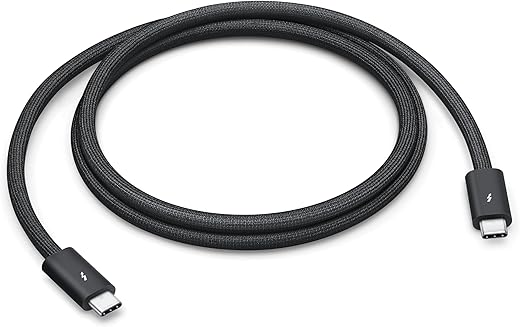
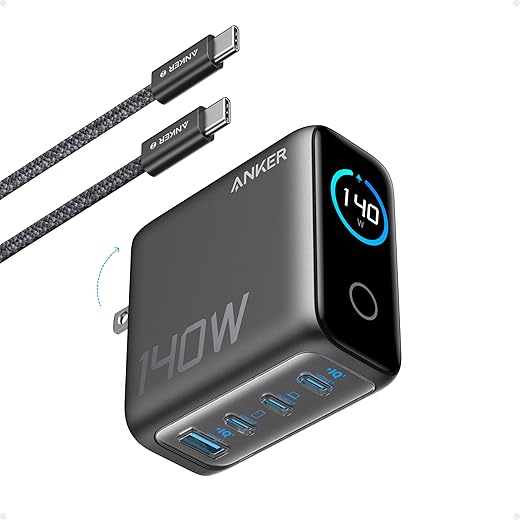
Prefer cables labeled with data/power capability: USB2.0 vs USB2.1 vs USB3.x affects data lanes and power handling. For laptops, pick cables rated 100W (5A/20V) with an e‑marker chip. For phones, aim for ~60W headroom to reduce heat and wear. Match charger, cable, and device protocols to avoid slow fallbacks and unnecessary stress.

Inspect Build Quality and Reinforcement
Shiny specs don’t save a frayed cable — what to physically look for?Inspect the strain relief and connector housing first: heat‑shrinked or molded relief that tapers smoothly reduces stress; a tiny lip or stiff bend is a failure warning.
Check the jacket and inner conductors: prefer braided nylon that resists fraying, but probe for thin inner wires—cheap braids often hide weak cores.
Verify connector metallurgy and pins: choose gold‑plated contacts and thick, well‑terminated pins to cut contact resistance and corrosion over time.
Look for visible electronics and certification: pick cables with USB‑IF or MFi marks and a visible e‑marker for high‑wattage (60–100W) lines.
Expect these quick checkpoints to predict real‑world durability:
Expect robust designs to outlast slim budget alternatives in daily bend and drop scenarios.
Check Cable Electrical Specs and Testing
Can a cable actually deliver the watts it claims, or is that marketing fluff?Measure cable behavior, not just the printed spec. We use a USB power meter and a multimeter to record voltage drop, current capability, and temperature during sustained, real‑world loads (phone, tablet, laptop).
We confirm presence of an e‑marker on USB‑C cables claiming 5A; without it chargers will negotiate lower currents. We watch negotiation logs to see when a charger or device downrates power.
Evaluate Ecosystem Compatibility
One cable to rule your devices? Not always — here’s how to reconcile different ecosystems.Treat compatibility as a strategic concern. We place cables inside ecosystems: Apple still favors Lightning or USB‑C with vendor negotiation quirks, Android phones increasingly default to USB‑C PD, and laptops often require USB‑C Alt Mode/PD e‑markers for high‑watt charging and video. For example, a phone cable that hits full speed on a Pixel can underperform on a MacBook if it lacks the right e‑marker or Alt Mode wiring.
Account for functions beyond power: data rates, DisplayPort/HDMI passthrough, and firmware-based handshake. Prefer certified or vendor‑approved cables — OS updates can change charging curves and break uncertified accessories.

Prioritize Safety and Certification
A cheap cable can be a fire hazard — certifications aren't optional.Prioritize safety as non‑negotiable. Look for USB‑IF, MFi, or clear vendor approvals — these prove the cable passed electrical and interoperability tests.
Inspect visible marks: serial or batch numbers, and explicit wattage/current ratings printed on the cable or packaging. Avoid cheap-looking logos or missing identifiers; counterfeit marks are often blurry or inconsistent.
Perform simple at‑home checks:
We found uncertified cables show higher performance variance and fail faster in accelerated aging. Replace cables at the first sign of damage without delay.

Buy Smart: Brands, Warranties, and Real-World Use
Spend a little more now, or pay for replacements and headaches later?Buy from established makers with clear warranty terms and transparent specs — design consistency usually means better quality control. We prefer brands that publish wattage/current ratings and offer multi‑year coverage or simple replacements; that tells us they stand behind their engineering.
Read community reports (Reddit, product reviews, tech forums) to learn common failure modes like connector loosening or internal breakage. Compare how brands handle returns and whether replacements are hassle‑free.
Pairing a certified charger with the right cable minimizes risk and improves daily charging.

Final Takeaways
We’ve given a practical checklist: prioritize protocol compatibility, solid build, and certification, test cables under load, and favor reputable brands and ecosystem fit; doing so saves time and money. Try these steps, share your results, and help us refine real-world recommendations for better future choices.

Chris is the founder and lead editor of OptionCutter LLC, where he oversees in-depth buying guides, product reviews, and comparison content designed to help readers make informed purchasing decisions. His editorial approach centers on structured research, real-world use cases, performance benchmarks, and transparent evaluation criteria rather than surface-level summaries. Through OptionCutter’s blog content, he focuses on breaking down complex product categories into clear recommendations, practical advice, and decision frameworks that prioritize accuracy, usability, and long-term value for shoppers.