Why Parental Controls Are Worth Doing — Carefully
We take a pragmatic, design-minded approach to smart-home parental controls, balancing USABILITY, ecosystem quirks, and family routines so our safeguards protect kids without breaking devices; this matters now because fragmented platforms and aggressive app design demand smarter, UX-first solutions. Best practices.
What We Need Before Starting
We need

Set Up Android Parental Controls: A Quick, Easy Guide
Map the Landscape: Inventory Devices and Goals
Which devices matter most — and why a scattershot ban will backfireAudit our home tech: phones, tablets, laptops, gaming consoles, smart TVs, streaming sticks, and any IoT gadget — including indoor cameras — tied to the router. For each device note owner, operating system, account ties (Apple ID, Google, Xbox Live), typical use windows, and where supervision is needed — sleep, schoolwork, streaming, social apps.
Record the following for every device
Map controls to scope: choose per-account tools (Apple Screen Time, Google Family Link) when apps and settings follow the account; choose network-level tools (router parental controls, Circle, Eero) for whole-home limits like safe search or guest devices. Flag edge cases — grandparents’ phones, visitor devices, and IoT sensors that must remain connected. Finally, set measurable goals (9:00 pm cutoff, block specific apps, enforce safe-search) so we can measure success rather than guessing if something “feels” right.

Pick the Right Layer: Network, Device, or Account Controls?
Spoiler: one-size-fits-all is usually wrong — choose based on friction and coverageCompare the three layers quickly so we know what to deploy where. Network-level rules (router firmware, mesh parental features, Circle/Eero) catch everything on Wi‑Fi and avoid per-device setup, but can’t touch cellular and sometimes break benign services (printers, game servers). Device/account controls (Apple Screen Time, Google Family Link, Windows Family Safety) map to accounts, give app limits, approvals, and reports — great when devices use managed accounts. Installable third‑party apps give cross‑platform parity but require per‑device installs and often trade convenience for data access.
Highlight trade-offs
Start with what our inventory shows: pick network controls for shared, always‑on limits; pick account controls for owned phones and school laptops; use a hybrid approach for mixed households.

Implement Network Safeguards Without Breaking Everything
Yes, we can block nastiness at the router — but do it like experienced tinkerers, not piratesBack up current router settings and document any custom DNS entries or port forwards so we can restore a working configuration if something breaks.
Enable safe DNS (OpenDNS FamilyShield, CleanBrowsing, or your ISP’s parental feature) only after testing — and browse our how-to guides before you change network-wide filters, since DNS-level blocks can silently break games, video calls, streaming logins, and smart‑home integrations — we’ve seen a thermostat or camera stop talking after a blanket block.
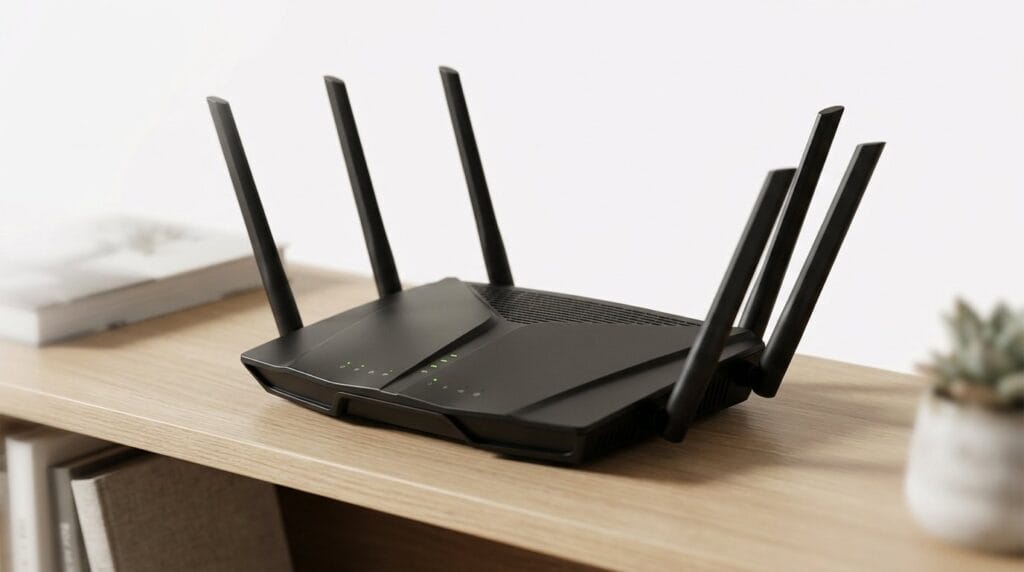
Create device groups in mesh systems (Eero, Orbi, Google Wi‑Fi), apply schedules, and test site filtering on representative hardware to gauge impact.
Use these representative devices to test site filtering:
Start incrementally: enable time limits or DNS filters first, then watch for collateral damage over 24–48 hours so we catch edge cases.
Consider VLANs or guest networks on Wi‑Fi & networking gear to isolate IoT devices — that reduces the chance that a filter breaks an essential service.
Note the vendor trade‑offs: simpler interfaces are easier to manage but often opaque; richer platforms give logs and control but can feel clunky.
Keep a short test period and an easy rollback path — nothing ruins trust like a locked door or a teen missing a tutoring session.

Configure Device and Account Controls With an Eye for UX
Don’t just flip switches — design policies kids can live with (so they actually comply)Create managed family accounts first: use Apple Family Sharing, Google Family Link, or Microsoft Family on phones and smart speakers & displays so we can centrally approve apps, purchases, and screen time. Sign kids in with managed IDs and link devices before locking policies.
Set screen‑time limits and app‑approval workflows deliberately. Allow homework mode (permit educational apps and a browser), schedule evening wind‑down to mute notifications and block social feeds, and add chore exceptions (extra minutes for completed tasks).
Design simple, predictable rules and test them on one device. For example, allow YouTube Kids and Khan Academy during homework; block TikTok after 9pm.
Account for platform quirks
Enable concise notifications: opt for daily digests and purchase alerts rather than session-by-session pings so we get signals without micromanaging.
Prefer systems that process data locally or provide transparent logs, and be wary of third‑party apps that harvest activity for ads — compare policies with FTC Protecting Kids Online and FTC kids and video games guidance when you evaluate monitoring tools.
Test, Iterate, and Teach — The Human Side of Controls
Parental controls aren’t a firewall; they’re a conversation starter — and a product we should refineTest the rules with real scenarios: try a sleep‑time lock, run Zoom during school hours, stream in HD to check bandwidth caps, and confirm a caregiver can remotely unlock a device — the same discipline we use when setting up home security systems. We try these so we see the UX failure modes, not just green lights in an admin panel.
Collect feedback from kids and caregivers. Ask what felt disruptive and what was useful; adjust time thresholds and app exceptions accordingly. For example, allow a quick 10‑minute extension for finishing homework instead of a blanket block.
Schedule a three‑week cadence to iterate. Use monitoring tools and a short weekly check‑in to spot false positives, usability pain points, and accidental blocks. Always include a documented “break‑glass” override (PIN or emergency contact) for urgent needs.
Pair tech with norms: explain limits, model device behavior, and agree on consequences up front so rules feel predictable, not punitive. We prioritize vendors that offer transparent reports and easy overrides—those products reduce friction and build trust. Avoid opaque, brittle solutions that families end up ignoring.
Maintain the system: keep firmware/OS updated, review account links when devices change hands, and re‑evaluate rules as kids age.
A Practical, Humane Parental-Control Strategy
We choose layered, user-friendly controls that fit family rhythms across our Security Cameras & Surveillance and connected-home stack: thoughtful network, device, and account tools that are transparent, reversible, and carefully evolve with kids; we iterate from real use and favor designs that minimize friction—what will our next adjustment be?
Frequently asked questions
What should I prepare before I set up parental controls without breaking everything?
Start with the checklist in the “What we’ll need” section above—measure your space, confirm compatibility with your gear, and read the full walkthrough once before you change settings or buy parts. Parental controls without breaking everything goes faster when prep is done upfront.
How long does it take to set up parental controls without breaking everything?
Most readers finish in about 30–90 minutes if they already have the right parts, but budget extra time for measurements, firmware updates, or a second pass when something does not behave the way the manual suggests on the first try.
What is the hardest part when you set up parental controls without breaking everything?
The step that trips people up is usually alignment or configuration—getting measurements, cable routing, or software settings right before you commit. If results still look off, re-check the basics in order instead of swapping hardware immediately.
What mistakes should I avoid when I set up parental controls without breaking everything?
Skipping measurements, ignoring ventilation or port limits, and rushing the final test are the common failures. Photograph your starting setup, label cables, and verify the outcome with the same content or workflow you will use every day—not a one-off demo.
When should I call a pro instead of trying to set up parental controls without breaking everything myself?
Bring in help when the job needs structural work, licensed wiring, or tools you do not own, or when repeated attempts still fail after you have followed the troubleshooting section. A short paid visit can cost less than replacing gear you damaged by forcing the install.

Princess Rioboca is the Lead Editorial Writer at Option Cutter, bringing over seven years of hands-on experience in consumer technology journalism. Specializing in home networking and smart home architecture, she transforms complex technical data into practical, real-world upgrades. Princess personally tests and audits every product she reviews—evaluating real-world Wi‑Fi throughput, cable management durability, and streaming ecosystem stability—to filter out spec-sheet noise. Her rigorous, field-tested insights are designed to give readers transparent, unbiased buying advice on what to purchase, what to skip, and exactly why.