Calm Wi‑Fi: Setting Up Mesh Without Losing Our Minds
We walk through a calm, design‑forward mesh Wi‑Fi setup that prioritizes user experience, hardware trade‑offs, and ecosystem fit, explaining what changed in recent devices and why those shifts matter so our install is fast, resilient, and future‑proof without losing patience.
What We Need Before We Start

Set Up a Mesh WiFi Network with TP-Link Deco BE25 (Step-by-Step Guide)
Pick the Right Mesh System for Our Home and Habits
Not all mesh is equal — which brand’s ecosystem actually makes life simpler?Decide whether convenience or control drives our install: pick a closed ecosystem (Google, Eero) for seamless smart‑home ties and polished parental controls, or choose a configurable platform (Asus, Netgear) for granular QoS, VPN, and custom firmware.
Compare tri‑band and dual‑band models by real‑world throughput, not marketing claims: prefer tri‑band when our home is large or saturated with concurrent streams because the dedicated backhaul reduces wireless contention; accept dual‑band for smaller apartments where simplicity and price matter.
Evaluate backhaul options: choose wired Ethernet backhaul when possible for predictable speeds; accept wireless backhaul with a dedicated 5 GHz backhaul band in open‑plan homes. Test app UX and update cadence: pick a vendor whose app simplifies onboarding and pushes timely firmware—security and stability depend on it.
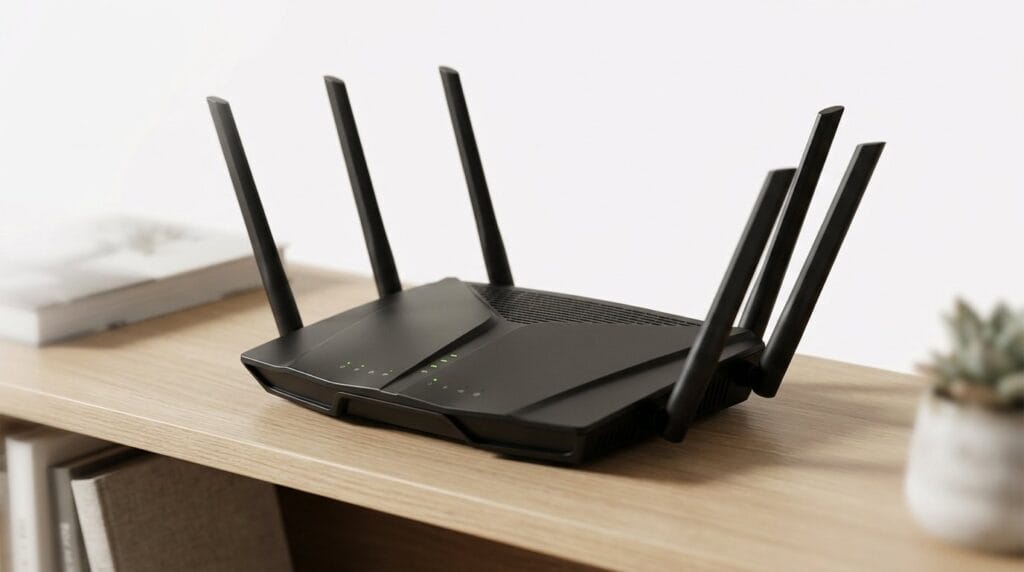
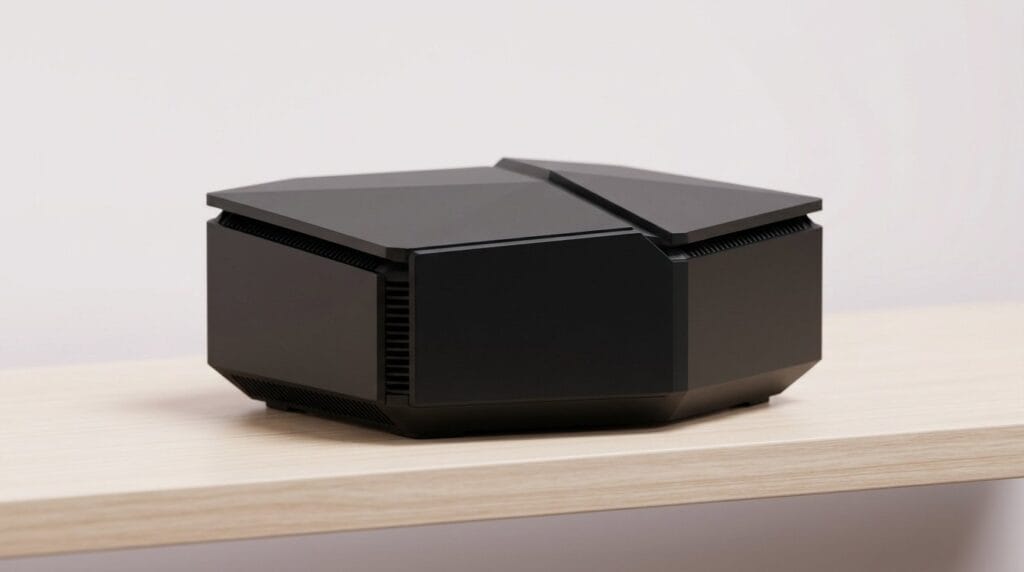
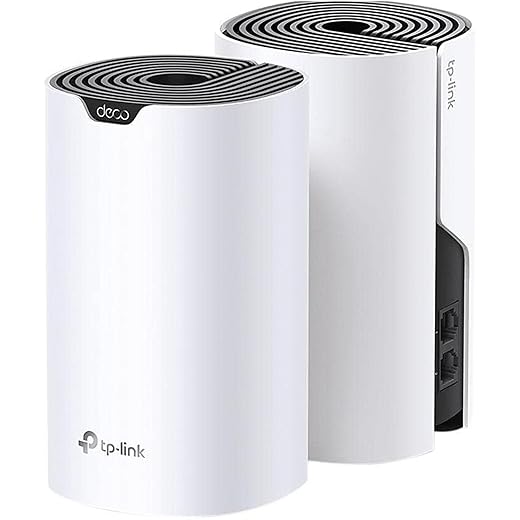
Favor design and size that fit our space: select compact nodes for aesthetics in living areas and beefier units for basements, multi‑story houses, or lots of wired endpoints. Use a quick scenario: if we stream 4K in three rooms and run many IoT devices, lean toward tri‑band with wired backhaul and a power‑user router for long‑term headroom.

Map the House: Strategic Placement Beats Wishful Thinking
What if one relocation could erase three dead zones? Spoiler: it often can.Sketch a quick floorplan and mark rooms we use most: living room, office, bedrooms.
Note construction materials and interference sources—microwaves, cordless phones, baby monitors, and HVAC units—so we avoid dead zones.
Place nodes centrally and elevated; mount or set them on shelves rather than on the floor.
Position one node near each high‑use zone (TV, home office) to boost perceived performance where it matters.
Plan backhaul: prefer wired Ethernet backhaul for predictable speeds and lower latency.
Run Cat5e/Cat6 to strategic nodes when we need consistent 4K streaming or gaming; accept wireless backhaul only in open layouts with a dedicated 5GHz link.
Manage aesthetics and cables: hide power bricks, use short flat cables, and route Ethernet behind trim or in conduit to prevent ad‑hoc placements that kill throughput.
This planning step saves hours of trial and error and leverages product design to deliver consistent coverage across the home.

Unbox, Power Up, and Hook the Primary Node to the Modem
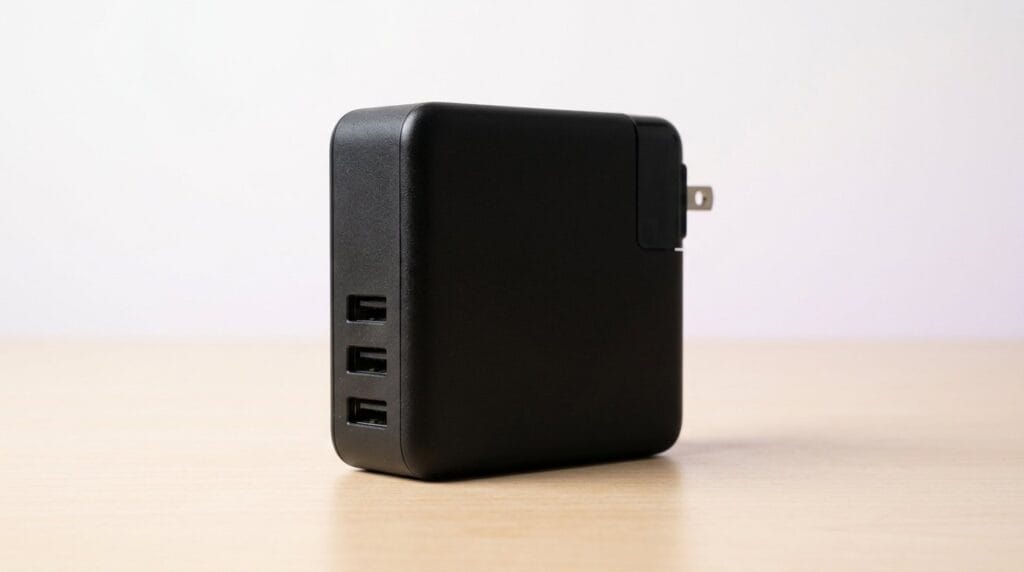
This sounds obvious, but one mistaken cable ruins the day—let’s get it right the first time.Unbox the primary node and keep the supplied power adapter and Ethernet cable; using the manufacturer’s parts preserves expected power delivery and gigabit wiring and avoids subtle speed losses from cheap adapters or poor micro‑USB cables.
Factory‑reset any returned or demo units (hold the reset button ~10 seconds) so we start with a clean firmware state and registration.
Connect the node’s WAN port to the modem’s LAN with a short Cat5e/Cat6 cable; if the ISP device is a gateway, enable bridge/passthrough mode to avoid double NAT (e.g., put an Xfinity/Arris gateway into bridge).
Power the modem first, wait 60–90 seconds, then power the node. Watch LEDs for status
Test WAN IP on the mesh app to confirm a public IP; smooth hardware setup usually signals a better software/ecosystem experience for long‑term maintenance.

Run the App Setup: From Naming to Firmware
Apps vary wildly—some hold our hand, others hand us a screwdriver. Here’s what to expect.Open the app and follow the guided onboarding. Create an account—choose a local/admin-only option if available; we prefer avoiding forced cloud logins for privacy and offline control. Name SSIDs clearly (example: “Home_Main_5G”) and set a strong, unique password.
Enable automatic updates but install any available firmware immediately. Understand staged rollouts: vendors push updates to subsets first; watch release notes and use the app’s rollback option if a release causes trouble.
Enable common advanced features and configure them sensibly
Test the app’s diagnostics and mesh map; good UX reduces support calls by making speed tests, logs, and reboots obvious.
Optimize Performance: Backhaul, Channels, and QoS
Want buttery streaming? We tune the parts you actually notice, not just raw Mbps.Remember vendors auto‑tune these settings, but manual tweaks still win when neighbors and legacy devices make the real world messy. Aim for fewer drops, lower latency, and consistent throughput where it matters.

Secure, Integrate, and Maintain: Make It a Set‑and‑Forget Network
Security and maintenance aren’t sexy, but they’re what keeps our Wi‑Fi working in the long run.Enable WPA3 where supported, lock the admin account with a unique password, and set up two‑factor authentication for any cloud‑based management. Protecting the control plane matters more now that vendors push remote features.
Isolate devices during onboarding: put cameras, smart plugs, and guest phones on a guest SSID or VLAN so they can’t reach our laptops or NAS. Name devices consistently in the app so we can spot odd behavior.
Schedule firmware updates and export a config backup after major changes. Run quick monthly checks — speed tests in problem rooms, ping tests for latency, and a node reposition if coverage dips.
Watch vendor update cadence and ecosystem compatibility — slow or closed vendors become a recurring annoyance.
Wrap‑Up: Why This Approach Saves Time and Headaches
We prioritized planning, ecosystem fit, and tuning to deliver consistent, secure Wi‑Fi; this design-aware setup reduces maintenance, adapts to new devices, and beats one-size-fits-all chaos. Try it, tell us how it went — browse our how-to guides.
Frequently asked questions
What should I prepare before I set up a mesh wi-fi system without screaming?
Start with the checklist in the “What we’ll need” section above—measure your space, confirm compatibility with your gear, and read the full walkthrough once before you change settings or buy parts. Mesh wi-fi system without screaming goes faster when prep is done upfront.
How long does it take to set up a mesh wi-fi system without screaming?
Most readers finish in about 30–90 minutes if they already have the right parts, but budget extra time for measurements, firmware updates, or a second pass when something does not behave the way the manual suggests on the first try.
What is the hardest part when you set up a mesh wi-fi system without screaming?
The step that trips people up is usually alignment or configuration—getting measurements, cable routing, or software settings right before you commit. If results still look off, re-check the basics in order instead of swapping hardware immediately.
What mistakes should I avoid when I set up a mesh wi-fi system without screaming?
Skipping measurements, ignoring ventilation or port limits, and rushing the final test are the common failures. Photograph your starting setup, label cables, and verify the outcome with the same content or workflow you will use every day—not a one-off demo.
When should I call a pro instead of trying to set up a mesh wi-fi system without screaming myself?
Bring in help when the job needs structural work, licensed wiring, or tools you do not own, or when repeated attempts still fail after you have followed the troubleshooting section. A short paid visit can cost less than replacing gear you damaged by forcing the install.

Princess Rioboca is the Lead Editorial Writer at Option Cutter, bringing over seven years of hands-on experience in consumer technology journalism. Specializing in home networking and smart home architecture, she transforms complex technical data into practical, real-world upgrades. Princess personally tests and audits every product she reviews—evaluating real-world Wi‑Fi throughput, cable management durability, and streaming ecosystem stability—to filter out spec-sheet noise. Her rigorous, field-tested insights are designed to give readers transparent, unbiased buying advice on what to purchase, what to skip, and exactly why.