Why the right travel camera matters
We help you choose a travel camera that balances size, image quality, and usability. Our guide emphasizes real-world testing, ecosystem fit, and longevity so you pick gear suited to your trips, avoid hype, and save time and money for years.
What you’ll need
We need a travel budget, carrier-size tolerance, basic photography knowledge, willingness to commit to an ecosystem, and access/time to test gear and reviews to judge weight vs lens ecosystem trade-offs.

Choose the Perfect Travel Camera: A Quick Guide
Start with how and where you’ll shoot
Are we backpacking, city-hopping, or honeymooning? Your trip type changes everything.Map our travel habits to camera use. Identify whether we’ll spend most time on daylight landscapes, low-light nightlife, or quick street moments, because that drives sensor size, lens reach, and weight.
Weigh size and handling against image quality. Don’t sacrifice comfort — lugging a heavy DSLR on multi-day hikes ruins the trip even if it technically shoots better.
Match our kit to content goals. If we’ll post video or daily social updates, prioritize ergonomics on action cameras or stabilized bodies, reliable autofocus, and good in-body stabilization over megapixels.
Factor ecosystem into the decision early: lenses, accessories, service availability, firmware cadence, resale value, and phone integration all change ownership experience on the road.

Set a realistic budget and total cost of ownership
Spoiler: the body price isn’t the whole story — lenses and chargers bite.Set a realistic budget that counts the whole ecosystem, not just the camera body. Model total cost of ownership up front so we don’t get lured by a cheap mirrorless body and surprised by expensive glass.
Include these predictable costs
Compare new bundles and manufacturer incentives—lens rebates, service plans, or phone integration can change value. Buy used from verified sellers to reduce depreciation risk. Factor in travel insurance or theft coverage before you fly with expensive glass. For example, if a body is $1,000, budget an extra $300–$500 (or more) for lenses and accessories.
Choose the right form factor: compact, mirrorless, or DSLR?
Smaller isn’t always better—what’s our tolerance for fiddly controls and fixed lenses?Evaluate form factor through our hands-on priorities: pocketability, manual controls, lens interchangeability, and durability. We weigh real-world use, not specs on paper.
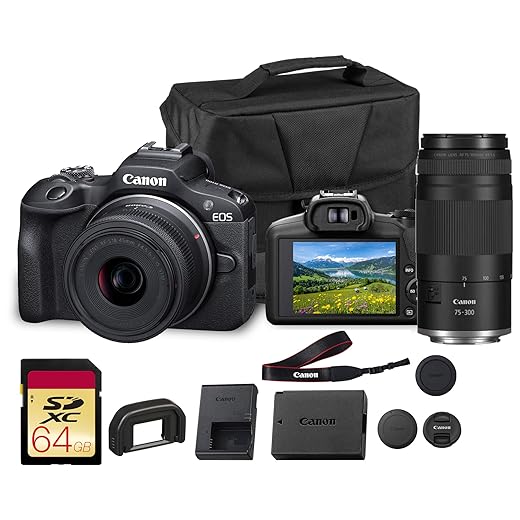
Favor compacts and premium travel zooms when convenience and sealed, repair-friendly designs matter — they tuck into a daypack and reduce baggage headaches — confirm carry-on rules with the TSA digital-camera carry-on guide before you pack. Choose mirrorless when we want modern autofocus, in-body stabilization, and tighter smartphone integration; this is the current market sweet spot for most travelers. Consider DSLRs if we need optical viewfinders, longer battery life, or access to a cheap used-telephoto ecosystem.
Handle candidate bodies to judge grip, menus, and how they fit our phone workflow.
Prioritize image quality where it actually matters
Do we chase megapixels or better low-light performance? One choice affects vacation memories forever.Focus on the image-quality factors that affect our daily travel shots: sensor size, lens sharpness across the zoom range, stabilization, and high‑ISO behaviour. Don’t fetishize megapixels—sensor size and optics drive perceived clarity and dynamic range. For example, a modest‑MP APS‑C or Micro Four Thirds body with a sharp 24–70mm travel lens will usually outshine a high‑MP compact sensor in low light and shadow detail.
Check these priorities in real use
Prioritize AF reliability, rolling‑shutter, and stabilization for video, and remember zoom convenience can cost sharpness and bokeh control. We compare sample galleries, RAW files, and real-world low-light shots to judge whether a camera’s image profile aligns with our aesthetic and post-processing habits consistently.

Consider usability: menus, autofocus, and battery life
A great sensor is useless if our camera dies mid-sunrise or traps us in clumsy menus.Prioritize intuitive controls and menu layout—travel photography is about moments, not menus. We check how controls operate with gloves, whether key functions are customizable, and if menus hide frequently used settings. A clumsy interface costs shots.
Test autofocus in real scenarios: golden hour, backlit street scenes, and low‑light interiors. We value tracking fidelity, face/eye detection, and decisive focus acquisition over headline AF megapromises. For example, a camera that nails eye AF on a moving subject will beat a higher‑spec model that hunts.
Evaluate battery and charging options. We prefer bodies with USB‑C PD charging, spare‑battery ecosystems, and vendor support for quick‑charge batteries—otherwise pack spares following FAA lithium-battery carry rules or a power bank (see our USB‑C charging guide).
Check companion apps, firmware update cadence, grip comfort, weather sealing, and global service availability before you commit.
Narrow choices, test, and finalize our pick
How to cut through review noise and actually pick one — with confidence.Narrow candidates to a shortlist of two or three models that match our use case and budget.
Insist on hands‑on tests: hold the camera for 15–30 minutes, change lenses if applicable, fire autofocus in varied light, and review JPEG and RAW files on a calibrated screen.
Rent a model for a trip‑length trial whenever possible; it exposes real travel ergonomics, battery drain, and packing tradeoffs — store it in a camera bag that fits your airline’s carry-on limits.
Compare bundled offers, return policies, and extended warranties when buying new.
Verify shutter counts, sensor condition, and authenticate serial numbers against warranty records for used gear.
Document our decision with a simple checklist and prioritize what matters most
Register the camera, set up phone pairing, and back up receipts for service and resale.
Final checklist and next steps
We match camera to trip profile, budget lenses and accessories, prioritize usability and ecosystem, test hands‑on or rent, finalize after real‑world trials, then try it, share your results, and buy less often but buy smarter — browse more how-to guides and our Cameras, Camcorders & Drones shop before you commit.
Frequently asked questions
What should I prepare before I choose the right camera for travel?
Start with the checklist in the “What we’ll need” section above—measure your space, confirm compatibility with your gear, and read the full walkthrough once before you change settings or buy parts. Right camera goes faster when prep is done upfront.
How long does it take to choose the right camera for travel?
Most readers finish in about 30–90 minutes if they already have the right parts, but budget extra time for measurements, firmware updates, or a second pass when something does not behave the way the manual suggests on the first try.
What is the hardest part when you choose the right camera for travel?
The step that trips people up is usually alignment or configuration—getting measurements, cable routing, or software settings right before you commit. If results still look off, re-check the basics in order instead of swapping hardware immediately.
What mistakes should I avoid when I choose the right camera for travel?
Skipping measurements, ignoring ventilation or port limits, and rushing the final test are the common failures. Photograph your starting setup, label cables, and verify the outcome with the same content or workflow you will use every day—not a one-off demo.
When should I call a pro instead of trying to choose the right camera for travel myself?
Bring in help when the job needs structural work, licensed wiring, or tools you do not own, or when repeated attempts still fail after you have followed the troubleshooting section. A short paid visit can cost less than replacing gear you damaged by forcing the install.

Princess Rioboca is the Lead Editorial Writer at Option Cutter, bringing over seven years of hands-on experience in consumer technology journalism. Specializing in home networking and smart home architecture, she transforms complex technical data into practical, real-world upgrades. Princess personally tests and audits every product she reviews—evaluating real-world Wi‑Fi throughput, cable management durability, and streaming ecosystem stability—to filter out spec-sheet noise. Her rigorous, field-tested insights are designed to give readers transparent, unbiased buying advice on what to purchase, what to skip, and exactly why.