
Which band, ring, or hybrid actually deserves your wrist (or finger)?
Most trackers end up in a drawer. People bail when a device is clunky, flaky, or needs daily charging.
We looked at design, sensor accuracy, battery life, and how each device fits into bigger fitness tracker ecosystems. We focused on real-world user experience — comfort, app clarity, and whether the data actually helps you move, sleep, or recover better — the same lifestyle lens in our fitness-tracker buying guide.
Top Picks




Withings ScanWatch 2 — Hybrid Health Monitor
A beautifully built hybrid that hides medical-grade health tools under a traditional watch face. It provides long battery life and clinically oriented measurements like ECG and SpO2, making it appealing for health-minded users.
A hybrid built around health
We think the ScanWatch 2 stands out because it blends an analog watch aesthetic with tools you'd usually expect in a clinic—ECG, AFib screening, pulse oximeter estimates and extended heart-rate monitoring on Withings watches. For people who prioritize medically useful metrics and don’t want a glowing smartwatch screen, this is a rare combination.
Build quality and battery life
Stainless steel construction and sapphire glass make this feel like a high-quality timepiece. The battery life is measured in weeks, not days, which makes continuous nighttime oximetry and sleep-stage detection practical without constant charging — treat those overnight trends as estimates, not a diagnosis.
Tracking strengths and trade-offs
Who should consider it
If you want accurate nightly health metrics, clinical-style cardiac screening, and a watch that doesn’t scream “tech,” the ScanWatch 2 is our pick. It’s especially compelling for people with heart concerns or those who want medically relevant insights without the smartwatch look.
Fitbit Charge 6 — Google-enabled Tracker
A compact tracker that blends reliable fitness metrics with Google services and long battery life. It strikes a sensible balance between smartwatch conveniences and a focused fitness experience.
Why we picked it
We view this as Fitbit’s pragmatic answer to people who want some smart features without the bulk or daily charging of a full smartwatch — a trade-off we tested head-to-head in Fitbit Charge 6 vs Garmin Venu Sq. The Charge 6 adds Google apps to a form factor that prioritizes all-day wearability, sleep tracking, and reliable heart-rate based metrics. For people who want maps or tap-to-pay from a slim tracker, it changes the calculus.
Design and day-to-day use
The Charge 6 is light and comfortable enough to sleep in, which helps with continuous sleep and recovery tracking. The readable AMOLED screen and stronger haptics mean notifications land without being intrusive. Battery life stretches several days in typical use, so we rarely had to interrupt tracking to charge.
Performance and limitations
Practical takeaways
If you want the convenience of Google features on a thin, long-battery fitness tracker and you already value Fitbit’s analytics, this is a compelling pick. We recommend enabling the right settings (stronger haptics, consistent wearing while sleeping) to get the most useful readiness and sleep insights. For gym-goers relying on machine-reported distance, keep expectations modest and validate with phone-GPS runs when precision matters.
Oura Ring Gen3 — Sleek Sleep & Recovery Ring
A low-friction wearable that excels at sleep, readiness, and continuous biometric tracking from the fingertip. The ring form factor makes it ideal for users who dislike wrist devices and want highly personal data.
Why the ring matters
We consider the Oura Ring Gen3 a standout because it changes the wearing experience: it’s compact, nearly invisible in daily life, and encourages continuous data collection without the friction of bulky wrist hardware. The ring’s finger placement gives it an edge on pulse-based measures and sleep staging compared with many wrist devices.
Sensors, battery and the app experience
Oura’s sensors measure heart rate, temperature, SpO2 trends and movement to generate a readiness score and personalized sleep guidance. Battery life is reasonable for a tiny wearable—typically several days—so charging cycles are short and predictable. The companion app delivers clear daily insights, though the subscription adds depth and guidance that many users will want long term — know how to cancel a subscription before renewal if you do not want ongoing fees.
Practical considerations
Who it’s for
Oura is best for people who care deeply about sleep and recovery, want minimalism on the wrist, and are willing to pay for the membership to access the platform’s full insights. It’s not the tool for someone who wants on-wrist apps or rich live workout maps, but it’s arguably the best passive biometrics device we’ve tested.
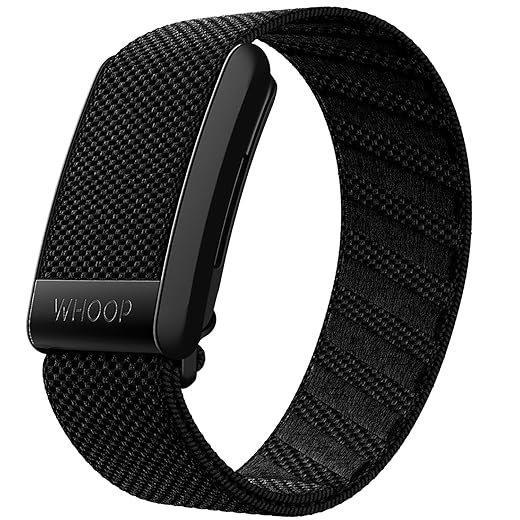
WHOOP 4.0 — Subscription Performance Band
A subscription-centric wearable designed around strain, sleep, and recovery metrics rather than on-wrist distractions. It gives actionable coaching for performance optimization, but ongoing membership costs are part of the package.
A different philosophy
WHOOP 4.0 approaches wearable tracking with a clear thesis: continuous, high-resolution physiology data can be translated into better training and recovery decisions. The hardware intentionally minimizes distractions (no screens) and funnels you into the WHOOP app where analytics and coaching live.
Tracking and the membership model
The device continuously logs heart rate, HRV, respiratory rate, sleep and other signals. WHOOP’s algorithms convert that into strain and recovery scores and produce targeted recommendations. Because the WHOOP platform is subscription-first, you get evolving analytics and community features, but you’re paying for the service as much as the band.
Practical strengths and trade-offs
Recommendation
If you treat wearables as a training tool and are comfortable with a subscription model, WHOOP 4.0 delivers industry-leading recovery and strain analytics. If you want a more general-purpose smartwatch, look elsewhere.
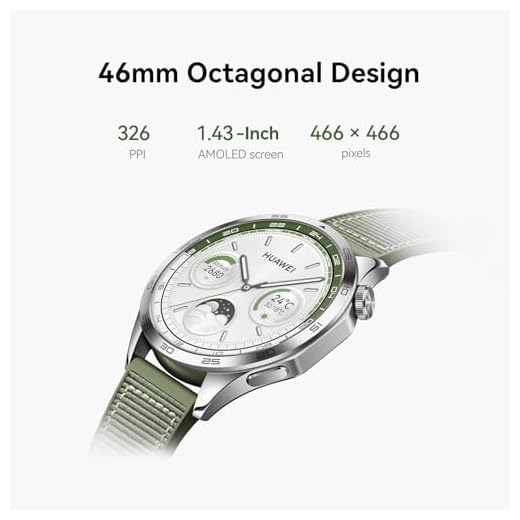
HUAWEI Watch GT 4 — Long-Life GPS Watch
A polished device that leans into long battery life and precise GNSS positioning for outdoor workouts. It’s a solid option if you need long runtimes and strong pacing without frequent charging.
The long-runner
We appreciate the Watch GT 4 because it prioritizes endurance: reliable battery life combined with sophisticated GNSS makes it a great choice for runners and hikers who don’t want to lug a charger on every outing — a use case where Garmin watches also excel. The device’s sensor suite and calorie-management features are practical for people who monitor long-term fitness progress.
Navigation, sensors, and training features
Dual-band, multi-system GNSS boosts route accuracy in urban canyons and tree-lined trails. The watch offers heart-rate monitoring, sleep detection, breathing awareness features and cycle tracking—enough to support training plans for most recreational athletes.
Ecosystem and real-world notes
Final thought
We recommend it to outdoor-focused users and endurance athletes who want dependable GPS and a long charge cycle. It’s less about flashy smartwatch apps and more about delivering the core training and navigation tools reliably.
Garmin vívosmart 5 — Simple Fitness Tracker
A compact, no-nonsense tracker that plugs seamlessly into Garmin Connect’s robust analytics. It’s great for someone who values accurate daily metrics and actionable insights without paying for an advanced multisport watch.
A practical daily tracker
We like the vívosmart 5 because it slots into Garmin’s ecosystem—arguably the best free fitness data app—while staying small and easy to wear. For people who want reliable trends, Body Battery energy tracking, and robust sleep analytics without a big face or constant charging, it hits a nice sweet spot.
Tracking and app strength
Garmin’s Connect app is a major part of the experience: it provides deep historical views, training summaries, and metrics without paywalls — one reason many buyers cross-shop Garmin against Fitbit in our Charge 6 vs Venu Sq comparison. The band itself delivers accurate step counts, heart rate monitoring, and decent activity detection for walks, runs and gym sessions.
Practical trade-offs
Who benefits most
If you want trustworthy, no-nonsense health metrics and an excellent free app for analysis, the vívosmart 5 is an efficient, affordable way to stay accountable and informed without upgrading to a full smartwatch.
Samsung Galaxy Watch5 — Renewed 44mm
A polished Wear OS device with improved sensors and a tougher sapphire display. The renewed 44mm variant gives you premium hardware at a lower price, but battery life and software polish depend on the condition and updates.
Where it fits in the market
We see the Galaxy Watch5 (renewed) as a sensible way to get a fully fledged smartwatch experience—Wear OS apps, refined sensors, and a bright screen—at a fraction of the new price. When you prioritize richer on-wrist interactions and advanced health sensors over multi-day battery life, this model is worth considering.
Hardware and sensors
The curved BioActive sensor array sits closer to the skin and improves heart-rate and sleep readings. The sapphire crystal reduces hairline scratches that plague cheaper glass, and the watch offers improved GPS accuracy and voice navigation. Those hardware improvements feel tangible in daily use.
Software and practical notes
Final take
For Android users who want a full smartwatch with strong fitness features and don’t mind buying renewed hardware, this Watch5 variant delivers most of the flagship benefits at lower cost. We recommend checking the seller’s refurbishment details and making sure firmware is updated after purchase — see FTC tips for buying from online marketplaces before you choose renewed Galaxy Watch hardware.
Amazfit GTR 3 — Long-Life Smartwatch
A round-faced smartwatch that balances a classic look with multi-week battery endurance and a capable health suite. It’s a good compromise for people who want a traditional watch aesthetic without daily charging.
The case for the GTR 3
We like the GTR 3 because it brings a familiar round watch aesthetic to a device that won’t need charging every night. If you prefer the look of a traditional watch but want modern health tracking and notifications, this is one of the more convincing midrange options.
Hardware, battery and sensors
The 1.39" AMOLED screen is bright and crisp, and the aluminum body keeps the weight down. Battery life is excellent in real-world use—several days to multiple weeks depending on settings—which makes long-term sleep and recovery tracking practical. The watch includes GPS and a set of sensors capable of heart-rate, SpO2 and one-tap health checks.
Software and ecosystem
Bottom line
We recommend the GTR 3 to users who want multi-week battery life with a classic watch design and solid health-tracking basics. It’s a particularly strong choice if you value battery endurance and a clean interface over an extensive app catalog.
Fitbit Inspire 3 — Slim Health Tracker
A small, unobtrusive tracker that covers sleep, stress, and basic workout metrics with very good battery life. It’s an easy pick for anyone who wants consistent daily data without a bulky device.
What it does well
We like the Inspire 3 because it keeps the focus on core health metrics—sleep, heart rate, stress management—and keeps the unit small and light enough to forget you’re wearing it. For people who prize comfort and battery life over an app-rich wrist OS, this is a pragmatic choice.
Design and everyday behavior
The screen is compact but readable, and the band fits small wrists comfortably. Waterproofing and swim detection make it suitable for most activity types, and the device generally holds a charge for about a week in our experience, which makes overnight sleep tracking frictionless.
Tracking, ecosystem and trade-offs
Who should buy it
If you want a fuss-free health band that stays on through workouts and sleep and doesn’t need daily charging, this is a strong, affordable entry. We recommend it for people new to continuous health tracking or anyone who wants a discreet daily tracker rather than a full smartwatch.
Amazfit Band 7 — Big Screen Budget Band
An affordable fitness band with a large AMOLED display, Alexa, and long battery life that punches above its price. It’s not perfect — band quality and some sensor quirks show — but it’s an excellent value for casual trackers.
What you get for the price
We think the Amazfit Band 7 is one of the best value picks for people who want a large, bright display and long battery life without paying smartwatch prices. It covers the basics—steps, heart rate, sleep, and SpO2—and adds Alexa and a broad set of sports modes.
Build, screen and battery
The 1.47" AMOLED screen makes scrolling through metrics painless, and always-on watch faces look noticeably more premium than other budget bands. The battery endurance is the standout: for most users it means multi-week usage with moderate features enabled, which reduces friction for continuous sleep and health monitoring.
Tracking and real-world limitations
Who should consider it
If you want a low-cost band that looks better than its price suggests and refuses to be charged every night, the Band 7 is a smart, pragmatic choice. It’s ideal for casual users and budget-conscious buyers who prioritize battery life and a readable display over clinical measurement accuracy.
Final Thoughts
If you want a seriously thoughtful, everyday health companion that looks like a real watch and hides medical-grade sensors under a classic face, we recommend the Withings ScanWatch 2 in our top picks. It pairs excellent build and long battery life with clinical features like ECG and SpO2 — ideal for anyone focused on long-term health tracking and clean design. The ScanWatch 2 stands out because it brings dependable, clinically oriented metrics without forcing you into a bulky smartwatch or constant charging.
For people who want a compact, fuss-free tracker that plays nicely with a modern phone ecosystem, choose the Fitbit Charge 6. It gives reliable step, heart-rate, and workout tracking, adds Google integration for smart features, and keeps battery anxiety low. The Charge 6 is our pick for everyday activity tracking — especially if you want a simple, comfortable device that presents useful insights without getting in the way.
If you hate wrist wear but care deeply about sleep and recovery, the Oura Ring Gen3 is the best alternative for passive, high-resolution biometric insights. We’d point to it only if ring form factor and night-time fidelity are your top priorities — and read how to use wearables for health without obsession before you chase every metric.
Frequently asked questions
What is the main point of “Fitness Trackers That Are Actually Worth Wearing”?
This piece explains where fitness trackers that are actually worth wearing matters in real buying decisions—not just headline specs. We focus on trade-offs, who benefits most, and what to verify before you spend.
Who should read this fitness trackers that are actually worth wearing guide?
Read it if you are actively shopping, upgrading, or trying to separate marketing claims from day-to-day use. Skip it if you already own the gear and are not planning a change this season.
What changed recently around fitness trackers that are actually worth wearing?
Prices, firmware, and feature tiers shift quickly in this category. We call out what is new enough to affect your decision and what is incremental hype you can safely ignore.
How should I use this editorial when buying?
Treat it as context before you compare models: note the risks and priorities here, then cross-check specs and current pricing on the picks that match how you actually use the product.
What is easy to get wrong about fitness trackers that are actually worth wearing?
Buyers often overweight one spec—brightness, speed, or brand—and underweight fit for their room, ecosystem, or warranty support. We flag the mismatch we see most often in reader questions.
Where should I go next after reading?
Use the related comparisons and top picks linked near the end of this article for model-level shortlists, then confirm return policies and compatibility with the devices you already own.

Iqra Jumar is Option Cutter's editorial writer. She writes practical editorials and buyer guides that focus on real-world upgrades—better Wi‑Fi, cleaner cable setups, smarter streaming, and everyday fixes—not spec-sheet noise alone. Her work helps readers decide what to change now, what to skip, and why.