Why child-proofing every screen matters now
We lay out a pragmatic, ecosystem-aware approach so families can secure phones, tablets, and smart TVs without destroying usability; we explain UX trade-offs, platform differences, and why current device competition and design choices make thoughtful child-proofing essential and urgent today.
What we’ll need

Kid-Proof Your Android Phone or Tablet: Simple, Practical Tips
Audit your devices and family use patterns
Which screens actually need locks — and which don’t? A quick audit prevents overdoing it.List every screen in the house — phones, tablets, streaming sticks, consoles, and smart TVs — and note who uses each one. We want a clear inventory before changing a single setting.
Record OS versions, signed-in accounts, and primary uses. For example
Map daily usage: who uses it, for how long, which apps or services matter. We do this to prioritize effort and decide whether built-in parental controls will cover needs or if third‑party tools are required — FTC Protecting Kids Online help compare platform-native vs add-on approaches.
Prioritize minimal disruption: match restrictions to age and device purpose so we don’t over‑police older kids or break learning workflows.

Enable built-in OS parental controls first
Why reinvent the wheel? OS-level controls often give the best balance of performance, privacy, and integration.Enable Screen Time on iOS and Family Link on Android on household phones, and enforce device passcodes or biometrics so kids can’t change rules. Set a Screen Time passcode and require Face ID/Touch ID to approve extra time.
Create a supervised Google account for kids, link it to Family Link, and block unknown app installs and in‑app purchases — COPPA privacy rules explain why separate kid accounts matter.
Set these core controls
Use native tools because they hook into the OS and store ecosystems, reducing false positives, preserving battery, and protecting privacy far better than many bolt‑on apps. Check and test settings with the child’s profile to confirm behavior.

Lock accounts, app stores, and payments
Accidental $30 in-game purchases? Preventable — here’s how we stop the bleeding.Secure Apple IDs and Google accounts with strong, unique passwords and enable two‑factor authentication so one compromised device can’t expose the whole family. Create separate, supervised kid accounts and keep them inside Family Sharing or Google Family Link.
Require authentication for every purchase and use platform controls to block accidental buys. For example
Audit stored payment methods and revoke app permissions regularly. Contain purchases with gift cards or preloaded spending limits — given app stores’ aggressive monetization, this protects privacy and prevents surprise charges; FTC child privacy online guidance covers common in-app purchase traps.

When to choose third-party parental-control apps
When native tools hit a wall, who do we trust — Circle, Bark, or something else? Tradeoffs matter.Choose third‑party apps when built‑in controls can’t give you cross‑device reports, reliable web filtering, or remote time controls. We test for five things: filtering accuracy, reporting UX, privacy policy, platform coverage, and ongoing costs. Services such as Circle, Bark, and Qustodio often fill those gaps — but they take different technical approaches and tradeoffs; use FTC kids and video games guidance to evaluate filtering and reporting before you subscribe.
Try a free trial on one child device, confirm it won’t break Apple Screen Time or Google Family Link, and verify the admin UX before rolling it out to the household.

Tame smart TVs and streaming devices
More connected than a living room full of toddlers — and twice as risky if left open.Secure smart TVs and streamers by locking purchases, restricting installs, and creating curated kids profiles — FTC kids and video games guidance walks through PINs and kid profiles by platform.

Use network-level controls and regular maintenance
Set it and forget it? Not quite — maintenance keeps protections effective as apps and threats evolve.Set up router-based controls to protect devices we can’t manage individually and to enforce consistent rules across phones, tablets, and smart TVs.
Enable our router’s DNS to OpenDNS FamilyShield or CleanBrowsing Family filters, or run a local Pi‑Hole for privacy-minded blocking — pair DNS rules with Wi‑Fi Alliance security guidance when you segment family devices.
Create a guest network on mesh Wi‑Fi to segment kids’ devices from work machines and sensitive IoT gear, and throttle bandwidth during homework hours to reduce distractions.
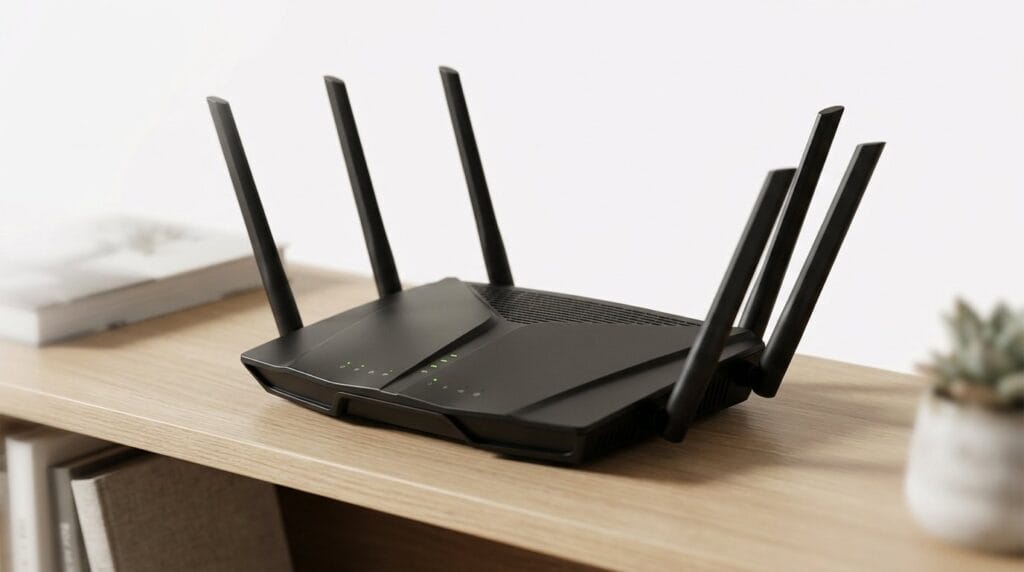
Choose mesh routers thoughtfully: Eero and Google Nest prioritize simple, app-driven UX and quick setup; Asus gives granular controls and local logging but requires more configuration and exposes more telemetry choices.
Schedule these maintenance habits so safety, usability, and growing autonomy stay in balance.

A balanced, practical approach wins
We recommend starting with a device audit, leveraging native OS parental controls, and adding network or third‑party tools only when gaps remain — see related how-to guides and our smart-home security checklist for layered home defenses; this preserves usability and privacy across ecosystems while reflecting real product design trade‑offs—are we striking the right balance?
Frequently asked questions
What should I prepare before I child-proof phones, tablets, and smart tvs?
Start with the checklist in the “What we’ll need” section above—measure your space, confirm compatibility with your gear, and read the full walkthrough once before you change settings or buy parts. Child-proof phones, tablets, and smart tvs goes faster when prep is done upfront.
How long does it take to child-proof phones, tablets, and smart tvs?
Most readers finish in about 30–90 minutes if they already have the right parts, but budget extra time for measurements, firmware updates, or a second pass when something does not behave the way the manual suggests on the first try.
What is the hardest part when you child-proof phones, tablets, and smart tvs?
The step that trips people up is usually alignment or configuration—getting measurements, cable routing, or software settings right before you commit. If results still look off, re-check the basics in order instead of swapping hardware immediately.
What mistakes should I avoid when I child-proof phones, tablets, and smart tvs?
Skipping measurements, ignoring ventilation or port limits, and rushing the final test are the common failures. Photograph your starting setup, label cables, and verify the outcome with the same content or workflow you will use every day—not a one-off demo.
When should I call a pro instead of trying to child-proof phones, tablets, and smart tvs myself?
Bring in help when the job needs structural work, licensed wiring, or tools you do not own, or when repeated attempts still fail after you have followed the troubleshooting section. A short paid visit can cost less than replacing gear you damaged by forcing the install.

Princess Rioboca is the Lead Editorial Writer at Option Cutter, bringing over seven years of hands-on experience in consumer technology journalism. Specializing in home networking and smart home architecture, she transforms complex technical data into practical, real-world upgrades. Princess personally tests and audits every product she reviews—evaluating real-world Wi‑Fi throughput, cable management durability, and streaming ecosystem stability—to filter out spec-sheet noise. Her rigorous, field-tested insights are designed to give readers transparent, unbiased buying advice on what to purchase, what to skip, and exactly why.