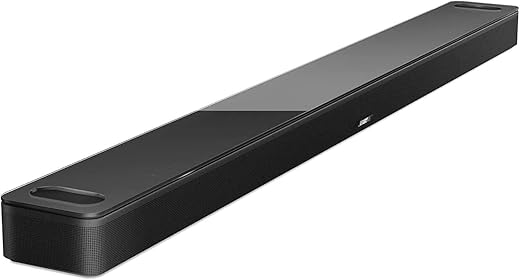

A polished, Atmos-capable soundbar that widens the soundstage — but setup quirks and a missing subwoofer punch keep it from being an effortless one-box upgrade.
Living-room TVs keep getting thinner, but our expectations for cinematic sound haven’t. The problem is that many soundbars promise Dolby Atmos and height effects on the box but deliver bland, underwhelming three-dimensionality — and when low end matters, you’re often left hunting for a separate subwoofer or wrestling with finicky apps and pairing quirks.
The Bose Smart Soundbar 900 Gen 2 aims to close that gap: a sleek, premium bar that actually creates convincing height and an expansive soundstage, while folding in Alexa/Google voice controls and modern streaming (Wi‑Fi, AirPlay 2, Bluetooth). In practice it brings a notably cinematic experience to a single-piece setup, but setup inconsistencies and the ongoing need for an optional bass module make it a nuanced pick in a crowded, price-sensitive market — and that trade-off is exactly why it matters to people who want simple, room-filling Atmos without an AV receiver.
Bose Smart Soundbar 900 — Dolby Atmos
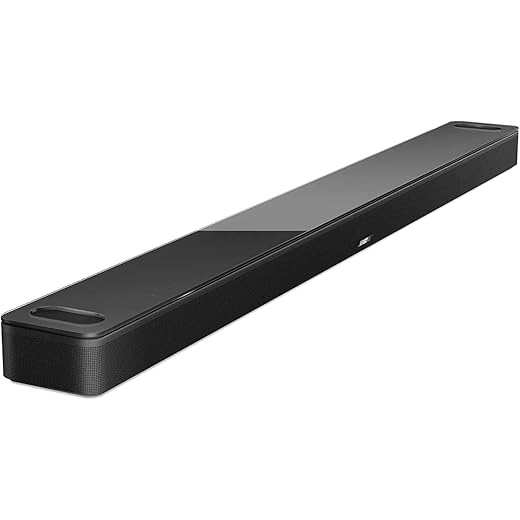
We think this soundbar delivers a cinematic, three‑dimensional soundstage that punches well above its footprint. Still, occasional setup headaches and a reliance on optional subwoofers for deep low end keep it from being an easy all‑in‑one recommendation.
Bose Smart Soundbar 900: Dolby Atmos Hands-On Test
What we set out to test
We approached the Bose Smart Soundbar 900 as a mid‑to‑high‑end, single‑unit home theater solution for living rooms where space, styling, and smart assistant integration matter as much as raw performance. In practice we evaluated its tonal balance, immersive Dolby Atmos performance, interface and app behavior, and how well it slots into a connected home with phones, TVs, and other Bose gear.

Design and fit — understated premium
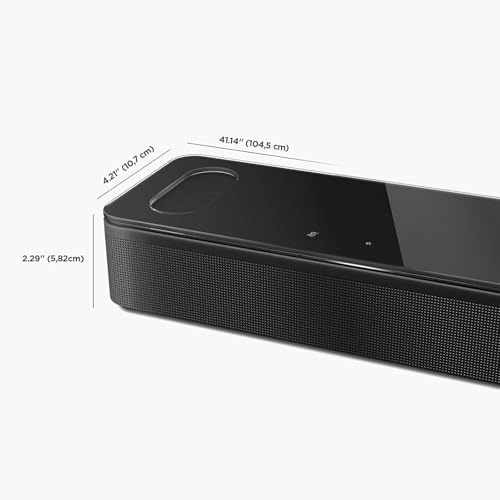
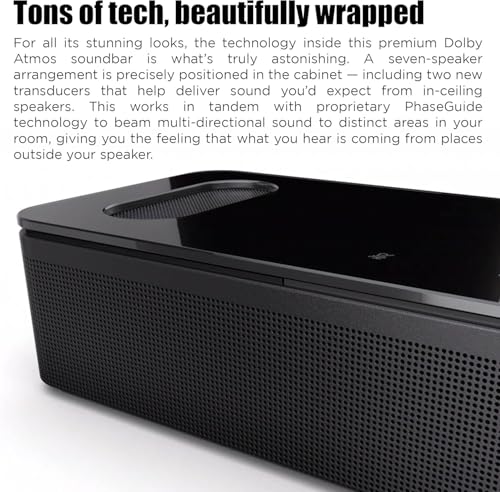
From the first glance the 900 reads like a premium AV product rather than an appliance. The cabinet is thin but solid; finishes and grille work are restrained, and the bar’s width lines up neatly under modern 55–65 inch TVs without dominating the room.
Key design notes:
We think Bose aimed for a design that disappears visually and remains present sonically. The weight and build feel reassuring, and placement options make it unobtrusive in typical living‑room setups.
Sound architecture and what makes it special
The Soundbar 900 is built around a mix of forward‑firing drivers, custom upfiring dipole elements, and Bose’s TrueSpace spatial processing. Unlike smaller soundbars that rely solely on software tricks, the 900’s hardware is explicitly configured to create vertical cues that give Atmos mixes a sense of height.
What you hear in practice:
If we had one gripe, it’s the low‑end extension: the bar provides a respectable punch for TV and light music, but for true cinematic weight on explosions and rumble you’ll want the optional Bose bass module or another subwoofer.

Dolby Atmos and spatial imaging — an area where it shines
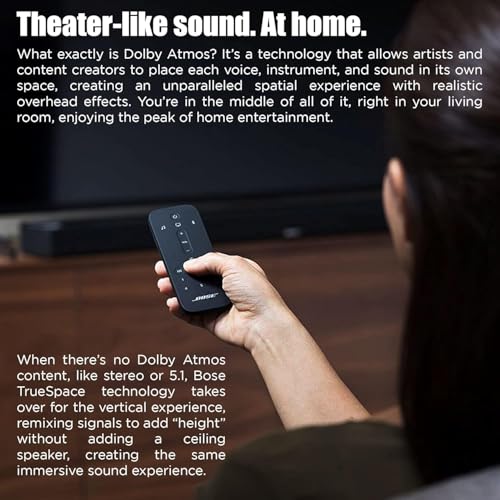
The 900 delivers some of the most believable height presentation we’ve heard from a single chassis soundbar. Dolby Atmos tracks reveal more depth and overhead motion than you might expect from a bar that doesn’t include upward‑firing full‑range drivers as large as those in room systems.
Why it matters now:
Connectivity and smart features — powerful but mixed execution
On paper the 900 checks many boxes: HDMI eARC, optical in, Bluetooth, AirPlay 2, Spotify Connect, Wi‑Fi, and both Alexa and Google Assistant built in. Bose’s Voice4Video aims to let you control TV functions and sources with voice — a differentiator compared with some rivals.
Connectivity highlights:
In daily use we liked being able to switch between a phone stream, a TV feed, and a voice assistant query quickly. That said, we ran into occasional pairing hiccups and app‑side frustrations during setup — issues others have reported as well — so expect to spend a little time with the Bose Music app during initial configuration.

Setup, app, and reliability — practical realities
Setup requires only a single audio connection to the TV (HDMI eARC recommended). The bundled optical and HDMI cables are a nice touch. But the experience isn’t always frictionless.
Typical setup flow:
Real‑world caveats:
Expandability and compatibility
Bose designed this bar to be part of a larger ecosystem. You can add the optional Bose Bass Module and a pair of wireless rear speakers to create a full 5.1.2 experience. Keep in mind that some users have reported accessory pairing constraints and prefer researching compatibility before committing to additional purchases.
Quick compatibility table:
| Feature | Notes |
|---|---|
| Add‑on subwoofer | Optional Bose Bass Module for deeper LF; recommended for movie fans |
| Rear surrounds | Wireless Bose rears available for full surround effect |
| Third‑party subs | Limited or no support for some third‑party subwoofers |
How it compares and where it fits in the market
Against rivals like the Sonos Arc and premium offerings from Samsung and Sony, the Bose 900 competes on clarity, imaging, and voice integration. Sonos may offer tighter multiroom integration; Samsung might include richer bundled features for TV users. The 900’s edge is its conservative design and attention to dialogue and spatial detail.
Who should consider it:
Who might hesitate:
Final thoughts — the practical verdict
We found the Bose Smart Soundbar 900 to be one of the more accomplished single‑piece Dolby Atmos soundbars for living rooms where style and immersive sound matter. Its height effects and imaging create a convincing cinema feel that elevates TV and movie watching, and the built‑in assistants plus flexible streaming make it a modern, connected product.
That said, prospective owners should budget for the possibility of troubleshooting during setup and consider a subwoofer if they crave real cinematic low end. If you’re willing to tolerate occasional software fidgets, the payoff is an impressively immersive, well‑crafted soundbar that integrates nicely into a smart home.
FAQs
Renewed typically means the unit was inspected, tested and restored to full working condition by a refurbisher or the manufacturer. We recommend checking the seller’s warranty and return policy: a good renewed program will include at least a short warranty and clear return terms. If the price is attractive and the warranty is solid, a renewed 900 can be a sensible way to get premium Atmos performance at lower cost.
You don’t strictly need it: the 900 produces articulate mids and satisfying punch for most TV shows and music. For blockbuster movies and deep LF effects — think explosions, earthquakes — an external subwoofer makes a noticeable difference. If you’re after theatrical impact, plan to add a sub.
The app gives useful controls and links voice assistants, but in our tests setup can be less seamless than advertised. Expect to spend some time on Wi‑Fi onboarding and firmware updates. Once configured, voice assistants work well for music control and basic TV/volume commands.
Yes — with an HDMI eARC connection and an Atmos‑capable streaming source (like Netflix, Prime Video, Apple TV+, or an Atmos‑enabled player), the bar will pass and render Dolby Atmos content. Make sure your TV isn’t stripping Atmos on the way through; enabling eARC and correct audio passthrough settings is key.
Both bars deliver strong Atmos performance. We find the Bose 900 leans a bit more toward a neutral, detailed signature with subtle spatial processing, while the Sonos Arc emphasizes immersive soundstage and deep integration with the Sonos ecosystem. Your choice will hinge on ecosystem preference, multiroom plans, and which sound signature you prefer.
Start by rebooting the bar and your router, ensure your phone is on the same 2.4/5 GHz band the bar expects, and try temporarily disabling VPNs or firewall features on the router. If the serial number won’t validate in the app, try retyping it manually and contact Bose support with a photo of the label if problems persist.

Chris is the founder and lead editor of OptionCutter LLC, where he oversees in-depth buying guides, product reviews, and comparison content designed to help readers make informed purchasing decisions. His editorial approach centers on structured research, real-world use cases, performance benchmarks, and transparent evaluation criteria rather than surface-level summaries. Through OptionCutter’s blog content, he focuses on breaking down complex product categories into clear recommendations, practical advice, and decision frameworks that prioritize accuracy, usability, and long-term value for shoppers.