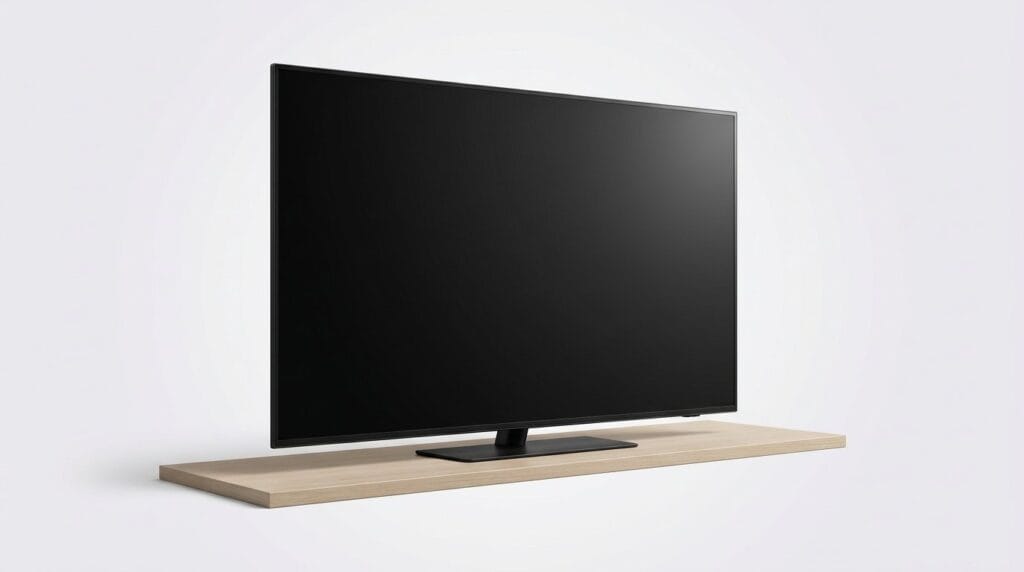
Too bright to ignore — which mini‑LED TV actually makes HDR pop (without frying your retinas)?
Peak brightness is the new bragging right. Mini‑LED backlights have gone from a niche spec to the defining feature for HDR that actually matters in bright rooms and living‑room setups. We looked for TVs that deliver punchy highlights, deep local dimming, and smart processing—not just big numbers on a spec sheet in our product reviews.
We tested for picture impact and everyday use. That meant HDR tone mapping, local‑dimming behavior, color accuracy, gaming chops (120Hz, low lag, VRR), and the way each TV fits into a wider ecosystem—apps, remotes, and how the screen feels in your room. Short verdict: some flagship models still lead on pure fidelity; a few value models give most of that experience for far less.
Top Picks




Sony BRAVIA Z9K 75" XR 8K Mini‑LED
A top‑tier flagship that nails brightness, contrast, and processing to a degree few others can match. We found it a compelling option for cinephiles and owners of high‑end home theaters who want maximum image fidelity and future‑facing specs.
Why it matters right now
We treat this model as Sony’s flagship showcase: the place where the company puts its best processing, backlight control, and picture science. If you have a dedicated viewing space and want the brightest, most detailed Mini‑LED picture available, this is the one to consider.
Practical strengths and user experience
Operationally, we found the display quality to be spectacular in controlled lighting. The drawback is that many of the issues people notice with flagships are related to software and connectivity—things that don’t affect picture quality but do affect daily usability. Also, the wired Ethernet implementation and certain platform behaviors can be surprisingly conservative for an otherwise bleeding‑edge TV.
Who should buy it
We recommend it only if you intend to exploit its strengths: very bright HDR content, room control for reflections, and the best possible upscaling pipeline. Otherwise, a high‑end 4K Mini‑LED can be more cost‑effective for most viewers.
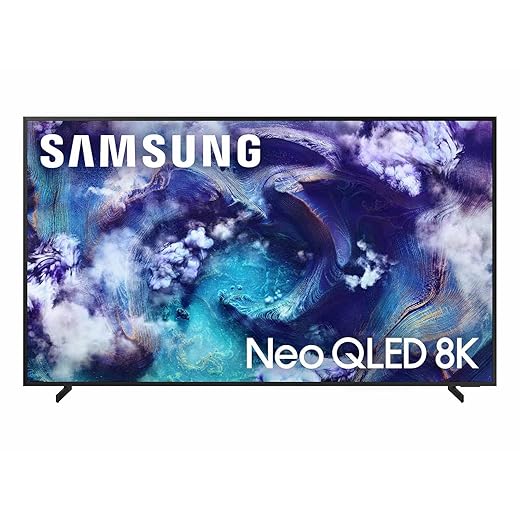
Samsung Neo QN900F 65" 8K Mini‑LED
A flagship that pushes peak brightness, upscaling, and design into the premium tier—aimed at buyers who want the absolute best 8K hardware today. We found the combination of a powerful AI engine and refined Mini‑LED backlighting delivers exceptional detail and presence in bright rooms.
Who should consider this model
We view this as Samsung’s statement piece: a TV for buyers who want the best available Mini‑LED engineering and an 8K canvas for future content. If you already own a high‑end AV setup and want maximum brightness, advanced tone mapping, and an extremely refined chassis, this is the logical step up.
What sets it apart practically
In real use, the AI upscaler is genuinely impressive when tasked with well‑shot 4K or HD material; it can add believable texture and clarity. That said, the difference between an excellent 4K Mini‑LED and this 8K model will be subtle for most streaming and broadcast sources. It’s a future‑leaning purchase rather than a must‑have for everyone today.
Tradeoffs and ecosystem context
We recommend this only if you value peak brightness, extreme local dimming control, and a top‑tier design language. For most buyers the extra cost over the 4K Neo models is a luxury rather than a practical upgrade.
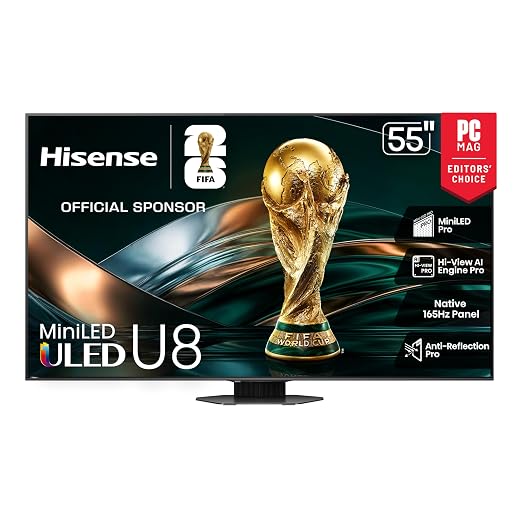
Hisense 55" U8 Mini‑LED ULED
A standout in the sub‑$1,000 Mini‑LED class, delivering blinding peak brightness, dense local dimming, and rapid refresh for gaming. We found it to be one of the best value‑to‑performance TVs for HDR content and competitive play.
Snapshot: why we like it
We consider this Hisense U8 an aggressive value proposition: it takes many of the performance markers of higher‑priced Mini‑LEDs—extreme brightness, dense local dimming, high native refresh—and packages them at a price that proves the technology is maturing quickly. That combination is especially compelling for gamers and viewers who sit in well‑lit rooms.
Practical performance highlights
In a living room, that brightness and anti‑reflection coating make daytime viewing far more satisfying than many OLED panels that struggle in strong sunlight. The game features and USB‑C input for PC make it flexible for mixed‑use setups.
Tradeoffs and user notes
All told, this set punches above its weight for HDR performance and gaming. If you want the biggest HDR highlights for the price, this model is one of the most competitive.
TCL 98" QM8K Mini‑LED QLED 4K
This enormous TCL packs high brightness, aggressive local‑dimming, and gaming features into a price point that undercuts many competitors. We were impressed by how well it balances motion handling and HDR punch for the size, though the OS still needs polish.
Where it fits in the market
We see this as TCL’s attempt to democratize very large Mini‑LED displays: you get technologies usually reserved for smaller premium sets—QLED color, dense local dimming, and very fast refresh—on a scale that would otherwise be much more expensive. That matters if you want cinema‑scale impact without a projector.
In‑use impressions and features
On the practical side, the set delivers spectacular daytime brightness and a satisfying sense of immersion for movies and sports. The tradeoff is that TCL’s OS and some early firmware releases have shown stuttering or dimming issues in a few reports; we’d expect incremental fixes but recommend checking firmware status at purchase.
Installation and user notes
We’d recommend this to buyers who value scale and gaming features. If you want the biggest Mini‑LED experience for the money and are comfortable managing occasional software quirks, this delivers tremendous value.
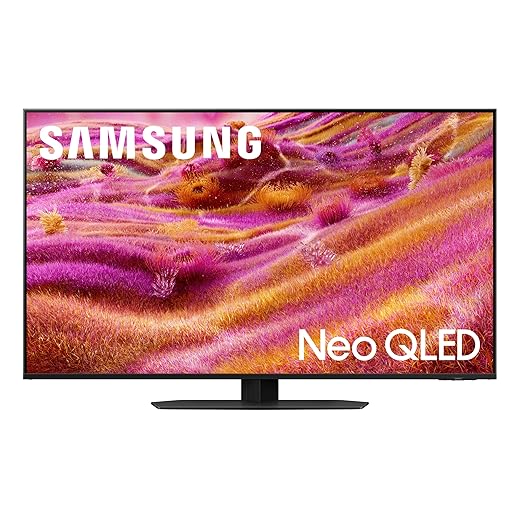
Samsung Neo QLED 65" Mini‑LED
A powerful balance of brightness, anti‑glare performance, and gaming features that work together for living‑room and multipurpose use. We appreciated how the updated AI upscaling and fast refresh options make every input—from streaming to PC—feel sharper and more responsive.
What we think and who it’s for
We see this model as Samsung’s practical answer for buyers who need a bright, reflection‑resistant TV that also doubles as a serious gaming and streaming hub. The Neo Quantum processor leans heavily on scene analysis to boost highlights and sharpen edges, which shows when you watch HDR sports in a sunny living room or hook up a PC for high‑refresh gaming.
Key advantages in everyday use
We found the real value here is how those features interact: the processor doesn’t just make things brighter, it selectively raises highlights and preserves detail in shadow—helpful during mixed lighting. The TV’s smart platform integrates popular streaming apps and voice assistants, which makes the day‑to‑day experience convenient, although Samsung’s UI can feel cluttered if you prefer a minimal interface.
Design, sound, and ecosystem notes
We also noticed that some of the out‑of‑box AI picture modes can be aggressive; we recommend a quick calibration or switching to a natural/filmmakerlike mode for movies. For gamers, the 4K/165Hz PC path and low input lag are compelling—but remember you’ll need compatible cables and a capable GPU to unlock the absolute top end. Overall, this set is an excellent all‑rounder if you want brightness and HDR punch without OLED burn‑in worries.
LG 75" QNED evo AI Mini‑LED
A larger‑format version of LG’s QNED evo that gives you expansive screen real estate with strong color and AI tuning. We found it to be a sensible choice for living rooms where size and color fidelity matter more than extreme peak brightness.
Why choose the 75‑inch QNED evo
We recommend the 75‑inch iteration to viewers who want a more cinematic living‑room experience without stepping into ultra‑premium price tiers. The combination of a large screen, AI‑driven processing, and precision dimming means viewers get expansive images that remain controlled and colorful across most content.
Practical benefits and usage
In practice, the set is especially useful where a family room needs one screen to do everything: movies, sports, casual gaming, and streaming. It doesn’t try to be the absolute brightest display on the market; instead it aims for balance—color fidelity, motion handling, and sensible smart features.
Tradeoffs and final advice
If your priority is size plus accurate color and a modern smart platform, this model is a strong, sensible choice that fits well into a broad set of living‑room setups.
LG 65" QNED evo AI Mini‑LED
An appealing mix of precise color, robust AI processing, and a fast webOS experience that suits movie watchers and families alike. We liked how the native 120Hz panel and Dimming Pro backlight deliver a controlled HDR image without being overly aggressive.
Why we recommend it
We see this LG as a practical mid‑to‑premium Mini‑LED option for people who prioritize color fidelity and a predictable smart platform. The Alpha 8 AI Processor Gen2 balances tone mapping, motion, and upscaling in a way that keeps most content looking natural rather than processed.
Strengths in day‑to‑day use
For real‑world viewers, the magic is in how LG tames the brightness without sacrificing color richness: bright highlights retain saturation, and darker scenes hold onto shadow detail. Gamers will appreciate the Game Dashboard and FreeSync support; film fans will like Filmmaker Mode for more faithful playback.
Considerations and ecosystem fit
We recommend this if you want a dependable Mini‑LED that skews toward accurate color and predictable behavior rather than extreme brightness war chest. It sits comfortably between value models and ultra‑premium flagships in both performance and price.
Hisense 55" U7 Mini‑LED ULED 4K
A focused performer for sports, esports, and bright‑room viewing with serious gaming chops and punchy HDR. We appreciated the solid value proposition: high refresh, low lag, and Pantone‑validated color at a reasonable price.
How it performs for typical users
We recommend this Hisense U7 to gamers and sports fans who prioritize motion clarity and bright HDR highlights without spending on top‑tier flagships. The TV’s native high refresh and game bar tools make competitive play smoother and easier to manage on the fly.
Everyday strengths
From our perspective, the U7 hits the sweet spot for those who care most about motion and responsiveness. It’s less about cinematic depth than it is about visibility and speed—perfect for lively rooms and quick‑paced content.
Considerations before buying
Overall, this is a balanced pick for buyers who want game‑ready specs and a bright, colorful HDR picture at a mid‑range price.
Sony Bravia 65" Mini‑LED XR70
A TV that leans into Sony’s strengths: color science, calibrated presets, and gaming features tailored to PlayStation. We found it especially satisfying for movie nights thanks to studio calibrated modes and solid upscaling.
Who this serves best
We recommend this set to viewers who prioritize cinematic accuracy and an excellent built‑in smart experience. Sony’s approach centers on preserving the director’s intent while still delivering the punchy highlights and deep color that make HDR pop on a Mini‑LED screen.
Real‑world performance notes
In use, the calibrated picture modes are a highlight; they map closely to the way content was mastered and make default viewing much closer to what a filmmaker intended. Gamers get PlayStation‑specific features like Auto HDR Tone Mapping, which simplify setup and improve the console experience.
Limitations and practical bits
We like this as a dependable cinematic Mini‑LED that sits between value‑priced competitors and the most expensive flagships, offering an agreeable balance of picture quality and smart integration—especially for PlayStation owners.
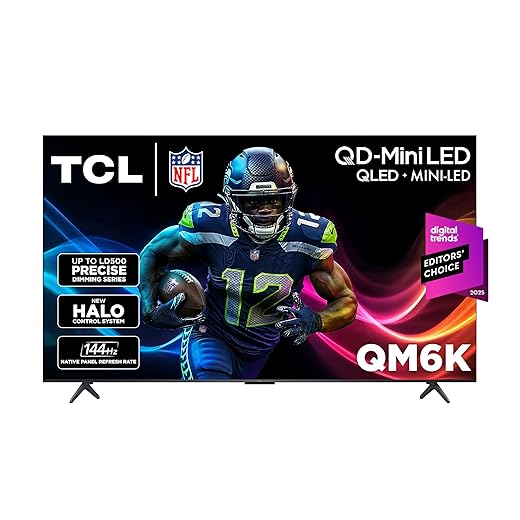
TCL 65" QM6K Mini‑LED QLED 4K
An approachable Mini‑LED that elevates picture and gaming features without breaking the bank. We found it to be a strong offer for buyers who want high refresh rates, punchy HDR, and decent onboard audio at a lower price point.
Who this is for
We think this TCL model is a practical pick for shoppers who want many high‑end features—Mini‑LED, high refresh, Dolby Vision—without paying flagship prices. It’s a straightforward value play that improves on older midrange sets in meaningful ways.
Day‑to‑day strengths
In our experience, the QM6K is an obvious upgrade for families and gamers on a budget. Colors are lively, motion is clean at higher frame rates, and the built‑in subwoofer helps casual listening—though serious cinephiles will still prefer a dedicated sound system.
Caveats and final thoughts
Overall, this is an easy recommendation if you want Mini‑LED benefits at a midrange price. It delivers the essentials—brightness, color, and low‑latency gaming—without the sticker shock of flagship models.
Final Thoughts
If you want the absolute top tier of brightness, contrast, and future‑facing image fidelity, we pick the Sony BRAVIA Z9K 75" XR 8K Mini‑LED. It nails peak highlights and nuanced local dimming, and Sony’s processing keeps complex scenes looking natural at any brightness. That combination makes the Z9K our choice for cinephiles and high‑end home theaters where maximum image fidelity and upscaling quality matter.
For most buyers who want blistering HDR punch and gaming performance without a flagship price, we recommend the Hisense 55" U8 Mini‑LED ULED. It delivers impressive peak brightness, dense local dimming, low lag, and fast refresh—all the practical benefits of mini‑LED for sports, HDR movies, and competitive play. In short: pick the Sony Z9K if you want the best money can buy; pick the Hisense U8 if you want the best real‑world HDR and gaming value.
Frequently asked questions
How did we pick these mini-led tvs for hdr and brightness options?
We shortlist models that balance performance, reliability, and value for typical buyers—not just the highest spec sheet. Hands-on notes, owner feedback, and return/warranty policies all feed the ranking.
Which mini-led tvs for hdr and brightness pick is best for most people?
Start with our top overall choice if you want the safest balance of price and features. Move up or down the list only when a specific need—budget, ecosystem, or a must-have feature—clearly applies to you.
Do prices on this mini-led tvs for hdr and brightness list change often?
Yes. Retailers run frequent promos, so use the live price buttons on this page and compare shipping and return windows before checkout—the best deal is not always the lowest sticker price.
Should I buy the cheapest mini-led tvs for hdr and brightness on the list?
Only if the trade-offs fit your use case. The budget pick can be excellent value, but check what you give up in build quality, software support, or key features you will use every week.
What if none of these mini-led tvs for hdr and brightness picks fit?
Use the comparison and guide links on this page to narrow by size, platform, or feature, then revisit the list with your must-haves written down—forcing a mismatch creates more returns than savings.
How often is this mini-led tvs for hdr and brightness roundup updated?
We refresh rankings when major models launch or pricing shifts enough to change the value story. Check the publish date at the top and compare current specs if you are reading months later.

Princess Rioboca is the Lead Editorial Writer at Option Cutter, bringing over seven years of hands-on experience in consumer technology journalism. Specializing in home networking and smart home architecture, she transforms complex technical data into practical, real-world upgrades. Princess personally tests and audits every product she reviews—evaluating real-world Wi‑Fi throughput, cable management durability, and streaming ecosystem stability—to filter out spec-sheet noise. Her rigorous, field-tested insights are designed to give readers transparent, unbiased buying advice on what to purchase, what to skip, and exactly why.