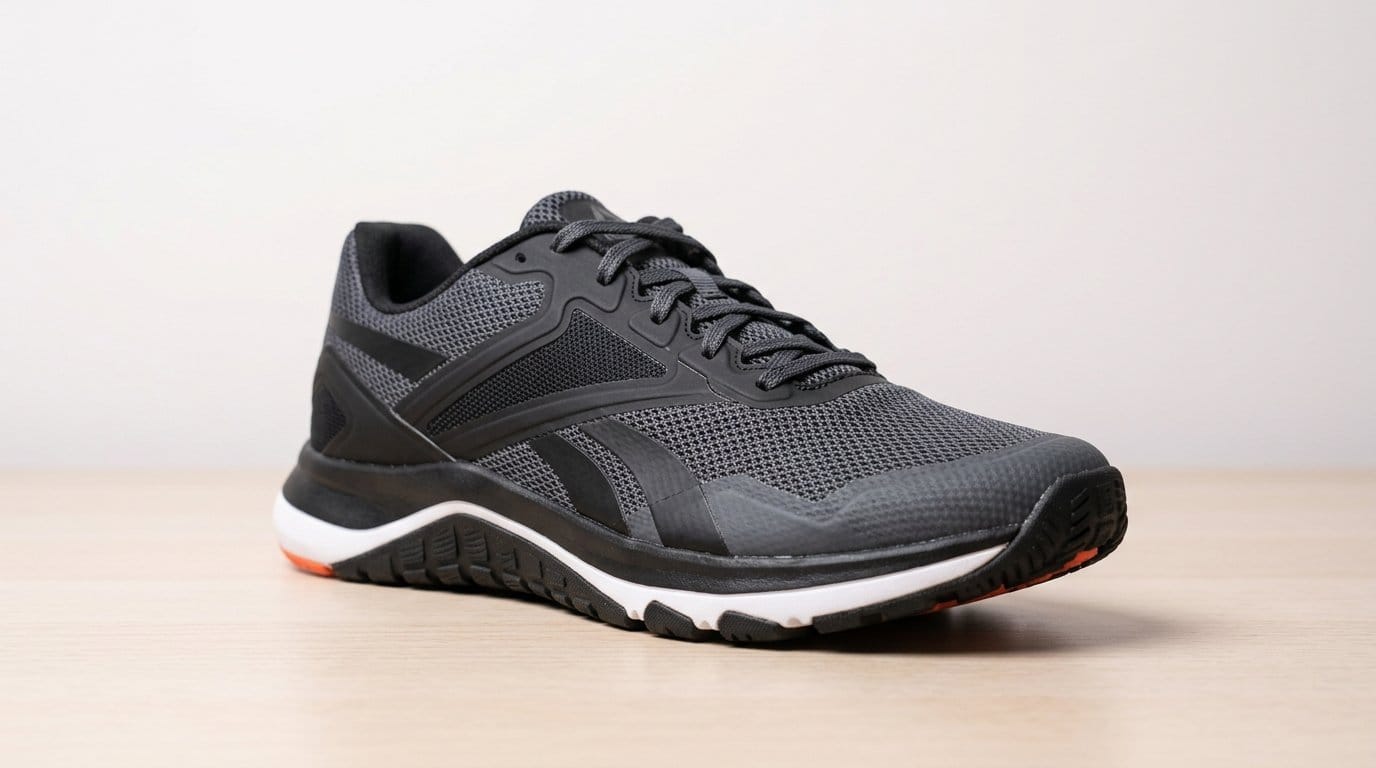

Can one pair survive heavy squats, rope climbs, and a sprint to the locker room? Spoiler: sometimes, yes.
Bold statement: You don’t need a closet full of specialty gym shoes to crush a mixed gym session. The right cross-trainer gives you stability for lifts, traction for box jumps, and just enough cushion for jog-and-go work.
We put eight popular trainers through lifting, agility, and short-run drills. We focused on feel, platform design, and how those choices actually change your workout—not marketing copy. Short verdict: some shoes try to be everything and fail. A couple actually pull it off.
Our Top Picks


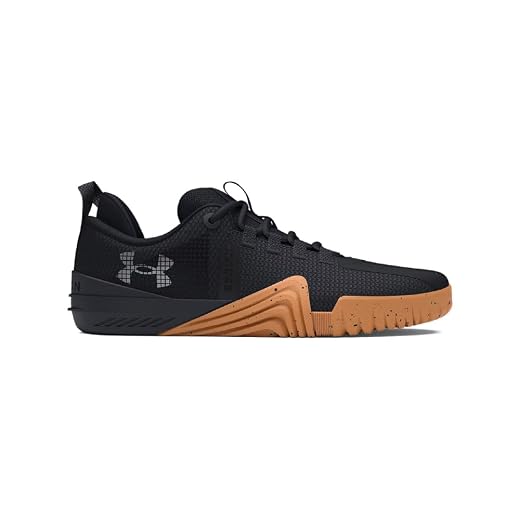

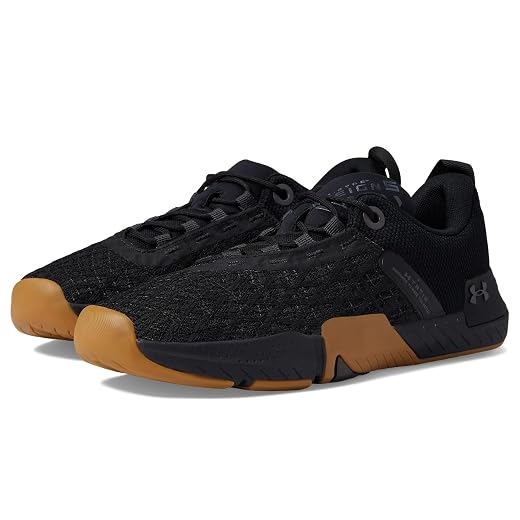
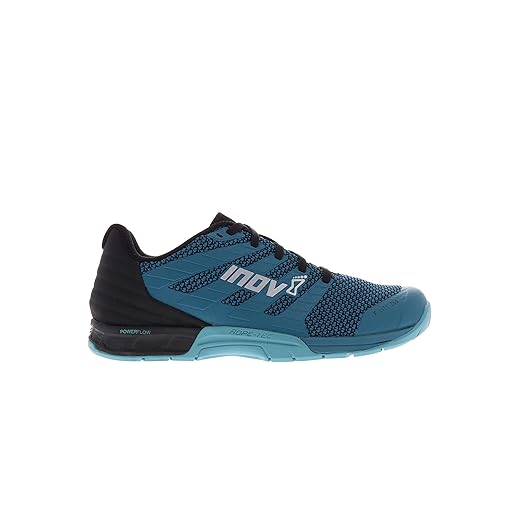
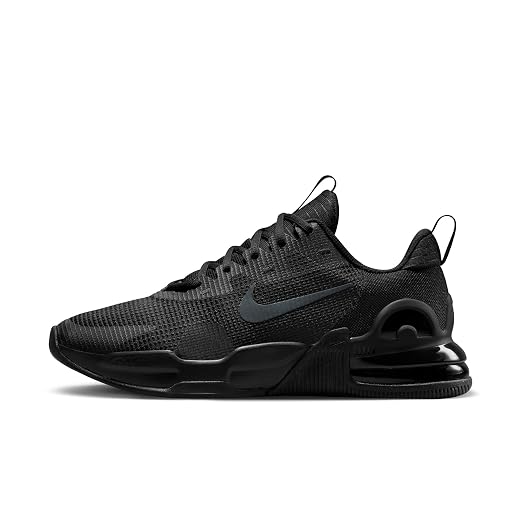
Stable, versatile strength-training shoe
We find its combination of a flat, stable platform and a reactive foam forefoot makes this a rare do-it-all trainer for strength work and short high-intensity efforts. The build is durable and purposeful, with small details that matter in functional sessions.
Why we picked it
We picked this as our top choice because it nails the core trade-off in cross-training shoes: a platform stable enough for heavy lifts yet flexible enough for burpees, box jumps, and short runs. The midsole and outsole are tuned to give a grounded feel under load, while a reactive foam insert at the forefoot softens transitions during metcons.
Key features and real-world feel
In practice we appreciated how the shoe didn’t fight us during lunges or short sprints, and yet felt planted for squats and deadlifts. Lifters will like the reduced compressibility under heavy loads; athletes who blend strength and conditioning will value the small bit of forefoot cushion for transitions.
Trade-offs and context
The shoe is deliberately on the firmer side; that’s why it excels for lifting. It’s not meant to be a run shoe, and anything beyond short runs will feel suboptimal. Compared with other trainers, the Metcon prioritizes durability and functional features—so if you want a softer, more cushioned trainer for lots of running, look elsewhere.
Lightweight, low-profile training shoe
We like this shoe for athletes who want a low-profile, glove-like fit that performs across lifting, agility, and short runs. The combination of a locked down midfoot and wide toe box makes it a versatile pick for high-intensity functional training.
Where it stands out
This training shoe is about minimalism and function—lightweight, low-drop, and engineered to let you feel the floor. That makes it excellent for short, intense efforts, lifting sessions, and agility work where ground feel and quick transitions matter.
Technical strengths
In our sessions we found it allowed fast footwork and stable lifts in the same shoe: sprint drills felt snappy and deadlifts had just enough lockdown to feel controlled. It’s a great single-shoe solution for people who do metcons and lifting but don’t want a heavy trainer.
Limitations and context
Some users report minor QC issues like glue or insole finishing—worth checking on the return policy if ordering online. Also, if you need much more cushion or run longer distances regularly, a different shoe would be a better fit.
Balanced, versatile cross-training shoe
We appreciate the dual-density midsole that creates a stable heel with a livelier forefoot — it’s one of the most versatile setups for mixed gym sessions. The Flexweave upper delivers a breathable but durable package suitable for CrossFit-style workouts.
What this shoe aims to do
The model is built to be a true all-rounder gym shoe who mix heavy lifting with dynamic conditioning. The firm heel gives a dependable base for compound lifts while a softer forefoot helps with short runs, jumps, and quick movements.
Design highlights
In hands-on sessions we found the shoe to be forgiving and stable in roughly equal measure. The wider toe box is a welcome contrast to some narrow training shoes, and the removable insole means you can fine-tune arch support or swap orthotics.
Where it falls short
The trade-off for a broadly capable shoe is that it won’t replace a dedicated running shoe for longer miles or a flat lifting shoe for maximal powerlifting. Still, for athletes who don’t want to change shoes mid-workout, this is one of the most convincing compromises on the market.
Stable, grippy UA training shoe
We value the TriBase philosophy here: maximize ground contact and promote natural motion, which translates to reliable stability for lifts and quick footing during dynamic work. It’s a strong choice for folks seeking a do-everything gym shoe with a low profile.
How Under Armour approaches the trainer
Under Armour focuses on a grounded, performance-first design that helps you transfer force into the floor. The TriBase platform encourages stability under heavy loads, while the updated upper balances durability with breathability.
Practical features we liked
In training, we found the shoe particularly good for compound lifts and shorter conditioning pieces. The wide toe box and flat platform made it easier to maintain balance during squats and farmer carries, while the grip helped with rope and sled work.
Market position and trade-offs
It sits between stiff lifting shoes and soft running trainers—so if you’re a heavy runner or marathoner, it’s not for you. But for CrossFit-style athletes and weightlifters who need a single reliable shoe for classes and lifting, it’s a compelling, well-priced option.
Minimal, explosive training shoe
We like the low-profile Minimus for athletes who prioritize explosiveness and stability in short, powerful efforts. It’s a minimalist shoe with just enough protection and a grippy outsole for rope work and plyometrics.
What the shoe tries to achieve
The Minimus TR V2 is aimed at athletes who value explosive movement and a minimal sole that lets them push off more directly. The FuelCell midsole gives a slight propulsive push while the low drop keeps you close to the ground.
Features and gym performance
We found it particularly effective for plyometrics, sled work, and exercises that require quick force transfer. The shoe’s low profile lets the foot engage the surface more directly, which helps with balance and explosiveness.
Practical notes and positioning
It’s not meant to replace a running shoe for longer distances—think of it as an explosive trainer for gym sessions. Sizing can be tighter than other New Balance models, so try on or size up if you’re unsure, especially if you prefer a wider toe box.
Durable, low-to-ground training shoe
We found this iteration to be a straightforward, no-nonsense training shoe that emphasizes stability and durability at a lower price point. It’s particularly well suited to lifters and people who want a dependable, everyday gym shoe without frills.
Who this is for
This shoe targets athletes who prioritize a low-to-ground platform and reliable performance for strength work and functional training. It’s designed to be hard-wearing and provide predictable footing across many training modalities.
What we noticed in use
In the gym, the shoe’s stiffness and flat build give confidence under the bar. We’d recommend adding a thicker insole if you need more arch support or plan on extended cardio sessions, because the stock insert can feel minimal.
Practical trade-offs
Compared with premium cross-trainers, this model leans toward utility. It won’t woo runners or those seeking plush day-long comfort, but in return you get a stable, durable shoe that’s likely to hold up through a lot of lifting and circuit work.
Minimalist barefoot-style training shoe
We appreciate the zero-drop, minimal-stack approach for athletes who prefer maximal ground contact. It shines for lifting and functional work that benefits from a barefoot feel, though the fit is very specific and not for everyone.
Purpose and audience
This shoe is built for people who want as close to barefoot performance as a shoe can offer. That means exceptional ground feedback and a minimal sole stack—advantages for deadlifts, rowing, and stability-focused lifting.
Design details we care about
In our experience, athletes who are used to minimal footwear adapt quickly and enjoy the directness when pressing off the floor. However, that minimalism is also the limiting factor: users coming from cushioned trainers often need an adaptation period and some prefer to ditch the factory insoles if they slip.
Competitive context and caveats
Within the minimalist niche it’s a strong contender, but it’s not a universal trainer. People with wider forefeet or those who need more arch support should test fit carefully. We recommend trying them in-store or ordering from a retailer with a flexible return window.
Lightweight, cushioned gym training sneaker
We see this as a solid, affordable option for people who want light cushioning and breathability for gym circuits and everyday workouts. It won’t replace a dedicated lifting shoe but is a sensible, comfortable choice for mixed sessions.
Where it fits in your lineup
This sneaker is positioned for people who do a bit of everything in the gym—machines, circuits, light conditioning—and want sensible cushioning without breaking the bank. It leans toward comfort and breathability rather than a super-flat lifting platform.
Notable attributes
We liked how it strikes a familiar balance: comfortable enough for longer gym sessions while keeping a relatively stable sole for bodyweight and light-weight movements. It’s a reliable daily trainer if you prioritize comfort and value.
Competitive context and limitations
Compared with purpose-built cross-trainers, this model sacrifices a little stability under heavy loads. If your priorities are heavy compound lifts or rope climbs, you’ll miss the flat, locked-down platform of a dedicated lifting shoe. For most people, though, this is an economical and well-rounded gym shoe.
Final Thoughts
For the vast majority of gym-goers who hop between heavy sets and high-intensity intervals, our pick is the "Stable, versatile strength-training shoe" (9.5). It nails the balance of a flat, planted platform for heavy lifts with a reactive forefoot that isn’t dead under your toes during metcon sprints and burpees. In practice that means quieter footwork, better force transfer on squats and deadlifts, and less foot fatigue in short, explosive efforts—exactly what mixed sessions demand.
If your sessions skew faster—agility ladders, short runs, rope climbs, and high-tempo circuits—the runner-up is the "Lightweight, low-profile training shoe" (8.9). Its glove-like fit, locked-down midfoot, and roomy toe box let you move quickly and confidently. It compromises a little on absolute stability for lifts, but it’s a superior pick when speed and responsiveness matter wave.
If you want a single recommendation: buy the Stable, versatile strength-training shoe for most lifters; choose the Lightweight, low-profile trainer if your workouts emphasize speed and mobility.
FAQ
Can a cross-training shoe replace a dedicated weightlifting shoe?
Short answer: mostly yes—for most gym-goers. We found that the top stable trainers (like the 9.5-rated model) provide enough heel stability and ground contact for heavy sets up to moderately heavy loads. However, if you’re routinely chasing PRs on the clean and jerk or back squat with very technical shoes, a dedicated weightlifting shoe with a raised, rigid heel still wins for optimal ankle positioning and maximal force transfer. Why it matters: cross-trainers aim for versatility; weightlifting shoes prioritize a single task. Pick the tool that matches how you actually train.
What’s the difference between a flat platform and a dual-density midsole—and why should we care?
A flat platform (low stack, firm) gives a stable base for squats and deadlifts; you feel the floor and your weight shifts are predictable. Dual-density midsoles use a firmer heel for stability and a slightly bouncier forefoot for transitions and short runs. In our testing, shoes with the dual-density setup (see the 8.8 pick) felt less clunky during metcons without sacrificing much lift stability—so they’re excellent for mixed sessions where you want both grounded lifts and responsive movement.
Are minimalist or barefoot-style trainers a good idea for everyone?
No. Minimalist shoes (zero-drop, low stack) give near-maximal ground feedback and can improve stability for certain lifts. But they demand a specific foot shape and gradual adaptation. We saw great performance from the barefoot-style pick in controlled lifting and plyometrics, but people with high-impact running habits or a history of foot issues may find them too unforgiving. If you go minimalist, ramp volume slowly and expect a learning curve.
How should we choose between the stable, grippy models and the cushioned, lightweight ones?
Match the shoe to the session. Choose a stable, grippy trainer when your programming prioritizes heavy compounds, technical barbell work, or weighted carries—the TriBase-style designs we tested excel there. Opt for a lightweight, cushioned model for long circuits, tempo runs, or sessions with lots of lateral quickness. In short: pick stability for heavy load; pick responsiveness for speed and volume.
Do budget trainers actually hold up for serious gym work?
Yes—some do. The durable, low-to-ground and lightweight cushioned picks (around the 8–8.2 range) proved to be dependable options that give honest performance without a premium price. They won’t have the refinement or proprietary foams of higher-end models, but for most people who want one shoe for everyday gym use, they offer excellent value. Why it matters: good training doesn’t require premium tech; it requires the right balance of stability, traction, and durability for your routine.
What about fit, sizing, and break-in? Any practical tips?
We recommend measuring your foot and trusting width and toe-box cues over a single size. Several shoes we tested use glove-like uppers—these run snug if you size purely by length. Look for a locked midfoot and a wide toe box if you do jumps and toe splay. Expect a short break-in for woven or Flexweave uppers; firmer soles typically need little to no break-in. Last practical point: if you use custom orthotics, check for removable insoles—most modern trainers accommodate them without losing performance.

Princess Rioboca is the Lead Editorial Writer at Option Cutter, bringing over seven years of hands-on experience in consumer technology journalism. Specializing in home networking and smart home architecture, she transforms complex technical data into practical, real-world upgrades. Princess personally tests and audits every product she reviews—evaluating real-world Wi‑Fi throughput, cable management durability, and streaming ecosystem stability—to filter out spec-sheet noise. Her rigorous, field-tested insights are designed to give readers transparent, unbiased buying advice on what to purchase, what to skip, and exactly why.