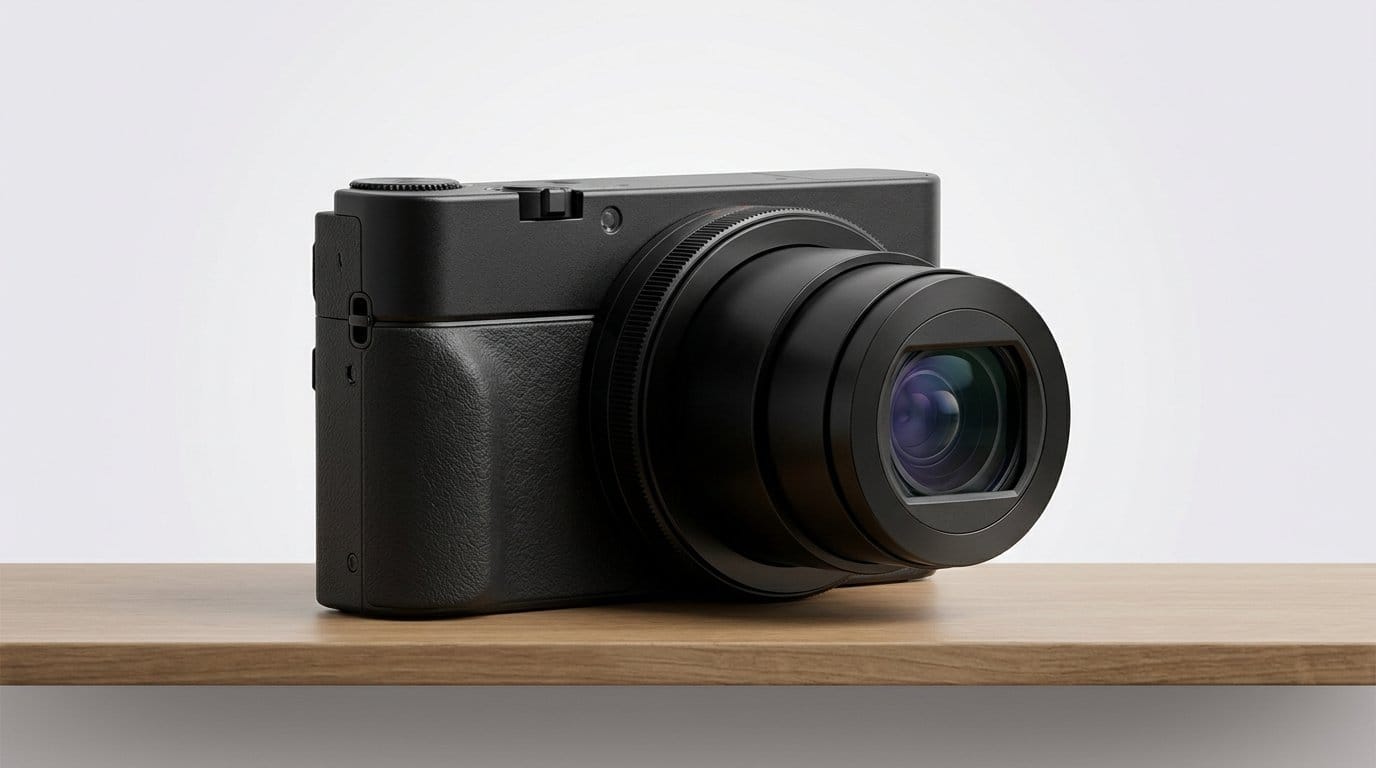

Can a pocket camera replace your carry-on camera bag (and your excuses)?
Travel photos shouldn’t come with a sore shoulder. We tested compact cameras that actually make shooting on the move faster, lighter, and more fun.
From pocket telephotos to crafted fixed-lens classics, these cameras matter because they balance sensor performance, handling, and real-world usability. We focused on design, AF and video behavior, ecosystem quirks, and how each camera fits into a travel kit in 2026.
Top Picks



Sony RX100 VII Pocket Powerhouse Camera
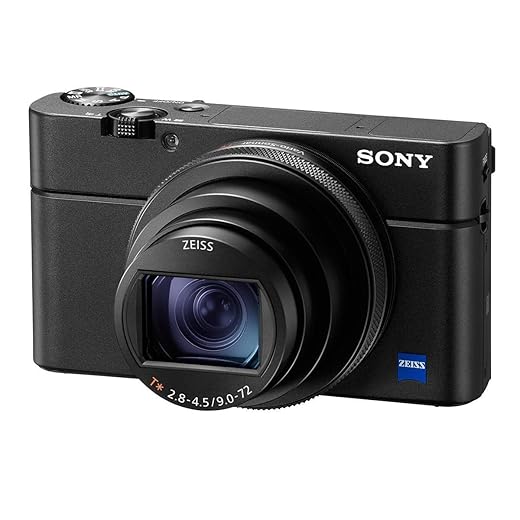
This little camera pairs a 1-inch stacked sensor with an exceptional 24–200mm-equivalent zoom and class-leading autofocus for stills and video. It’s the compact we reach for when we want SLR-like flexibility without the baggage.
Why we recommend it
We view the RX100 VII as the high-water mark for pocketable, do-it-all compacts. It combines a 1.0-inch stacked CMOS sensor and Sony’s refined AF system to deliver remarkably crisp images and reliable subject tracking in a genuinely pocketable package. For travel photographers who prioritize reach, speed, and minimal kit, it’s the camera that replaces a second body for many of our trips.
Practical strengths and limits
The RX100 VII is built for people who want the fewest compromises on image quality and AF in a compact body. We appreciated the fast AF and the versatility of the long zoom on urban street days and day-trips where packing light matters. The trade-offs are intuitive: small physical controls and a premium price relative to simpler compacts.
How it fits the market
Sony has squeezed features typically reserved for mirrorless systems into the RX100 line, and here those features — fast AF, long zoom, and solid video tools including microphone input — matter. We recommend it to experienced travelers who want the highest-performance compact possible and to content creators who value reach and AF reliability in a pocketable form.
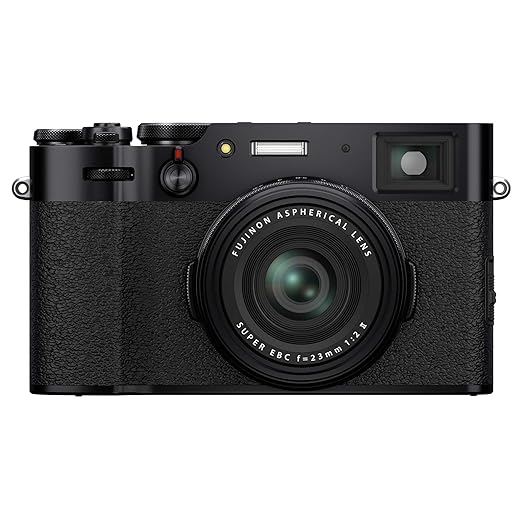
Fujifilm X100V Street Photography Favorite
A modern classic that pairs a superb APS-C sensor with a fixed 23mm f/2 lens and an advanced hybrid viewfinder. It rewards thoughtful shooting and gives images a distinctive, film-like character that stands out in travel portfolios.
A compact built for photographers, not specs
We see the X100V as a camera that reshapes how you shoot: it asks you to move your feet, think about framing, and work with a single, excellent lens. That constraint is the creative point — the fixed 23mm focal length and Fuji’s film simulations reward attention to light and color in ways that a multipurpose zoom sometimes dilutes.
Field impressions and practicalities
On the street, the X100V feels like an instrument — tactile dials, a satisfying shutter, and controls that encourage deliberate shooting. The camera makes beautiful JPEGs straight from the body, and its film simulation profiles are more than gimmicks; they’re a big part of the photographic personality Fuji sells.
Why it matters now
The X100V sits apart from the pack because it’s designed for people who value the act of photography as much as the result. For many of us, that means a special camera to take on trips where we want images with character and a shooting experience that’s satisfying. It’s not for everyone, but for those it suits, it’s close to perfect.
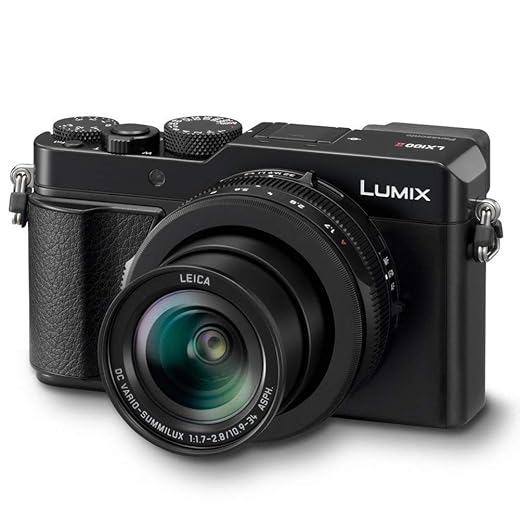
Panasonic LX100 II Large-Sensor Compact
The LX100 II offers a large Micro Four Thirds-derived sensor in a compact body with a fast Leica-branded zoom. It’s a compelling travel camera for photographers who want better image quality without changing lenses often.
Bigger sensor, compact footprint
We like the LX100 II because it folds a larger-sensor character into a relatively small camera body. The multi-aspect Four Thirds sensor and fast Leica DC lens deliver image quality and background separation you won’t get from the typical 1-inch compacts, which translates directly into better-looking travel photos and more flexibility in low light.
Real-world strengths and compromises
In practice, the LX100 II feels like a mini-DSLR with modern conveniences. The aperture ring, shutter speed dial, and control ergonomics make it fast to operate, and the large sensor contributes to richer tones and improved highlight handling. The trade-offs are size (it isn’t pocket-phone thin) and a screen that isn’t as flexible as on some competitors.
Competitive positioning
Panasonic’s LX line has always targeted photographers who want more than a typical compact but aren’t ready to commit to lens systems. The LX100 II continues that tradition: it’s a refined tool for enthusiasts and travelers who value image quality and tactile controls in a single, walk-around camera.
Sony RX100 VI Compact Travel Zoom Camera
This model emphasizes telephoto reach with reliable AF and a built-in OLED EVF while keeping a truly pocketable footprint. It’s the sensible choice if you value zoom range without moving to a larger system.
What it does well
We see the RX100 VI as a near-perfect travel compromise: a generous zoom, an excellent autofocus system, and a usable electronic viewfinder all packed into a small chassis. For travelers who want to cover everything from street scenes to distant details without swapping lenses, this camera hits that sweet spot.
Real-world trade-offs
The RX100 VI isn’t a low-light champion compared with larger-sensor mirrorless cameras, but in daylight and well-lit interiors it produces excellent JPEGs and usable RAW files. The control layout and menus are feature-rich, which benefits experienced shooters but can be a hurdle for those expecting a simpler point-and-shoot experience.
Where it sits competitively
Sony’s RX100 line distinguishes itself by delivering advanced autofocus and high-quality optics in a pocket-ready package. The VI trades some low-light latitude for extra focal length compared with earlier RX100 models, which matters more as mirrorless bodies have become heavier. If you’re choosing one compact to take on long trips where packing light is essential, this one should be near the top of your shortlist.
Sony ZV-1 Creator-Focused Compact Camera
Designed around one-handed shooting and on-camera audio, this camera makes producing video simpler while still delivering very good stills. The flip screen and product-showcase autofocus are thoughtful touches for creators who travel light.
A compact designed around creators
We think of the ZV-1 as a compact built for people who make video first and stills second. Sony prioritized a bright 24–70mm-equivalent lens, robust AF, and an integrated microphone solution — features that remove friction from one-person production while keeping the camera small enough for travel and day-to-day carry.
Field experience and limitations
When we used the ZV-1 on short trips and street shoots, it consistently delivered usable video with minimal setup. Stabilization and AF let us walk-and-shoot; the flip-screen makes framing ourselves effortless. The trade-offs are the limited telephoto reach and some ergonomic choices that limit tripod convenience.
Why it matters now
Camera makers are recognizing creators as a major audience, and the ZV-1 is a pragmatic example: it blends still and video features into a single, small camera without forcing separate accessories. For us, that combination of convenience and capable imaging makes it a travel essential for content-driven trips.
Sony RX100 V Fast-Firing Compact Camera
This RX100 variant shines when subjects move fast. With one of the fastest AF and high continuous shooting rates available in a compact, it’s a strong choice for travel photographers who capture sports and street action.
Speed is the headline
We found the RX100 V to be the compact to grab when subjects won’t sit still. Sony’s emphasis on autofocus speed and burst shooting enables photographers to reliably capture sequences that would be hard to get with most pocket cameras. The improved sensor and processor make these bursts usable rather than a novelty.
Practical context
While the V sacrifices some of the longer zoom reach of newer models, its strengths make it excellent for street photography, travel days with lots of movement, and casual wildlife when you can get reasonably close. The camera’s ergonomics are compact, yet the menu complexity and small controls are similar to other RX100 models.
Market perspective
The RX100 V illustrated how much performance could be packed into a pocketable camera without sacrificing image quality dramatically. Its place in our roundup is as the specialist: when speed matters most, it’s a better fit than many rivals even if later RX100s add reach or video tweaks.
Canon PowerShot G5 X Professional Compact
The G5 X mixes an attractive handling package with a useful built-in electronic viewfinder and a bright zoom. It aims at users who want DSLR-like controls in a compact form for travel and street photography.
Controls and composition in a compact
We like the G5 X because it brings camera-like control and a built-in viewfinder to a small package — a big advantage when shooting in bright midday sun or when you want a more deliberate approach to framing. The physical dials make changing aperture and shutter fast without diving into menus, which matters when you’re traveling and want to move quickly between scenes.
Practical use and trade-offs
We found the camera very capable for museum shoots, street work, and travel days where you want more control than a phone. The body is slightly larger and heavier than the lightest compacts, but that’s the price of the EVF and the extra ergonomics. Video is solid for casual work but doesn’t lead in 4K features versus some rivals.
Position in the market
Canon built the G5 X to appeal to photographers moving away from phone-only shooting but not ready to carry mirrorless kits. We consider it a balanced travel tool that keeps the shooting experience in focus rather than chasing every spec-checkbox.
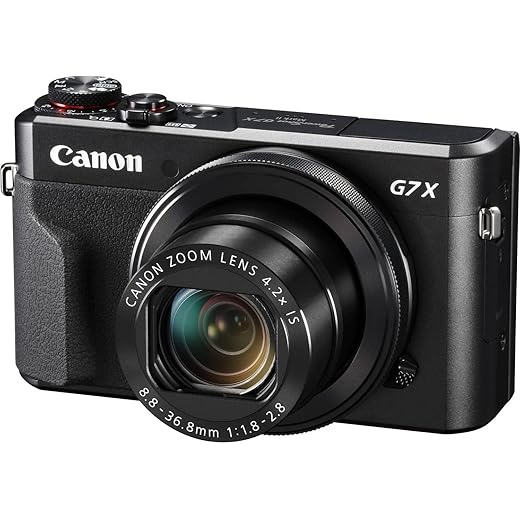
Canon PowerShot G7 X Mark II Pocket Shooter
An appealing balance of speed, lens brightness, and image quality in a pocketable form. It’s a mature design that still makes sense for travelers who want quality without investing in interchangeable-lens bodies.
A reliable pocket camera for everyday travel
We view the G7 X Mark II as a pragmatic choice: bright optics, solid handling, and simple controls all in a pocketable package. It’s not trying to be the most cutting-edge compact, but for many travelers it offers better image quality than a smartphone with minimal fuss.
Real-world pros and cons
In our experience the G7 X Mark II excels when you want a camera that’s unobtrusive but capable. Battery life can be modest if you record a lot of video, and buyers should be mindful when purchasing renewed units that warranty coverage and origin can vary.
Competitive context
There’s more sensor performance in newer models, but the G7 X II remains a compelling value if you prioritize a bright lens and a straightforward shooting experience. For travelers who don’t need the absolute latest AF tricks or 4K video, it’s a compact that gets the job done without fuss.
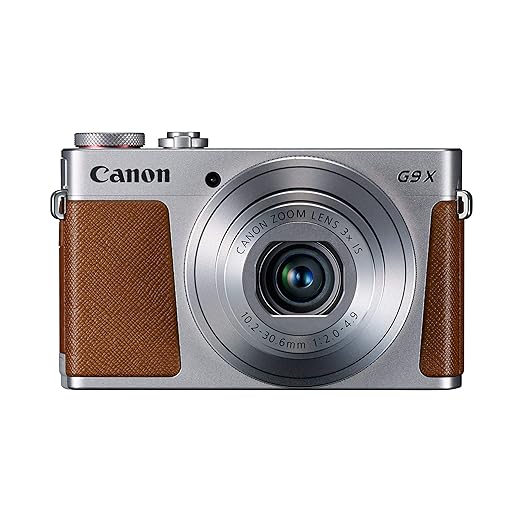
Canon PowerShot G9 X Slim Pocket Camera
The G9 X is a highly pocketable 1-inch-sensor camera that nudges smartphone image quality upward while staying truly compact. It’s a good fit for travelers who prioritize minimal size and simple, capable imaging.
Pocketability prioritized
We like the G9 X for one clear reason: it’s the camera you’ll actually carry. If your priority is a slim profile that fits in a coat or pants pocket, the G9 X brings a 1-inch sensor and useful manual controls into a form factor phones can’t match.
Practical shooting and limits
In travel use we appreciated how little friction there was to grab the camera and shoot. That said, the limited zoom means you’ll still rely on walking closer for many scenes, and the compact dimensions can make extended handheld shooting less comfortable than larger compacts.
Market context
The G9 X competes with other ultra-compact 1-inch cameras and premium phones. For us it’s the right move if pocketable image quality is your top priority — it improves on phone output without forcing you to tote extra lenses or a larger camera bag.
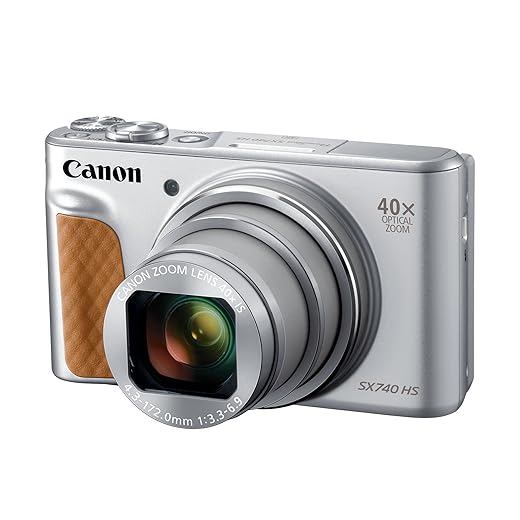
Canon PowerShot SX740 HS Superzoom Camera
This camera delivers huge telephoto reach in a compact, making it useful for casual wildlife, distant landscapes, and travel sightseeing. It’s an economical way to get far-away subjects without carrying long lenses.
Stretching reach without the weight
We think of the SX740 HS as a travel camera when reach matters more than sensor size. That monstrous 40x optical zoom gives you the flexibility to photograph distant landmarks, moderate wildlife, and candid street moments from a distance without changing lenses.
Field experience and caveats
In bright light and at shorter focal lengths this camera delivers pleasing results for casual photography. However, the small sensor means dynamic range and high-ISO performance are limited; images at maximum zoom often need careful stabilization and good light to be usable.
Who should consider it
We recommend the SX740 HS to travelers who prioritize getting closer to distant subjects without the cost or weight of interchangeable-lens systems. It’s a pragmatic tool for vacation photographers, beginner birders on a budget, and anyone who wants a massive zoom in a pocket-friendly chassis.
Final Thoughts
For most of our travel shoots we reach for the Sony RX100 VII. It gives a rare combination of reach (24–200mm equivalent), class‑leading autofocus, and a stacked 1‑inch sensor in a truly pocketable body. That reach and AF mean we can capture architecture, street moments from a distance, and quick children or animal action without swapping lenses. Its video features and compact ergonomics make it a one‑camera travel solution — ideal if you want SLR‑like flexibility without the bag. Be mindful that battery life and a smaller sensor than APS‑C limit extreme low‑light performance, but in the current market that tradeoff is worth it for the versatility and speed it brings.
If we had to recommend a second, very different option, it would be the Fujifilm X100V. Its APS‑C sensor, sharp 23mm f/2 lens, and hybrid viewfinder deliver images with a distinctive, film‑like character and tactile controls that reward thoughtful shooting. We use the X100V when we want crafted stills, low‑light capability, and a camera that encourages slower, more deliberate composition — ideal for street work, city travel, and portraiture where image quality and handling trump zoom range. It’s not pocketable in every pocket and lacks zoom, but for photographers who value image tone, ergonomics, and the Fujifilm ecosystem (film simulations, lens-style controls), it’s the pick that elevates a travel portfolio.
For travelers who want a larger sensor but still hate changing lenses, the Panasonic LX100 II is the honorable mention: it blends Micro Four Thirds–class image quality with a fast zoom in a compact package. For creators prioritizing one‑handed vlogging and on‑camera audio, the Sony ZV‑1 is the pragmatic alternative. But when we’re packing light and trying to cover the widest range of travel scenarios with the least fuss, the RX100 VII and X100V are the two cameras we recommend most often — browse our Top Picks.
Frequently asked questions
How did we pick these compact cameras for travel photography options?
We shortlist models that balance performance, reliability, and value for typical buyers—not just the highest spec sheet. Hands-on notes, owner feedback, and return/warranty policies all feed the ranking.
Which compact cameras for travel photography pick is best for most people?
Start with our top overall choice if you want the safest balance of price and features. Move up or down the list only when a specific need—budget, ecosystem, or a must-have feature—clearly applies to you.
Do prices on this compact cameras for travel photography list change often?
Yes. Retailers run frequent promos, so use the live price buttons on this page and compare shipping and return windows before checkout—the best deal is not always the lowest sticker price.
Should I buy the cheapest compact cameras for travel photography on the list?
Only if the trade-offs fit your use case. The budget pick can be excellent value, but check what you give up in build quality, software support, or key features you will use every week.
What if none of these compact cameras for travel photography picks fit?
Use the comparison and guide links on this page to narrow by size, platform, or feature, then revisit the list with your must-haves written down—forcing a mismatch creates more returns than savings.
How often is this compact cameras for travel photography roundup updated?
We refresh rankings when major models launch or pricing shifts enough to change the value story. Check the publish date at the top and compare current specs if you are reading months later.

Princess Rioboca is the Lead Editorial Writer at Option Cutter, bringing over seven years of hands-on experience in consumer technology journalism. Specializing in home networking and smart home architecture, she transforms complex technical data into practical, real-world upgrades. Princess personally tests and audits every product she reviews—evaluating real-world Wi‑Fi throughput, cable management durability, and streaming ecosystem stability—to filter out spec-sheet noise. Her rigorous, field-tested insights are designed to give readers transparent, unbiased buying advice on what to purchase, what to skip, and exactly why.