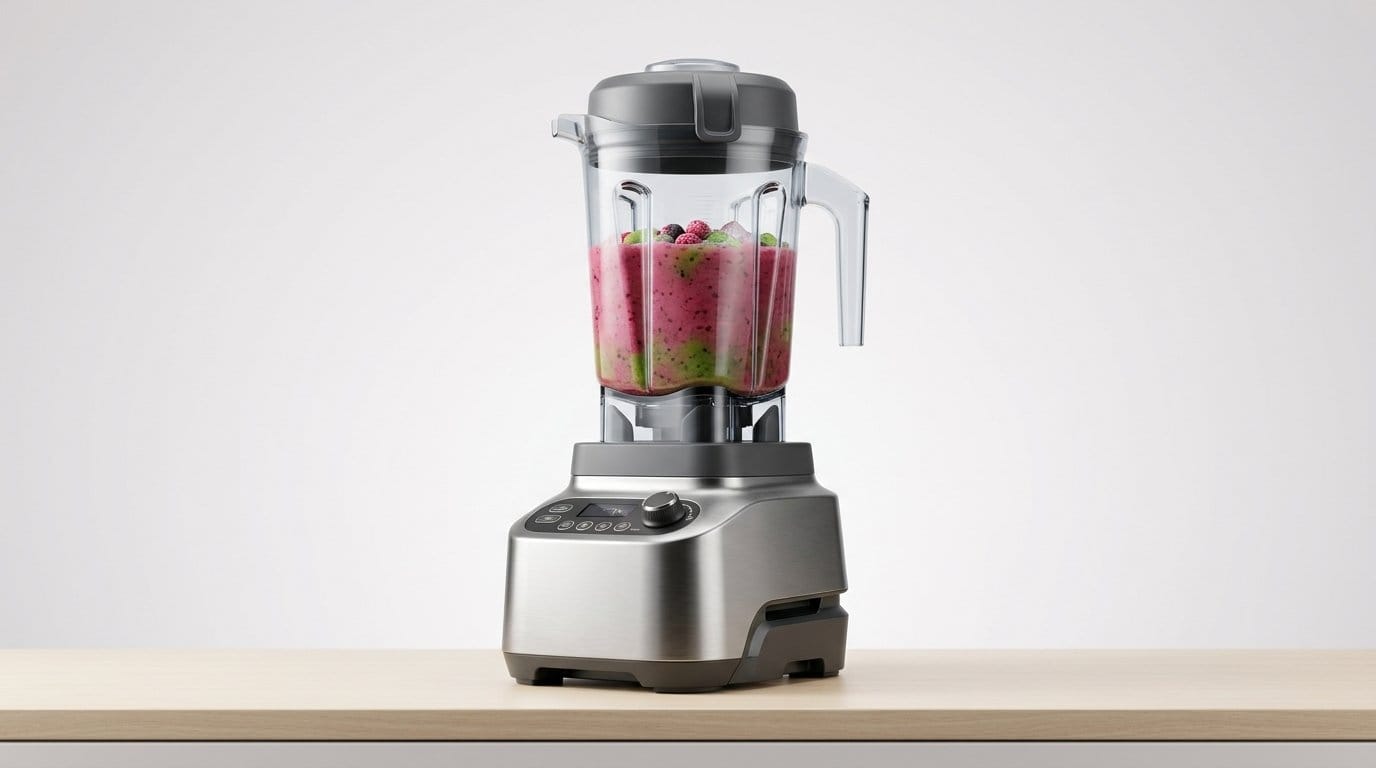

Which blender will save your smoothie (and dignity) when the ice machine betrays you?
Chunks ruin mornings. You know the scene: frozen fruit, a blender that coughs, and a straw that clogs. We want smooth, fast kitchen blending, and durable — not a culinary wrestling match.
We tested and compared power, jar design, presets, and real-world blender habits. We focus on user experience: ease of use, counter fit, and how these machines integrate into busy kitchens. Expect clear trade-offs, not marketing fluff in our Top Picks.
Top Picks




Vitamix 5200 Professional-Grade Countertop Blender
We find this model to be the gold standard for home cooks who want commercial-level power and longevity. It delivers reliably smooth results across smoothies, hot soups, nut butters, and batch prep with minimal fuss.
Why we pick it
The 5200 is the Vitamix proposition in its purest form: a high-torque motor, simple controls, and a container geometry that creates a reliable vortex. We appreciate how it translates commercial strength into predictable home use — it’s less about a feature list and more about repeatable performance when you need it.
Key features and everyday benefits
Those high-torque motor basics matter because they change daily habits: we can make double batches of smoothies, blitz soup to serving temperature with friction heat, or make smooth nut butter without chasing chunks. The variable speed dial is low‑tech but highly effective — we get complete control over texture without navigating menus.
Design, ecosystem, and practical context
We like that Vitamix kept the interface intentionally direct; there’s no reliance on smartphone apps or proprietary pods. The machine’s metal drive system and replaceable container philosophy mean you’re buying a tool that’s meant to be serviced rather than replaced. In a market where many blenders chase gimmicks, the 5200’s durability and serviceability are increasingly valuable.
Limitations and what to consider
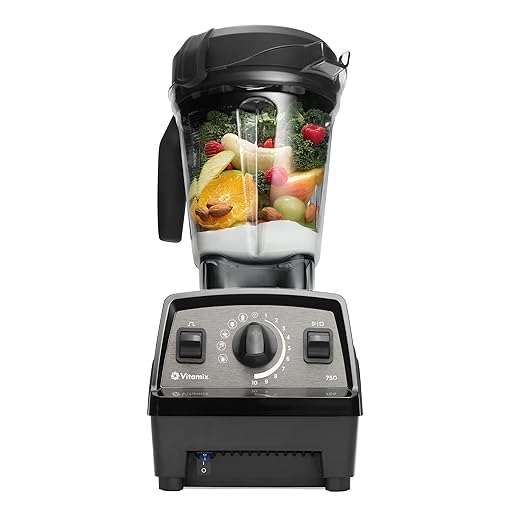
Vitamix Propel Series 750 Low-Profile Blender
We like the Propel 750 for people who want Vitamix performance with modern conveniences — preset programs, a slightly more compact profile, and an extra boost of motor torque. It’s a smart bridge between pro capability and everyday ease.
What sets it apart
The Propel Series 750 is Vitamix’s customer-friendly take on professional power: it keeps the signature metal drive and blade engineering but adds programmatic automation. We value the combo of raw capability and one‑touch convenience for everyday morning routines or repeated batch jobs.
Features we use most
The automatic preset programs matter in real kitchens: they reduce the trial-and-error phase of getting textures right for different recipes, which is helpful for non‑chefs or busy households. The self‑cleaning program is solid — add water and soap and run it for about a minute.
Design and how it fits in the market
Compared with legacy tall Vitamix jars, this chassis fits under cabinets more often, so it’s easier to leave on the counter. In the current market of app‑connected appliances, Propel chooses predictability over connectivity; that’s a sensible trade for people who want a durable, no‑nonsense tool.
Practical caveats
Blendtec Total Classic with 75‑Oz FourSide Jar
We value Blendtec’s focus on jar geometry and preprogrammed cycles; the design pulls ingredients toward the blade and reduces the need for a tamper. It’s a time‑saving, robust machine for people who cook frequently and want consistent, multi‑purpose performance.
The Blendtec proposition
Blendtec’s marketing centers on time savings: better jar geometry, powerful motors, and intuitive presets mean we spend less time babysitting blends and more time eating. In real kitchens that adds up — fewer interventions, fewer tools, and predictable outcomes.
Features that matter to us
The jar design is a practical differentiator: instead of pushing food to the sides, Blendtec’s shape draws ingredients in our product reviews into the blade, which is why it handles thick batters and frozen blocks with less fuss. We also appreciate the heating capability when making soups — it turns a blender into a multi‑course shortcut.
Competitive context
Blendtec competes directly with Vitamix on professional performance but makes different tradeoffs: it emphasizes user convenience and jar engineering over tactile manual controls. That matters if you prefer one‑touch presets and less hands‑on manipulation.
Real‑world caveats
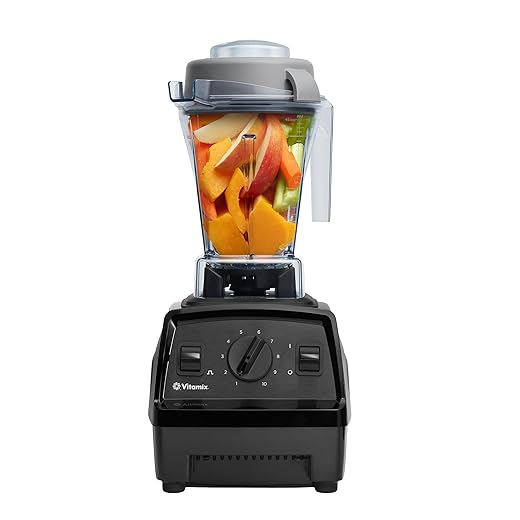
Vitamix Explorian E310 Compact 48‑Oz Blender
We prefer the E310 when you want Vitamix performance without paying for larger containers or extra bells. It nails single‑to‑family portions and gives a durable, straightforward experience that competes well against pricier options.
Who this is for
The Explorian E310 is our compact Vitamix pick for people who want the Vitamix blending system in a more compact, affordable package. We see it as practical for couples, small families, or anyone who values reliability over extra programs.
Standout design and performance notes
Its smaller container reduces the minimum-volume problem that affects some tall blenders: you can make single‑serving smoothies without needing a big batch. In testing, the E310 handled greens, frozen fruit, and ice reliably, and the self‑clean cycle makes cleanup frictionless.
Competitive context and ecosystem
Compared with higher‑end Vitamix models, you trade preset programs and the largest jar sizes for a lower price and easier storage. That trade is increasingly attractive as people look for high‑end performance without an oversized footprint.
Limits to remember
If you regularly make large batches, nut butters for multiple loaves, or want smart features, step up to a larger Vitamix. For daily smoothies and soups, the E310 balances cost, performance, and size very well.
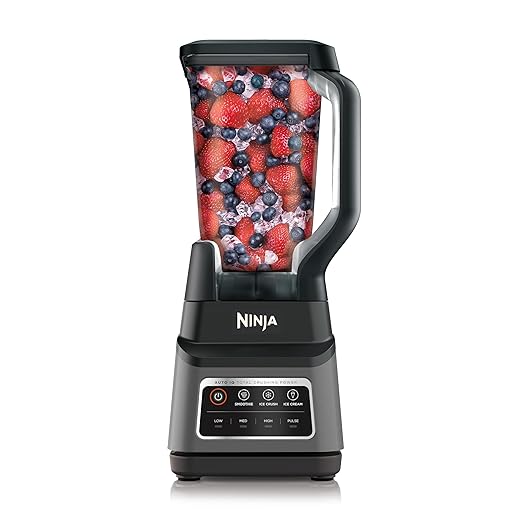
Ninja BN701 Professional Plus Auto‑IQ Blender
We like this Ninja for home cooks who want preset intelligence and single‑serve flexibility without a steep price. Its peak power and Auto‑IQ patterns make consistently smooth frozen drinks easy, and the included accessories expand utility.
The BN701 in the kitchen
Ninja’s Professional Plus pairs higher peak power with Auto‑IQ presets that take the guesswork out of blending. Our testing showed it produces consistent textures with frozen fruit and ice, and the variety of containers — a full pitcher plus single‑serve cups — adds real flexibility for families and solo users alike.
Hands‑on features and benefits
The Auto‑IQ cycles are more than marketing: they time pulsation and blending in patterns that mimic manual pulsing, which helps avoid over‑processing. For people who value consistent results without fuss, that matters.
Positioning and practical notes
This model sits between budget blenders and pro appliances: you get smarter controls and more power, but not the engineering or warranty depth of high‑end brands. For frequent frozen drinks and batch smoothie prep, it’s an excellent midrange choice.
What to weigh before buying
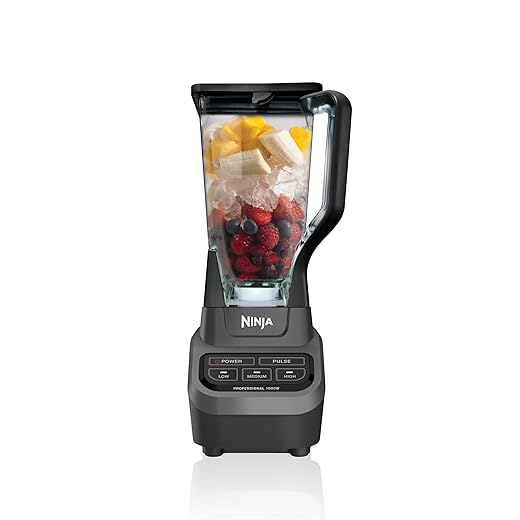
Ninja Professional 1000W Total Crushing Blender
We see this Ninja as a high-value option if your priority is smoothies and frozen drinks for a crowd. It delivers strong ice‑crushing performance at a fraction of pro-level prices, though it lacks the long-term durability of commercial designs.
Why buy this Ninja
The BL610 is a pragmatic pick: it gives you the ice‑crushing and capacity you need for party‑size frozen drinks without the investment in a commercial appliance. We appreciate how it democratizes performance — you get resort‑style frozen drinks with a simple, accessible machine.
Important features in practice
In everyday use the pitcher’s size is a genuine advantage: you can make multiple servings in one go. The Total Crushing blades are aggressive and effective; combine with the pulse function for better control over texture. For families who make smoothies daily, the result-to-cost ratio is compelling.
Design and market tradeoffs
Ninja packs a lot of capability into a budget price. Compared with premium blenders, materials are more plastic-forward and the motor may not survive heavy commercial cycles as long. That said, for most households this model strikes a good compromise between power, capacity, and price.
Practical tips and caveats
Oster Pro 1200 Glass Jar Countertop Blender
We recommend this for households that want durable glass jars and a robust 1200W motor without the premium price. The dual‑direction blade tech and preprogrammed settings make it versatile for everyday use.
Practical overview
Oster’s Pro 1200 is a pragmatic design that emphasizes material quality in a midprice package. The glass jar is a standout — it resists stains and tolerates temperature swings better than typical plastic pitchers, which is useful if you alternate hot soups and cold smoothies.
Everyday features and benefits
On a daily basis we like the presets for smoothies and milkshakes, and the pulse function gives added control. The dual-direction blade motion helps avoid packing ingredients around the rim and improves chopping consistency for salsas and nut fillings.
Where it sits in the market
The Oster Pro is competing with other midrange blenders that prioritize value and material quality rather than raw horsepower or pro warranties. If you want an affordable blender with a glass jar and sensible presets, this one is worth considering.
Notes and limitations
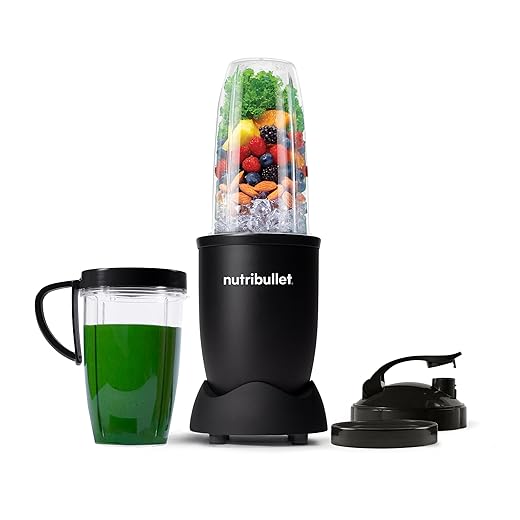
NutriBullet Pro 900W Compact Nutrient Extractor
We find the NutriBullet Pro ideal for quick single‑serve smoothies and extracting nutrients from fibrous greens. It’s compact, easy to clean, and excels at daily convenience, though it’s not designed for big batches or heavy continuous use.
Who should consider it
The NutriBullet Pro is a daily driver for anyone who wants fast single‑serve smoothies without the clutter. We recommend it for commuters, students, and kitchens where counter space is at a premium.
Practical performance outline
In practice, the extractor does a good job breaking down seeds, kale stems, and dense fruit into drinkable smoothies. The portability of the cups means you can blend and go, which is the product’s strongest appeal.
Market fit and limitations
It competes with other personal blenders by emphasizing simplicity and portability rather than multi‑function capability. If you want to make hot soups, large batches, or nut butters, step up to a countertop blender. But for daily single servings, it’s hard to beat for convenience and price.
Useful tips
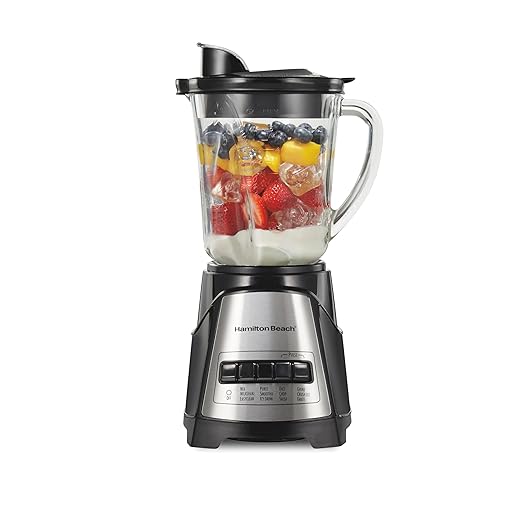
Hamilton Beach Power Elite Wave Action Blender
We see this Hamilton Beach as a no‑frills, reliable option for everyday smoothies and basic kitchen tasks. It won’t match premium blenders on texture for dense blends, but it provides solid performance at a friendly price point.
Why consider it
If you want a straightforward blender that covers smoothies, shakes, and light prep without the premium cost, Hamilton Beach’s Power Elite is a sensible choice. We appreciate the glass jar and the Wave~Action system, which helps pull ingredients down to the blade.
Useful features and daily use
For typical household use — morning smoothies, occasional frozen drinks, and simple food prep — it performs well. The glass jar resists staining and feels more durable than low‑end plastics. We also found the spout helpful for neat pouring.
Market positioning
This blender is a bridge between the cheap impulse models and the midrange crowd. It undercuts many competitors on price while offering features found in more expensive machines, which is why it remains a popular pick for budget‑conscious buyers.
Practical cautions
BLACK+DECKER 10‑Speed Crush Master Blender
We recommend this as an entry‑level blender that reliably handles smoothies, iced drinks, and light blending chores. It’s a pragmatic buy for infrequent users or those on a tight budget, though it lacks the torque and longevity of higher‑end models.
Who it’s for
The BLACK+DECKER Crush Master is a classic budget blender: it does what most people need — smoothies, milkshakes, simple purees — without bells, whistles, or a premium price. We recommend it for students, first apartments, or as a backup unit.
Key characteristics
In testing, it handled everyday blends competently and offers a surprising amount of control for the price. The pulse function is practical for chunky salsas and the glass‑like pour spout helps keep counters tidy.
Market context and expectations
This blender competes on value. If you expect to make thick nut butters, grind seeds regularly, or run long high‑load cycles, opt for a higher‑powered machine. But for casual use it’s a sensible, budget‑conscious choice.
Final considerations
Final Thoughts
Our top pick is the Vitamix 5200 Professional-Grade Countertop Blender. It’s the closest thing to a commercial workhorse in a home kitchen: relentless torque, simple controls, and longevity that justifies the price. For anyone who makes smoothies, nut butters, hot soups, or regular batch prep, the 5200 delivers consistently velvety textures and minimal babysitting. Its straightforward design means fewer electronics to fail and easier long-term serviceability — that reliability matters now more than ever as more people look for durable appliances instead of disposable deals.
If you want the same high-end results with modern conveniences, we recommend the Vitamix Propel Series 750 Low-Profile Blender as our runner-up. It keeps Vitamix power but adds preset programs, extra motor torque, and a low-profile jar that fits under cabinets. That combination matters for urban kitchens and for people who prefer push-button consistency over manual dialing. It’s the best option when you want pro-level performance with everyday ease.
Honorable mention: the Blendtec Total Classic is a great alternative for cooks who value jar geometry and preprogrammed cycles that reduce the need for a tamper. It trades a slightly different blending philosophy (more automated) for real-world time savings and consistent frozen-drink results.
Frequently asked questions
How did we pick these blenders for smoothies and frozen drinks options?
We shortlist models that balance performance, reliability, and value for typical buyers—not just the highest spec sheet. Hands-on notes, owner feedback, and return/warranty policies all feed the ranking.
Which blenders for smoothies and frozen drinks pick is best for most people?
Start with our top overall choice if you want the safest balance of price and features. Move up or down the list only when a specific need—budget, ecosystem, or a must-have feature—clearly applies to you.
Do prices on this blenders for smoothies and frozen drinks list change often?
Yes. Retailers run frequent promos, so use the live price buttons on this page and compare shipping and return windows before checkout—the best deal is not always the lowest sticker price.
Should I buy the cheapest blenders for smoothies and frozen drinks on the list?
Only if the trade-offs fit your use case. The budget pick can be excellent value, but check what you give up in build quality, software support, or key features you will use every week.
What if none of these blenders for smoothies and frozen drinks picks fit?
Use the comparison and guide links on this page to narrow by size, platform, or feature, then revisit the list with your must-haves written down—forcing a mismatch creates more returns than savings.
How often is this blenders for smoothies and frozen drinks roundup updated?
We refresh rankings when major models launch or pricing shifts enough to change the value story. Check the publish date at the top and compare current specs if you are reading months later.

Princess Rioboca is the Lead Editorial Writer at Option Cutter, bringing over seven years of hands-on experience in consumer technology journalism. Specializing in home networking and smart home architecture, she transforms complex technical data into practical, real-world upgrades. Princess personally tests and audits every product she reviews—evaluating real-world Wi‑Fi throughput, cable management durability, and streaming ecosystem stability—to filter out spec-sheet noise. Her rigorous, field-tested insights are designed to give readers transparent, unbiased buying advice on what to purchase, what to skip, and exactly why.