
Which tiny camera will survive your wipeout, your passport shuffle, and still make you look like a pro?
Most travel shots fail because of shaky hands, not bad views. Stabilization, battery life, and usable image quality matter more than megapixels. Pick the camera that helps you actually keep the shot.
We tested a range from tiny wearable POV rigs to flagship action beasts and 360 specialists. We focus on design, how the camera fits into a travel kit, the editing ecosystem, and what the footage actually looks like when the light goes sideways or the trail gets bumpy.
Top Picks




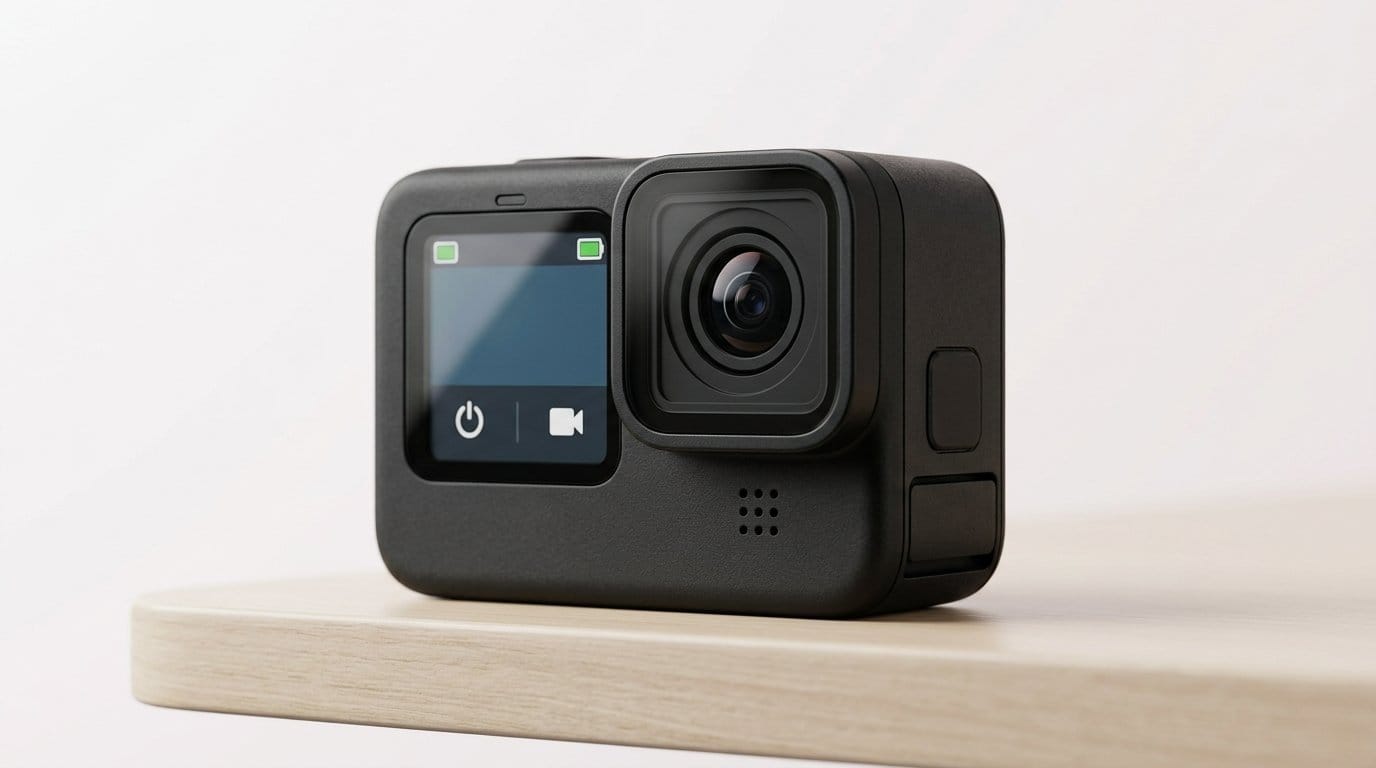
HERO12 Black — Flagship Travel Action Camera
We found the latest flagship balances raw image quality, stabilization, and ruggedness better than most competitors. Its HDR video, improved sensor, and HyperSmooth advancements translate to more usable footage in bright and mixed-light travel conditions.
What it is and who it’s for
We see this camera as the easiest path to consistently great travel and adventure footage for people who care about image quality. It pairs a larger sensor and HDR processing with GoPro’s proven stabilization to make handheld, helmet, and POV shots look cinematic with minimal fiddling.
Key strengths
Practical benefits and workflow
We appreciated how HDR video keeps detail in high-contrast scenes — a common situation when shooting travel sunsets, caves, or cityscapes with deep shadows and bright skies. HyperSmooth’s reduced crop means we can retain wide framing while getting buttery-smooth footage; that matters when you don’t want to compromise field of view for stabilization. The Enduro battery and cloud upload options improve the day-to-day workflow: charge, shoot, and start edits quickly on the phone.
Limitations and competitive context
The camera is expensive relative to entry-level rivals, and high-res HDR files consume storage and battery. Compared with some 360 or modular systems, it’s less flexible for experimental framing, but for straightforward adventure capture we think it strikes the best balance of image quality, stabilization, and durability right now.
HERO11 Black — Large Sensor Action Camera
We liked the expansive field of view and sensor improvements that give you more canvas to crop and reframe. That flexibility makes it a solid choice for travel shooters who want to extract stills from footage or change lenses digitally in post.
Why it matters
We consider this model a practical bridge between flagship features and real-world shooting needs. Its sensor expansion gives you more room to frame action and to extract high-quality stills from footage — a workflow that’s especially useful on trips where you want both clips and photos without carrying extra gear.
What you get
How it performs day-to-day
The bigger sensor helps when you want to punch-in on a skyline or crop a dramatic frame from a wider take, which matters on travel shoots where opportunities are fleeting. HyperSmooth remains useful for helmet and handlebar shots. The trade-offs are the same as other high-resolution action cams: bigger files, higher storage needs, and a slightly steeper editing curve if you want the best footage.
Competitive context and limitations
It’s not a massive leap over the newest flagship, but it remains a compelling buy if you value that extra framing freedom and proven stabilization. If you prize the absolute latest stabilization and image processing, the newest model is worth the premium; otherwise this finds the right balance of capability and price.
Insta360 ONE RS 1-Inch 360 — Pro-Level 360 Capture
We admired the dual 1-inch sensors co-engineered with Leica for superior dynamic range and low-light performance. For creators who need high-fidelity 360 footage for virtual tours or cinematic reframing, this is a top-tier tool.
Who should consider it
We recommend this for serious travel creators and production teams who want the highest-quality 360 capture without stepping into bulky cinema rigs. The 1-inch sensors give a visible step-up in dynamic range and low-light detail that benefits dusk, dawn, and interior shots.
Technical highlights
Usability and workflow
The modular design lets us adapt the camera to either 360-first workflows or single-lens needs. The app and desktop tools make reframing and creating traditional shots from 360 footage intuitive, which is invaluable when you want multiple outputs from a single take. For professional virtual tours and behind-the-scenes workflows, its image fidelity reduces the amount of color correction required.
Market position and limitations
It’s more expensive than consumer 360 cameras, but that price buys sensor performance and flexibility. The main compromises are battery life and the heavier processing demands of 6K 360 files — plan for extra batteries and a robust editing workstation when adopting this into a regular travel kit.
HERO10 Black — Performance-Focused Action Camera
We appreciated the GP2 chip for responsive menus, higher frame rates, and improved low-light performance. For users who want snappy handling and reliable stabilization, it’s a strong choice that’s still relevant for travel creators.
A fast, practical action camera
We think of this model as the one that made GoPro feel truly responsive. The GP2 processor improves touch interactions, reduces menu friction, and enables higher frame rates that are useful for slo-mo and smooth action playback.
Notable features
Real-world experience and workflow
The responsive UI matters more than you’d expect when you’re juggling mounts, batteries, and quick captures during travel. Quick transfers and cloud connectivity simplify getting footage onto a phone for same-day edits. Users have reported mixed experiences with battery reporting and occasional shutdowns — we recommend keeping spare batteries and following firmware updates.
Where it sits in the market
It’s an excellent choice if you find these units discounted against the newest generation: you keep most of the features that matter — stabilization, high frame rates, and good image quality — at a lower cost. If you want the absolute latest HDR tuning and marginal stabilization gains, consider the newer model, but this remains a capable workhorse.
Insta360 ONE RS Twin Edition — Two Cameras In One
We value the Twin Edition’s modularity: a 4K Boost lens for conventional action work and a 5.7K 360 lens for reframing and creative shots. That combination saves weight and budget compared with buying two separate systems.
The modular argument
We like the idea of one device that can flip between traditional action capture and 360 shooting. For travel where packing light matters, this modularity gives you two distinct creative toolsets without doubling the weight of your kit.
Key features to know
How it helps on trips
On a single hike or surf session we can capture a conventional POV highlight and also record spherical footage for extra framing options back at the edit. That flexibility means fewer missed moments and multiple final outputs from one outing. The app’s AI editing tools accelerate social-ready exports, which is handy when we want quick recaps.
Practical limitations
The convenience of modularity brings the overhead of keeping track of lenses, mounts, and firmware parity. Also, battery life and audio fidelity vary by module, so we recommend planning for spare batteries and using an external mic if audio is critical.
DJI Osmo Action 3 — Rugged Versatile Action Camera
We found it offers many high-end features — 4K HDR, HorizonSteady, and a long battery life — at a price that undercuts flagship models. For riders and cold-weather adventurers, the durability and thermal performance are notable advantages.
A practical alternative to the established flagships
We think this camera is compelling if you want flagship-level recording features without the flagship price. Its combination of HDR video, 10-bit color, and HorizonSteady stabilization makes it capable in challenging light and movement.
Standout features for travel
Real-world performance and usability
We liked how the quick-release mount makes it trivial to switch between helmet, handlebars, and chest rigs; the magnetic design saves time when you’re changing shots in rough conditions. Battery life and cold-weather resilience mean longer continuous captures for multi-hour outings, which matters for long rides or multi-day treks.
Trade-offs to consider
It’s not a perfect ecosystem match for everyone: the mobile app experience has improved but can be less reliable than some rivals’ cloud workflows, and raw image detail at extreme levels of zoom or crop can lag behind the very top-of-market models. Still, as a travel-ready, value-oriented camera it checks many practical boxes.
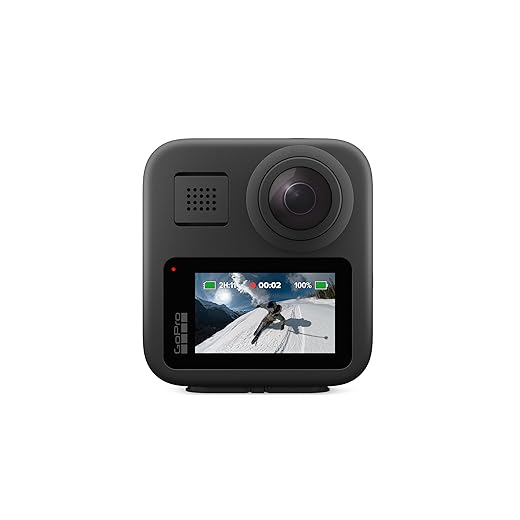
GoPro MAX — 360 Camera and HERO Hybrid
We found the spherical capture liberating for capturing everything around you and reframing later into conventional shots. The stitching and Max HyperSmooth produce stable immersive footage that’s great for creative travel edits and third-person perspectives.
What makes it different
We view this as a hybrid: a 360 camera that can act as a traditional action cam. For travelers who want to "shoot everything and decide later," the spherical capture is a workflow game-changer. You can record an entire scene and then reframe the clip into multiple final angles without missing a moment.
Key capabilities
How we use it on trips
We like using it for viewpoints where you can’t always re-position the camera — cliffside overlooks, group shots, and crowded festivals — because it captures the whole environment. The invisible selfie-stick trick produces shots that look like a second camera was present, which is useful for solo travelers wanting third-person perspectives.
Limitations and audience
If your priority is minimal weight and plug-and-play single-lens footage, it’s heavier and more complex than a standard HERO. But for creators who value reframing, creative edits, and 360-specific storytelling, it’s one of the more approachable options in the market.
Insta360 ONE X2 — Compact 360 Travel Camera
We found the camera punches above its weight for portable 360 capture: waterproof build, FlowState stabilization, and strong software-driven editing make it a go-anywhere creative tool. It’s ideal for social-first travel shooters who want instant reframing options.
Small camera, big possibilities
We like this model for its "shoot first, decide later" workflow. It’s small enough to carry everywhere, waterproof without a case, and the app makes reframing and creating shareable clips quick and painless.
Useful features
Day-to-day usage and value
For travelers who want to capture everything without a heavy kit, this camera shines. We use it for crowded events and landscapes where you can’t always predict the best angle — capture once and extract many angles in the edit. The app-driven templates and AI edits are particularly useful if you’re producing social clips on the fly.
Points to watch
Editing high-resolution 360 files can be storage-heavy and occasionally the camera will shut off unexpectedly during long takes on some units, so we recommend short clips, fast cards, and carrying spare battery or a power bank for extended shoots.
Insta360 GO 3S — Tiny 4K Hands-Free POV Camera
We appreciate the tiny form factor and the Action Pod’s long battery life for extended hands-free capture. It’s a creative tool for vloggers and travelers who prioritize portability and novel mounting options over full-sized sensor performance.
A tiny camera for unique angles
We see this as a creativity-extending tool rather than a one-for-one replacement for full-size action cameras. Its small weight and magnetic mounts let you film from places you wouldn’t mount a larger camera — dog collars, bike spokes, or clothing — which yields fresh POV content.
Practical highlights
How we use it on adventures
For quick social clips, pet POVs, or unobtrusive helmet mounts, the camera excels. The auto-editing and gesture/voice controls reduce the friction of on-the-go shooting: start, stop, and export without diving into manual settings. That makes it ideal for creators who prioritize spontaneity and minimal carry.
Trade-offs and expectations
Don’t expect the dynamic range or low-light performance of cameras with larger sensors; the compromises are the trade for size and convenience. For the right use cases — hands-free POVs and rapid sharing — it’s one of the most compelling tiny cameras on the market.
AKASO Brave 7 LE — Budget-Friendly 4K Action Camera
We think it’s a compelling value for entry-level users who need waterproof capability, dual screens, and basic stabilization on a budget. Image quality and audio don’t match flagship models, but the included accessories and price make it a sensible travel companion for casual use.
Where it fits in a travel kit
We consider this an excellent first action camera for people who want waterproof capture, dual screens, and a decent feature set without spending much. It’s particularly attractive if you’re buying accessories alongside the camera because many are included in the box.
Features that matter for travelers
Day-to-day usability and realistic expectations
For snorkeling, family trips, and casual vlogging, it delivers usable footage and the convenience of extra batteries and mounts. However, in low light or when pushing for cinematic grades, sensor limitations are obvious: images can be grainy and contrast handling is weak compared with premium models. Audio can be inconsistent, so we recommend using an external microphone or post-processing audio when possible.
Final trade-offs
You won’t get flagship image fidelity, but for the price it’s hard to beat for beginners or travelers who need a rugged, ready-to-use kit. If you need consistently high image quality or plan to do professional post production, this is a stopgap rather than a long-term primary camera.
Final Thoughts
Our top pick for most travelers is the HERO12 Black. It balances image quality, HyperSmooth stabilization, and ruggedness better than anything else right now. The improved sensor and HDR video give you more usable clips in bright and mixed-light scenes, and GoPro’s ecosystem — mounts, mobile app, and cloud workflow — makes it fast to back up, edit, and share footage on the road. Choose the HERO12 if you want a dependable, out-of-the-box tool for hiking, snorkeling, biking, and vlogging that minimizes fiddly postwork.
If your priority is creative reframing, immersive footage, or working in low light, we recommend the Insta360 ONE RS 1-Inch 360. Its dual 1-inch Leica-tuned sensors deliver superior dynamic range and low-light performance for 360 capture, which lets you reframe shots into conventional angles or make immersive virtual tours. Expect a bit more editing work and a different workflow, but the payoff is flexibility you can’t get from a single-lens action camera — browse our Top Picks.
Frequently asked questions
How did we pick these action cameras for travel and adventure options?
We shortlist models that balance performance, reliability, and value for typical buyers—not just the highest spec sheet. Hands-on notes, owner feedback, and return/warranty policies all feed the ranking.
Which action cameras for travel and adventure pick is best for most people?
Start with our top overall choice if you want the safest balance of price and features. Move up or down the list only when a specific need—budget, ecosystem, or a must-have feature—clearly applies to you.
Do prices on this action cameras for travel and adventure list change often?
Yes. Retailers run frequent promos, so use the live price buttons on this page and compare shipping and return windows before checkout—the best deal is not always the lowest sticker price.
Should I buy the cheapest action cameras for travel and adventure on the list?
Only if the trade-offs fit your use case. The budget pick can be excellent value, but check what you give up in build quality, software support, or key features you will use every week.
What if none of these action cameras for travel and adventure picks fit?
Use the comparison and guide links on this page to narrow by size, platform, or feature, then revisit the list with your must-haves written down—forcing a mismatch creates more returns than savings.
How often is this action cameras for travel and adventure roundup updated?
We refresh rankings when major models launch or pricing shifts enough to change the value story. Check the publish date at the top and compare current specs if you are reading months later.

Princess Rioboca is the Lead Editorial Writer at Option Cutter, bringing over seven years of hands-on experience in consumer technology journalism. Specializing in home networking and smart home architecture, she transforms complex technical data into practical, real-world upgrades. Princess personally tests and audits every product she reviews—evaluating real-world Wi‑Fi throughput, cable management durability, and streaming ecosystem stability—to filter out spec-sheet noise. Her rigorous, field-tested insights are designed to give readers transparent, unbiased buying advice on what to purchase, what to skip, and exactly why.