

Why a Travel Tech Kit Still Matters
We outline how to pick a travel tech kit that balances reliability, weight, and ecosystem compatibility, focusing on user experience, design choices, and long‑term value. We explain market changes and why smarter gear saves time, space, and stress everywhere.
What you'll need

Audit Your Travel Needs
Do you really need a laptop? Spoiler: most trips don't — and that's liberating.Audit your travel habits. We map trip length, on-the-road working needs, and which devices actually drive our workflow to avoid aspirational packing.
Tally the essentials and runtimes:
Consider ecosystem lock‑in. Apple‑centric kits behave differently from Google/Android setups; dongles and charger choices shift. Favor gear that reduces weight and failure points — multiport chargers, a compact laptop, or a rugged high‑capacity power bank — because practical choices beat trendy extras.

Choose the Right Power Setup
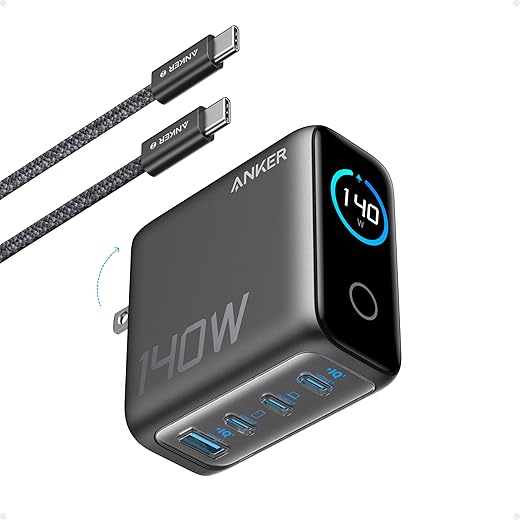
Why a tiny power brick can save us time, space, and patience — and when to bring the big guns.Choose high-watt GaN chargers to replace bulky bricks. We pick 65W–100W, multiport units so a laptop and phone charge fast together; that reduces adapters and bag bulk.
Prioritize USB‑C PD because it’s universal across modern phones, laptops, and hubs. We still carry a short Lightning or proprietary barrel cable if our old laptop or camera demands it.
Account for airline rules and capacity: keep high-capacity power banks in carry‑on only, and size banks to match recharge cycles rather than raw mAh. We prefer high‑output, fast‑charging banks over heavier, slow 20,000 mAh units.
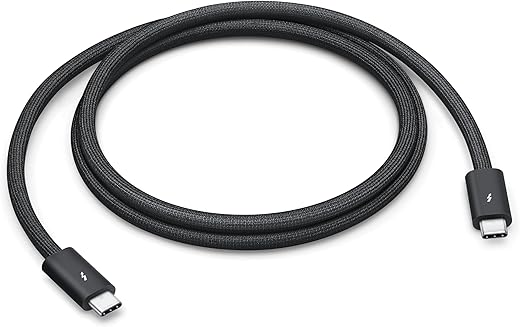
Pick durable braided cables and short lengths for portability. Check region adapters and surge-protecting travel plugs to avoid fried chargers in unstable grids.

Pick Compact, Durable Gear
Small doesn’t mean flimsy — here’s how we choose gear that survives baggage bins and rainstorms.Favor items that minimize bulk while maximizing resilience. We choose solid materials, splash resistance, and integrated cable management so gear survives transit without growing the load.
Insist on hard‑shell travel cases, padded laptop sleeves, and weather‑resistant camera pouches — for example, a slim hard case for batteries and a cushioned sleeve for a 13‑inch laptop. Prefer modular systems (stackable organizers or snap‑together battery packs) so we reconfigure the kit for a weekend vs. a work trip.
Look for design details that matter in daily use: zippers that glide, standardized attachment points, and clearly labeled compartments. Value brands with cross‑device tooling and replaceable parts; a repairable charger or swappable cable lowers long‑term cost.
Test these features before buying: try zipper action, fit items into organizers, and verify warranty/repair policies.

Streamline Cables and Connectors
Why cable chaos ruins trips — and the surprisingly simple fixes we swear by.Standardize on USB‑C PD for power and USB‑C or Lightning for data so one charger and a few cables cover most devices. We do this because universal PD speeds charging, shrinks our kit, and avoids airport outlet fights.
Carry short, high‑quality braided cables (30–50 cm) for everyday use and one or two longer 1.8–2 m cables for desk work. Pack a compact multiport hub for older hotel TVs or shared workstations, and skip bulky docks unless your workflow demands them.
Label cables with colored tape or heat‑shrink and keep a spare critical cable or adapter in a separate pocket to hedge against loss.

Prioritize Connectivity and Security
VPNs, eSIMs, and secure backups — is our kit keeping data safe on the road?Choose eSIM plans for flexibility, local SIMs for cost, or a portable hotspot when multiple devices need reliable data. We check carrier bands and regional restrictions before buying an unlocked phone or activating an eSIM—what works in Europe or Japan may not in parts of Asia or the US.
Enable full‑disk encryption and strong passcodes on every device, and turn on Find My / device‑tracking tools so theft doesn’t become identity theft. Use a travel VPN (WireGuard or reputable commercial options) for public Wi‑Fi and prefer apps that integrate well with your ecosystem.

Test, Iterate, and Pack Light
We try before we fly — the best kits were born from messy trial runs and ruthless edits.Assemble the kit and run a real or simulated trip to find friction points: pack, weigh, and use everything for a day.
Pack and time charging, photo import, and device pairing so we catch overheating bricks, adapter conflicts, or awkward cable lengths before we leave.
Swap and iterate based on what fails. Replace a bulky laptop charger with a 65–100W GaN multiport, trade multiple dongles for a single USB‑C hub, or move to a two-cable photo workflow to shave ounces.
Test software flows—automatic backups, VPN reconnection, and cross-device sync—because design isn’t just physical; a slow backup or flaky VPN ruins a day.

Pack Confidently
We build kits around needs, not trends, auditing use, prioritizing power, durability, connectivity, and testing to create lean, resilient setups that fit evolving ecosystems; try this method, share your kit, and help refine our recommendations.

Chris is the founder and lead editor of OptionCutter LLC, where he oversees in-depth buying guides, product reviews, and comparison content designed to help readers make informed purchasing decisions. His editorial approach centers on structured research, real-world use cases, performance benchmarks, and transparent evaluation criteria rather than surface-level summaries. Through OptionCutter’s blog content, he focuses on breaking down complex product categories into clear recommendations, practical advice, and decision frameworks that prioritize accuracy, usability, and long-term value for shoppers.