

Why picking the right earbuds matters for commuting
We cut through marketing hype to show which noise-isolating earbuds actually make daily travel quieter, more comfortable, and more reliable. This guide focuses on commuter realities — bustle, short listening sessions, and juggling devices — so you can choose confidently.
What we'll need

Top Wireless Earbuds: The Best Picks for Noise Cancellation
Step 1 — Map your commute and priorities
Do you battle subway rumbles or just want to block chatty coworkers? Different commutes demand different trade-offs.Map your commute and priorities before you start comparing specs. We clarify what “noise‑isolating” must do for us so we don’t pay for features we won’t use.
Describe the sound environments you face: subway rumble, bus engine drone, crowded trains with voices, or noisy sidewalks. Note typical trip length — short hops favor passive isolation, longer rides may justify ANC. Record whether we need to hear announcements or street traffic, and how often we take calls.
Make a quick checklist of priorities and constraints:
Weigh seal-first solutions against ANC: a good physical fit often blocks mid/high frequencies best and needs no battery, while ANC helps low hums but can add hiss or alter timbre. By mapping our commute and user habits before comparing features, we avoid overpaying for ANC when a better seal and noise‑isolating tips would do more for our daily experience.
Step 2 — Nail the fit and seal (it’s the real game-changer)
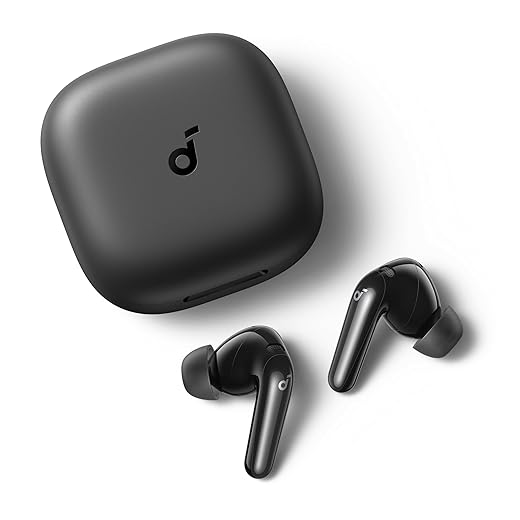
A perfect seal is worth more than fancy codecs — seriously, why nobody loves ill-fitting earbuds?Prioritize fit and tip selection — this is where most candidates fail. We spend more time on ergonomics than specs because a good seal gives isolation, punchy bass, and comfort for repeated short hops.
Try multiple tip materials: silicone for predictable fit and clarity; memory‑foam for expanding seals and superior passive isolation. Insert earbuds, play a familiar track, then perform a quick hand‑cup test: cover the earbuds with your palms. A clear jump in bass and a quieter background means a good seal.
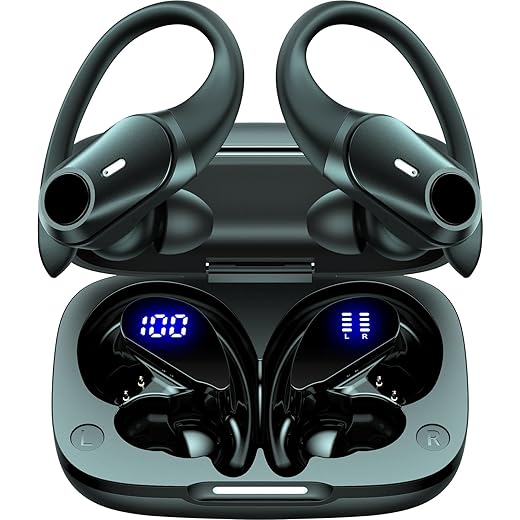
Wear them for 15–30 minutes to spot pressure hotspots — commuting sessions are short, so short‑burst comfort matters more than marathon comfort. Move around: shrug, walk briskly, mimic stairs. If earbuds shift, switch to winged or form‑fitting designs; cyclists should prioritize stability over minimal profile.
Check tip ecosystem and extras. Look for:
Brands that bundle quality foam or allow aftermarket tips let us tune isolation more effectively than chasing another driver spec.
Step 3 — Weigh isolation vs ANC and sound signature
Which silences the subway better: a deep seal or expensive ANC? The answer may surprise you.Compare passive isolation and ANC in real use. A solid physical seal reduces mid and high‑frequency noise (voices, brakes) better than many entry‑level ANC units, which mainly fight low‑frequency hum. If your commute is dominated by steady drone (air‑conditioned trains), ANC helps — but cheap ANC can add hiss and flatten detail.
Listen critically for how earbuds handle speech and announcements. If a bassy seal buries voices, that’s a safety issue; if ANC smooths rumble but smears consonants, that’s a clarity problem. Test with real content: a podcast, a bassy track, and a voice call.
Important things to check:
We test with our own playlists, podcasts, and a few call scenarios to judge how isolation and ANC affect both music and speech.

Step 4 — Choose for real-world usability and ecosystem fit
Battery, controls, and pairing: will these earbuds behave across our devices or constantly irritate us?Evaluate battery life against your commute patterns: does the case provide quick top‑ups for multiple short outings, or only a single full charge?
Prioritize fast‑charge features over headline longevity if you hop on and off trains; a 10–15 minute boost that gives an hour of use beats 30 hours you rarely get to use.
Choose controls that work in real conditions; test physical buttons with gloves and touch gestures through a jacket pocket to see what reduces fiddling.
Test microphones on busy streets and in buses; prefer multi‑mic beamforming and wind‑reduction so calls don’t sound distant or blown out.
Use multipoint pairing to switch between phone, tablet, and laptop without re‑pairing — essential for hybrid commuters who answer work calls on the road.
Check the companion app for stable EQ, ANC tuning, and a record of meaningful firmware updates; favor brands that fixed issues, not just pushed cosmetic features.
Inspect accessories and case size: look for washable tips, replaceable cables, and a compact case that actually fits our pockets.
Step 5 — Assess durability, support, and value
Is this brand going to stand behind the product, or will we be hunting replacements next year?Evaluate long-term ownership factors before you buy. Commuting exposes earbuds to sweat, rain, and drops, so durability and after‑sale care shape the real cost of ownership more than headline specs.
Check these practical things first:
Decide where to buy: manufacturer direct often gives better warranty options; retailers make returns simpler. Prioritize real-world resiliency and proven post‑sale support over press release features.

Wrap-up: Pick for the commute, not the brochure
We recommend weighing commute noise type, prioritizing fit and passive isolation, then layering ANC, usability, and support; the best commuter earbuds balance comfort, reliable isolation, and ecosystem longevity—because real-world performance beats spec sheets. Which trade-offs are worth it for us?

Chris is the founder and lead editor of OptionCutter LLC, where he oversees in-depth buying guides, product reviews, and comparison content designed to help readers make informed purchasing decisions. His editorial approach centers on structured research, real-world use cases, performance benchmarks, and transparent evaluation criteria rather than surface-level summaries. Through OptionCutter’s blog content, he focuses on breaking down complex product categories into clear recommendations, practical advice, and decision frameworks that prioritize accuracy, usability, and long-term value for shoppers.