Why built‑in VPN routers matter now
We cut through hype to show how built‑in VPN routers shape real-world security, UX, and ecosystem fit, so we can weigh performance tradeoffs, firmware choices, and provider compatibility fast—helping us pick devices that actually work in our how-to guide in today’s tangled market.
What we'll need
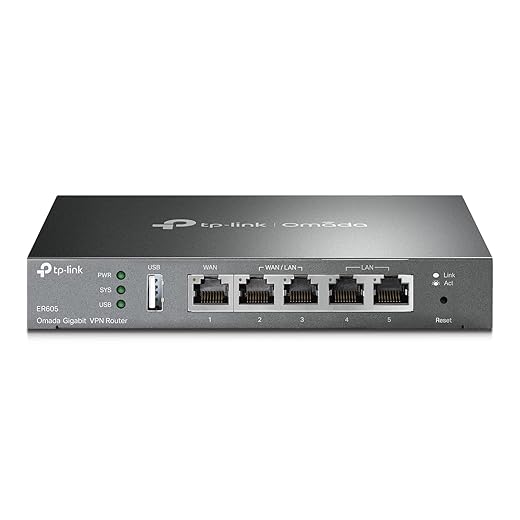
Secure Your Home Wi‑Fi: The Best VPN for Your Router
Step 1 — Map needs and real use cases
Do we need enterprise‑grade encryption or a little more privacy for streaming? Sketch the network first to avoid gadget envy.Map our real‑world needs before getting dazzled by specs. Identify who uses the network, what apps are latency‑sensitive (gaming, video calls), and whether we need site‑to‑site tunnels or per‑device privacy. That focus keeps us from buying routers that only shine on paper.
List the concrete things to decide now
Sketch a simple network diagram and prioritize latency‑sensitive segments to prototype real throughput and management flows.

Step 2 — Match protocols, firmware, and provider compatibility
WireGuard or OpenVPN? Native clients beat passthroughs — why provider compatibility and firmware choice will decide our experience.Verify protocol support first: we prefer routers that natively run WireGuard and OpenVPN. WireGuard gives better throughput and a smaller attack surface; OpenVPN still has the widest provider footprint. Make sure the router accepts key/config imports and exposes both client and server modes.
Assess firmware support package tradeoffs: stock firmware with a polished UI reduces misconfiguration risk and is friendlier for non‑experts. If we need advanced routing, consider OpenWrt or Asuswrt‑Merlin—they unlock features and tuning but demand technical comfort and can affect warranty or vendor support.
Check ecosystem fit: prefer vendors with cloud management, reliable companion apps, or official partnerships with providers (one‑click setup is a real time‑saver). For example, some routers import provider configs automatically; others need manual edits.
Test real‑world compatibility: import our provider configs, connect multiple devices, and run throughput and stability tests under load. Note that budget routers may cap VPN throughput (e.g., 20–100 Mbps) while prosumer models sustain hundreds of Mbps and multiple encrypted streams.

Step 3 — Benchmark VPN performance realistically
Benchmarks beat brochure specs — who cares about peak Wi‑Fi if encrypted throughput chokes under load?Measure performance, not marketing numbers. We prioritize measured throughput over headline specs: look for multicore ARM CPUs, ≥512 MB RAM, and AES‑NI or hardware crypto when listed, but assume vendor throughput claims are WAN→LAN without encryption.
Run real tests in this order: baseline LAN iperf, WAN speedtest to your ISP, then VPN tests using your provider’s configs for WireGuard and OpenVPN. Simulate mixed loads—three 4k streams, a background cloud backup, and a gaming session—and log latency, jitter, and CPU utilization during each run.
Use tools and examples: iperf3 for throughput, speedtest or fast.com for ISP checks, and ping/plot for jitter. Watch thermal sensors; throttling kills VPN speed over long transfers.
We favor midrange prosumer gear in 2026: it delivers the best price‑to‑throughput for encrypted traffic. Prioritize routers with transparent monitoring and per‑device controls so you can triage latency‑sensitive devices on the fly.
Step 4 — Evaluate security posture and update practices
A router that says 'VPN' isn't automatically private — do they ship signed firmware and a kill switch, or just marketing?Scrutinize cryptographic defaults, update cadence, and fail‑safe behavior; these are the features that keep VPNs effective over time. Inspect whether the router supports signed firmware images, automatic updates or prompt security alerts, and publishes a visible changelog so we can verify fixes.
When testing, check these items
Change default admin passwords, verify default ports, and prefer vendors with predictable, documented security practices.

Step 5 — Prioritize UX, management, and support; run a hands‑on shortlist
If setup takes hours, we return it — rapid onboarding and transparent cloud choices beat shiny feature lists.Evaluate daily experience: setup, configuration, ongoing management, and vendor support — these determine whether we’ll actually keep the VPN enabled.
Choose routers that get us online in under 20 minutes with a guided setup, sensible defaults for privacy, and a companion app that helps import VPN profiles and explains tradeoffs in plain language.
Expect the management UI to balance simplicity and granular controls; we avoid models with endless toggles or ones that force CLI or third‑party firmware for basic tasks. Verify remote management, cloud features, and parental controls all offer clear, user‑friendly opt‑outs for telemetry and account lock‑in.
Check warranty terms, support responsiveness, and community engagement — these matter when firmware breaks or vulnerabilities appear. We prefer vendors who publish changelogs, a firmware roadmap, and sell replaceable parts.
Run hands‑on checklist on two shortlisted models
Before final purchase we shortlist two models and run a hands‑on checklist: firmware update, VPN client import, speed tests, per‑device QoS, and security audit. We document results and pick the device that balances performance, long‑term support, and seamless integration into our existing home ecosystem. We also factor in spare parts availability, firmware roadmap clarity, and realistic return windows.
Make the call with evidence
Weigh speed, security, platform support and manageability against real‑world tests and ecosystem fit; hands‑on benchmarking reveals tradeoffs that matter today. Try our checklist, pick the best‑balanced router, then tell us your results and context so others benefit from your experience.
Frequently asked questions
What should I prepare before I choose a router with built-in vpn support?
Start with the checklist in the “What we’ll need” section above—measure your space, confirm compatibility with your gear, and read the full walkthrough once before you change settings or buy parts. Router with built-in vpn support goes faster when prep is done upfront.
How long does it take to choose a router with built-in vpn support?
Most readers finish in about 30–90 minutes if they already have the right parts, but budget extra time for measurements, firmware updates, or a second pass when something does not behave the way the manual suggests on the first try.
What is the hardest part when you choose a router with built-in vpn support?
The step that trips people up is usually alignment or configuration—getting measurements, cable routing, or software settings right before you commit. If results still look off, re-check the basics in order instead of swapping hardware immediately.
What mistakes should I avoid when I choose a router with built-in vpn support?
Skipping measurements, ignoring ventilation or port limits, and rushing the final test are the common failures. Photograph your starting setup, label cables, and verify the outcome with the same content or workflow you will use every day—not a one-off demo.
When should I call a pro instead of trying to choose a router with built-in vpn support myself?
Bring in help when the job needs structural work, licensed wiring, or tools you do not own, or when repeated attempts still fail after you have followed the troubleshooting section. A short paid visit can cost less than replacing gear you damaged by forcing the install.

Princess Rioboca is the Lead Editorial Writer at Option Cutter, bringing over seven years of hands-on experience in consumer technology journalism. Specializing in home networking and smart home architecture, she transforms complex technical data into practical, real-world upgrades. Princess personally tests and audits every product she reviews—evaluating real-world Wi‑Fi throughput, cable management durability, and streaming ecosystem stability—to filter out spec-sheet noise. Her rigorous, field-tested insights are designed to give readers transparent, unbiased buying advice on what to purchase, what to skip, and exactly why.