Why 4K Front and Rear Dash Cams Matter Now
We cut through pixel hype to show why 4k front-and-rear dash cams now matter: improved evidence, clearer license-plate capture, and better low-light detail—if the design, power reliability, and smart ecosystem actually make them usable day-to-day in real cars right now.
What You Need Before Buying

Start with Use Case & Priorities
Do you need 4K both front and rear — or are you chasing specs over clarity?Define why we want 4k resolution. Are we trying to capture license plates with a dash cam at 70 mph, log long highway drives in crisp detail, or secure our car overnight? Be specific—each goal drives different trade-offs.
List your top priorities, then rank them in our guide so we can compare meaningful metrics rather than marketing claims.
For example: if we value round-the-clock parking mode over ultra-high bitrate, we’ll favor efficient codecs and smart parking sensors instead of raw 4kids entertainment. Rank needs before shopping.

Decode the Tech: Sensors, Bitrate, and Codecs
More megapixels don’t equal better footage — here’s what actually does.Understand imaging specs: prefer larger sensors and backside‑illuminated (BSI) sensor designs over raw megapixels to get usable low‑light detail.
Watch bitrate and motion: prioritize sustained bitrate over headline resolution—4K30 at a low bitrate will look worse in highway scenes than a well‑encoded 1080p feed.
Choose codecs smartly: use H.265/HEVC to keep 4K files manageable, but verify our playback and editing chain supports it.
Imagine catching a dusk lane change; demand effective dynamic range or HDR on dash cams so headlights don’t blow out plates in shadow.
Look for these practical markers
Design & Installation: The UX That Shapes Everyday Use
Because a fiddly install or clunky app will kill good footage.Evaluate form factor and finish. We pick discreet, heat‑tolerant housings that tuck a dash cam behind the rearview mirror to reduce theft and sun exposure; durable plastics and vented designs resist warping in hot cars.
Route cables deliberately and choose rear‑camera method. We prefer a hardwired rear camera for stable, uncompressed footage and consistent power; run the cable along the headliner and A‑pillar for a clean install. Use wireless only when concealment or DIY simplicity outweighs occasional dropouts and compression.
Focus on day‑to‑day UX. We pick cams with reliable apps, fast Wi‑Fi pairing, and simple clip retrieval in our reviews/export. Test touch controls and button layouts for one‑hand use while parked.
Power, Heat, and Reliability: Avoid Failures in the Real World
The best camera is useless if it dies on hot days or drains your battery.Assess power first: choose between hardwiring, a battery pack, or a capacitor based on parking‑mode needs. Hardwire with a low‑voltage cutoff for long parking surveillance; avoid small lithium packs that heat and degrade quickly; prefer supercapacitors if you want better high‑temperature resilience and short graceful shutdowns.
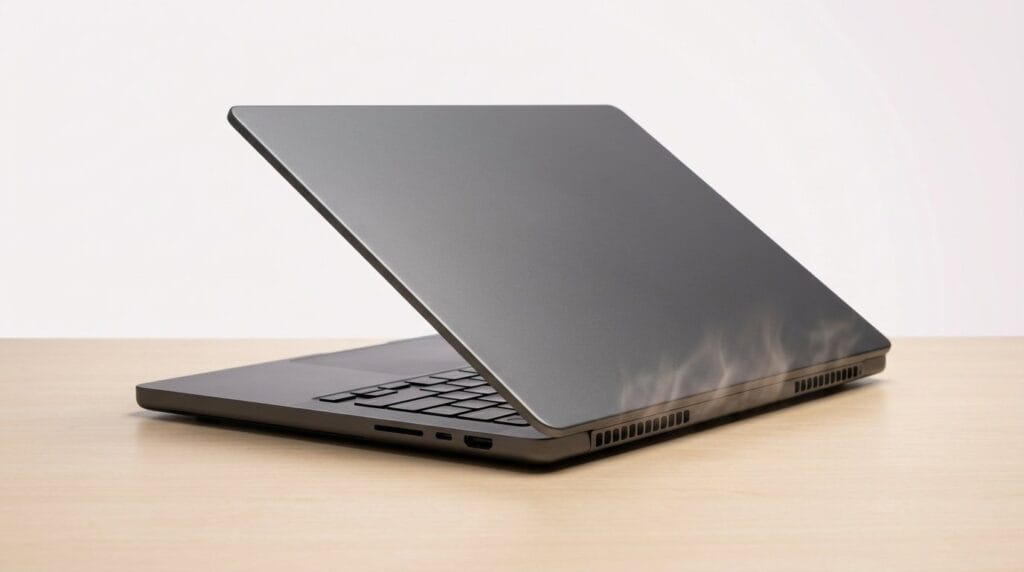
Manage heat proactively: favor metal bodies, visible heat sinks, and vendors that publish operating‑temperature specs. We’ve seen cheap 4K units throttle or stop after a single hot day—don’t buy a model that lacks thermal testing or user reports from hot climates.
Verify overwrite logic and file integrity: require atomic file writes, clip finalization on power loss, and robust corruption recovery. Demand clear firmware‑update policies, timely fixes, and at least a two‑year warranty.
What to check before buying
Ecosystem & Smart Features: More Than Just Recording
Cloud backups, ADAS, or companion apps — which actually add value?Compare vendor ecosystems first: cloud backup, automatic incident upload, GPS tagging, and fleet management can save time for businesses but usually cost extra. We’ve seen companies charge monthly fees that quickly eclipse hardware value.
Treat ADAS and alert features as bonuses, not safety replacements. We’ve watched lane‑departure and forward‑collision warnings produce false alarms in construction zones—use them as aids, not crutches.
Prefer cameras with polished phone apps, over‑the‑air firmware, and accessory support (GPS modules, CPL filters). We value OTA fixes and a good app because they keep devices current and make evidence retrieval painless.
Weigh recurring costs and privacy implications carefully. If you need remote access after theft, pay for cloud; if you worry about location logging, opt for local‑only storage or choose vendors with clear data policies.
Storage, Security, and Legal Considerations
You don’t want your crash footage corrupted, exposed, or inadmissible.Choose high‑endurance microSD cards. We avoid A1/A2 marketing — pick endurance‑rated UHS‑I U3/V30 or industrial cards built for constant 4K writes.
Size storage for bitrate and retention. At a combined 4K front+rear bitrate of ~50–80 Mbps expect roughly 22–36 GB per hour; plan 128–512 GB cards based on how long you want footage before overwrite.
Understand loop recording and protections. Configure cyclic overwrite, enable automatic event locking, and practise exporting protected clips so you don’t lose key evidence.
Enable encryption and vendor security for cloud backups. Verify who owns data, how easily we can export raw files, and whether the vendor can access footage.
Verify admissibility metadata. Preserve accurate timestamps, GPS tracks, and original files to maintain chain‑of‑custody.
Bringing It Together
We balance 4K image quality, dependable power and thermal design, and seamless ecosystem fit so the camera supports our real driving needs; choosing one that prioritizes reliability, usable footage, and workflow integration matters — which option truly earns its place?
Frequently asked questions
What should I prepare before I choose a dash cam with 4k front and rear recording?
Start with the checklist in the “What we’ll need” section above—measure your space, confirm compatibility with your gear, and read the full walkthrough once before you change settings or buy parts. Dash cam with 4k front and rear recording goes faster when prep is done upfront.
How long does it take to choose a dash cam with 4k front and rear recording?
Most readers finish in about 30–90 minutes if they already have the right parts, but budget extra time for measurements, firmware updates, or a second pass when something does not behave the way the manual suggests on the first try.
What is the hardest part when you choose a dash cam with 4k front and rear recording?
The step that trips people up is usually alignment or configuration—getting measurements, cable routing, or software settings right before you commit. If results still look off, re-check the basics in order instead of swapping hardware immediately.
What mistakes should I avoid when I choose a dash cam with 4k front and rear recording?
Skipping measurements, ignoring ventilation or port limits, and rushing the final test are the common failures. Photograph your starting setup, label cables, and verify the outcome with the same content or workflow you will use every day—not a one-off demo.
When should I call a pro instead of trying to choose a dash cam with 4k front and rear recording myself?
Bring in help when the job needs structural work, licensed wiring, or tools you do not own, or when repeated attempts still fail after you have followed the troubleshooting section. A short paid visit can cost less than replacing gear you damaged by forcing the install.

Princess Rioboca is the Lead Editorial Writer at Option Cutter, bringing over seven years of hands-on experience in consumer technology journalism. Specializing in home networking and smart home architecture, she transforms complex technical data into practical, real-world upgrades. Princess personally tests and audits every product she reviews—evaluating real-world Wi‑Fi throughput, cable management durability, and streaming ecosystem stability—to filter out spec-sheet noise. Her rigorous, field-tested insights are designed to give readers transparent, unbiased buying advice on what to purchase, what to skip, and exactly why.