Why 4K Buffering Feels Worse — And How We Fix It
We show why 4k streaming exposes weak links in home networks, devices, and services, why that matters for UX and design, and how to stop stalls with practical, measurable fixes that respect quality, compatibility, and ecosystem tradeoffs without compromise today — browse our how-to guides.
What You’ll Need

Diagnose the Problem: Is It Network, Device, or Service?
Is our streaming hiccup a fragile router, an underpowered streamer, or a platform pushing too many bits?Run a speed test on the TV or streaming device first. Open Fast.com or the Speedtest app on the device (or on a laptop wired to the same router) and note download Mbps — 4k resolution.
Check latency and packet loss next. Ping a stable host (8.8.8.8) from a laptop on the same Wi‑Fi or use your router’s diagnostics. Look for latency <30 ms and near‑zero packet loss; jitter and loss cause stalls even with high raw throughput.
Compare playback across services and resolutions. Play the same clip at 1080p and 4K on Netflix, YouTube, and another app. Note which service stalls first and whether lowering resolution fixes it immediately.
Consider how services differ. Netflix uses Open Connect caches; YouTube uses multiple CDNs and varies by ISP. Adaptive bitrate (ABR) and CDN choice change buffering behavior.
Inspect the device. Check for HEVC/VP9 hardware decoding and proper DRM (Widevine L1/PlayReady). Many low‑cost sticks lack these, causing buffering despite good bandwidth.
The goal here is to produce clear evidence (speed numbers, latency, and service-specific behavior) so our fixes target the real bottleneck and not symptoms.

Fix the Last Mile: Prioritize the TV on Your Network
Why we should treat the living room like the VIP lane — does QoS actually save 4K?Plug in Ethernet whenever possible. Wired connections cut latency and interference so adaptive 4kids entertainment. If you can run a cable or use a short powerline adapter, do it.
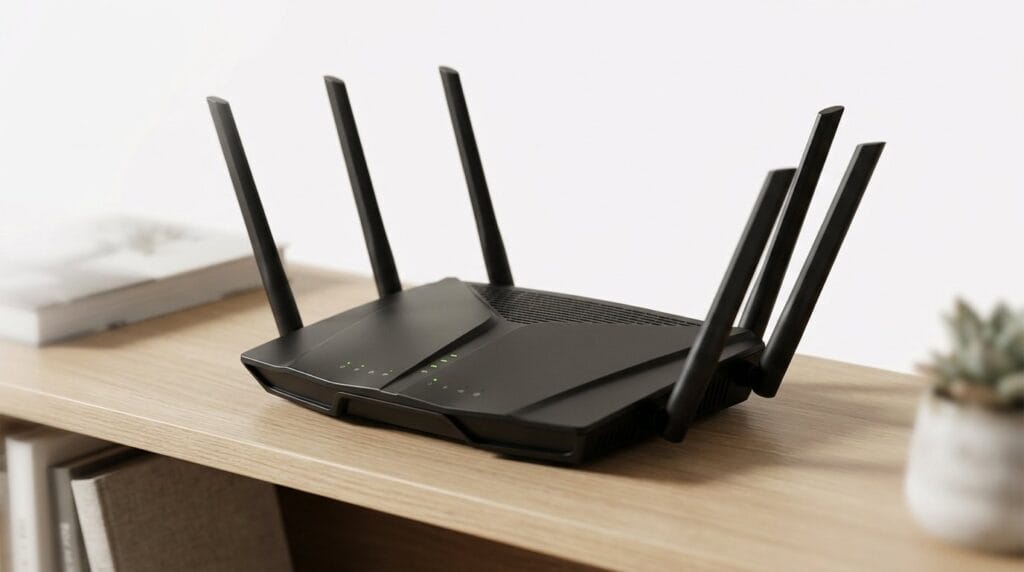
Optimize Wi‑Fi if cabling isn’t feasible. Move the router for line‑of‑sight to the TV area, prefer 5 GHz for less congestion, and pick a clear channel away from neighbors. Test before and after to prove the gain.
Enable QoS or simple device prioritization. On modern consumer routers, tag the TV or streamer for high priority instead of fiddling with complex rules; this keeps 4K smooth when phones or downloads spike. We’ve seen basic priority settings fix mid‑evening buffering in busy homes.
Choose mesh carefully. Prefer wired backhaul or a tri‑band mesh for true 4K assurance; wireless backhaul can halve throughput or increase latency and undo your gains.
Call your ISP with data when congestion looks systemic. Bring DNS/ping logs, speed tests from the TV, time stamps, and wired vs Wi‑Fi comparisons so they can trace contention or peering issues.

Tune the Streaming Device: Settings, Codecs, and Power
Could a hidden setting or a cheap chip be sabotaging our 4K nights?Update the device and apps first. We check firmware and app updates because missing codec or DRM updates force the player into slow software decoding — for example, an older TV that can’t do HEVC or AV1 will CPU‑throttle during 4K HDR scenes and buffer.
Prefer native apps on the TV or a dedicated streamer instead of casting or AirPlay. We explain why: casting adds another device in the chain and often lowers resolution or introduces packet jitter. Run Netflix/Prime/YouTube on the TV or an Apple TV/Roku/Nvidia Shield for the cleanest path.
Enable hardware acceleration where available. We open app or system playback settings and turn on hardware decoding so HEVC/AV1 offloads to the SoC. This reduces CPU spikes and stabilizes adaptive‑bitrate behavior.
Clear, reset, or reinstall misbehaving apps. We remove cached manifests and stalled ABR profiles that cause repeated rebuffering — on Samsung, LG, or Android TVs just delete the app and reinstall.
Consider a hardware upgrade when tweaks don’t help. We recommend a modern 4K streamer (Ethernet, HEVC/AV1 support, HDMI 2.0/2.1) over wrestling marginal built‑in software for the best UX.

Work with the Service: Adjust Quality and Use Offline Options
When should we blame the streaming platform — and when should we play it smarter?Reduce the target resolution or bitrate in the app. Dropping from native 4K to a lower profile often removes stalls without a visible hit on modern TVs that do good upscaling. Set playback to 1080p / Standard / Medium if buffering persists.
Clear app data and force a fresh manifest. Delete cached settings or reinstall the app so the player fetches a new adaptive‑bitrate profile. Toggle Autoplay off — it can trigger pre‑buffering behavior that confuses ABR algorithms.
Check service status and in‑app alerts. Visit provider status pages, Twitter, or the app’s notifications to spot CDN or server problems before we chase local fixes. Some providers will flag regional congestion; others hide it behind high‑bitrate pushes.
Download high‑quality offline copies when possible. Choose the app’s “best” download quality and fetch shows on Wi‑Fi ahead of time — Netflix and Prime Video offer offline downloads on supported titles/devices, which sidestep live CDN variability and DRM-limited streams.
Choose platforms with the right tradeoffs. Some services prioritize consistent playback; others push aggressive bitrates for peak quality. Know each service’s behavior so we pick the most reliable UX, not just the highest headline bitrate.

Long-Term: Upgrade Strategy and Ecosystem Choices
Is it time to rework our whole setup — or just make targeted, smart upgrades?Plan long-term upgrades around reliability, not peak bitrate. Prioritize router and mesh hardware with stable, regularly updated firmware and support for wired backhaul so our TVs aren’t fighting wireless hops.
Choose streamers that support modern codecs (AV1, HEVC) and the DRM profiles your services require (Widevine L1, PlayReady, FairPlay). Pick devices that get security and player updates often so adaptive‑bitrate logic keeps pace with provider changes.
Evaluate ISPs by consistency, not just headline speed. Ask about upstream peering and CDN performance in your region — a 500 Mbps line still buffers badly if the ISP’s path to Netflix/Hulu is congested during prime time.
Pick an ecosystem that matches our priorities:
Monitor proactively: log speeds and buffer events monthly, and run simple A/B tests after firmware or app updates (revert if playback worsens). These small routines prevent surprises and keep 4K buttery over time.

Make 4K Reliable — Not Just Fast
We’ve turned buffering into a repeatable flow — diagnose, fix the last mile, tune devices, work with services, plan upgrades — so 4K feels reliable across ecosystems. Try these steps, report your results, and help shape streaming experiences for everyone.
Frequently asked questions
What should I prepare before I fix buffering on 4k streaming services?
Start with the checklist in the “What we’ll need” section above—measure your space, confirm compatibility with your gear, and read the full walkthrough once before you change settings or buy parts. Buffering on 4k streaming services goes faster when prep is done upfront.
How long does it take to fix buffering on 4k streaming services?
Most readers finish in about 30–90 minutes if they already have the right parts, but budget extra time for measurements, firmware updates, or a second pass when something does not behave the way the manual suggests on the first try.
What is the hardest part when you fix buffering on 4k streaming services?
The step that trips people up is usually alignment or configuration—getting measurements, cable routing, or software settings right before you commit. If results still look off, re-check the basics in order instead of swapping hardware immediately.
What mistakes should I avoid when I fix buffering on 4k streaming services?
Skipping measurements, ignoring ventilation or port limits, and rushing the final test are the common failures. Photograph your starting setup, label cables, and verify the outcome with the same content or workflow you will use every day—not a one-off demo.
When should I call a pro instead of trying to fix buffering on 4k streaming services myself?
Bring in help when the job needs structural work, licensed wiring, or tools you do not own, or when repeated attempts still fail after you have followed the troubleshooting section. A short paid visit can cost less than replacing gear you damaged by forcing the install.

Princess Rioboca is the Lead Editorial Writer at Option Cutter, bringing over seven years of hands-on experience in consumer technology journalism. Specializing in home networking and smart home architecture, she transforms complex technical data into practical, real-world upgrades. Princess personally tests and audits every product she reviews—evaluating real-world Wi‑Fi throughput, cable management durability, and streaming ecosystem stability—to filter out spec-sheet noise. Her rigorous, field-tested insights are designed to give readers transparent, unbiased buying advice on what to purchase, what to skip, and exactly why.