A 55″ cockpit for PC and console — jaw‑dropping immersion, fiddly setup, and a price to match.
Ever squinted at a 27-inch monitor and thought, “There has to be more room for tabs, timelines, and gaming explosions?” We have — and that itch is exactly what the Samsung Odyssey Ark aims to scratch. With a TV-sized 55″ 1000R curve and a gamer-grade 4k. It’s a bold answer to a common pain point: juggling multiple displays, consoles, and video calls while trying to feel present in a game or focused on creative work.
On paper the Ark reads like a do-it-all flagship: Quantum Mini‑LED contrast, a Neural Quantum upscaler, four-input Multi View with KVM, and built-in 2.2.2 dolby. In practice, we’re interested less in the raw specs and more in how the whole package changes daily workflows. The curvature and high refresh rate redefine immersion and visual continuity compared with ultrawides or stacked monitors, while the One Connect/OS ecosystem can either streamline multi‑system setups or add annoying friction. In today’s market — where people choose between multi-monitor productivity rigs and single giant panels — the Ark matters because it leans hard into a unified, cockpit-like experience, for better and for more complicated.
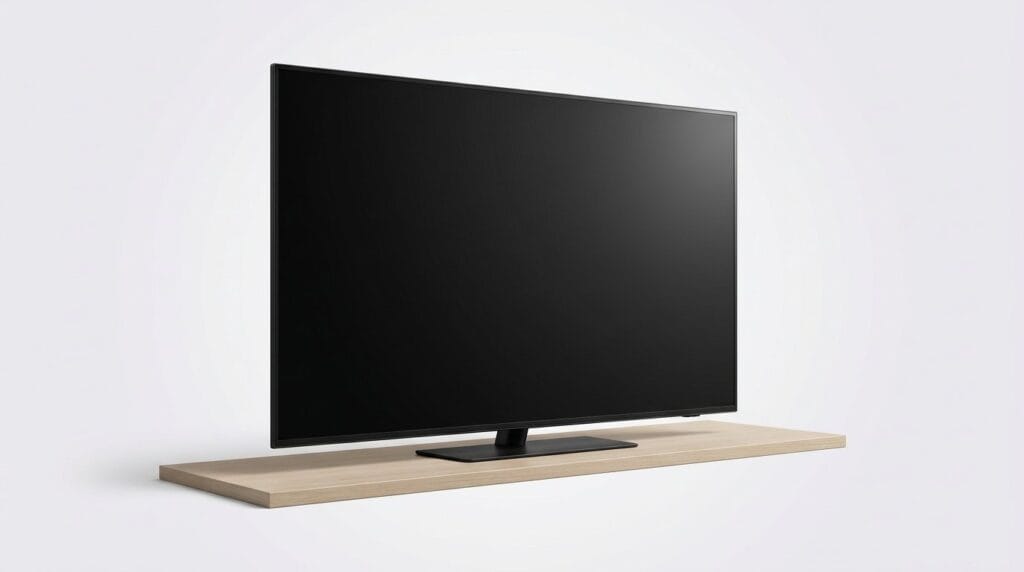
Samsung Odyssey Ark 55" 4K 165Hz Curved Monitor

We see this as a niche flagship that turns a desk into a cockpit: it’s built for players and creators who want a single, enormous, hyper-capable display. The Ark rewards space, patience, and a willingness to wrestle with setup; in return you get class-leading immersion and a unique multi-input workflow.
Overview
We approached the Samsung 55″ Odyssey Ark 2nd Gen as a statement product: it isn’t trying to be the smallest, cheapest, or simplest display. Instead it aims to redefine what a single monitor can be by combining an aggressively curved 55″ 1000R panel, 4k resolution fidelity, high refresh, and a raft of software features that treat the screen as a central hub. In practice that means a lot of immersive gaming, a ton of connectivity options, and a new approach to multi-device workflows.
Design and physical presence
The Ark’s physicality is the story here. This is a heavy, sculptural piece of hardware with a dense footprint and a solid, weighty base. The design language favors function over subtlety: the curvature is unapologetically aggressive, the stand supports rotation into a cockpit orientation, and the Eclipse Lighting adds ambiance more than ergonomics.
Why it matters: the 1000R arc is tuned to match the approximate curvature of our eyes for a truly enveloping center field; that matters for racing, flight sims, and any title where peripheral immersion translates directly to presence.


Display technology and image quality
Samsung mixes Quantum Dot color with a Quantum Mini‑LED backlight and an AI-powered Neural Quantum Processor. The net result is excellent peak brightness, deep perceived contrast, and bright, saturated colors when HDR content calls for it. HDR10+ support and a quoted 1,000,000:1 dynamic contrast are more about scene-level tone-mapping than absolute static contrast, but in practical gaming and movie playback the Ark brings detail out of high-contrast scenes that lesser screens can’t.
On the downside, Mini‑LED still shows bloom around very bright highlights on dark backgrounds if you’re watching in a dim room and the camera’s not centered. That said, compared to most large LCDs this panel keeps blooming under control while staying safe OLED burn-in concerns.
Gaming performance and latency
Gaming is where the Ark mostly shines. The combination of up to 165Hz refresh, 1ms response claim, and AMD FreeSync Premium Pro keeps motion smooth and minimizes judder and tearing when paired with a capable GPU. In single-player targets and competitive titles we saw very responsive control and clear motion clarity at 120–165Hz depending on source and mode.
| Metric | What to expect |
|---|---|
| Refresh rate | Up to 165Hz native (external inputs may be limited in some Multi View modes) |
| Response time | 1ms (GTG, manufacturer claim; perceptible performance varies by settings) |
| VRR | AMD FreeSync Premium Pro supported |
Practical note: When you activate Multi View with multiple active inputs, the monitor limits some outputs to 120Hz and certain smart features to preserve stability. We recommend disabling Multi View for pure competitive play if you need maximum refresh for a single source.
Multi View, KVM, and cockpit rotation
Where the Ark departs other flagship gaming monitors is in workflow integration. The Multi View lets you tile up to four separate inputs simultaneously and the KVM functionality lets a single mouse and keyboard traverse those inputs as if they were windows on your desktop. The cockpit rotate is a quirky but useful feature—flip the panel into a vertical or near-vertical stance for cockpit-mode experiences or some streaming/monitor setups.
Why it matters: For streamers, content creators, or multi-PC players the Ark genuinely reduces desktop clutter. Instead of an array of smaller monitors, you can arrange consoles, a PC, and game-streaming input on one surface and switch control instantly.


Audio, smart features, and ecosystem
Samsung’s Sound Dome technology is implemented here with corner-firing speakers and dual woofers that together produce a claimed 2.2.2 60W output. In practice the audio is louder and fuller than typical monitor speakers and it benefits spatial enhancements like AI Sound Booster and Dolby Atmos virtualization. It won’t replace a dedicated soundbar or desktop speaker system for audiophiles, but it’s a rare built-in system that we found usable for games and video without immediate speaker upgrades.
The Smart Hub and onboard apps make the Ark more TV-like. That’s a plus if you want streaming services or game hubs directly on the screen, but it also introduces complexity and occasional app/region limitations. Some users report One Connect box quirks or firmware and support issues; our takeaway is to treat the Ark as a blended device — TV + monitor — and expect the combined strengths and headaches of both.
Connectivity and ports
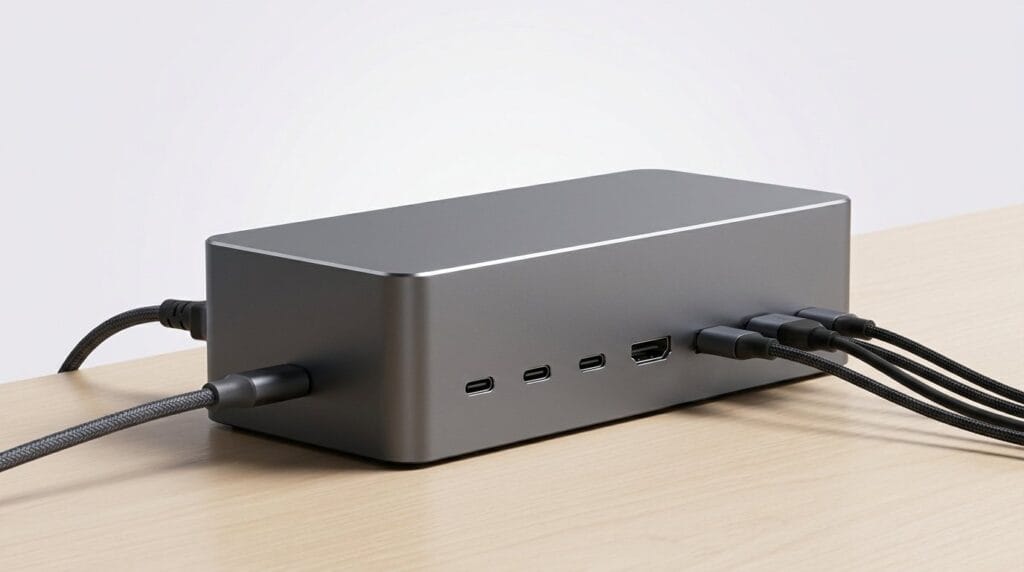
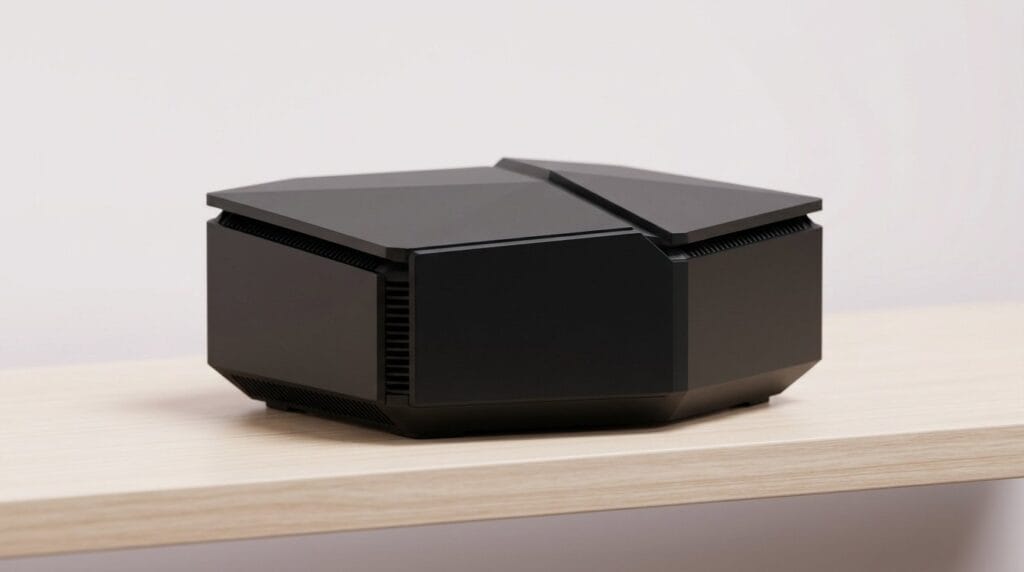
The Ark ships with a modern collection of inputs including multiple HDMI, the new DisplayPort 1.4 support, upstream USB for KVM functionality, and dedicated USB ports. The One Connect approach centralizes cables — useful for cleaner routing — but also means that One Connect problems can be more disruptive than a standard port layout.
Setup, ergonomics, and real-world caveats
The Ark is heavy, and installation is a two‑person job in most cases. The base is dense and the whole assembly can stress many desks and monitor arms. If you plan to mount it or move it often, budget for professional assistance or at least an extra pair of hands.
Practical tips
Competitive context and who should buy it
This is not a safe upgrade for everyone. Compared to ultra-wide OLED or smaller high-refresh monitors, the Ark trades portability and simplicity for scale and multi-input flexibility. If you operate multiple machines, host frequent couch/console gaming sessions, or prioritize immersive sim setups, this monitor is one of the most interesting options on the market. If you live in a compact apartment, work primarily at a desk that can’t support the weight or you need a simple plug-and-play monitor, a 32″–34″ high-refresh option or an OLED TV might be a smarter fit.
Final thoughts
We came away impressed by what Samsung set out to build: an all-in-one, cockpit-style monitor that collapses multiple devices and workflows into a single, immersive surface. It asks for commitment — space, budget, and willingness to live with a complex smart feature set — but rewards those who answer the call with scale, connectivity, and a gaming-first performance profile.
FAQ
Is the Ark better than a multi-monitor PC setup for productivity?
For many workflows the Ark can replace a 2–3 monitor array by using its Multi View and window-sizing features; we found it especially useful for tasks that benefit large contiguous screen real estate like video editing, streaming dashboards, or simultaneous chat and gameplay. That said, pixel density and window management behave differently than physically separate screens, so if you rely heavily on discrete-monitor workflows (different color calibrations, separate stand positions) you may still prefer multiple monitors.
Do you need a powerful GPU to make the most of 165Hz at 4K?
Yes. Running modern AAA titles at native 4K and 165Hz requires a very capable GPU. Many players will target 120Hz or lower with high settings, or use upscaling technologies (like FSR/RTX DLSS) to hit higher frame rates. For competitive esports you can also reduce resolution or detail to maximize refresh.
How much desk space and support does the Ark require?
Plan for a large, sturdy desk and two people for installation. The combined weight of screen and base is significant, and the deep curvature requires extra desk depth. If you’re considering a monitor arm, verify weight and VESA compatibility first; many off-the-shelf arms won’t be suitable without professional-grade mounting.
Is the Ark a TV or a monitor — do I lose PC features?
It’s both. Samsung positions it as a hybrid: it offers TV-like smart features and streaming alongside monitor-grade inputs and low-latency modes. Some smart hub features may be region-limited and certain multi-input modes restrict refresh rates; for pure, uncompromised PC gaming we recommend disabling multi-input tiling and using a single high-performance input.
How does the Ark handle HDR and blooming compared to OLED?
The Mini‑LED local dimming and HDR10+ processing deliver bright highlights and strong perceived contrast without OLED’s burn-in risk. However, you will still see haloing or bloom around small bright objects on very dark backgrounds in certain scenes — less than many standard LCDs, but more than a perfect OLED black level.
Are built-in speakers good enough, or should I get a speaker system?
The Ark’s 60W 2.2.2 audio is surprisingly capable and fine for casual gaming or watching shows. For music production, audiophile listening, or more nuanced sound design you’ll still want a dedicated speaker setup or soundbar. The integrated system is convenient, not definitive.
What are the biggest setup pitfalls to avoid?
Don’t underestimate the physical size and weight — plan logistics before delivery. Keep your One Connect and firmware up to date and prepare for occasional OS quirks. If you rely on full refresh-rate VRR during multi-input tiling, check the manual: some Multi View modes limit output to 120Hz or disable certain software features.
Should streamers and content creators consider the Ark?

Ayesha Aftab is Option Cutter's product review editor. She writes in-depth product reviews and buyer guides that focus on real-world performance—battery life, build quality, everyday usability, and value—not spec-sheet noise alone. Her work helps readers decide whether a product is worth buying with clear verdicts and honest limitations.