

Why TV sound so often disappoints
We expect TVs to be all-in-one. We want brilliant pictures and room-filling sound from a single box. In reality manufacturers chase thinner screens, higher-resolution panels, and smart features. Audio gets squeezed by shallow cabinets, tiny drivers, and product roadmaps that favor looks and ecosystem hooks over fidelity.
That mismatch matters. It leaves us with hollow dialogue, weak bass, and poor placement for real rooms. It also shapes the market: soundbars, smart speakers, and AV receivers fill gaps TV makers ignore. In this article we explain how design choices, mechanical limits, software tricks, and connectivity shape sound — and show practical ways to fix it and how to pick solutions that last through future upgrades.


What televisions are optimized for — and why audio loses out
The spec race favors pixels over speakers
We watch manufacturers duke it out on two fronts: picture specs (OLED vs. QLED, peak nits, color volume) and platform hooks (WebOS, Google TV, gaming-focused HDMI 2.1). Those numbers translate easily to marketing copy and showroom demos. Sound, by contrast, resists a one-number headline: frequency response, distortion, and room coupling aren’t as punchy on a spec sheet, so speakers become a checkbox rather than a selling point.
Margins, design cues, and retail positioning
Economics drives choices. Slim panels and glossy glass sell; larger internal enclosures that can hold proper drivers add cost and weight. Audio components are low-margin and easily outsourced, while display panels and chips are where brands differentiate and protect margins. Retail spaces amplify that: stores tune demos for picture and use compressed, reverberant floors where dialogue clarity won’t expose a TV’s weak midrange.
Why apples-to-apples audio comparisons are rare
Unlike refresh rate or resolution, there’s no universal, consumer-friendly audio score for TVs. Brands might tout “Dolby Atmos-compatible” or “AI sound upmixing,” but seldom publish frequency graphs or THD numbers. Listening tests are room-dependent, and small driver size means speaker placement and cabinet volume matter far more than a marketing label.
Quick, practical takeaways we can act on now
These product and market incentives explain why manufacturers deprioritize sound — and why external audio solutions are now a standard part of the living-room stack.
The mechanical limits: thin panels, cramped cabinets, and compromised drivers
Why thin equals quiet
We’ve all been wowed by a 2024 flagship that’s thinner than a magazine — until we turn on the volume. Slim panels force designers to reduce cabinet depth and driver mounting area. Low frequencies need air to move; without internal volume, there’s nowhere for that air to resonate. That’s why even expensive OLEDs with pristine images often deliver bass that’s tight, thin, and easily overwhelmed by room reflections.
Driver size, excursion, and enclosure matter
Two physical facts determine perceived loudness and warmth:
Compact TVs cram tiny full-range drivers into shallow spaces, which raises distortion at moderate volumes. Even TVs that add a downward-firing woofer (some Samsung and Sony models) still struggle because their “sub” has neither the cone area nor the enclosure to produce true low-end authority.
Why slotted soundbars built into a TV can’t replace speakers
Manufacturers sometimes weave thin soundbars or slots into the bezel. They improve clarity at low volumes and look neat, but these are compromises — shallow drivers, constrained baffles, and plastic vibration paths. An integrated slotted array can simulate wider staging, but it can’t create the pressure or extension of a separate speaker or an actual enclosure.
Practical checks we can do in-store or at home
Understanding these physical trade-offs helps explain why audio often trails picture — and sets us up to evaluate the DSP and upmixing tricks TV makers use next.
Software and signal processing: clever fixes that don’t replace hardware
What TV DSP is trying to buy you
TV makers have learned a simple truth: most customers judge sound by drama and presence, not fidelity. So manufacturers layer on EQ, loudness algorithms, dialogue enhancers, virtual surround, and lately “AI” upmixers that promise cinematic audio from two tiny drivers. These features can make a demo clip jump out in a showroom — and they sell TVs — but they’re often cosmetic. They change the signal to mask what the speakers can’t physically do.
Equalization, loudness, and the pumping trap
Boosting bass or treble with EQ gives an instant sense of fullness, but without real bass-moving hardware, the result is artificial. Aggressive low‑end boosts trigger limiters and multiband compression; you get that audible “pumping” where bass swells and then chokes back. Similarly, loudness (or “night” modes) compress dynamic range to keep dialog audible at low volumes, but that flattens transients and causes listening fatigue over a long movie.
Virtual surround and AI upmixing: clever illusions
Stereo-to‑surround upmixers and HRTF-based virtualization create an illusion of width and height by manipulating timing and phase. Up close — on a couch three feet away — those phase tricks unravel: center imaging blurs, and off‑axis artifacts become obvious. Some TVs tout Atmos or DTS:X upmixing; it’s useful for casual viewing, but don’t expect the same spatial solidity as a true multichannel speaker layout.
Practical fixes we can try right now
These software tricks matter — they can improve everyday listening — but they’re workarounds. Next, we’ll look at how port choices and ecosystem quirks affect whether those better signals make it out of the TV and into proper speakers.
Ecosystems, ports, and the compatibility mess
Ports and what they actually carry
We often expect a cable to be a cable, but HDMI ARC, eARC, and optical each tell a different story. eARC has the bandwidth to pass Dolby Atmos and lossless multichannel PCM; ARC and optical do not. That means a Sonos Arc or Samsung HW‑Q soundbar will deliver Atmos only when the TV and HDMI port actually support eARC — otherwise the signal gets downmixed or re‑encoded. Practical takeaway: don’t assume the HDMI jack on the back of your TV will do eARC-level passthrough.
Wireless and codec chaos
Bluetooth is convenient, not audophile-grade. Most TVs use SBC or AAC for streaming, which crushes dynamic range and adds latency — killing lip‑sync and game feel. High‑quality codecs like aptX or LDAC are rare in TVs. Proprietary wireless links (soundbar dongles, manufacturer‑specific protocols) can give low‑latency stereo or simulated surround, but lock you into the brand and can break when you swap TVs.
Platform partnerships and feature politics
Manufacturers pick platform partners — Roku, Google TV, Samsung Tizen — and those choices shape what codecs and streaming apps are prioritized. Streaming services also gate certain formats (e.g., lossless Dolby content may only pass through on certain apps or external players). That’s why an Apple TV 4K or a PS5 as a source often beats using the TV’s built‑in app for high‑quality audio: sources implement codecs differently, and sometimes bypass the TV’s weak audio pipeline.
Quick checks and pragmatic fixes
We can try these steps today to reduce the guessing game between TV, app, and speaker — and avoid buying gear that can’t talk to one another.
The room and the human factor: placement, expectations, and use cases
Room acoustics and placement matter more than specs
We can stare at driver sizes and wattage all day, but what actually reaches our ears is the room. Hard floors, bare walls, and an LG OLED pushed against the entertainment center will produce slapback and brittle highs; a carpeted, couch‑backed living room will tame reflections and make dialogue intelligible even from tiny speakers. Small changes — pulling the TV a few inches off the wall, angling a soundbar up toward ear level, or adding a rug behind the seating area — often outperform another spec bump.
We tailor sound to use case
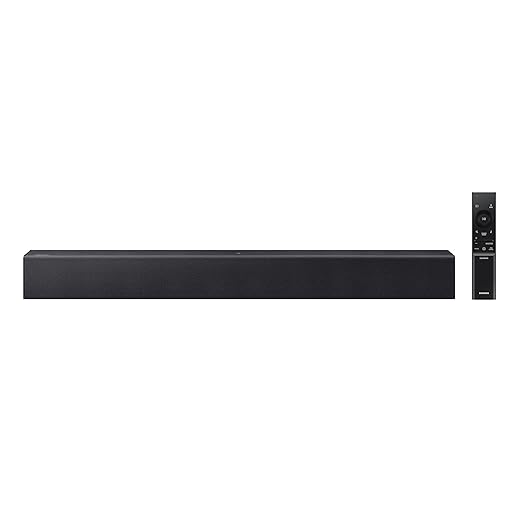
Our tolerance for thin TV speakers is largely about how we use the room. If we mainly watch sitcoms with the family, sub‑100W TV speakers can be “good enough.” If we host movie nights or play competitive games, we want depth, latency control, and a convincing center image. That’s why many of us upgrade to a Beam‑class soundbar or a compact AVR with small satellites — they’re about matching the speaker system to the way the room is used, not chasing headline SPL numbers.
Everyday annoyances that push us upstream
Three complaints send most people to the audio aisle: dialogue that disappears under effects, commercials that blast louder than shows, and late‑night scenes that lose bass detail. We’ve solved these with simple tools: enable “night mode” or dynamic range compression for late‑night listening, prioritize center‑channel clarity on multi‑speaker setups, and move critical listening positions so reflections don’t mask speech.
Practical, immediate steps
These are quick wins in the living room; next, we’ll look at specific upgrade paths and how to future‑proof audio choices for new TVs and ecosystems.
Practical fixes: how to upgrade, work around, and future-proof your living room sound
A quick, pragmatic decision framework
We don’t need audiophile budgets to fix the biggest problems. Start by matching the fix to how you use the room: casual TV/dialogue → compact soundbar or smart speaker; movies/gaming → soundbar with sub or a small AVR + speakers; multiroom music and flexible expansion → modular wireless ecosystem. Think in terms of user experience: setup friction, daily control (voice/app/TV remote), and whether you want to grow later.
The realistic options (what we’d actually buy)

What to check when buying a new TV
A simple upgrade roadmap
Start small (soundbar), verify eARC/CEC, then add a powered sub or wireless rears from the same brand. If you want absolute flexibility now, choose an AVR with room correction; it costs time but lets us swap speakers without replacing the hub. That modular mindset prevents repeating the “weak TV audio” mistake and sets us up to scale.
Next, we’ll wrap up what this all means for achieving a better‑sounding living room.
A better-sounding living room is within reach
We’ve shown why TV audio is the weakest link: manufacturers prioritize sleek design, limited enclosure volume, and messy ecosystem choices, so software band‑aids and tiny drivers can’t replace proper speakers. That matters because everyday viewing—dialog, music, action—suffers predictably. The good news: fixes are practical; you don’t need to be an audiophile — pick priorities and match them to your room.
Checklist: 1) Accept: TV only if you mostly watch daytime TV. 2) Compact upgrade: soundbar or powered stereo for dialog and bass. 3) Invest: AVR+speakers for immersive home theater. Decide by space, budget, and ecosystem fit.

Chris is the founder and lead editor of OptionCutter LLC, where he oversees in-depth buying guides, product reviews, and comparison content designed to help readers make informed purchasing decisions. His editorial approach centers on structured research, real-world use cases, performance benchmarks, and transparent evaluation criteria rather than surface-level summaries. Through OptionCutter’s blog content, he focuses on breaking down complex product categories into clear recommendations, practical advice, and decision frameworks that prioritize accuracy, usability, and long-term value for shoppers.