

Why renters should care about their lighting choice
We start with a blunt fact: over half of American households rent, and most landlords forbid permanent rewiring. So when we want smarter lighting, we must choose between making the bulb smart or the wall switch smart. We argue for most renters, smart bulbs are the better default. They’re non‑invasive, portable, and instantly useful without permission or tools.
This isn’t just convenience theater. Choosing the right approach affects daily control, aesthetic fit with fixtures, long‑term portability, and how deeply we get locked into a single platform. Later we’ll weigh setup friction versus whole‑house control, vendor lock‑in risks, cost for short stays, and the real cases where a smart switch still makes sense.



Installation, reversibility, and landlord considerations
Simple, non‑destructive installs: bulbs and plug‑in lamps
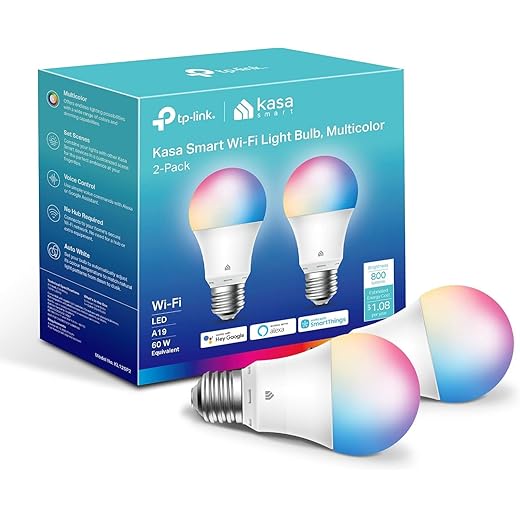
For most renters the question is practical: will this require tools, holes, or a landlord sign‑off? Smart bulbs and plug‑in smart lamps win on that front—screw in a bulb or plug in a lamp and you’re done. Bulbs like Philips Hue or budget Wi‑Fi options give instant dimming, color, and schedules without touching wiring.
Battery‑ or USB‑powered lamps and smart plugs are useful when fixtures are hardwired or controlled by odd switches. A table lamp on a smart plug plus a smart bulb is often the fastest, fully reversible setup.
When switches come into play (and the neutral‑wire problem)
Many smart switches require a neutral wire and a junction‑box install—work best for owners, not renters. There are exceptions: Lutron Caseta works without a neutral and uses a proprietary bridge, so some landlords permit it if an electrician installs it. If you’re considering a switch:
Safety, compliance, and landlord dynamics
Always choose UL/ETL‑listed gear and avoid DIY rewiring that violates code or lease terms. Building type matters: single‑family rentals and newer complexes are more flexible than co‑ops, historic apartments, or dorms with strict alteration rules.
Practical tips for renters
Reversibility isn’t just about avoiding fines—it preserves portability, landlord relationships, and our ability to iterate as platforms change.
Design, aesthetics, and fixture compatibility
Why bulbs give us design freedom
Lighting is as much about atmosphere as it is about wattage. Smart bulbs let us pick form factor (A19, A15, candle, globe), color temperature (2700K to 6500K), and CRI (80 vs. 90+) to match a fixture’s intent. A living‑room pendant looks richer with a 3000K, CRI90 bulb; a bathroom mirror benefits from daylight‑balanced 4000K with high CRI. Specialty brands like Soraa Radiant and Philips Hue White Ambiance show how different LEDs can change skin tones and material warmth—critical in rentals where the fixtures are fixed but the bulbs aren’t.
Compatibility headaches to watch for
Not every bulb plays nicely with every fixture or dimmer. Practical pitfalls we see:
When a switch keeps the look clean
A wall switch can hide tech from sight—no visible bulbs, no smart bridges on shelves—which matters in design‑forward apartments. A recessed dimmer or Caséta in‑wall module preserves clean fixtures and central control without altering pendant silhouettes.
Quick, actionable checks
Next, we’ll look at daily user experience—how control, convenience, and fallback behavior differ between bulbs and switches.
Daily user experience: control, convenience, and fallback behavior
Responsiveness and control paths
Living with smart bulbs or switches comes down to how reliably things respond. Local control (Hue Bridge, Lutron Caséta) feels instant; cloud‑only setups add seconds and fragility. For example, Hue on its Bridge or LIFX on Wi‑Fi usually react in <250 ms; some bargain bulbs route every command through a vendor server and can lag or fail when the internet dies. Our rule: prefer products that support local routines and voice control to avoid daily flakiness.
Physical‑switch friction and power‑restore behavior
A recurring annoyance: roommates or guests flip the wall switch and cut power to smart bulbs. That breaks automations and creates angry calls at 10 p.m. Test a bulb’s power‑restore setting before you buy—Philips Hue lets you choose last‑on, default color, or off; many cheaper bulbs don’t. Practical fixes: leave the switch on and add a physical smart button (Lutron Pico), fit a switch guard, or use a smart switch on circuits you truly want centralized control over.
Scenes, automations, and multi‑user ergonomics
Per‑fixture control wins in small rentals: we can set a dim, warm reading light at the bed while keeping the room’s overhead bright—all without re‑wiring. Scenes and automations are easier to build with bulbs that report state locally. Share control by inviting household accounts (Hue, Google Home, Alexa) and assign routines rather than sharing primary credentials. Quick tips:
Ecosystem integration, platform portability, and vendor lock‑in
Protocols and hubs — what matters
Smart homes are ecosystems: Wi‑Fi, Zigbee, Thread, and now Matter are the rails that decide who plays well together. We look for bulbs that either run reliably on Wi‑Fi (LIFX) or on mesh protocols (Philips Hue, IKEA TRÅDFRI, Nanoleaf Essentials) that can live behind a bridge. Thread-enabled devices (Eve, Nanoleaf) are attractive because they’re low‑latency and energy efficient, and Matter promises to make those devices speak across Apple, Google, and Amazon.
Portability when we move
Bulbs are personal gear: we pack them, reset them, and recreate scenes in the new place. Switches aren’t portable — they’re wired into someone else’s house. If you’re renting, that difference is huge when moving day arrives.

Cloud vs local control and firmware realities
We prioritize devices with local control or documented local APIs. Cloud‑only gear can vanish with a subscription or a company outage; firmware updates can change behavior overnight. Matter shifts the balance by encouraging local, cross‑vendor interoperability, reducing the chance that a single vendor’s cloud decides our lights’ fate.
Actionable tips
We use these rules to keep our setup flexible, minimize lock‑in, and ensure our lighting survives moves and vendor reshuffles.
Cost, value, and upgrade paths for short‑term residents
Upfront math: bulbs win the trial
Money matters when we move often. A pair of smart A19 bulbs (LIFX, Wyze, or Sengled) typically runs $30–$50 each; a modest smart switch (Kasa, Leviton) is $40–$80 plus, potentially, an electrician’s hourly rate if the wiring or a neutral is wonky. Bridges (Hue Bridge ~ $60) add cost but make multi‑bulb rooms more manageable. For a renter hesitant to ask permission, the lower upfront and no‑hard‑wiring bills make bulbs the painless trial.

Energy and the real ROI
LED smart bulbs draw 8–10W and save a lot versus incandescent, but energy payback on the smart features themselves is slow. We don’t recommend buying smart lighting solely for electricity savings; think of energy benefits as a small bonus. The true ROI is convenience and portability: bulbs you can pack and resell recoup value faster than a switch that stays behind.
Upgrade path and practical strategy
Start small: buy two bulbs for your main room, test scenes and schedules, then expand by room. Keep receipts, keep factory‑reset instructions, and label bulbs if you plan to leave some behind. If you end up staying longer, move to higher‑end bulbs (Hue, LIFX) or add a bridge for richer features.
When to invest more
If we expect to stay several years, a pro‑grade smart switch or a wired system (Lutron Caséta, Legrand) can be worth it for wall‑switch reliability and family‑wide control. Otherwise, bulbs are cheaper to adopt, easier to move with, and less entangled with landlord permissions — which, for us frequent movers, matters most.
Limitations and exceptions: when a smart switch makes more sense
We aren’t claiming smart bulbs are universal winners. Here are the clear-cut cases where an in‑wall switch is the better, sometimes necessary, choice — and pragmatic renter‑friendly workarounds.
Controlling outlets and fans
Bulbs don’t help when the wall control operates an outlet or a ceiling fan motor. Fans need purpose‑built fan controllers (Lutron Caséta fan control, Insteon FanLinc) for smooth speed steps and safe loads. Switches win on reliability and electrical compatibility.
Multi‑way switch setups
If two or three switches control one light, smart bulbs become finicky: someone can physically kill power and break the system. Smart multi‑way switches (Lutron Caséta with Pico companions, Leviton Decora multi‑location) preserve local control and expected behavior.
Whole‑house efficiency and scene cohesion
When a whole apartment should respond to one action (leave‑home scene, single physical “off”), in‑wall switches wired to a central system are more robust and quicker than dozens of individually polling bulbs. That local, low‑latency control matters for big scenes.
Integrated or non‑replaceable LEDs
Some modern fixtures have sealed LED modules or odd drivers that won’t accept smart bulbs. Replacing the driver or using a smart switch/dimmer is often the only practical route.
Accessibility and habit
For people who need tactile, obvious controls, a physical switch is non‑negotiable. Smart switches that keep a mechanical toggle or use remote paddles respect motor and cognitive needs.
Practical compromises
A practical buying and setup checklist for renters
We end the main body with a compact checklist we’d actually use when upgrading a rental. Think of it as a pre‑move inspection and a “take‑with‑you” playbook.
Verify fixture and lamp compatibility

Choose network: hubless Wi‑Fi vs mesh protocols
Look for Matter support to future‑proof
Test power‑restore and manual switch behavior
Mitigate accidental switch power‑offs
Prioritize reliable apps and local control
Inventory and migration plan
With this checklist in hand, we can move on to how we’d outfit a rental and why.
How we’d outfit a rental and why
We’d start with smart bulbs as our default: plug‑and‑play bulbs give fast wins—no landlord approval, full portability, and clear fallback to physical switches. They let us iterate per room, prioritize design and fixture compatibility, and choose platforms that favor interoperability (Matter, Zigbee, or Wi‑Fi bridges) so we avoid vendor lock‑in. Use smart bulbs for living rooms, bedrooms, and desk lamps; add battery or clip‑on sensors for automated scenes.
Reserve smart switches only for fixtures tied to multiple switches or when bulbs can’t match the desired aesthetic or lumen output. Start small, verify fallback behavior, and scale lighting upgrades over time—preserving flexibility, aesthetics, and control for renters. Try one room first. Then expand confidently.

Chris is the founder and lead editor of OptionCutter LLC, where he oversees in-depth buying guides, product reviews, and comparison content designed to help readers make informed purchasing decisions. His editorial approach centers on structured research, real-world use cases, performance benchmarks, and transparent evaluation criteria rather than surface-level summaries. Through OptionCutter’s blog content, he focuses on breaking down complex product categories into clear recommendations, practical advice, and decision frameworks that prioritize accuracy, usability, and long-term value for shoppers.