Why most of us end up with the wrong soundbar
We buy for specs and splashy features, not for how we actually watch TV. In the rush to chase Atmos, extra channels, and big headline wattage, we forget the room, viewing habits, and simple ergonomics that shape daily enjoyment. Showroom demos and marketing narratives make everything sound dramatic — until you get it home.
We’ll cut through the hype. We look at how voicing, placement, app ecosystems, and design trade-offs affect real-world sound. Our goal is practical: help you match a soundbar to your room, habits, and tech ecosystem so the thing you buy actually improves your living room for the long haul. We prioritize usable features over flashy specs.


Top 5 Soundbar Buying Mistakes—and How to Avoid Them
We confuse lifestyle with loudness: pick for use, not headline features
Match the bar to how we actually use the TV
Too often we buy a soundbar because it promises “big movie sound” or a headline format like Atmos. But our day-to-day needs are narrower. Here are the primary use cases and what truly matters for each:
Answering one simple question in our how-to guides — “What percent of our TV time is watching dialogue-heavy shows vs. movies or gaming?” — beats chasing specs.
Try these diagnostic questions to find our category
Room size and listening distance change the math
A huge multi-driver bar with a subwoofer can be transformative in a medium living room but overkill in a studio apartment. If our listening distance is under ~3.5 meters and the room is small, a small, well-voiced two-channel bar (think Sonos Beam-type ergonomics) will often deliver clearer dialogue and a cleaner stereo image than a bulky surround stack that collides with room modes.
Practical tips
We read specs, not acoustics: why real-world sound is about voicing and room interaction
Numbers are noisy proxies
Wattage, channel count, and a “20Hz–20kHz” frequency sheet are marketing shorthand on sound bars, not guaranteed sound. Two bars can both claim 300W yet sound completely different because manufacturers make deliberate voicing choices — emphasize midrange presence for clear dialogue, or boost bass for trailer-ready thump. Those choices tell you more about how a bar will behave in our living room than raw numbers.
Voicing, drivers, and cabinet behavior
Voicing is the tonal fingerprint on home theater audio. Driver size and placement determine imaging and where the sound focuses; a strong center driver helps dialogue, while wide-firing tweeters create perceived width. Cabinet resonance and poor bracing add coloration — rattles or a “boxy” midrange — that no spec sheet reveals. Put your hand on the enclosure during a loud passage: if it vibrates, that’s energy being colored, not reproduced cleanly.
Room acoustics and furniture matter more than you think
Walls, sofas, and windows create early reflections and bass peaks that change tonal balance in your listening space. A bar that’s brilliant in a showroom can be muffled at home because your TV cabinet or coffee table is redirecting midrange reflections into the listening seat.
Room correction: help vs. cover-up
Not all “auto-EQ” is equal. Systems that measure a room with a calibrated mic and apply targeted parametric or FIR filters genuinely tame peaks and smooth bass. Basic “adaptive volume” or single-band loudness modes mostly mask problems and can rob clarity. In practice, we toggle room correction and listen for restored dialogue detail and less boomy bass — those are the real benefits.
Quick checks we use (do these at home)
These simple tests reveal voicing and room interaction far better than any spec sheet — and set us up to decide in our product comparisons whether extra channels or Atmos are actually necessary.
We overspend on headline formats: when extra channels and Atmos aren’t worth it
What extra channels and upward-firing drivers actually give us
Object-based formats (dolby Atmos, DTS:X) on soundbars promise “sound everywhere” by steering sound to reflect off ceilings or by adding discrete height channels. In a controlled demo — high ceiling, carefully placed sofa, calibrated speakers — the effect can be striking: helicopters over the room, rain that feels overhead. But that demo is a best-case scenario, not our living room. Upward-firing drivers need the right ceiling height, hard surfaces, and an unobstructed path. Otherwise they give uneven imaging or nothing but confused reflections.
Why showroom magic fades at home
We’ve taken the same demo home: a wow moment in a store turns into vague top‑end shimmer above our heads or spotty panning that disappears when we stand up or move the lamp. Multi-unit setups (soundbar + wireless surrounds + sub) raise complexity: more pairing issues, firmware updates, and warranty claims — and a much bigger price jump than improving driver quality would achieve.
Alternatives that often deliver more value
Practical rules of thumb we use
Next, we’ll look at how industrial design and placement — where a bar lives in your room — often determine whether any of these features can actually perform.
We ignore design and placement: how industrial design shapes real usability
Form factor isn’t just aesthetics
A soundbar lives in our room. Low‑profile designs — think compact models like the Sonos Beam — tuck under wall‑mounted TVs and keep IR receivers and TV sensors visible. Taller “performance” bars look impressive on a stand, but they can block the TV’s IR eye, cover on‑screen menus, or force us to raise the TV. That’s not a style choice; it determines whether the bar interferes with everyday TV controls and the viewing angle.
Grilles, driver height, and high frequencies
Grille material and driver placement change perceived treble and clarity. Open-weave metal grilles preserve high frequencies better than thick foam or dense cloth, which can dull dialog. If we frequently watch news or sitcoms, small voicing differences become obvious after a week — so pay attention to how the bar’s face is built, not just its sheen.
Controls, LEDs, and remote ergonomics
Small buttons, loud LEDs, or a finicky remote turn a neat bar into an annoyance. We want
Installation friction and mounting realities
Check weight, included hardware, and VESA compatibility before buying. Heavy bars without sturdy mounts become shelf hogs; missing brackets mean more trips back to the store. If your setup needs wall mounting or precise alignment, an aftermarket mount can save hours.
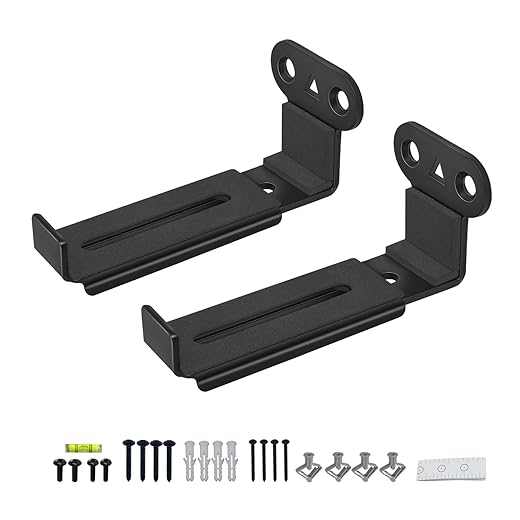
Quick practical checklist before checkout
These are design decisions that determine whether the soundbar integrates into our lives — or into a drawer.
We neglect the ecosystem: apps, updates, voice assistants, and multiroom fit
The app is the remote — and the soundbar’s personality
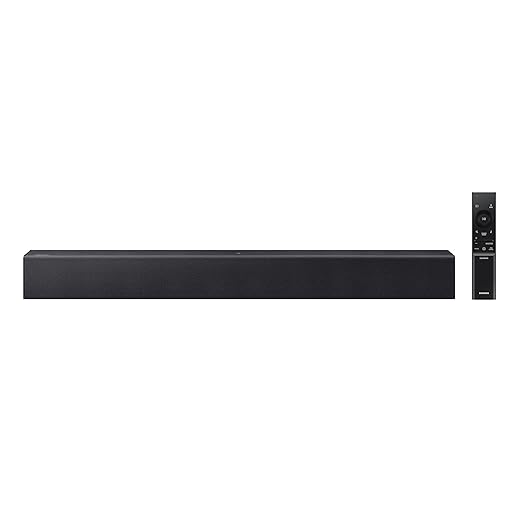
Today a soundbar’s “personality” lives in its companion app. An elegant app gives simple EQ, room‑calibration and easy firmware support package installs; a clumsy one buries basic controls behind menus or forces us onto yet another account. We’ve lived through bars where dialog-enhancement is a two‑tap menu and where favorite profiles vanish after an OS update. Before buying, we open the app store, skim screenshots, and read recent reviews — app quality often predicts how usable the product will feel daily.
Firmware: features can disappear after purchase
Manufacturers add and remove features via firmware. We’ve seen promised Bluetooth codecs or streaming integrations arrive — or never show up. Always check a brand’s firmware history: look for release notes, frequency of updates, and whether older models get the same attention as flagship devices. Search support forums and Reddit for “firmware broke” or “update fixed” to see real user experiences.
Voice assistants: convenience or headache?
Voice control only helps if it’s consistent. Does the bar run an on‑device assistant (faster, more private) or rely on TV passthrough? Can the mic be physically muted? Do commands control volume, inputs, and play/pause — or only basic queries? Try to find video demos or confirm in Q&A sections; vague “voice enabled” labels hide a lot.
Multiroom: seamlessness vs. vendor lock‑in
Multiroom is seductive — but it can trap us. Open standards (AirPlay 2, Chromecast) let us mix brands. Proprietary stacks (Sonos, some vendor ecosystems) offer great polish and easier syncing, but they require commitment. Our checklist before checkout:
Thinking about ecosystem early saves us from a polished demo that’s awful in real life — and it leads naturally to the next problem: how marketing and showroom tricks mask these usability gaps.
We fall for marketing and showroom tricks: testing, comparisons, and realistic expectations
Showroom illusions we’ve learned to distrust
Showrooms and ad spots are set up to make everything sound impressive: small, carpeted demo rooms, EQ presets cranked to “exciting,” and subwoofers placed where they vacuum up room modes. We’ve sat through demos where trailers boom but dialogue disappears — a great ad, a poor living‑room experience. Knowing the tricks makes us skeptical rather than dazzled.
In‑store and online testing checklist
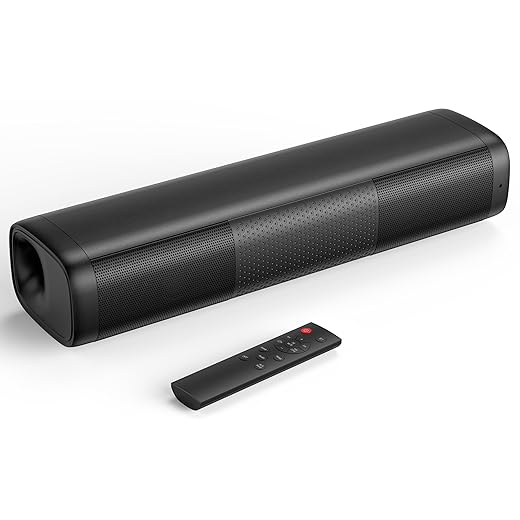
When we test a bar in person or judge a review, we hit the same, simple checks
Ask staff to switch presets, drop the sub level, and play dialogue-only clips. If they refuse, that’s a red flag.
Price‑tier expectations (realistically)
We avoid magical thinking about price: entry bars (~$100–$300) improve TV volume and dialog but rarely deliver room‑shaking bass or wide soundstages. Midrange (~$300–$700) often hits the best balance: better voicing, optional subwoofers, and smarter apps. Above that, pay for immersive channels, build, and brand — but only if we actually use those features.
Who builds for convenience vs. audiophilia
Some brands (Sonos, Amazon, Samsung) prioritize ecosystem and ease: polished apps, reliable updates, voice assistants. Others (Yamaha, Sennheiser, Sony’s audio division) gear toward voicing, calibration tools, and fidelity. We pick based on priorities: convenience and multiroom, or pure sound quality and tweakability.
Armed with this checklist and these trade‑offs, we’re ready to finalize a buying decision that won’t be swayed by demo theatrics and marketing gloss.
How we avoid buying the wrong soundbar
We follow a short checklist: define our primary use case (TV, movies, music, gaming), test a candidate in our room or simulate placement and reflection, choose build quality and voicing over headline specs, prefer systems that integrate with our devices and apps, and treat showroom demos with skepticism — ask for real-world samples and demo time at home when possible.
These steps matter because features overlap while everyday listening does not: consistent tonal balance, usable controls, and reliable ecosystem support determine satisfaction far more than extra channels or inflated SPL claims. If we shop with those priorities we get soundbars that improve daily life, not just spec sheets. Ask questions, audition honestly, and buy for life, not for marketing every day.
Frequently asked questions
What is the main point of “Why Most People Buy the Wrong Soundbar”?
This piece explains where why most people buy the wrong soundbar matters in real buying decisions—not just headline specs. We focus on trade-offs, who benefits most, and what to verify before you spend.
Who should read this why most people buy the wrong soundbar guide?
Read it if you are actively shopping, upgrading, or trying to separate marketing claims from day-to-day use. Skip it if you already own the gear and are not planning a change this season.
What changed recently around why most people buy the wrong soundbar?
Prices, firmware, and feature tiers shift quickly in this category. We call out what is new enough to affect your decision and what is incremental hype you can safely ignore.
How should I use this editorial when buying?
Treat it as context before you compare models: note the risks and priorities here, then cross-check specs and current pricing on the picks that match how you actually use the product.
What is easy to get wrong about why most people buy the wrong soundbar?
Buyers often overweight one spec—brightness, speed, or brand—and underweight fit for their room, ecosystem, or warranty support. We flag the mismatch we see most often in reader questions.
Where should I go next after reading?
Use the related comparisons and top picks linked near the end of this article for model-level shortlists, then confirm return policies and compatibility with the devices you already own.

Iqra Jumar is Option Cutter's editorial writer. She writes practical editorials and buyer guides that focus on real-world upgrades—better Wi‑Fi, cleaner cable setups, smarter streaming, and everyday fixes—not spec-sheet noise alone. Her work helps readers decide what to change now, what to skip, and why.