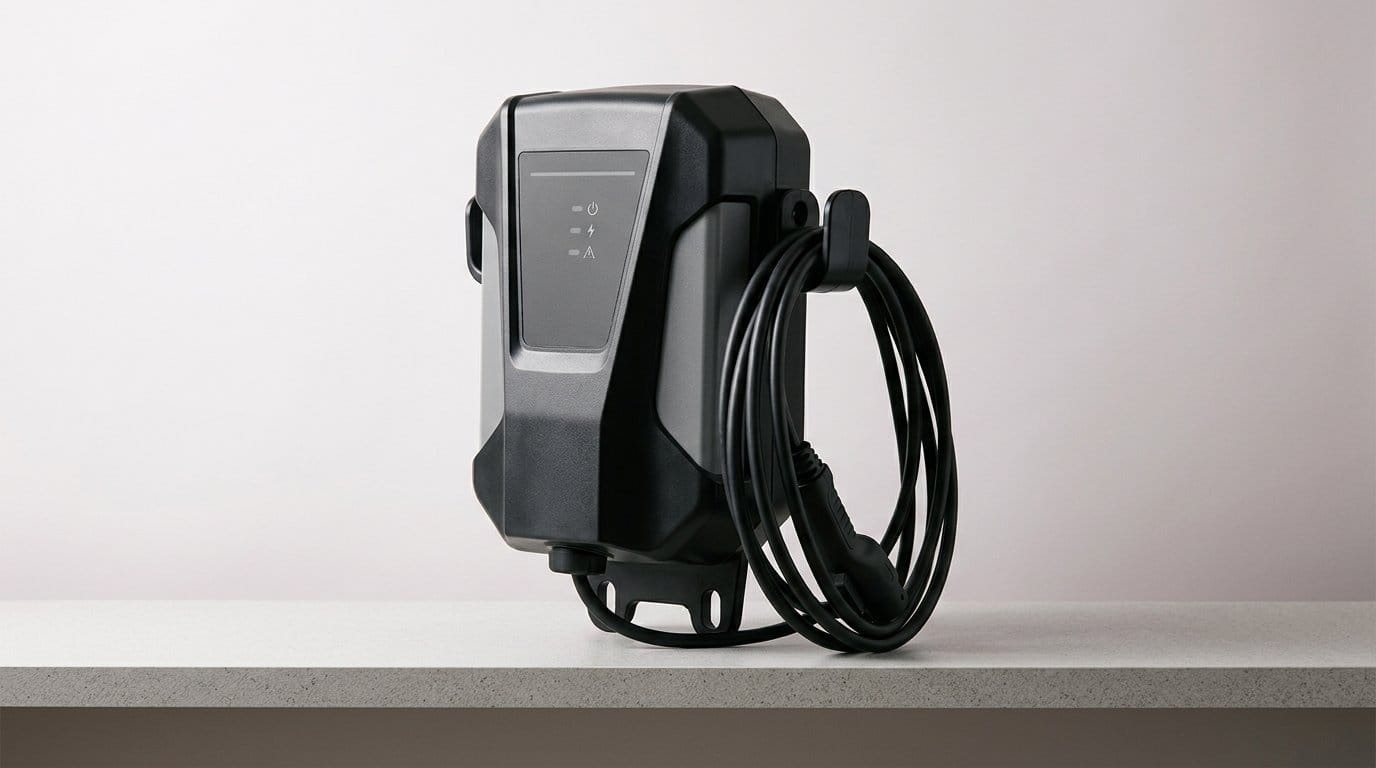

When cheap charging feels expensive
We set out to understand why stations that advertise low per‑kWh prices often leave drivers frustrated. What looks cheap on a receipt can cost us time, reliability, and peace of mind.
In the sections that follow we unpack five failure modes: poor hardware that breaks or limits power; clunky software and payment flows that add friction; slow speeds and hidden throttles that waste time; bad site design that turns a quick stop into a scramble; and fragmented networks with weak support that leave drivers stranded.
This is a user‑experience problem rooted in cost tradeoffs. We explain how those choices ripple through design, operations, and the EV ecosystem. We want charging that works, not surprises anymore.

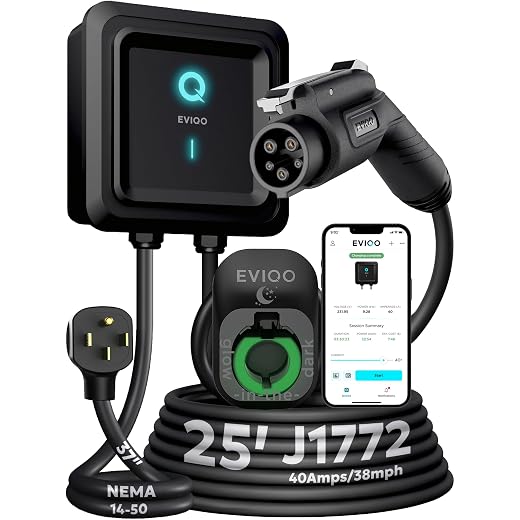
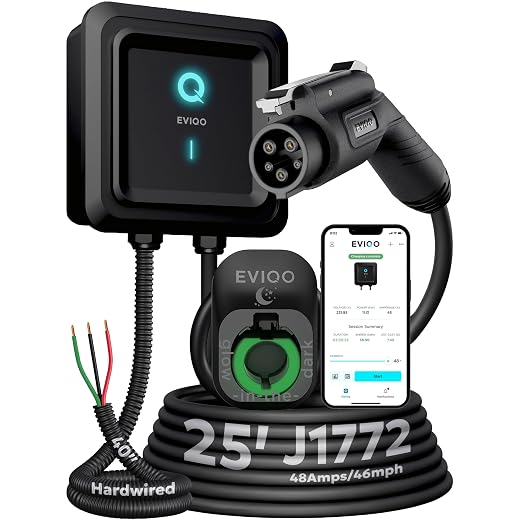

Save Big on EV Charging: Best Ways to Charge Your Electric Car
Cheap hardware, brittle performance: why build quality shows up in the charging bay
The failures we actually run into
When operators chase the lowest bid, the symptoms land on us: dead ports, chargers that refuse to negotiate full power, and sessions that cut out mid‑charge. We’ve seen connectors with worn pins and cracked housings, tethered cables that stiffen and kink in cold weather, and cheap contactors that weld closed or open unexpectedly. Those failures don’t read as “capital expense saved” on a balance sheet — they read as wasted hours and missed appointments for drivers.
How cut corners become user pain
Cost cutting shows up in three technical places that drivers feel immediately
We can point to the difference between tier‑one suppliers (ABB, Siemens, Tesla’s Supercharger designs) and generic, DC fast charging. The former prioritize ruggedness, diagnostics, and serviceability; the latter prioritize price and speed of deployment.
Why operators choose cheap hardware
The incentives are plain: lower capex, faster rollout to hit build‑out targets, and simpler permitting with small, plug‑and‑play boxes. For a site owner, an inexpensive unit reduces upfront risk. But those short‑term gains lead to long‑term pain: higher downtime, surprise service calls, and escalating O&M (operations and maintenance) costs once failures cascade.
Practical checks and fixes we can demand now
If we want charging to feel seamless, the hardware has to be treated as infrastructure, not disposable kit — and that mindset starts before the first unit is bought.
Clunky software and payments: the friction no one budgets for
When the charger is working but we still can’t charge
Hardware can be fine and we can still be stuck. More often it’s the software layer — apps, RFID tokens, payment gateways, and the backend telemetry — that turns a five‑minute stop into a 30‑minute ordeal. We’ve had sessions fail because an app wouldn’t refresh our login, RFID badges not provisioned correctly, or card tokenization failing at the moment of authorisation. Those are not edge cases; they’re the routine pain points we run into on road trips and at unfamiliar sites.
Why the ecosystem amplifies small bugs
The problem isn’t only sloppy code. The charging ecosystem is fragmented: different operators speak different protocols (OCPP for station control, OCPI/OSCP for roaming), and many networks stitch together third‑party payment providers that chase the lowest transaction fees. That drives two predictable outcomes:
That’s why a ChargePoint session can feel seamless while another vendor’s app crashes mid‑transaction — the integration quality is the differentiator, not the charger.
The UX cost — minutes, downloads, and anxiety
The user experience is brutal in measurable ways
Psychologically, this uncertainty is corrosive. Low‑battery anxiety multiplies when billing feels arbitrary or diagnostics are absent — and that’s not an abstract complaint; it changes travel plans.
Practical steps to reduce friction
If software is the connective tissue of charging, then improving integrations and predictable billing is the fastest way to make cheap deployments feel reliably useful.
Slow speeds and hidden throttles: the true cost of cheap kilowatt‑hours
Why advertised price per kWh deceives us
A low price tag per kWh sounds attractive until we factor time. Cheap chargers often advertise pennies off the meter, but they deliver lower peak power, share circuits between bays, or apply software throttles during peak grid hours. The result is longer sessions and more time waiting — and time is a currency most of us value more than a few dollars saved on electricity.
A typical session — where savings evaporate
We’ve run the numbers and ridden the scenarios enough to know how this plays out. Imagine two chargers at a highway stop
Now factor in queues and tapering: above ~80% most EVs automatically slow charging, so many drivers “top off” at cheap stations. That stretch from 80% → 95% is slow and expensive in time, not energy. Add a shared circuit that splits 150 kW between two bays, or a throttle that caps charging at 60 kW to avoid a demand charge spike, and the cheap per‑kWh rate loses its edge.
Keep devices and patience in check while you wait — a small convenience, like the Anker 323 52.5W Dual‑Port Car Charger Adapter, can make the downtime less painful.
Why operators trade power for price
Operators respond to economics. In many markets, demand charges — fees based on a site’s peak grid draw — dwarf the cost of energy. Smaller providers with limited site power or no battery buffer will limit peak power or split capacity across ports to avoid those fees. It’s a rational business decision, but it changes the product: cheaper electricity delivered much more slowly.
How to get better real‑world value
We use practical heuristics when time matters
Cheap kWh is tempting, but for most road trips and time‑sensitive charging, paying a premium for power — not just energy — delivers a better experience.
Bad locations and poor site design: the experience around the charger matters
Site layout and accessibility
Charging is more than the plug — the surroundings define the experience. Cheap deployments often treat chargers like a utility box: shoved into leftover corners, awkwardly aligned with parking bays, or crammed into narrow stalls that make door opening and cable handling a chore. We’ve seen chargers mounted behind concrete islands or next to light poles so that drivers must back in at odd angles or step into traffic to reach the connector. That’s not an edge case — it’s a predictable deterrent for everyday users, and it reduces usable uptime because people hesitate to park or take longer to plug in.
Safety, lighting, and weather protection
When operators cut costs on site work, lighting and weather protection are the casualties. Poor illumination makes plugs hard to see at night and raises perceived safety risks; no canopy means cables and connectors get soaked, accelerating wear.
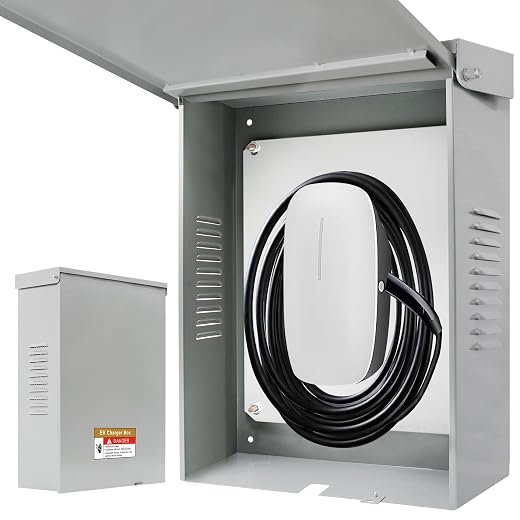
A modest investment in a canopy, good light, and non‑slip surfacing does more than extend equipment life — it changes whether a driver feels comfortable leaving their car for 30–60 minutes.
Retail integration and placemaking
Charging that’s isolated from retail entrances or publicly accessible amenities destroys the commercial logic of EV stops. Cheap sites often put chargers in the back lot where foot traffic is low; that yields shorter or no visits into nearby shops and fewer impulse purchases. Thoughtful siting—near café doors, visible from the main lot, with clear pedestrian routes and seating—converts dwell time into real value for hosts and convenience for drivers.
Practical tips — what we look for (and what operators should do)
Good siting isn’t glamorous, but it’s where charging becomes usable rather than merely available. If operators want repeat customers, that’s the line item they can’t ignore.
Fragmented networks and weak support: customer service is the invisible infrastructure
How fragmentation frustrates drivers
We’ve all been there: we pull up to a charger that appears available in one app, only to discover it won’t accept our card, the Wi‑Fi handshake failed, or the kiosk displays “contact operator” with no useful number. Fragmentation means different apps, different payment rules, and different uptime realities. That multiplies friction: instead of a single predictable experience like filling a tank, EV drivers juggle passwords, multiple accounts, and a patchwork of customer‑service channels — and when something goes wrong those handoffs are maddening.
Why scale and integration matter
Large, vertically integrated networks — Tesla Supercharger, Electrify America, ChargePoint, EVgo — invest in remote monitoring, 24/7 call centers, and dedicated field crews. They can push firmware fixes, remotely reboot stations, or dispatch technicians with parts and diagnostic logs. Small micro‑operators or independent hosts often can’t afford that stack; their chargers may be online only in a basic sense, and a fault becomes an hours‑long or days‑long outage. The result is not just inconvenience; it’s lost confidence in public charging as a dependable utility.
Standards, contracts, and policy levers that help
We want accountability, and that’s where standards and policy step in. Concrete levers include
These aren’t radical: cellular and utility sectors have analogous rules that bit‑by‑bit raised baseline reliability.
Practical tips — what we do and recommend
Reliable customer support is infrastructure. Fixing it reduces stress on drivers and turns chargers from occasional conveniences into predictable parts of the road network — and that shifts the conversation to what charging should be, not what it currently isn’t.
What we want from charging, and how cheap doesn’t deliver
Cheap per‑kWh rates often mask four real costs for drivers: brittle hardware that fails when you need it, clunky software and payment friction, throttled or inconsistent speeds, and sites that are poorly sited or unsupported. Those trade‑offs hurt trip planning and waste time — and in today’s crowded market, experience matters as much as price.
We should demand transparency, minimum service levels (uptime, advertised versus real speed), unified payments, and better site design. Before you unplug, check network reviews, uptime maps, connector types, and payment methods. Back interoperable, well‑maintained networks when you can — spending a little more today almost always saves time and frustration tomorrow. This is what drivers should expect — browse our how-to guides.
Frequently asked questions
What is the main point of “Why Cheap Charging Stations Frustrate EV Drivers”?
This piece explains where why cheap charging stations frustrate ev drivers matters in real buying decisions—not just headline specs. We focus on trade-offs, who benefits most, and what to verify before you spend.
Who should read this why cheap charging stations frustrate ev drivers guide?
Read it if you are actively shopping, upgrading, or trying to separate marketing claims from day-to-day use. Skip it if you already own the gear and are not planning a change this season.
What changed recently around why cheap charging stations frustrate ev drivers?
Prices, firmware, and feature tiers shift quickly in this category. We call out what is new enough to affect your decision and what is incremental hype you can safely ignore.
How should I use this editorial when buying?
Treat it as context before you compare models: note the risks and priorities here, then cross-check specs and current pricing on the picks that match how you actually use the product.
What is easy to get wrong about why cheap charging stations frustrate ev drivers?
Buyers often overweight one spec—brightness, speed, or brand—and underweight fit for their room, ecosystem, or warranty support. We flag the mismatch we see most often in reader questions.
Where should I go next after reading?
Use the related comparisons and top picks linked near the end of this article for model-level shortlists, then confirm return policies and compatibility with the devices you already own.

Iqra Jumar is Option Cutter's editorial writer. She writes practical editorials and buyer guides that focus on real-world upgrades—better Wi‑Fi, cleaner cable setups, smarter streaming, and everyday fixes—not spec-sheet noise alone. Her work helps readers decide what to change now, what to skip, and why.