What almost every home theater gets wrong
We chase bigger screens and more channels, yet most rooms still disappoint. Studies show room acoustics can change perceived clarity and bass by over 50%, but we treat them like decoration. We focus on gear specs instead of how sound behaves in a space.
In this article we argue the missing ingredient is the room — and the tuning of the system to that room. We’ll unpack why room acoustics matter more than gear lists, how untreated rooms betray movies and music, and simple, cost-effective treatments that actually improve what we hear.
We’ll also explain why calibration tech and AV hardware must integrate, and offer a practical upgrade plan for consumers and manufacturers.


The hidden deficit: why room acoustics matter more than gear lists
Sound is space as much as gear
We instinctively shop by specs: watts, drivers, dolby. But sound is created by speakers and then sculpted — often ruined — by the room they live in. A $1,000 receiver and $3,000 speaker pair can’t overcome a room that throws back late reverberation, smears dialogue, or piles bass into a single frequency. In plain terms: the same equipment in two different rooms will sound like two different systems.
Core acoustic problems, in plain language
Here’s what actually happens when a room interferes with sound
These aren’t academic problems — they directly cost the experience: reduced clarity, muddied bass, listening fatigue, and broken immersion.
What buyers skip (and what that omission costs)
Most consumers focus on speakers (Klipsch RP-600M, KEF LS50) and processors (Denon AVR-X3700H, Yamaha AVENTAGE), then assume room correction software (Audyssey, Dirac, Anthem ARC) will finish the job. That’s optimistic. DSP can flatten measured frequency response within limits, but it can’t stop a hard wall throwing back early reflections or prevent standing waves from redistributing bass energy. In short: software tweaks frequency; physical treatment controls timing and energy.
Quick, practical steps we can take today
Understanding these basics reframes how we prioritize upgrades — and sets up the actionable diagnostics and treatments we’ll cover next.
How missing treatment shows up in everyday use
We sell gear, but we live with rooms. When treatment is the afterthought, the experience fails in ways buyers notice immediately — and in ways they often blame on the wrong thing. Below are the most common, concrete failures and quick, practical responses you can try tonight.
Dialogue-heavy films: speech sounds mushy
We sit through a thriller and the lead’s lines lose consonants and clarity; it feels like the center channel is shy, or the sub has crept into the midrange. That “mushy dialogue” is usually early reflections and modal smear, not a bad center speaker. Quick check: play a scene you know well and clap once at the listening position. If the claps ring or flutter, reflections are stealing consonant detail.
Home-theater parties: bass that booms in some seats, disappears in others
You move down the couch and suddenly the bass is a drumline or it’s gone — that’s room modes and uneven low-frequency distribution. Before adding another sub, try the subwoofer crawl (move the sub while playing a bass-heavy track until the response evens out) and decouple the sub off the floor. In multi-listener situations, multiple subs (SVS SB-2000x or Rel HT-series) or corner bass traps help smooth hotspots.
Gaming: blurred positional cues and muddy footsteps
Competitive games rely on precise imaging. When reverb and side-wall reflections smear timing, gunshots and footsteps lose directionality. We test with stereo and surround cues; if soundstage collapses or localizing enemies is hit-or-miss, treat first-reflection points and reduce late reverberation with absorbers close to the listening plane.
Late-night listening: constrained dynamics without losing clarity
We love late-night movies, but neighbors and kids force us to turn down volume. Untreated rooms often feel thin at low levels (masking and changed perception of bass). Addressing bass with traps and controlling mid/high reflections lets us lower playback without losing impact — so movies still feel big at polite volumes.
What to listen for — a quick checklist
How this shapes design choices
Those symptoms drive decisions: we move seating forward, pick smaller screens, or cram heavy furniture into the mix — all compromises. In open-plan homes or multi-use rooms, the aesthetic aversion to visible panels (they look “industrial”) often kills treatment before it starts. That’s a market failure: buyers prioritize looks over measurable gains, and manufacturers should offer attractive, room-friendly solutions so form and function stop fighting.
Next, we’ll show how minimal, targeted fixes can return the fidelity those design compromises stole.
Practical fixes: treatments, placement, and calibration that actually change what we hear
Start with placement — the cheapest, biggest win
Before buying anything, move stuff. We set speakers in an equilateral triangle with the listening position; toe them in until the center image tightens. For subs, do the “sub crawl”: play a bass-heavy track and sit where the sub will be until you find the smoothest spot, then place the sub there. Decouple subs and speakers from hard floors with Auralex SubDude or IsoAcoustics feet to reduce cabinet-to-floor energy transfer. These changes often produce the most obvious, immediate improvements in imaging and bass evenness.
Measure before you tweak
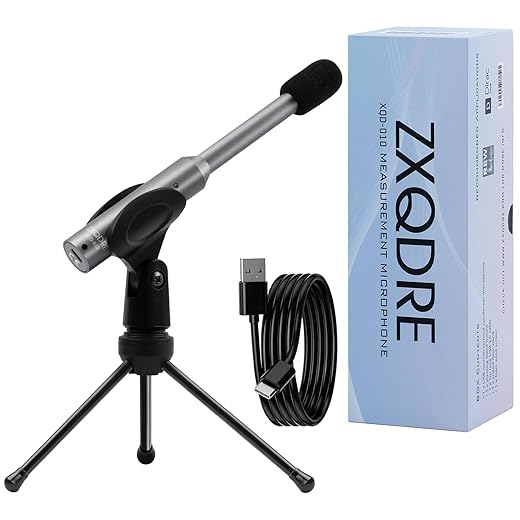
We use Room EQ Wizard (free) with a miniDSP UMIK‑1 mic to see what we hear. Measurement converts guesswork into actions: it tells us whether problems are modal (low-frequency peaks/dips) or reflective (comb filtering in mids/highs). Once we know, we run calibration: onboard Audyssey or Yamaha YPAO for basic fixes, Dirac Live or miniDSP for more surgical correction. Measurement + EQ gives us control; blind tweaks don’t.
Treat what matters — absorption vs diffusion
Absorption reduces reflected energy; diffusion scatters it. Absorbers (GIK Acoustics 242 panels, Auralex Studiofoam) tame slap and improve dialogue. Bass traps (GIK Monster, Auralex LENRD) tame room modes and smooth bass across seats. Diffusers (Vicoustic Multifuser or Skyline panels) preserve liveliness while breaking up reflections — ideal behind the listening position or on the rear wall. We avoid turning a room into a cave: absorb early reflections, trap bass corners, diffuse the back third.
A practical order of operations
Each step compounds: cleaner first reflections reveal bass problems; fixing bass makes EQ and diffusion work better.
DIY, budget, or pro?
DIY panels and heavy furniture help but can be inconsistent — breathable materials and proper thickness matter wave. Off‑the‑shelf kits from GIK, Primacoustic, or Auralex give predictable results quickly. Hire a pro when your room is complex (open-plan, high ceilings), when you’re investing thousands in speakers, or if you want a treatment plan that integrates aesthetics and acoustic science.
We favor a measured, incremental approach: move, measure, treat, and then calibrate — that sequence changes a home theater from “nice gear” into a room that actually sounds like the movies intended.
Ecosystem integration: why calibration tech and AV gear need to work together
Calibration as a platform, not a feature
Fixing the room isn’t an add‑on; it has to be part of a system. We’ve seen plenty of receivers and streaming boxes advertise “room correction” as a checkbox, only to bury the controls behind arcane menus or lock them to a cheap, single‑use microphone. When the correction engine, measurement hardware, and user workflow are designed together, owners actually use them — and keep using them as furniture, toys, and kids rearrange the room.
Embedded vs third‑party: tradeoffs that matter
Embedded systems (Audyssey, Yamaha YPAO, Anthem ARC, Sonos Trueplay) are quick and convenient: they get a reasonable result in five to ten minutes. Third‑party solutions (Dirac Live, miniDSP, multi‑sub management) demand more effort but give surgical control. The practical rule we’ve learned: use automated correction to get you in the ballpark, then switch to a higher‑resolution tool if you want to squeeze the last bit of clarity or fix persistent room modes.
Compatibility, updates, and UI beats headline specs
A receiver with “Dirac” on the spec sheet is only as good as its implementation. Can you import/export calibrations? Does the app let you save profiles for “movie” vs “music”? Will firmware updates break previously saved EQs? We prioritize systems that:
Measurement workflow: make it painless
Measurement microphones and workflow are the hinge of this ecosystem. An REW + UMIK‑1 measurement will outclass a receiver’s internal mic every time. But people won’t do that unless the app makes it obvious: step‑by‑step guidance, visual feedback, and easy re‑runs after moving a couch. Cloud‑based profiles that let us store and apply room presets across devices are promising — especially for multiroom setups — but they must respect privacy and allow local exports.
How we actually use this in practice
Start with your receiver’s auto‑setup to fix time alignment and gross EQ. Then measure with a calibrated mic, load that data into a higher‑resolution processor if needed, and save a movie/music/profile pair. Re‑run after major layout changes or every year. When manufacturers treat room correction as an interoperable ecosystem — not a checklist item — owners will keep improving sound long after purchase.
Next, we’ll look at how to prioritize those upgrades and what manufacturers should do differently in the market.
Market context and a plan: how we should prioritize upgrades and what manufacturers can do better
Why room fixes lag product marketing
Manufacturers chase channel counts, THX badges, and wireless features because those specs are easy to advertise and sell. Room treatment is bespoke, visible, and hard to monetize. That leaves consumers buying ever‑more powerful amps and speakers, then wondering why dialogue is smeared or bass booms. We need a market that treats room acoustics as part of the product, not an afterthought.
Emerging trends worth watching
A prioritized roadmap (cost vs. impact)
Follow this checklist in order — each step increases return on investment
Choose a path by profile
With a clear market view and this stepwise plan, we can prioritize upgrades that actually change what we hear. Next, we’ll tie this to the small investments that deliver the biggest real‑world payoff.
A small investment that changes everything
We’ve shown that the single biggest upgrade for most home theaters isn’t flashier hardware but treating and tuning the room so existing gear can do its job. Measured placement, one targeted absorber or diffuser, and brief calibration translate to clearer dialogue, tighter bass, and a wider, stable soundstage. That matters now than ever: manufacturers push bigger speakers and fancy calibration claims, but without room-aware design and ecosystem integration those gains are muted.
Start by measuring, pick one corrective action, and iterate. That approach delivers dramatic perceptual returns at fraction of component upgrade costs, improves movies, music, and games alike, and signals to makers acoustics must be part of product design, not an afterthought today.
Frequently asked questions
What is the main point of “The One Thing Missing from Most Home Theaters”?
This piece explains where the one thing missing from most home theaters matters in real buying decisions—not just headline specs. We focus on trade-offs, who benefits most, and what to verify before you spend.
Who should read this the one thing missing from most home theaters guide?
Read it if you are actively shopping, upgrading, or trying to separate marketing claims from day-to-day use. Skip it if you already own the gear and are not planning a change this season.
What changed recently around the one thing missing from most home theaters?
Prices, firmware, and feature tiers shift quickly in this category. We call out what is new enough to affect your decision and what is incremental hype you can safely ignore.
How should I use this editorial when buying?
Treat it as context before you compare models: note the risks and priorities here, then cross-check specs and current pricing on the picks that match how you actually use the product.
What is easy to get wrong about the one thing missing from most home theaters?
Buyers often overweight one spec—brightness, speed, or brand—and underweight fit for their room, ecosystem, or warranty support. We flag the mismatch we see most often in reader questions.
Where should I go next after reading?
Use the related comparisons and top picks linked near the end of this article for model-level shortlists, then confirm return policies and compatibility with the devices you already own.

Iqra Jumar is Option Cutter's editorial writer. She writes practical editorials and buyer guides that focus on real-world upgrades—better Wi‑Fi, cleaner cable setups, smarter streaming, and everyday fixes—not spec-sheet noise alone. Her work helps readers decide what to change now, what to skip, and why.