
As prices fall and Mini LED finally narrows the gap on blacks, we look at real-world picture, design, and ecosystem trade‑offs—so which one actually makes sense for our living room in 2026?
We’re not dazzled by marketing— we cut through the noise to compare the 2025 TCL QM6K mini‑LED and LG C5 OLED so you can pick the TV that actually fits your room, viewing habits, and ecosystem in 2026, fast decisions.
Bright Gaming
We found this set delivers enormous value for people who prioritize brightness, motion handling, and punchy color. It’s a clear choice for bright-room viewing, live sports, and competitive gaming where high refresh rates and HDR brightness matter most.
Perfect Black
We think this set remains the best all-around choice for viewers who prize cinematic picture quality and near‑perfect blacks. It’s especially compelling for mixed use — movies, console/PC gaming, and living-room viewing — where contrast and deep blacks enhance immersion.
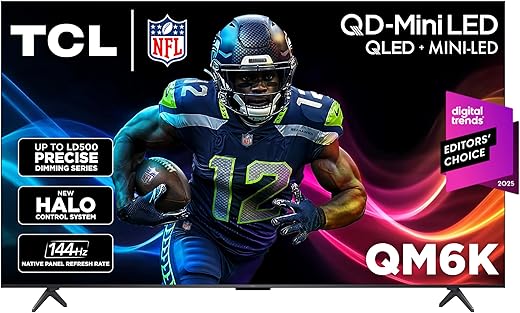
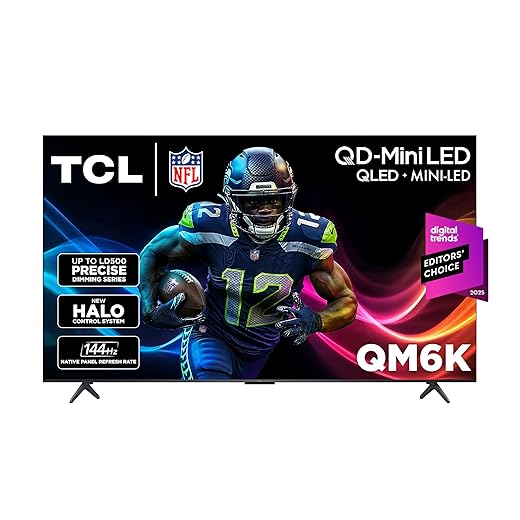
TCL QM6K 65
LG C5 OLED
TCL QM6K 65
LG C5 OLED
TCL QM6K 65
LG C5 OLED
Design & Everyday User Experience: What It’s Like to Live With Each TV
We focus on the small design and ergonomics choices that shape daily satisfaction: how these sets look in a living room, how the remote and UI behave, and which quirks become annoying after a few weeks.
Build, bezels, and first impressions
The TCL QM6K feels like an “affordable premium” product — thicker chassis to accommodate a dense mini‑LED backlight array and an Onkyo speaker bar. Bezels are present but unobtrusive; the extra depth is noticeable behind a slim console or when wall‑mounting. The LG C5 is the opposite: ultra‑thin panel, near‑invisible bezel, and a lighter, more premium silhouette that almost disappears on a wall.


Daily use: remote, UI responsiveness, and calibration
TCL ships with a Google TV interface and a voice remote with Alexa support. Google TV gives wide app compatibility, but we noticed slightly slower menu animations and occasional input lag in deep settings compared with premium rivals. TCL offers picture presets and advanced local‑dimming controls, but out‑of‑the‑box color balance can need tweaking.
LG’s webOS 25 feels snappy and polished; searches are faster and the platform’s layout is cleaner. LG includes filmmaker and game modes and richer calibration options driven by the α9 Gen8 processing — those settings are easier to dial in for accurate SDR/HDR performance. Built‑in voice and system‑level AI picture presets integrate more smoothly on the C5.


Mounting, stands, and viewing angles
Picture and Motion Performance: Mini LED Brightness vs OLED Contrast
HDR peak brightness and sustained luminance
We found the TCL QM6K’s QD‑Mini LED panel built for punch: it pushes much higher peak and sustained HDR highlights than the C5, so specular highlights (sun glare, HDR lens flares, specular reflections) look brighter and stay visible in well‑lit rooms. That extra luminance is exactly why mini‑LED matters if you sit in a bright living room or want dazzling HDR highlights on streaming and game content.


The LG OLED evo C5 focuses its power per pixel. Its Brightness Booster helps, but OLED’s advantage is not raw peak output — it’s perfectly held blacks and micro‑contrast for shadow detail, which make HDR scenes feel more dimensional even at lower peak nits.
Black level performance, blooming, and halo
OLED’s self‑emissive pixels deliver true black and zero haloing. In dark scenes the C5 reveals texture and subtle shadow layering that mini‑LED can struggle to reproduce cleanly around tiny highlights.


Mini‑LED’s zoned local dimming (TCL’s “Halo Control”) reduces blooming compared with older LED sets, but you’ll still see haloes around small bright objects against very dark backgrounds. That’s the trade‑off: more punch vs. per‑pixel perfection.
Color, tone mapping, and HDR formats
Out of the box the C5’s color and tone mapping (α9 Gen8) are closer to calibrated accuracy; LG nails Dolby Vision tone mapping for most streaming masters. TCL gives bolder punchy color out of box but usually needs a tweak. TCL supports Dolby Vision and HDR10+ broadly, which matters for HDR10+ sources; LG leans on Dolby Vision and robust upscaling instead.
Motion handling and real gaming latency
TCL’s native 144Hz panel and Game Accelerator promise ultra‑smooth motion and very low input lag for consoles and PC. LG’s native 120Hz with 0.1ms response, VRR to 144Hz, and mature HDMI 2.1 implementation provide best‑in‑class game responsiveness and film‑mode fidelity. Both do dejudder/interpolation and handle modern codecs well, but LG’s motion processing and upscaling are more polished for mixed content.
Feature Comparison Chart

Smart Platform, Audio, and Ecosystem Integration
App selection and OS updates
We found both platforms cover the major streaming apps, but they feel different under the surface. TCL’s Google TV gives the broadest app catalog and native Chromecast support — sideloading and Android‑first services are easier. LG’s webOS 25 is more curated and polished; apps launch fast and built‑in discovery works well. For updates, Google pushes platform-level improvements, but TCL’s own feature/bug fixes sometimes lag. LG tends to deliver steady firmware refinements and picture‑processing tweaks tied to its α9 Gen8 chipset.
Voice assistants and smart‑home fit
Google TV (TCL) = best with Google Home and Android phones; Google Assistant is snappier for cross‑device routines. LG’s C5 has Alexa built in and supports AirPlay/HomeKit, which matters if you’re in an Apple ecosystem. In short:
Casting, phone workflows, and calibration tools
Casting is seamless on TCL (Chromecast) and flexible for Android apps. LG’s AirPlay 2 and webOS casting feel tight for iOS users and include Filmmaker Mode and refined picture presets. TCL exposes simpler consumer controls and an AIPQ PRO mode; LG offers more granular picture presets and professional modes that matter to calibration enthusiasts.
Built‑in audio and TV‑first sound design
TCL’s Onkyo system with a built‑in subwoofer delivers chest‑punching sound out of the box — useful if you don’t want a soundbar. LG’s C5 uses Dolby Atmos virtualization and Wow Orchestra to create a more precise surround impression, but it benefits more from an external soundbar for real low end.
Long‑term convenience
Ecosystem ties here drive value: pick the TV that matches your phone and smart speakers. Cross‑platform hacks work, but native integration is simply less friction over years.
Price, Reliability, and Practical Buying Considerations
Street price vs value
Right now the TCL 65QM6K lands as a shockingly aggressive value at roughly $530; the LG OLED65C5 sits around $1,397. That gap matters: TCL gives you Mini‑LED brightness, 144Hz gaming, and decent built‑in sound for roughly half the outlay. LG buys fundamentally better blacks, slightly more refined software, and stronger resale.
Warranty and expected lifespan
Both ships with a one‑year manufacturer warranty; extended plans on Amazon are worth considering. With normal mixed viewing we expect either set to last 7–10+ years. Mini‑LED backlights can dim slowly over many years; OLED panels aren’t “dead fast,” but their long‑term luminance can taper and benefits from careful use.
Burn‑in and image‑retention
OLED still carries a real, though reduced, burn‑in risk. LG’s C5 includes aggressive mitigation (pixel shifting, screen savers), but if you run static HUDs, news tickers, or casino‑style overlays daily, an extended warranty or LED alternative is safer. Mini‑LED has negligible permanent retention risk.
Power draw and thermal behavior
TCL’s QD‑Mini LED drives much higher peak brightness, which raises power draw and produces more heat during bright HDR scenes — that’s normal and a tradeoff for living‑room punch. OLEDs draw less on average but their power climbs with sustained bright content.
Amazon availability and bundle deals
TCL’s price makes it a frequent Amazon deal and third‑party bundle target (soundbars, extended warranties, gaming accessories). LG shows up less often at deep discounts but is commonly bundled with premium soundbars or extended care plans during Prime Day/Black Friday.
Best pick by use case
Tradeoffs to flag: resale and software longevity favor LG; short‑term value and outright HDR brightness favor TCL.
Final Verdict: Which We’d Pick in 2026
For cinephiles and film‑first viewers, we pick the LG C5 OLED as our overall winner, unmatched blacks, nuanced gradation, and refined image processing deliver the cinematic experience that matters.
Pick TCL QM6K for bright rooms, HDR punch and gaming; ideal for active rooms.

Chris is the founder and lead editor of OptionCutter LLC, where he oversees in-depth buying guides, product reviews, and comparison content designed to help readers make informed purchasing decisions. His editorial approach centers on structured research, real-world use cases, performance benchmarks, and transparent evaluation criteria rather than surface-level summaries. Through OptionCutter’s blog content, he focuses on breaking down complex product categories into clear recommendations, practical advice, and decision frameworks that prioritize accuracy, usability, and long-term value for shoppers.