
Are we ready to choose pocketable power over living-room polish — and how do design, ecosystem lock-in, and cloud streaming change what ‘best’ even means for our gaming lives?
We pit portable power against living room royalty. We evaluate whether the Valve Steam Deck OLED 1TB or the PlayStation 5 Disc Edition (slim) suits most buyers today, emphasizing everyday use, ecosystem cohesion, and long‑term value and practical buying guidance.
Portable Power
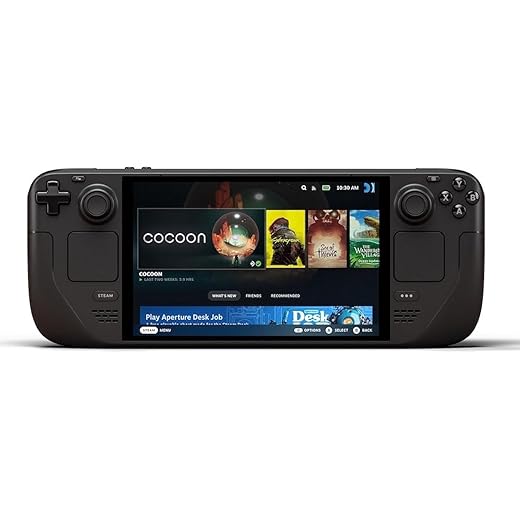
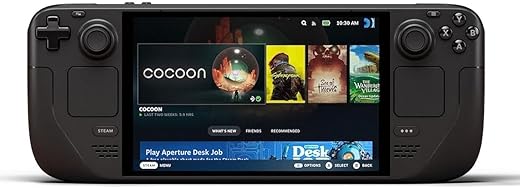
We find this OLED Steam Deck to be the clearest argument yet for premium handheld PC gaming: it pairs a gorgeous OLED panel and solid thermals with the unmatched flexibility of the Steam ecosystem. That combination matters because it shifts the tradeoffs — you get near‑desktop game compatibility in a genuinely portable form factor, albeit at a steep price compared with traditional consoles.
Big Screen
We see the slim PS5 Disc Edition as the better choice for dedicated big‑screen gaming: it delivers higher sustained performance, a robust library of exclusive titles, and a plug‑and‑play living‑room experience. In today’s market, that matters because if you prioritize fidelity, frame‑rate headroom, and exclusive narratives, the PS5 still sets the baseline for console‑first play.
Valve Steam Deck
Sony PS5 Slim
Valve Steam Deck
Sony PS5 Slim
Valve Steam Deck
Sony PS5 Slim
Design & Portability: Where and How You Play
Handheld-first: Valve Steam Deck OLED 1TB
We see the Steam Deck OLED as a device built around one use case: play anywhere. Its 7.4″ 1280×800 HDR OLED with anti‑glare etched glass gives richer contrast than the older LCD model, and the redesigned sticks, bigger fan, and lighter shell (about 3.67 lb packaged) make it more comfortable for extended handheld sessions. Battery life still ranges widely—Valve quotes 3–12 hours—so we treat long flights or all‑day trips as viable but variable depending on the title.


Living‑room‑centric: PlayStation 5 Disc Edition (Slim)
The PS5 Slim is designed around a TV and a stable power/seat setup. Its strength is the DualSense: haptic feedback and adaptive triggers deliver tactile experiences you can’t replicate in most handhelds. The slim chassis makes it easier to tuck into an entertainment center, but it’s immobile — no battery, no screen, and fewer ports than the original means less flexibility for on‑the‑go docking.


Why this matters in 2026
We judge devices by how they change where and how we play. The Deck lets us hop between a train, a couch, and a hotel without losing a PC library; it can also dock to a TV for a console‑like session. The PS5 Slim anchors play to a living room with higher sustained performance and a more cinematic display. If you value true portability and library flexibility, the Deck wins. If you want the best controller immersion and a dedicated TV experience, the PS5 Slim remains the obvious choice.
Performance, Game Library, and Compatibility
Raw performance and loading speeds
We look first at pure output: the PS5 Slim is the performance baseline for console play — native 4K targets, a blisteringly fast internal SSD, and sustained power for graphically heavy AAA titles. That translates into shorter load times and more stable frame pacing on the TV. The Steam Deck OLED, even with a high‑performance AMD APU and 1TB NVMe, is a handheld—the hardware balances thermals and battery life, so peak visuals and framerates won’t match a docked PS5.


Game libraries and exclusives
The Deck gives us nearly the entire Steam library (with Proton compatibility for many Windows games), access to PC stores in desktop mode, and cloud/remote‑play options if we want heavier titles streamed from a gaming PC or services like GeForce Now. The PS5 Slim, by contrast, offers first‑party PlayStation exclusives and native console versions optimized for its hardware — experiences you often won’t get on the Deck without streaming or waiting for ports.


Compatibility, modding, and ecosystem tradeoffs
Which matters most depends on us: if we value openness, library breadth, and portability, the Deck wins. If we want plug‑and‑play performance, exclusive blockbuster titles, and the convenience of discs, the PS5 Slim is the safer long‑term bet.
Feature Comparison

Software, Interface, and Daily User Experience
Platform philosophy and UI
We see two different design promises. The PS5’s UI is curated, polished, and plug‑and‑play: a TV‑first experience with Activities, a streamlined store, trophies, and baked‑in social features. SteamOS is intentionally more like a PC in a console chassis—focused on library access and flexibility. That means more options, but also more decisions for the user.
Controller and input differences
The way you interact matters as much as raw power.
Updates, maintenance, and ecosystem services
PS5 updates are centralized and QA‑driven — fewer surprises, less tinkering. Steam Deck’s SteamOS receives frequent updates and Proton improvements; desktop mode opens full Linux/Windows‑style maintenance. For us, that means more control on the Deck and less friction on the PS5.
Streaming, cloud, and media
Both platforms support remote play and cloud options, but the experiences differ:
How this impacts daily use
If we want a seamless living‑room, social, media‑friendly console, the PS5 wins for ease and polish. If we value PC‑style openness, sideloading, and varied input options for niche or older titles, the Steam Deck gives us more control — at the cost of occasional setup and compatibility work.
Price, Accessories, and Long‑Term Practicality
Sticker price vs real first‑day cost
We start with sticker: the Steam Deck OLED 1TB lists around $915; the PS5 Disc Slim is about $539. That gap looks big — but the real upfront cost depends on how you plan to use each system.
Essential accessories and total cost of ownership
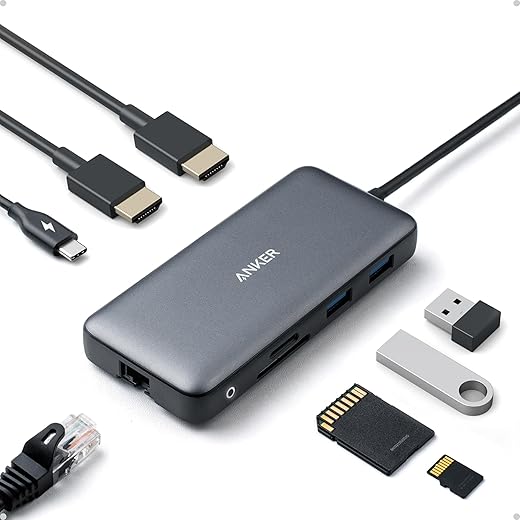
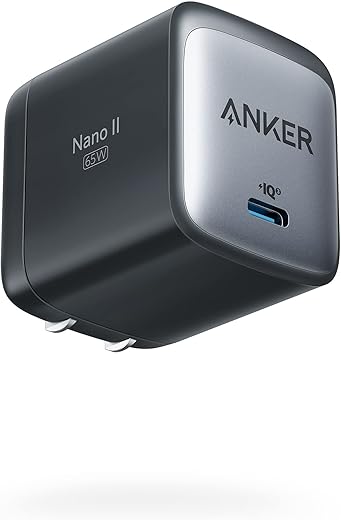
For both devices, add these likely extras:
Factor in software/subscriptions: PlayStation Plus is the main recurring cost for multiplayer and cloud saves (tiers from ~$9.99/mo), while the Deck itself has no mandatory subscription — although many Deck buyers subscribe to Xbox Game Pass or PC services (~$16.99/mo for Game Pass Ultimate) for breadth and value.
Repairability and upgrade paths
We care about longevity. The Steam Deck is notably user‑serviceable: user‑replaceable SSD, battery and thumbsticks, and a robust third‑party parts ecosystem. That makes incremental repairs and upgrades cheaper. The PS5 is less user‑friendly for DIY repair (although M.2 SSD upgrades are supported), and Sony’s warranty/repair channels are the safer route.
Resale value and Amazon availability
Historically, PS consoles retain value well thanks to exclusive games and steady demand; used PS5s are liquid in the market. The Deck’s resale is healthy among handheld fans but more sensitive to PC‑hardware cycles. Both are sold on Amazon regularly, but availability and third‑party pricing fluctuate — expect occasional markups or bundles that change the effective cost.
Final Verdict: Which Should You Buy?
We recommend the Steam Deck OLED 1TB as the best single purchase for most players who value portable PC gaming, broad compatibility with Steam, and the freedom to mod or expand their library — its OLED screen, 1TB storage, and open ecosystem make it a more versatile everyday device than a locked console. In today’s market where cloud saves, indie titles and PC mods drive longevity, the Deck’s flexibility matters more than raw living‑room horsepower.
That said, if you prize living‑room performance, PlayStation first‑party exclusives, and physical discs for collectors, the PS5 Disc Edition Slim is the clearer choice for a dedicated home console. We’d buy the Deck for portability and ecosystem freedom; buy the PS5 only if exclusives and TV integration top your list. Which side are you on? Decide with us — buy wisely.

Chris is the founder and lead editor of OptionCutter LLC, where he oversees in-depth buying guides, product reviews, and comparison content designed to help readers make informed purchasing decisions. His editorial approach centers on structured research, real-world use cases, performance benchmarks, and transparent evaluation criteria rather than surface-level summaries. Through OptionCutter’s blog content, he focuses on breaking down complex product categories into clear recommendations, practical advice, and decision frameworks that prioritize accuracy, usability, and long-term value for shoppers.